9 common side effects of periods

9 common side effects of periods
Periods are a part of the monthly menstrual cycle for people with a uterus. It is the shedding of the uterine lining in the form of blood and other fluids and tissue that may last for 3-7 days. Approximately 5 days to 2 weeks before its arrival, 90% of people who menstruate may feel certain symptoms. This is collectively known as premenstrual syndrome (PMS). Some of the most common side effects or symptoms of periods include: Abdominal cramps Menstrual cramps, also known as primary dysmenorrhea, cause an achy or cramping feeling in the lower abdomen, lower back, and upper thighs. Their severity may range from dull or mild discomfort to severe pain that interferes with one’s daily activities. People with conditions like endometriosis, cervical stenosis, adenomyosis, pelvic inflammatory disease, and fibroids may experience worse cramps during their menstrual cycle. Gas and bloating Some people also experience a sensation of heaviness in the stomach or may struggle to zip up their pants. This is also known as bloating and is caused due to changing hormone levels which lead to higher retention of water in the body. For most people, the worst bloating occurs on the day their period begins. The body’s hormonal changes also impact bowel functioning and can lead to gas, diarrhea, constipation, or nausea.
6 foods that worsen atrial fibrillation

6 foods that worsen atrial fibrillation
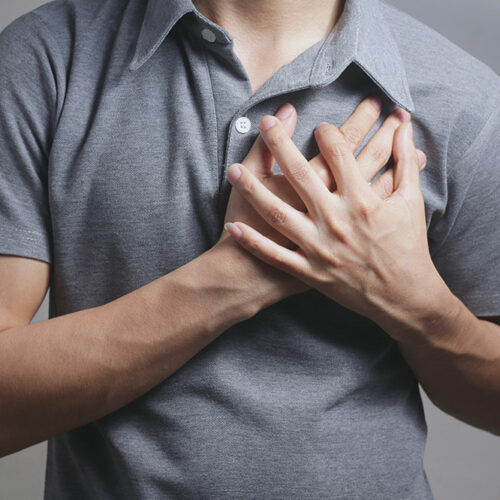
Atrial fibrillation is a health condition that causes irregular heartbeats. If left untreated, it can lead to serious health problems such as blood clots, heart failure, stroke, and other heart-related complications. What one eats plays a huge role in regulating their heart health. While leafy greens and nuts are beneficial for the heart, some foods can cause or worsen atrial fibrillation. This article discusses 6 foods that can worsen atrial fibrillation. Read on to learn more. Beef and lamb Healthcare experts unanimously advise clients to avoid red meat to keep their hearts healthy. Beef and lamb top the list when one talks about red meat-based foods. Beef and lamb, like other red meats, tend to contain higher amounts of saturated fats than most other meat-based foods. Saturated fats raise a person’s cholesterol levels, negatively affecting their blood circulation and increasing the risk of atrial fibrillation and other heart diseases. Instead of consuming beef or lamb, one can eat plant-based protein foods to keep one’s cholesterol levels in check. Coffee Caffeine is another food that is bad for cardiovascular health. Caffeine-filled foods such as coffee and tea stimulate the body but are equally capable of triggering atrial fibrillation. Caffeine tends to increase a person’s heart rate.

Foods and beverages to avoid for healthy teeth

Foods and beverages to avoid for healthy teeth
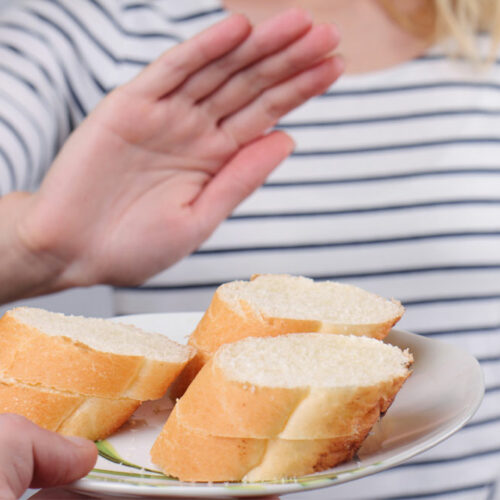
Following a thorough dental care routine is imperative for healthy teeth and gums. Many foods and beverages hinder oral health and cause problems like tooth decay, cavities, tooth abscess, chewing trouble, pain, and even gum diseases like gingivitis. On noticing any such tooth problems, one should alert the dentist. Depending on the symptoms, the expert may recommend treatments and other oral care tips to manage the condition and maintain healthy teeth. Worst foods and beverages for the teeth Various foods and beverages contribute to dental issues, which may cause severe discomfort if ignored. A common problem is plaque buildup, where a bacteria-filled sticky film gradually forms over the teeth. It is mainly caused due to sugary snacks, such as candy. Hence, one must ensure to avoid such foods. A few other examples are: Bread Bread might be a regular breakfast option, but it can cause tooth problems. When a person chews bread, the saliva breaks down the starch into sugar. Moreover, the bread turns into a gummy paste-like substance in the mouth, which sticks to the crevices between the teeth, causing cavities. Those who cannot do without bread may choose whole wheat varieties, as they contain fewer added sugars and do not break down easily.

5 foods to avoid when dealing with DVT

5 foods to avoid when dealing with DVT
Deep vein thrombosis or DVT develops when a blood clot (thrombus) forms in one or more of the deep veins in the body. These blood clots are usually observed in the legs and can cause leg swelling and pain. However, in rare cases, no symptoms or signs can be seen. A few health conditions that affect clotting may also increase the risk of developing the condition. Food can play a role in managing DVT. Signs In most cases, a DVT develops in the arms or legs, and up to 30% of people with the condition do not experience any symptoms. However, in some cases, people may experience mild symptoms that may not raise concerns. So, one should look for signs like swelling in the arm or leg, larger-than-normal veins near the surface, and pain or tenderness in the arms or legs. Other common signs are red or discolored skin, abdominal or flank pain, warm sensation in the affected areas, and severe headache. Foods to avoid In most cases, healthcare professionals may suggest a few lifestyle modifications, including include avoiding a few foods, to better manage DVT and even prevent it. White bread White bread and other refined foods often contain high amounts of starch.

Top 6 toilet cleaning mistakes to avoid

Top 6 toilet cleaning mistakes to avoid
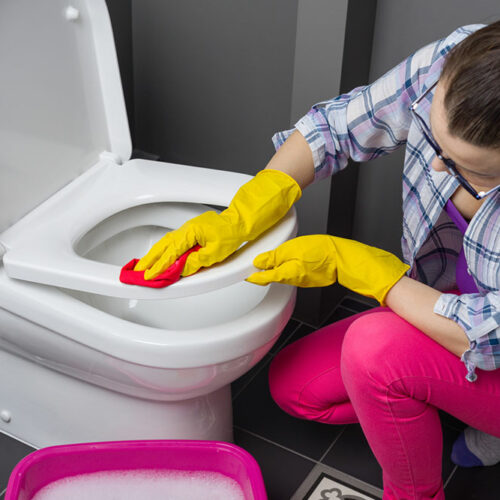
Using unclean toilets can cause bacterial gastrointestinal infections such as E. coli, Shigella, and Streptococcus. So, a clean and hygienic toilet is crucial to avoid diseases and ensure overall health. Several toilet cleaning solutions and tools are available online, but before buying them, one must consider the quality of these products and know the right cleaning techniques. Avoiding certain toilet cleaning mistakes can go a long way toward ensuring a spick-and-span toilet. 1. Using the wrong cleaning products Toilet cleaning products with harsh and abrasive chemicals might seem like quick fixes for a clean toilet, but these can damage its surface. The product may also release certain fumes, which are potentially hazardous. A better solution is to go for milder cleaning products or DIY ones that are incredibly effective but not abrasive. For example, a baking soda and vinegar solution is highly recommended to break down stains and eliminate infectious substances without damaging the toilet. 2. Failing to declutter If one’s bathroom is cluttered, one might leave out important surfaces and corners when cleaning it. Large objects blocking the way may also pose a safety risk to the person cleaning the bathroom. So, it’s important to declutter one’s bathroom, removing all the bathroom accessories and utilities from shelves, cabinets, etc., before cleaning.

Top 10 foods for glowing skin

Top 10 foods for glowing skin
When it comes to skin health, beauty indeed starts from within. Improvement in health can ensure aid in one’s skin care efforts and refine their appearance. Most experts recommend a nutritious and balanced meal for better skin as nutrient-dense foods can help prevent skin problems and damage. This can help people get one step closer to achieving flawless and glowing skin. So, here are the best foods to have for healthy and beautiful skin: The link between skin and food choices While it is difficult to define glow in precise terms, glowing skin can be characterized as one that is evenly toned, hydrated, has a smooth texture, is not inflamed, and is neither too dry nor too oily. Nutritious and balanced meals can help you get glowing skin as what you eat and avoid directly impacts the skin. A good skin care regimen includes having the right foods to provide adequate nourishment and hydration to the skin. Some fruits and vegetables can also help fight various problems like acne, dark spots, and allergies. Foods rich in vitamins A, C, D, and E, collagen, and omega-3 fatty acids are crucial for healthy skin. Best foods to have Walnuts Walnuts offer multiple skin care benefits.

Our
Blog.

9 most common types of depression you should know about

9 most common types of depression you should know about

All of us feel low, upset, and unmotivated at some point in our life, but this isn’t classified as depression. Depression is a mood disorder that overshadows a person’s thoughts, feelings, and actions. Signs and symptoms of this grave disorder can range from feeling hopeless and tired to completely losing the will to live. There are several types of depression and they are listed below so you can understand depression and people suffering from it better. Major Depression (Clinical Depression) The hallmark trait of this type of depression is the constant feeling of sadness or loss of interest in social life or any outside stimuli. It often lasts for two weeks or more in which a person can experience symptoms such as hopelessness, fatigue, and suicidal thoughts. Dysthymia (Persistent Depressive Disorder) Dysthymia lasts for years and can disrupt daily life and interfere with personal and professional relationships. Individuals with dysthymia are often seen as dark, pessimistic, or complainers by others, and they have a hard time being happy in typically pleasant situations. Manic Depression (Bipolar Disorder) People with manic depression experience high degrees of mood swings. Their train of thought can take them from feeling euphoric to feeling suicidal in just a few weeks.
Read More
Simple and practical guide points for expecting parents

Simple and practical guide points for expecting parents

Pregnancy is a new experience in every couple’s life, and one should understand a few things to ensure that the nine months are smooth and stress-free. Simply being prepared for pregnancy and looking forward to the joy of parenthood is not all there’s to childbirth. As a couple, you must understand, review, and adjust your lifestyle. Expecting mothers become their child’s nurturers and supporters from day one, but the expecting fathers, close relatives, and friends must also understand the key roles they will play right up to the due date. Here are a few simple family and pregnancy guide points to help you and your folks get started: Staying healthy Physical and mental wellbeing is extremely crucial for the expecting mother to ensure both her and the baby’s health. Diet plays a crucial role in this process, as the mother is now providing nutrition for the developing fetus as well as herself. As a family, you can take turns to ensure that the to-be mother is staying physically active, eating healthy and regularly, and not cultivating any bad habits. More importantly, family and loved ones should be prepared for the changes to come in the upcoming trimesters. Coping with changes – what to expect Morning sickness in the first trimester is quite common and can put a woman’s body under tremendous stress.
Read More