How nutrition plays a key role in managing sickle cell anemia
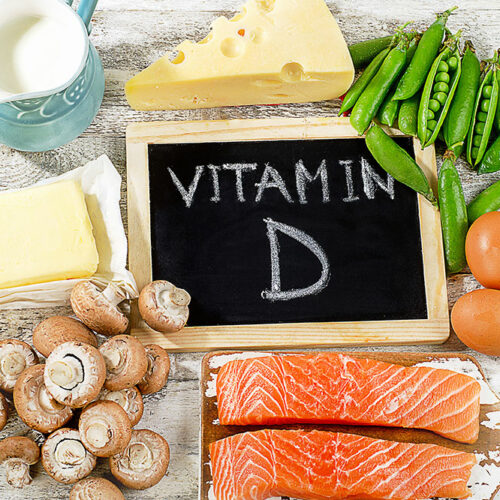
How nutrition plays a key role in managing sickle cell anemia
Sickle cell disease, also known as sickle cell anemia, is a genetic disorder that modifies regular red blood cells into a sickle or crescent shape. The disease is more common in people with a deficiency in vitamin D and poor appetite. The condition may also lead to reduced growth and development in children. Therefore, it is crucial to understand how nutrition can help support sickle cell patients. Balance and increase nutrients When it comes to sickle cell disease, asymptomatic patients tend to show energy levels below the set threshold. This number falls to about half when illness sets in or when the person is hospitalized. Therefore, one should increase the food they eat if they wish to tackle the condition’s symptoms. Some of these foods include the following: Whole grains, rice, and cereals, which are high in vitamin B, magnesium, folate, and selenium Milk, cheese, and yogurt that are loaded with vitamin D and calcium Certain vegetable oils that are rich in vitamin E and fatty acids Meats, nuts, seeds, and beans are good sources of protein, zinc, and iron Green leafy vegetables and fruits, as these foods carry high amounts of vitamin A, vitamin C, folate, and even fiber Calorie intake A high-calorie intake also supports those with sickle cell disease.

The benefits of healthy food habits for sickle cell patients

The benefits of healthy food habits for sickle cell patients
Sickle cell disease, also known as sickle cell anemia, is a genetic disorder that modifies regular red blood cells into a sickle or crescent shape. The disease is more common in people with a deficiency in vitamin D and poor appetite. The condition may also lead to reduced growth and development in children. Therefore, it is crucial to understand how nutrition can help support sickle cell patients. Balance and increase nutrients When it comes to sickle cell disease, asymptomatic patients tend to show energy levels below the set threshold. This number falls to about half when illness sets in or when the person is hospitalized. Therefore, one should increase the food they eat if they wish to tackle the condition’s symptoms. Some of these foods include the following: Whole grains, rice, and cereals, which are high in vitamin B, magnesium, folate, and selenium Milk, cheese, and yogurt that are loaded with vitamin D and calcium Certain vegetable oils that are rich in vitamin E and fatty acids Meats, nuts, seeds, and beans are good sources of protein, zinc, and iron Green leafy vegetables and fruits, as these foods carry high amounts of vitamin A, vitamin C, folate, and even fiber Calorie intake A high-calorie intake also supports those with sickle cell disease.
6 foods that help alleviate the symptoms of arthritis

6 foods that help alleviate the symptoms of arthritis
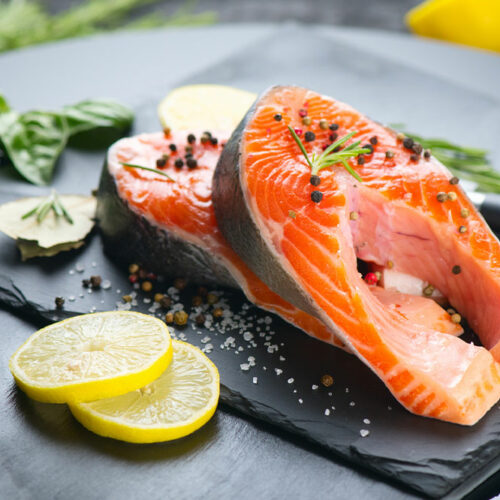
Arthritis is a group of diseases that can cause stiffness, swelling, and pain in the joints and can end up affecting people of all ethnic backgrounds, genders, and ages. Arthritis is of different types. One of the common types is rheumatoid arthritis, an autoimmune disease wherein the joints come under attack by the immune system. Another common type is osteoarthritis, which develops due to overuse of the joints. Fortunately, there are certain foods that can help manage the condition effectively by relieving joint pain and also by easing any inflammation caused. Listed below are some of the best foods that can help people suffering from arthritis manage the condition more effectively. Fatty fish Fatty fish such as trout, sardines, mackerel, and salmon are high in omega-3 fatty acids that possess potent anti-inflammatory effects. Studies have shown that people consuming fatty fish showed decreased levels of specific inflammation-related compounds, less morning stiffness, and joint pain intensity. Fatty fish are also rich in vitamin D, which can help prevent symptoms of rheumatoid arthritis. According to the AHA (American Heart Association), including a minimum of around two servings of fatty fish in one’s diet helps fight against inflammation effectively. Garlic Garlic and its components are full of health benefits as they possess cancer-fighting properties and are also responsible for lowering the risks of dementia and heart disease.

6 foods that can help fight arthritis pain

6 foods that can help fight arthritis pain
Arthritis is a group of diseases that can cause stiffness, swelling, and pain in the joints and can end up affecting people of all ethnic backgrounds, genders, and ages. Arthritis is of different types. One of the common types is rheumatoid arthritis, an autoimmune disease wherein the joints come under attack by the immune system. Another common type is osteoarthritis, which develops due to overuse of the joints. Fortunately, there are certain foods that can help manage the condition effectively by relieving joint pain and also by easing any inflammation caused. Listed below are some of the best foods that can help people suffering from arthritis manage the condition more effectively. Fatty fish: Fatty fish such as trout, sardines, mackerel, and salmon are high in omega-3 fatty acids that possess potent anti-inflammatory effects. Studies have shown that people consuming fatty fish showed decreased levels of specific inflammation-related compounds, less morning stiffness, and joint pain intensity. Fatty fish are also rich in vitamin D, which can help prevent symptoms of rheumatoid arthritis. According to the AHA (American Heart Association), including a minimum of around two servings of fatty fish in one’s food helps fight against inflammation effectively. Garlic: Garlic and its components are full of health benefits as they possess cancer-fighting properties and are also responsible for lowering the risks of dementia and heart disease.

Here’s what you need to know to understand multiple sclerosis

Here’s what you need to know to understand multiple sclerosis
Multiple sclerosis is an autoimmune and potentially disabling disease. The signs and symptoms of the disease are severe in some cases. Most people experience a much milder form of MS with long periods of remission. MS also has no cure, hence it is important to stay informed. Read on to find out more about MS- it’s symptoms, types and treatment methods. What is multiple sclerosis? Multiple sclerosis is a disease that affects the central nervous system that is made up of the brain and the spinal cord. In this condition, the body’s immune system affects the protective covering (myelin) of the nerve fibers, causing problems between the brain and the rest of the body. As the disease progresses, it can lead to complete debilitation and disability. Considering that MS is actually an autoimmune disease, the cause of the disease is still a mystery. But, scientists believe that multiple sclerosis can be triggered by a bunch of different environmental and genetic factors. Types of multiple sclerosis There are two types of MS: Relapsing-remitting MS Relapsing-remitting MS is a condition wherein the person will experience episodes of worsening symptoms. These episodes are followed by a period of remission which can last for years at a time.

6 nuts and seeds for managing arthritis

6 nuts and seeds for managing arthritis
Arthritis is a collective term to describe more than 100 types of joint pain or joint diseases and other related complications. If left unchecked, the pain caused by the condition could be disabling and interfere with one’s ability to perform daily tasks. One can resort to treatments and therapies to manage the symptoms of arthritis. At the same time, one can make lifestyle changes such as eating healthy foods like nuts and seeds to improve their condition. Walnuts Rich in ALA, adding walnuts to one’s meals can significantly help curb the symptoms of arthritis. The food is abundant in omega-3 fatty acids that help lower the C-reactive protein (CRP – a marker of inflammation that may heighten the risk of arthritis and cardiovascular diseases. One could add walnuts to meatless dishes and with other healthy foods like stir-fried broccoli with chopped garlic. Peanuts Eating a handful of unsalted peanuts throughout the day will ensure the body receives a healthy source of polyunsaturated and monounsaturated fats. These properties may lower unhealthy low-density lipoprotein (LDL) cholesterol and reduce heart disease risk. They can also introduce magnesium to one’s system, which will keep blood sugar in control. Subsequently, controlling these conditions may contribute to improved symptoms of arthritis.

Our
Blog.

9 most common types of depression you should know about

9 most common types of depression you should know about

All of us feel low, upset, and unmotivated at some point in our life, but this isn’t classified as depression. Depression is a mood disorder that overshadows a person’s thoughts, feelings, and actions. Signs and symptoms of this grave disorder can range from feeling hopeless and tired to completely losing the will to live. There are several types of depression and they are listed below so you can understand depression and people suffering from it better. Major Depression (Clinical Depression) The hallmark trait of this type of depression is the constant feeling of sadness or loss of interest in social life or any outside stimuli. It often lasts for two weeks or more in which a person can experience symptoms such as hopelessness, fatigue, and suicidal thoughts. Dysthymia (Persistent Depressive Disorder) Dysthymia lasts for years and can disrupt daily life and interfere with personal and professional relationships. Individuals with dysthymia are often seen as dark, pessimistic, or complainers by others, and they have a hard time being happy in typically pleasant situations. Manic Depression (Bipolar Disorder) People with manic depression experience high degrees of mood swings. Their train of thought can take them from feeling euphoric to feeling suicidal in just a few weeks.
Read More
Simple and practical guide points for expecting parents

Simple and practical guide points for expecting parents

Pregnancy is a new experience in every couple’s life, and one should understand a few things to ensure that the nine months are smooth and stress-free. Simply being prepared for pregnancy and looking forward to the joy of parenthood is not all there’s to childbirth. As a couple, you must understand, review, and adjust your lifestyle. Expecting mothers become their child’s nurturers and supporters from day one, but the expecting fathers, close relatives, and friends must also understand the key roles they will play right up to the due date. Here are a few simple family and pregnancy guide points to help you and your folks get started: Staying healthy Physical and mental wellbeing is extremely crucial for the expecting mother to ensure both her and the baby’s health. Diet plays a crucial role in this process, as the mother is now providing nutrition for the developing fetus as well as herself. As a family, you can take turns to ensure that the to-be mother is staying physically active, eating healthy and regularly, and not cultivating any bad habits. More importantly, family and loved ones should be prepared for the changes to come in the upcoming trimesters. Coping with changes – what to expect Morning sickness in the first trimester is quite common and can put a woman’s body under tremendous stress.
Read More