5 foods to avoid for boosting lung health
5 foods to avoid for boosting lung health
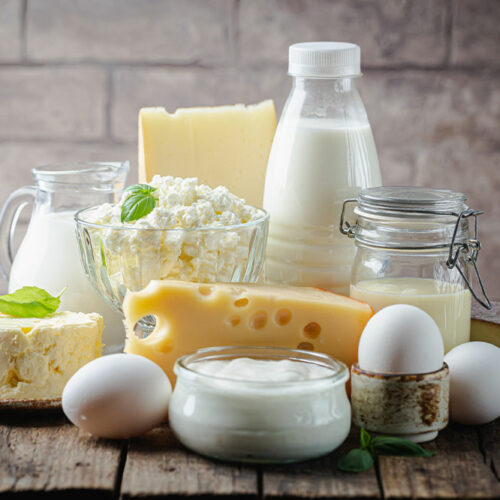
In an era of rising pollution levels and novel respiratory disorders, keeping the lungs healthy can be a challenge for many. While exercising and frequent physical screenings can help, what a person eats is equally critical for their respiratory health. Certain foods, such as apples, tomatoes, and blueberries, are great for the lungs. On the flip side, some foods can seriously degrade lung health in the long term. So let’s look at such foods. Ice cream Dairy products such as milk, cheese, and yogurt can worsen asthma and its symptoms in patients. Milk is a rich source of calcium and vitamins. However, milk products also have casomorphin, a chemical that has been known to increase the mucus quantity in the intestines. Ice cream is arguably the worst of them all, as overeating can inflame the respiratory tract tissues and produce excessive mucus in the lungs. Ice creams contain refined sugar, which makes them one of the worst foods for the lungs. Chocolate Speaking of sugar, chocolate also contains high amounts of artificial sweeteners, sugar, and a surprisingly low number of nutrient elements. Additionally, it has caffeine, which rapidly increases the heart rate of a person. Like milk and other dairy products, sugar is also an inflammatory agent.


These foods can increase the risk of Alzheimer’s

These foods can increase the risk of Alzheimer’s
Alzheimer’s is a progressive neurological disorder that can cause dementia. The condition can deteriorate one’s ability to think and affect their ability to execute daily tasks independently. Multiple risk factors can trigger Alzheimer’s, including a person’s age, genetics, and sex. Furthermore, one study indicates that the food we eat plays a significant role in developing the disease. Therefore, in this article, we will talk about the research on the link between foods and Alzheimer’s disease. The study The study was based on multiple parameters, such as the following: It was conducted with over 200 people. An average of 78 people of the 200 were living with dementia. The group was compared with another group of 118 individuals of the same age. The latter had no symptoms of the disorder. Patients were given a medical checkup every two to three years. The study group was asked to complete food questionnaires that recorded the foods they ate. The questionnaire further recorded their food consumption frequency for the past five years. The findings of the study There were two significant findings resulting from this study that showed why foods harmed those at risk of the disease. The findings were as follows: Midlife changes in eating habits The questionnaire pointed out that people who indulged in new food choices in their midlife were more susceptible to brain disease.

5 common mistakes consumers make when ordering food online

5 common mistakes consumers make when ordering food online
Remember when the only way to order food was by calling a restaurant? It was highly possible for the outlet to get the address wrong or send an order completely different from what you asked for. Fortunately, with the development of technology, we now have delivery apps through which we can directly order food at the click of a button. This article will discuss common errors we make when ordering food online. Using an inferior delivery service Many restaurants do not have delivery agents and rely on courier services to deliver the food. However, there are many companies for food delivery, and picking an inferior service might leave you with a poor experience. Therefore, when you choose a courier for food delivery, ensure you check for factors like their specialization, food tracking features, credibility, speed of service, and cost. Doing so will help you determine the right company to deliver the food to. Not providing sufficient delivery instructions Customers often order food without offering the right or sufficient directions to the delivery service. Incorrect or limited directions make it tedious for the agent to find the location and result in a delay in delivery. As a solution, you should check every address detail and put down landmarks to make it easier for the agent to find the address.

6 dental issues indicating high sugar intake

6 dental issues indicating high sugar intake
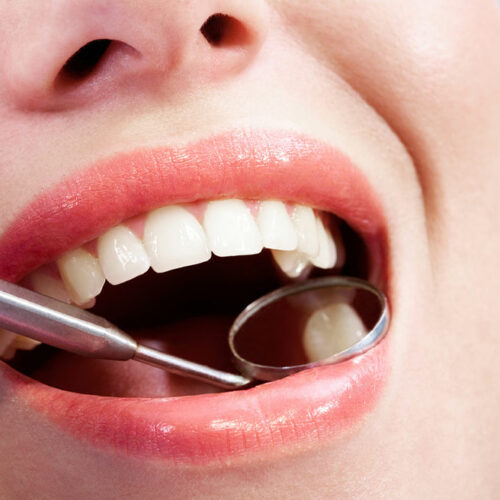
Having a sweet tooth is more common in the country than one would imagine. According to a recent survey, 59% of respondents (who snack often) in the country chose cookies as their favorite snacks, with ice cream and sweets also featuring among the top 10 picks. While desserts are instant mood enhancers, excessive sugar intake triggers several health issues, which include compromised dental health. Here are a few ways in which sugar affects oral health: Dental cavities The teeth contain two types of hard tissues—enamel and dentin. When sugar enters the mouth, it may be metabolized by oral bacteria to give rise to acid, which can demineralize the enamel and the dentin, causing cavities. Food particles may enter these cavities, leading to tooth decay and further complications. Although teeth cavities may be covered with dental fillings, this process is rather expensive, accounting for 5–10% of the healthcare budget. Plaque Plaque or tartar refers to a sticky coating of bacteria on the teeth, causing bad breath, dark stains, and hard teeth deposits. Often, tartar is formed when the molecules present in sugary foods mix with one’s saliva and oral bacteria. If left untreated, tartar may dissolve the enamel and lead to the development of dental cavities.

4 early signs of viral infections

4 early signs of viral infections
A viral infection can seem similar to a bacterial infection because of an overlap in their symptoms. However, viruses are much tinier than bacteria and need a host to survive, making treatment of viral infections differ from bacterial ones. Viruses can cause many diseases by attacking certain cells like those in the respiratory system, liver, and blood. Here are a few early signs of a viral infection that one can observe: Flu symptoms Fever, body aches, headache, and fatigue are some of the telltale signs of a viral infection like influenza. These symptoms can vary from mild to severe and may require immediate treatment. The symptoms here may develop suddenly instead of gradually, so it is important to seek a prompt diagnosis when one observes any of the abovementioned signs. Those with flu symptoms usually recover in less than two weeks, however, some people may experience serious complications like pneumonia. Upper respiratory symptoms Another common type of symptom to recognize is respiratory issues, like persistent sore throat, coughing, nasal congestion, and sneezing. Sinus or ear infections are some of the complications that can develop due to a viral infection. In severe cases, the virus can cause extreme inflammation in the respiratory system, which can lead to sepsis—the body’s extreme response to an infection.

6 foods to eat when running a fever

6 foods to eat when running a fever
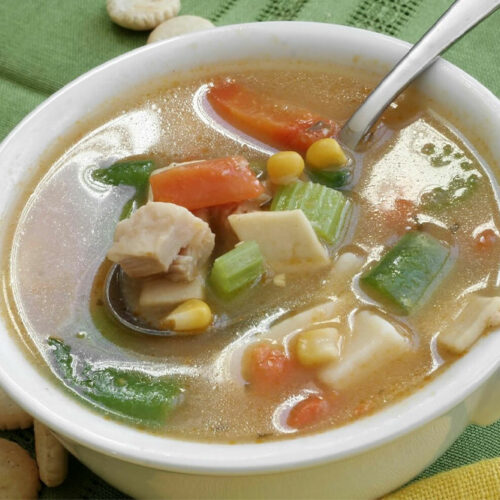
When one feels under the weather, eating the right foods may help provide relief. Even though an appetite may be close to nonexistent, one should not remain hungry, as fever burns more calories than the body does on a daily basis. Plus, when fighting off an infection, the body requires more nutrients and energy to strengthen the immune system. Hence, one must eat right and avoid certain food items to regain the lost strength. Fever – Top 6 foods to eat Even though one might not be in the mood or have an appetite when sick, one must eat nutrient-rich food to get stronger. Some of the best foods to eat during a fever are: Chicken soup A go-to meal during sickness, chicken soup has been consumed for generations. It’s not only easy to eat but also contains calories, vitamins, and minerals that the body needs while recovering from an illness. Furthermore, chicken soup is also a great source of liquids and electrolytes, which can be helpful if one is at risk of dehydration due to fever. Moreover, the broth is rich in collagen, which may promote recovery. Coconut water One of the ideal beverages to consume when sick, coconut water contains electrolytes which are needed along with fluids when one is sweating, vomiting or running a fever.

Our
Blog.

9 most common types of depression you should know about

9 most common types of depression you should know about

All of us feel low, upset, and unmotivated at some point in our life, but this isn’t classified as depression. Depression is a mood disorder that overshadows a person’s thoughts, feelings, and actions. Signs and symptoms of this grave disorder can range from feeling hopeless and tired to completely losing the will to live. There are several types of depression and they are listed below so you can understand depression and people suffering from it better. Major Depression (Clinical Depression) The hallmark trait of this type of depression is the constant feeling of sadness or loss of interest in social life or any outside stimuli. It often lasts for two weeks or more in which a person can experience symptoms such as hopelessness, fatigue, and suicidal thoughts. Dysthymia (Persistent Depressive Disorder) Dysthymia lasts for years and can disrupt daily life and interfere with personal and professional relationships. Individuals with dysthymia are often seen as dark, pessimistic, or complainers by others, and they have a hard time being happy in typically pleasant situations. Manic Depression (Bipolar Disorder) People with manic depression experience high degrees of mood swings. Their train of thought can take them from feeling euphoric to feeling suicidal in just a few weeks.
Read More
Simple and practical guide points for expecting parents

Simple and practical guide points for expecting parents

Pregnancy is a new experience in every couple’s life, and one should understand a few things to ensure that the nine months are smooth and stress-free. Simply being prepared for pregnancy and looking forward to the joy of parenthood is not all there’s to childbirth. As a couple, you must understand, review, and adjust your lifestyle. Expecting mothers become their child’s nurturers and supporters from day one, but the expecting fathers, close relatives, and friends must also understand the key roles they will play right up to the due date. Here are a few simple family and pregnancy guide points to help you and your folks get started: Staying healthy Physical and mental wellbeing is extremely crucial for the expecting mother to ensure both her and the baby’s health. Diet plays a crucial role in this process, as the mother is now providing nutrition for the developing fetus as well as herself. As a family, you can take turns to ensure that the to-be mother is staying physically active, eating healthy and regularly, and not cultivating any bad habits. More importantly, family and loved ones should be prepared for the changes to come in the upcoming trimesters. Coping with changes – what to expect Morning sickness in the first trimester is quite common and can put a woman’s body under tremendous stress.
Read More