Common signs and symptoms of tardive dyskinesia

Common signs and symptoms of tardive dyskinesia
Tardive dyskinesia is an uncommon movement disorder caused due to the side effects of treatments for schizophrenia, bipolar disorder, and other mental health conditions. It is marked by a series of involuntary body and facial movements. While not everyone who takes this sort of treatment will suffer from tardive dyskinesia, the symptoms can be permanent. It can prevent people from performing simple tasks and can interfere with their quality of life. The most common signs of tardive dyskinesia are: Orofacial dyskinesia Also called oro-bucco-lingual dyskinesia, this can cause: Uncontrolled movements of the lips, jaw, or tongue Sticking out the tongue involuntarily Rapid blinking Smacking of lips Puckering of lips Puffing of cheeks Grimacing Making fish-like mouth movements Dyskinesia of the limbs This affects the arms, legs, fingers, and toes and can cause: Wiggling of fingers Tapping of feet Flapping of arms Thrusting out of pelvis Full body swaying Fast, jerking motions of arms or legs Slow, twisting motions of arms or legs Those who suffer from tardive dyskinesia (TD) can also develop muscle spasms sometimes, where their muscles tighten and do not release. These spasms could vary in duration. One may also make involuntary grunting noises when their muscles spasm.


Top 7 lesser-known signs of multiple myeloma

Top 7 lesser-known signs of multiple myeloma
Multiple myeloma is a cancer that affects plasma cells in the bone marrow and is often misdiagnosed. While some symptoms like bone pain and fatigue are more widely recognized, there are lesser-known signs of multiple myeloma that may not immediately raise alarm bells. It’s crucial to be aware of these subtle indicators, as early detection can make a significant difference in managing this condition. So, here are 7 lesser-known signs of multiple myeloma. Frequent infections One lesser-known sign of multiple myeloma is an increased susceptibility to infections. Plasma cells play a crucial role in a person’s immune system, and when they are compromised by cancer, one’s body becomes less efficient at fighting off infections. If someone finds themselves falling ill more frequently or experiencing recurrent infections, it could be a sign that their immune system is compromised. Skin changes Multiple myeloma can sometimes lead to skin-related symptoms, including the development of small, red, or purple spots on the skin, known as petechiae. These spots are caused by bleeding under the skin and result from the cancer affecting blood clotting factors. While petechiae can have other causes, their presence, along with other concerning symptoms, should prompt a discussion with a healthcare provider.

6 common mistakes to avoid while buying pet insurance

6 common mistakes to avoid while buying pet insurance
A pet’s overall well-being is every pet parent’s ultimate desire and objective. However, life is unpredictable, and despite one’s best efforts, a pet may require healthcare assistance for health conditions, accidents, and injuries. Pet insurance helps pet owners alleviate the financial repercussions of such untoward events through financial compensation. It is advisable to opt for pet insurance from a reputed insurance company. Here are some common mistakes to avoid while securing pet insurance: Assuming that all healthcare services are covered A common mistake by pet parents is to assume that an insurance policy covers all healthcare services and requirements. For example, some insurance policies may not cover pet pregnancy-related complications, while some may exclude dental checkups and procedures. Thus, it is important for pet parents to browse the list of healthcare services a pet insurance policy includes under its hood and zero in on a policy based on this factor. Only considering the premium Although paying a high premium may burn a hole in one’s pocket, insurance policies with low premiums may sometimes not cover all the essential healthcare expenses. In such cases, one may end up spending a much higher amount at the veterinary hospital in case of a health emergency that the policy does not cover.

5 bad habits that can damage teeth

5 bad habits that can damage teeth
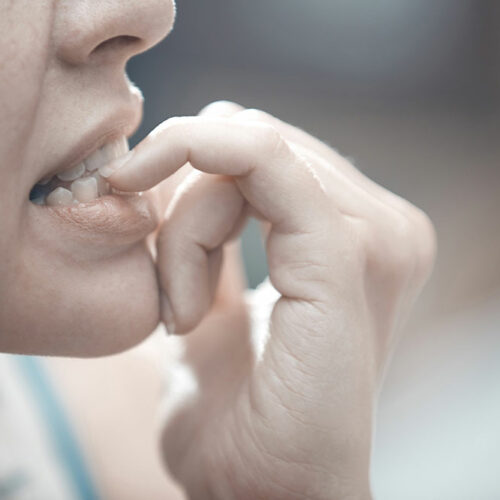
Oral health is an important part of health, so one must keep their teeth and gums clean and watch out for unusual changes. In most cases, poor oral hygiene can be easy to observe through signs like persistent bad breath. Further, some bad habits can harm the teeth and pose health risks. Even a seemingly harmless action, like biting your nails, can be a bad idea. So, here are a few habits to avoid: Chewing on ice After drinking a cold beverage, many may get used to crunching on the ice at the bottom. Though it might seem completely harmless, it can cause immense damage to the teeth. Every time you munch on ice, you risk chipping the enamel—the outermost layer of the teeth. Enamel wear can leave the teeth unprotected and can prove to be painful, requiring treatment and immediate care. Brushing too hard People who brush their teeth too hard risk irritating their gums. This can lead to problems like receding gums and erosion of tooth enamel. So, experts recommend choosing a toothbrush with soft bristles to prevent brushing your teeth too hard. Additionally, you must brush your teeth in wide yet gentle strokes to keep them clean.

5 side effects of sleep deprivation that shouldn’t be ignored

5 side effects of sleep deprivation that shouldn’t be ignored
Rest is necessary because it allows the body to repair and rejuvenate. Since sleep is the most effective form of rest, doctors recommend sleeping seven to nine hours every night. But unfortunately, as per research studies, one-third of adults in our country don’t meet this requirement. There may be several reasons for sleep deprivation. Regardless of the cause, a lack of sleep can lead to side effects that one shouldn’t ignore. Impaired cognitive function Sleep allows the brain to form new connections between nerve cells, remember and process information, and improve focus, productivity, and one’s ability to make logical decisions. A lack of sleep can severely exhaust the brain and impair cognitive function, leading to reduced coordination, delayed reactions, an unstable emotional state, and mood swings. These side effects take a toll on one’s life by increasing the risk of accidents and the probability of making errors at school and the workplace. If ignored, chronic sleep deprivation can worsen these symptoms and lead to hallucinations, anxiety, and mania. Weakened immune system The body heals and repairs itself during sleep. A lack of quality sleep can weaken a person’s immune system, making them susceptible to infections. It can also slow the recovery process from any illness.

5 social media mistakes every user should avoid

5 social media mistakes every user should avoid
Social media is both a boon and a curse. On one hand, the world has become a smaller place, with global outreach made possible by posting on social media. But on the other hand, it’s also a dangerously strong habit to form and even more difficult to shake off once you get hooked. You must also pay attention to what you’re posting, especially when something is viral or trending. Here are five common social media mistakes to avoid consciously. Using every app and platform Teens and older adults spend a couple of hours on average using apps like Instagram, Snapchat, WhatsApp, among the popular favorites. But one of the biggest social media mistakes is having an account on every platform. Remember, the number of accounts you use is directly proportional to the time spent on them daily. More accounts, more time spent from posting to replying and managing your profile. It’s a time-draining process and can be detrimental to cognitive health and psychological well-being. Deactivate your accounts from apps you don’t use actively to save time and effort. Divert your energy to do something productive. Posting about personal things Some things need to be kept out of the social worldview to ensure there is no misinformation or negative impact on your posts.

Our
Blog.

9 most common types of depression you should know about

9 most common types of depression you should know about

All of us feel low, upset, and unmotivated at some point in our life, but this isn’t classified as depression. Depression is a mood disorder that overshadows a person’s thoughts, feelings, and actions. Signs and symptoms of this grave disorder can range from feeling hopeless and tired to completely losing the will to live. There are several types of depression and they are listed below so you can understand depression and people suffering from it better. Major Depression (Clinical Depression) The hallmark trait of this type of depression is the constant feeling of sadness or loss of interest in social life or any outside stimuli. It often lasts for two weeks or more in which a person can experience symptoms such as hopelessness, fatigue, and suicidal thoughts. Dysthymia (Persistent Depressive Disorder) Dysthymia lasts for years and can disrupt daily life and interfere with personal and professional relationships. Individuals with dysthymia are often seen as dark, pessimistic, or complainers by others, and they have a hard time being happy in typically pleasant situations. Manic Depression (Bipolar Disorder) People with manic depression experience high degrees of mood swings. Their train of thought can take them from feeling euphoric to feeling suicidal in just a few weeks.
Read More
Simple and practical guide points for expecting parents

Simple and practical guide points for expecting parents

Pregnancy is a new experience in every couple’s life, and one should understand a few things to ensure that the nine months are smooth and stress-free. Simply being prepared for pregnancy and looking forward to the joy of parenthood is not all there’s to childbirth. As a couple, you must understand, review, and adjust your lifestyle. Expecting mothers become their child’s nurturers and supporters from day one, but the expecting fathers, close relatives, and friends must also understand the key roles they will play right up to the due date. Here are a few simple family and pregnancy guide points to help you and your folks get started: Staying healthy Physical and mental wellbeing is extremely crucial for the expecting mother to ensure both her and the baby’s health. Diet plays a crucial role in this process, as the mother is now providing nutrition for the developing fetus as well as herself. As a family, you can take turns to ensure that the to-be mother is staying physically active, eating healthy and regularly, and not cultivating any bad habits. More importantly, family and loved ones should be prepared for the changes to come in the upcoming trimesters. Coping with changes – what to expect Morning sickness in the first trimester is quite common and can put a woman’s body under tremendous stress.
Read More