Foods to eat to manage arthritis
Foods to eat to manage arthritis
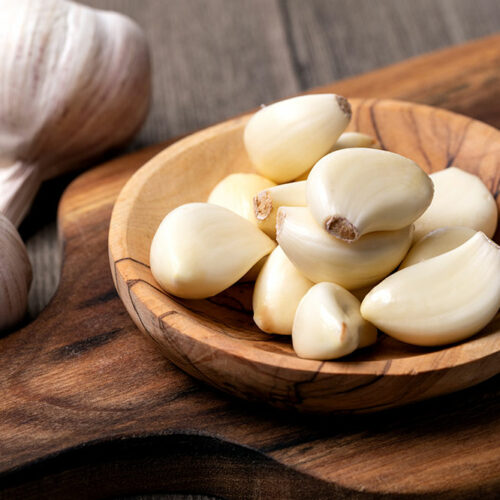
Arthritis is an inflammatory condition of the joints, and it impacts people of all ages. It is the swelling and tenderness joints and its major symptoms include joint pain, tenderness, and stiffness. That being said, those in the age group of 65 years and above tend to be more susceptible to arthritis. Fortunately, this disorder can be managed with changes in lifestyle and eating habits. The following foods can help reduce inflammation of the joints. Foods to eat Garlic Arthritis causes inflammation owing to the auto-immune response of the body. Garlic helps overcome the issue by easing the inflammation in the joints, thanks to its anti-inflammatory properties. It also contributes toward strengthening the body’s immune response. Ginger The potent spice can fight off inflammation in the body to a great extent. It is particularly effective in treating knee pain that results from osteoarthritis. It contains gingerol, a compound that actively blocks inflammatory pathways, making it easier to fight off inflammation and strengthen the immune system. Fatty fish Freshwater fish are rich in omega-3 fatty acids that help fight inflammation. This also means decreased pain in the joints. Additionally, fatty or oily fish is an equally rich source of vitamin D, making it a nutritionally rich food for those with bone-related issues.
Foods to avoid to manage depression

Foods to avoid to manage depression
Depression is a state of mind where one experiences extreme sadness and aloofness. This is characterized as a mental health illness and needs professional guidance. Going to therapy and taking medications, if prescribed, is the best way to cope with this illness. However, it is also important to look into other factors like lifestyle and nutrition. To help you, here are some foods to avoid when dealing with depression as they cause anxiety. Sugar According to studies, it is observed that having too much of sugar can cause inflammation in the body and brain. It was also observed that this inflammation is usually 30% higher in those suffering with depression. While our body may crave sugar when we’re feeling low and give an instant rush, the blood sugar crash followed by this is what destabilizes the mood. It also has an effect on energy. It is advised to maintain a healthy blood sugar level to deal with depression. Trans fats These are bad fats found in fried foods like French fries, fried chicken, fried calamari, and fried cheese sticks. According to studies, consumption of trans fats worsen depression symptoms. Apart from being bad for mental health, these foods are also responsible for clogging arteries and increasing the risk of heart diseases.

Common food allergies and their symptoms

Common food allergies and their symptoms
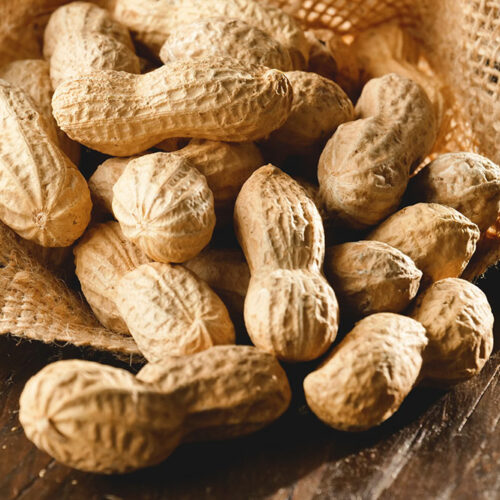
Allergies are characterized by the immune system’s abnormal reaction to harmless foreign substances like latex, pollen, and certain foods. Food allergies are quite common, making it difficult for some to enjoy a whole palate of ingredients. Fortunately, many get tested early on to understand what foods they are allergic to and even get medical help. Some develop these allergies quite later on in life. Here are some common food allergies to look out for. Common food allergies Peanuts This is one of the most common food allergies. One can expect typical allergic symptoms like rashes, hives, and swelling of the throat. However, the symptoms might be severe and cause an anaphylaxis reaction. Several people develop a peanut allergy early, so it is essential to speak to a doctor about managing it. Shellfish A protein called tropomyosin, found in marine animals, particularly shellfish like scallops, lobsters, crayfish, shrimps, and prawns, can trigger allergic reactions in some. Other proteins like arginine kinase and myosin found in these shellfish are also responsible for triggering an allergic reaction, leading to rashes, swelling, hives, or vomiting. There is no way to cure this, so the best way to manage its symptoms is for one to eliminate it from their food regimen.

6 foods that worsen atrial fibrillation

6 foods that worsen atrial fibrillation
Atrial fibrillation is a health condition that causes irregular heartbeats. If left untreated, it can lead to serious health problems such as blood clots, heart failure, stroke, and other heart-related complications. What one eats plays a huge role in regulating their heart health. While leafy greens and nuts are beneficial for the heart, some foods can cause or worsen atrial fibrillation. This article discusses 6 foods that can worsen atrial fibrillation. Read on to learn more. Beef and lamb Healthcare experts unanimously advise clients to avoid red meat to keep their hearts healthy. Beef and lamb top the list when one talks about red meat-based foods. Beef and lamb, like other red meats, tend to contain higher amounts of saturated fats than most other meat-based foods. Saturated fats raise a person’s cholesterol levels, negatively affecting their blood circulation and increasing the risk of atrial fibrillation and other heart diseases. Instead of consuming beef or lamb, one can eat plant-based protein foods to keep one’s cholesterol levels in check. Coffee Caffeine is another food that is bad for cardiovascular health. Caffeine-filled foods such as coffee and tea stimulate the body but are equally capable of triggering atrial fibrillation. Caffeine tends to increase a person’s heart rate.

Diabetic eyes – Warning signs and foods to avoid

Diabetic eyes – Warning signs and foods to avoid
Those suffering from Type 2 diabetes are at risk of being afflicted by certain eye diseases. This group of diseases includes diabetic retinopathy and diabetic macular edema. Diabetic eyes are most commonly observed in working-age patients and are known to be the leading cause of blindness in such patients. Such diseases can be avoided by taking certain precautions. In this article, we talk about the effects of diabetic eyes and foods that aggravate such issues. Warning signs Some early warning signs to look for when suspecting diabetic eye disease are, Floating spots If you observe random floating spots in your field of vision, either intermittently or continuously, these symptoms are possible signs of diabetic retinopathy or diabetic eye disease. Floating spots occur as a result of the damage caused to the blood vessels that supply nutrition to the eye as a result of high sugar. Blurred vision Blurred vision is another common symptom that can indicate the beginning of diabetic eye disease in people. Such a symptom is the result of leaking blood vessels as a result of which, the fluid in the eye becomes cloudy, leading to blurriness. Sometimes, blood vessels may also leak into the central area of the retina called the macula, leading to extremely blurred vision.

7 healthy foods to manage eosinophilic esophagitis

7 healthy foods to manage eosinophilic esophagitis
Eosinophilic esophagitis, widely known as EoE, is a chronic condition that affects the esophagus—the pipe that connects the mouth and stomach. It occurs when a large number of white blood cells named eosinophils accumulate in the lining of the esophagus, causing it to swell. Those with eosinophilic esophagitis may experience symptoms like heartburn, trouble swallowing, and chest pain, to name a few. The condition can sometimes lead to a health emergency. Top foods to have for eosinophilic esophagitis After visiting a doctor, the patient might be advised about the foods to eliminate, including all possible food allergens, and the foods that help manage the disorder better. Below are some examples of foods that one can add to their meals when dealing with the condition: Oats Instead of opting for a potential food allergen like wheat, patients can add oats to their daily food plan. Pure oats are gluten-free and provide the body with protein, fiber, and complex carbohydrates. However, when buying oats, one should carefully read through the labels and look for terms like “gluten-free” to avoid health risks. Amaranth Various studies have shown that the amaranth grain has immense nutritional benefits. It slows the body’s immunoglobulin E production, thus reducing inflammation and pain.

Our
Blog.

9 most common types of depression you should know about

9 most common types of depression you should know about

All of us feel low, upset, and unmotivated at some point in our life, but this isn’t classified as depression. Depression is a mood disorder that overshadows a person’s thoughts, feelings, and actions. Signs and symptoms of this grave disorder can range from feeling hopeless and tired to completely losing the will to live. There are several types of depression and they are listed below so you can understand depression and people suffering from it better. Major Depression (Clinical Depression) The hallmark trait of this type of depression is the constant feeling of sadness or loss of interest in social life or any outside stimuli. It often lasts for two weeks or more in which a person can experience symptoms such as hopelessness, fatigue, and suicidal thoughts. Dysthymia (Persistent Depressive Disorder) Dysthymia lasts for years and can disrupt daily life and interfere with personal and professional relationships. Individuals with dysthymia are often seen as dark, pessimistic, or complainers by others, and they have a hard time being happy in typically pleasant situations. Manic Depression (Bipolar Disorder) People with manic depression experience high degrees of mood swings. Their train of thought can take them from feeling euphoric to feeling suicidal in just a few weeks.
Read More
Simple and practical guide points for expecting parents

Simple and practical guide points for expecting parents

Pregnancy is a new experience in every couple’s life, and one should understand a few things to ensure that the nine months are smooth and stress-free. Simply being prepared for pregnancy and looking forward to the joy of parenthood is not all there’s to childbirth. As a couple, you must understand, review, and adjust your lifestyle. Expecting mothers become their child’s nurturers and supporters from day one, but the expecting fathers, close relatives, and friends must also understand the key roles they will play right up to the due date. Here are a few simple family and pregnancy guide points to help you and your folks get started: Staying healthy Physical and mental wellbeing is extremely crucial for the expecting mother to ensure both her and the baby’s health. Diet plays a crucial role in this process, as the mother is now providing nutrition for the developing fetus as well as herself. As a family, you can take turns to ensure that the to-be mother is staying physically active, eating healthy and regularly, and not cultivating any bad habits. More importantly, family and loved ones should be prepared for the changes to come in the upcoming trimesters. Coping with changes – what to expect Morning sickness in the first trimester is quite common and can put a woman’s body under tremendous stress.
Read More