5 early warning signs of hereditary angioedema

5 early warning signs of hereditary angioedema
Hereditary Angioedema or HAE, as referred by specialists, is a rare condition that is passed down genetically. It affects the immune system, causing erratic control over inflammatory responses. As a result, one might experience swelling in vital organs, primarily affecting the skin, respiration, and even the gastrointestinal tract. HAE symptoms may develop as early as puberty or later during adulthood and present moderate to severe symptoms. Here is a brief overview. Common triggers of HAE HAE can be the result of stress, anxiety, or even develop as a side effect of certain prescriptions given to manage other known conditions. Further, complications from a surgical procedure, underlying chronic illnesses, allergic reactions to certain foods or beverages, and even external environmental factors can result in the following symptoms. Skin problems Visible changes in the texture and surface of the skin are among the first signs of developing angioedema. Skin tightness and a tingling sensation are among the first signs of skin problems that one might notice. The severity of the disease progression will determine the intensity of the swelling. Initially, there is no pain, but as the symptoms persist, swelling in the hands, feet, face, mouth, genitals, and even the buttocks, where the skin will become more painful to touch.


6 mistakes that affect sleep quality

6 mistakes that affect sleep quality
Sleep is an essential component of a healthy life and overall well-being, but many overlook its importance. Getting adequate sleep ensures that the mind and body are relaxed, rejuvenated, and ready to tackle all the challenges of the day. However, getting the recommended hours of sleep at a stretch can require more than just sticking to a strict sleep schedule. Common reasons for inadequate sleep could be poor lifestyle choices. Choosing heavy meals Digestion can be an energy-consuming activity. Eating heavy meals close to bedtime can lead to acid reflux and indigestion and potentially wreck your sleep quality. It is best to have dinner at least three hours before bed and ensure that it is a light meal. Additionally, avoid caffeine and other stimulating drinks for a minimum of 5 hours before bedtime to ensure uninterrupted sleep. Engaging in stimulating activities Playing video games, watching television, and scrolling through endless social media feeds can disrupt sleep quality. These activities make it difficult for the brain to wind down and relax. So, you end up with an overactive mind when you would rather be sound asleep. So, consider avoiding screen time and extremely stimulating activities at bedtime if you are trying to improve your sleep quality and the amount of rest you get.

Avoid these 5 mistakes while attending a music festival

Avoid these 5 mistakes while attending a music festival
Imagine watching your favorite band or artist perform live while you groove to their music. Yes, attending a music event is one of the most exciting things to tick off your bucket list. However, participating in such events necessitates that attendees follow all the guidelines issued by the host. Therefore, if you have booked tickets to a concert, here are five mistakes to avoid to ensure you enjoy the event. Going alone Going alone to a concert is one of the worst mistakes an individual could make. Such events are often overcrowded, which may lead to you getting lost amidst the crowd. Moreover, individuals may also require help during concerts due to unforeseen circumstances. There are healthcare personnel and other management professionals to help individuals in such situations. However, having a friend or family member accompany you can help you be safe during the event. If you cannot find anyone to tag along with, make sure a close friend or family member is informed of your whereabouts and how to reach you in an emergency. Breaking the rules Each venue that hosts a concert provides guidelines to ensure the show runs smoothly. Therefore, while you are given the liberty to enjoy yourself to the fullest, ensure that you do so by following the rules and regulations.

Top 5 fun learning activities for kids

Top 5 fun learning activities for kids
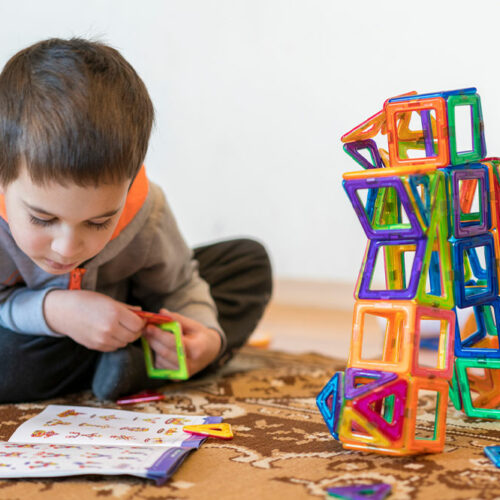
Raising kids is a hands-on activity. With short attention spans and a wide hunger to learn about the world, children are impressionable and, therefore, must be occupied with productive activities. As a parent or a guardian, it may sometimes feel impossible for you to come up with new tasks to keep your younglings busy. To help you out, here are five fun learning activities you can try to keep your kids engaged. DIY Rainstorm Help your kids create a DIY rainstorm in your home! All you need for this experiment is shaving cream, transparent glass with water, food coloring, and a dropper. Pour some water into the clear glass and add shaving cream to it. It will form a layer of ‘clouds’ over the water. Next, get your child to add the food coloring using a dropper on top of the mix, and watch as it goes through the clouds to create a little rainstorm inside your home. This activity can help improve children’s fine motor skills and prompt your children to think about what causes rain and how wind clouds form. Book Bingo Reading is one of the most rewarding activities for most children. Encourage your kid to pick up this habit for life by creating a Book Bingo, where they can earn a reward for completing books relevant to their age groups.

6 gardening mistakes to steer clear of

6 gardening mistakes to steer clear of
Nothing compares to the excitement of growing your own food, especially if it’s the first time! The idea of sowing a tiny seed and watching it develop into something that may wind up on your kitchen table will make you smile. But gardening doesn’t always turn out as expected. Most amateurs make gardening mistakes that impact their produce. Here, we’ll explain some of these mistakes and how to correct them. Too much exposure to light Plants require sunlight to grow, but too much exposure is dangerous. The leaves of a plant can grow pale, turn brown, and eventually die when exposed to direct sunlight for too long. So, shield them from excessive sunshine, especially during the hot summer. Notice how the light conditions in your garden vary as the seasons change to avoid making this typical error. Watering excessively or insufficiently Consistent watering is necessary for successful harvests. Most crops thrive when they receive roughly an inch of precipitation every week. So, get a rain gauge to track the rainfall. If your garden has stagnant water puddles, the crops might suffer, and the leaves may turn yellow. To prevent that, add several inches of organic matter to your soil. Mulching will also help maintain a stable soil moisture level.

Early signs and risk factors of deep vein thrombosis

Early signs and risk factors of deep vein thrombosis
Deep vein thrombosis, or DVT, is a condition that results from blood clots forming in one of the deep veins of the body. It is a serious condition that needs to be diagnosed as early as possible. However, only half the people with DVT experience the symptoms and early signs that can facilitate an early effective diagnosis. But those with a high risk of DVT may experience certain early signs. Early signs of deep vein thrombosis Some common early signs and symptoms of deep vein thrombosis include the following. There is swelling in one side of the ankle, foot, or leg. There is severe pain in the affected leg that causes cramping in the calf area. A person may also experience debilitating pain around the ankle or the affected foot. The skin around the area where clotting has started feels warmer. The skin around and over the affected area starts to appear reddish or blushing and looks pale. When the blood starts to clot in the upper body, especially in one of the arms, a person may experience the following early signs of deep vein thrombosis. There is pain in the neck. There is discomfort or pain in the shoulder of the affected arm.

Our
Blog.

9 most common types of depression you should know about

9 most common types of depression you should know about

All of us feel low, upset, and unmotivated at some point in our life, but this isn’t classified as depression. Depression is a mood disorder that overshadows a person’s thoughts, feelings, and actions. Signs and symptoms of this grave disorder can range from feeling hopeless and tired to completely losing the will to live. There are several types of depression and they are listed below so you can understand depression and people suffering from it better. Major Depression (Clinical Depression) The hallmark trait of this type of depression is the constant feeling of sadness or loss of interest in social life or any outside stimuli. It often lasts for two weeks or more in which a person can experience symptoms such as hopelessness, fatigue, and suicidal thoughts. Dysthymia (Persistent Depressive Disorder) Dysthymia lasts for years and can disrupt daily life and interfere with personal and professional relationships. Individuals with dysthymia are often seen as dark, pessimistic, or complainers by others, and they have a hard time being happy in typically pleasant situations. Manic Depression (Bipolar Disorder) People with manic depression experience high degrees of mood swings. Their train of thought can take them from feeling euphoric to feeling suicidal in just a few weeks.
Read More
Simple and practical guide points for expecting parents

Simple and practical guide points for expecting parents

Pregnancy is a new experience in every couple’s life, and one should understand a few things to ensure that the nine months are smooth and stress-free. Simply being prepared for pregnancy and looking forward to the joy of parenthood is not all there’s to childbirth. As a couple, you must understand, review, and adjust your lifestyle. Expecting mothers become their child’s nurturers and supporters from day one, but the expecting fathers, close relatives, and friends must also understand the key roles they will play right up to the due date. Here are a few simple family and pregnancy guide points to help you and your folks get started: Staying healthy Physical and mental wellbeing is extremely crucial for the expecting mother to ensure both her and the baby’s health. Diet plays a crucial role in this process, as the mother is now providing nutrition for the developing fetus as well as herself. As a family, you can take turns to ensure that the to-be mother is staying physically active, eating healthy and regularly, and not cultivating any bad habits. More importantly, family and loved ones should be prepared for the changes to come in the upcoming trimesters. Coping with changes – what to expect Morning sickness in the first trimester is quite common and can put a woman’s body under tremendous stress.
Read More