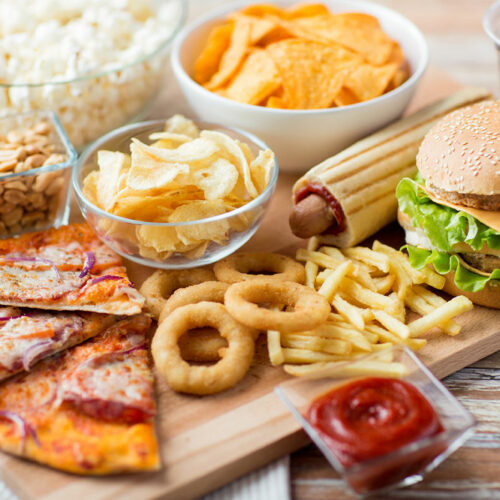
4 high-cholesterol foods to avoid

4 high-cholesterol foods to avoid
Cholesterol is a waxy substance found in our body that settles in the arteries. There are two types of cholesterol: LDL or low-density lipoprotein and HDL or high-density lipoprotein. Out of the two, LDL is bad, while HDL is good as it helps in excreting excess cholesterol from the body. Here are some foods that you should exclude from your nutritional regime to maintain good cholesterol health for a healthy life. Fried foods All fried foods are known to have trans fat, which can be harmful to your health and also increase the risk of getting heart disease. The consumption of fried foods has also been linked to increased risk of diabetes and obesity. Foods like deep-fried meats and cheese sticks should be avoided due to their high cholesterol content. Fast food Consuming too much fast food has been linked with an increased risk of several chronic diseases, including heart illness, diabetes, and even obesity. It is observed that those who consume fast food very often are known to have irregular sugar levels, higher levels of inflammation, and visible belly fat. Even with exercise, it is important to consume a nutritious meal instead of fried and fast food. Desserts Having a sweet tooth has some disadvantages, including risking your cholesterol levels.


7 interesting facts about arthritis

7 interesting facts about arthritis
Arthritis is a medical condition that leads to inflammation and pain in one or more joints. The ailment reduces body movement due to the severe pain caused when there’s friction between the bones connected by the affected joint. A vast majority of the population suffers from this disease, which underlines the importance of having complete knowledge about it. On that note, here are seven interesting facts to get you started: Arthritis affects everyone, not just the elderly While older people are more susceptible to developing arthritis, children, youngsters, and adults aren’t exactly immune to the disease. As of March 2019, close to 300,000 children were diagnosed with some form of arthritis, and conservative estimates predicted the number to increase in every age group by 2040. There are over 100 types of arthritis Unlike most diseases, arthritis doesn’t have a fixed form and can develop in different ways. Some types of arthritis are more common than others, with rheumatoid arthritis, osteoarthritis, and gout being among the commonly diagnosed forms. Juvenile rheumatoid arthritis, psoriatic arthritis, and seronegative arthritis are the other commonly occurring forms of arthritis. Climate doesn’t affect arthritis It has often been claimed that warm weather conditions reduce arthritis pain and the inflammation associated with the condition.

Managing multiple sclerosis – Foods to avoid

Managing multiple sclerosis – Foods to avoid
Multiple sclerosis is a condition that is triggered by external forces. It causes the immune system to attack the nerves of the body, making it difficult for the messages to be carried from the brain to different body parts. This leads to the inability to continue with day-to-day activities. There is no cure for this disease yet, but avoiding certain foods and changing lifestyle habits may help manage the illness and its symptoms. Foods to avoid to manage multiple sclerosis Food is an essential source of energy and nutrition. It provides the body with vitamins and minerals that help fight against diseases and bacteria. Even though there are no proper guidelines that multiple sclerosis patients can follow, avoiding certain foods can help them manage their symptoms better. Let’s look at some of them: Foods with saturated fats Some of the significant sources of saturated fats are animal products and other by-products such as dairy and red meat, which have also been linked to various heart diseases and inflammation. A recent study also pointed out that foods containing high amounts of saturated fats are connected to the relapsing Multiple sclerosis symptoms. Hence it is advised to steer clear of them. Processed foods Processed foods usually contain additives to increase their shelf life.

4 bad habits that could lead to kidney failure

4 bad habits that could lead to kidney failure
The kidneys are vital organs that help remove waste and excess fluid from the bloodstream. Kidney failure is a severe disorder where the kidneys lose their ability to function correctly, leading to a buildup of toxins in the body. To prevent this condition, individuals must follow healthy lifestyle practices and avoid anything that can harm these organs. Several bad habits can lead to kidney failure, the most common ones being: Poor food choices Processed foods have a lot of sodium and sugar, which can strain the kidneys. It can lead to high blood pressure, diabetes, and other ailments that increase the risk of kidney disease. Processed foods also have phosphorus, another component that can harm the organ. Besides processed foods, individuals should avoid eating too much meat. High amounts of animal protein can cause excess acid production in the blood, leading to a kidney disorder called acidosis. While protein is essential for a healthy body, individuals should speak to a nutritionist to learn about the right kind of protein and the maximum quantity that can be safely consumed in a day. Experts recommend a meal plan rich in fresh fruits, vegetables, whole grains, lean protein, and good fats to keep the kidneys healthy.

6 questions to ask a gastroenterologist

6 questions to ask a gastroenterologist
Digestion is a necessary and continuous body process facilitating nutrient absorption and expulsion of waste from the body. Consequently, problems with the digestive system can lead to issues like diarrhea, constipation, and nausea and eventually trigger conditions like irritable bowel disease (IBD). A gastroenterologist understands such issues and suggests treatment courses or remedies to heal digestion problems. This article provides an insight into some uncomfortable questions one should ask a gastroenterologist: What is the underlying cause of my condition? While several effective treatment options exist for various digestive disorders, symptom control is only a part of healing from such problems. The other part is understanding their underlying causes and addressing the issues. For example, a person may be intolerant to gluten, which may trigger problems like celiac disease. For example, a meal plan high in inflammation-causing foods may have led to the developing of an IBD-related condition. Thus, understanding the root cause is the first step to finding a long-term solution to a digestion issue. Will I need to undergo a colonoscopy or endoscopy? Sometimes, a colonoscopy or endoscopy is required to examine the exact issue in the digestive tract. These tests give doctors a clearer idea of the condition and help with timely diagnosis and treatment.

Understanding the Basics About Cancer

Understanding the Basics About Cancer
https://www.cancer.gov/about-cancer/causes-prevention/risk https://www.cancer.gov/about-cancer/causes-prevention https://www.cancer.org/latest-news/facts-and-figures-2019.html https://www.cancer.gov/about-cancer/diagnosis-staging/staging In 25 years, the United States has seen a 27% decline in the number of deaths caused by cancer. This steep decline is due to the reduction in the number of people smoking habitually and advances in technology. But, what has also helped is people staying informed and aware about the disease. Recognizing the signs and symptoms is very important for getting treatment at the right time. So, here’s everything you need to know about cancer. Cancer — What is it? For starters, cancer is not a single disease but rather a bunch of diseases. The cells in the human body are always growing and multiplying, the old ones die and are replaced with the new ones. In the case of cancer, this is what happens, except the cells that are multiplying and replacing the dead cells are abnormal in nature. When these abnormal cells spread to the surrounding tissue, they are called tumors. There are two types of tumors that are present in the body: benign and malignant. The tumors that are cancerous in nature are malignant, which means that they spread not only to the surrounding tissue but also spread to other organs of the body.

Our
Blog.

9 most common types of depression you should know about

9 most common types of depression you should know about

All of us feel low, upset, and unmotivated at some point in our life, but this isn’t classified as depression. Depression is a mood disorder that overshadows a person’s thoughts, feelings, and actions. Signs and symptoms of this grave disorder can range from feeling hopeless and tired to completely losing the will to live. There are several types of depression and they are listed below so you can understand depression and people suffering from it better. Major Depression (Clinical Depression) The hallmark trait of this type of depression is the constant feeling of sadness or loss of interest in social life or any outside stimuli. It often lasts for two weeks or more in which a person can experience symptoms such as hopelessness, fatigue, and suicidal thoughts. Dysthymia (Persistent Depressive Disorder) Dysthymia lasts for years and can disrupt daily life and interfere with personal and professional relationships. Individuals with dysthymia are often seen as dark, pessimistic, or complainers by others, and they have a hard time being happy in typically pleasant situations. Manic Depression (Bipolar Disorder) People with manic depression experience high degrees of mood swings. Their train of thought can take them from feeling euphoric to feeling suicidal in just a few weeks.
Read More
Simple and practical guide points for expecting parents

Simple and practical guide points for expecting parents

Pregnancy is a new experience in every couple’s life, and one should understand a few things to ensure that the nine months are smooth and stress-free. Simply being prepared for pregnancy and looking forward to the joy of parenthood is not all there’s to childbirth. As a couple, you must understand, review, and adjust your lifestyle. Expecting mothers become their child’s nurturers and supporters from day one, but the expecting fathers, close relatives, and friends must also understand the key roles they will play right up to the due date. Here are a few simple family and pregnancy guide points to help you and your folks get started: Staying healthy Physical and mental wellbeing is extremely crucial for the expecting mother to ensure both her and the baby’s health. Diet plays a crucial role in this process, as the mother is now providing nutrition for the developing fetus as well as herself. As a family, you can take turns to ensure that the to-be mother is staying physically active, eating healthy and regularly, and not cultivating any bad habits. More importantly, family and loved ones should be prepared for the changes to come in the upcoming trimesters. Coping with changes – what to expect Morning sickness in the first trimester is quite common and can put a woman’s body under tremendous stress.
Read More