Foods to help manage pulmonary fibrosis symptoms
Foods to help manage pulmonary fibrosis symptoms
The lung is entirely made of porous sponge-like tissue, which is designed to absorb oxygen. Pulmonary fibrosis results in the scarring of the tissue and causes respiratory problems. Idiopathic Pulmonary Fibrosis (IPF) is the most common form diagnosed among adults and currently there is no cure for it. The condition can be, at best, managed with healthy lifestyle habits, changes in food habits, and by exploring Esbriet® as a medication option for pulmonary fibrosis. Early Signs of Pulmonary Fibrosis One of the more obvious signs is shortness of breath that results in shallow breathing. A persistent dry cough could indicate the condition’s progress. Unexplained fatigue even after a good day or night of rest. Unexpected weight loss even if there have been no sudden changes in daily food regime. Best Foods for Pulmonary Fibrosis Foods rich in protein Lean meats and seafood options can provide proteins necessary for maintaining lung heath. Further, assorted nuts and seeds like almonds, walnuts, flax seeds, and chia seeds are also protein-rich choices that can provide healthy calories and essential nutrients to boost immunity. Foods rich in antioxidants Antioxidants help combat the oxidative stress that results in healthy tissue damage. One must eat vegetables like leafy greens, Brussels sprouts, carrots, squash, bell peppers, cabbage, and broccoli.


5 foods that help manage rheumatoid arthritis

5 foods that help manage rheumatoid arthritis
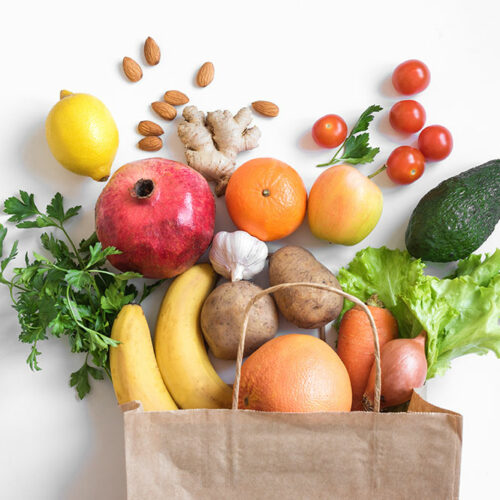
Rheumatoid arthritis is a chronic, autoimmune condition characterized by joint pain caused by inflammation. It can affect people of all ages and gender. However, those above 65 are more susceptible to this inflammatory disorder. Research suggests that at least 49 percent of those diagnosed with arthritis are over 65. Apart from taking medications to manage the condition, adding the following foods to one’s meal regimen can help keep arthritis symptoms at bay. Foods to eat Here is a list of foods to manage rheumatoid arthritis: Garlic Garlic is not only a taste-enhancing root vegetable but also a great anti-inflammatory agent that can help fight symptoms of arthritis. The inflammation caused by arthritis is due to its auto-immune response toward the body. Garlic helps in strengthening the immune system, thereby reducing the inflammation in the joints. It is also believed to reduce the risk of osteoarthritis by preventing cartilage damage due to pro-inflammatory cytokines in the body. Ginger Ginger, like garlic, is used as a flavor enhancer in several savory and sweet recipes. It has specifically proven to be effective in treating knee pain caused by osteoarthritis. It contains chemicals like shogaol and gingerol that help block inflammatory pathways, thereby relieving inflammation and improving overall immunity.

7 foods that help manage an overactive bladder

7 foods that help manage an overactive bladder
Overactive bladder, also popularly known as OAB, is characterized by a frequent and sudden urge to urinate. Individuals with this health condition often face urinary incontinence and visit the bathroom very often. Thankfully, OAB can be tackled in many ways, including physical therapy, certain foods, and other methods. This article lists seven healthy food options that can help improve bladder health considerably and relieve the symptoms of an overactive bladder. Bananas Bananas can help improve bladder function. Most fruits are high in fiber and contain lots of antioxidants that are good for the body. Bananas are loaded with fiber and are rich on potassium, which are great for the urinary tract. They also regulate bowel movement and help relieve pressure on urine flow. Berries Cranberries have compounds that help prevent the build-up of bacteria in the urinary tract. On the other hand, blueberries are rich in antioxidants that keep the urinary tract healthy. However, patients must eat berries in moderation. Cauliflower Cauliflower has several healthy elements, such as vitamin C, folate, and fiber. The cruciferous vegetable also contains compounds called indoles, which help control inflammation in the urinary tract and promote bladder health. Water Many think that drinking less water is the solution to an overactive bladder.

5 foods that help manage cholesterol levels

5 foods that help manage cholesterol levels
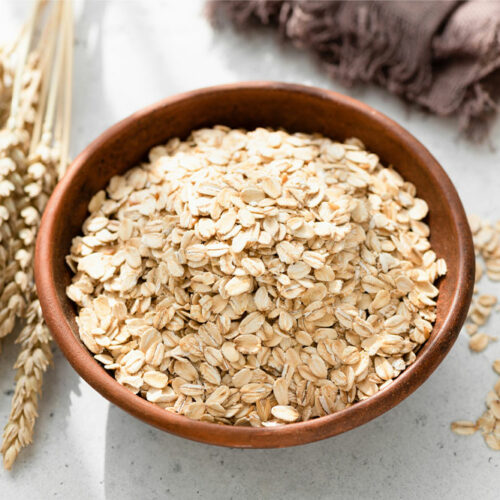
Cholesterol is a waxy substance produced by the body and is also naturally present in certain foods. When found in excess, it can take up space in the arteries, narrowing them and constricting blood flow. There are two types of cholesterol: HDL (good cholesterol) and LDL (bad cholesterol). The latter is harmful and gets deposited in the bloodstream, increasing the heart disease risk. Below are five foods to lower cholesterol levels in the body. Oats Oats are a great staple food option for cholesterol as they are packed with soluble fiber. Research shows that soluble fiber helps reduce LDL cholesterol by preventing it from getting absorbed into the bloodstream. Individuals can eat oats for breakfast and even other meals by mixing different fruits. Besides oats, other food options rich in soluble fiber include kidney beans, Brussels sprouts, and pears. Avocados Apart from being a great spread, avocados help improve LDL levels because they have monounsaturated fatty acids. Moreover, avocados are considered heart-healthy when combined with options like whole-wheat bread, whole-wheat chips, or when used with raw vegetables. Fish Fatty fish like mackerel, herring, tuna, salmon, and trout are rich in omega-3 fatty acids, which can help reduce triglycerides – a type of fat in the blood.

Top 4 foods that help manage seizures

Top 4 foods that help manage seizures
Seizures are characterized by sudden and uncontrolled electrical disturbances in the brain. Studies suggest that there are ways to manage seizures. These include making certain changes in eating habits and lifestyle. Just like doing regular exercise is vital for overall well-being, a wholesome, nutrient-dense healthy food regimen is essential for the proper functioning of the body. This article lists those foods that can help decrease the intensity, frequency, and duration of seizures. Fluids like water Hydration is key to staying well and managing seizures better. Having the right amount of fluids, especially water, is said to have a great impact on the health and lifestyle of patients that experience seizures. Additionally, it is also a crucial part of a balanced and nourishing meal regimen. Keeping well-hydrated ensures that the body and blood have enough nutrients and oxygen to carry out their day-to-day functions and transfer nutrients to the brain and body without delay. Healthy fat sources like nuts Healthy fats or mono and polyunsaturated fatty acids found in avocados and fish are responsible for the increase in the amount of healthy or HDL levels in the body. Having enough healthy fats is crucial, as they play an important part in the production and distribution of micronutrients, vitamins, as well as various hormones in the body.

4 foods that help keep GERD at bay

4 foods that help keep GERD at bay
GERD, or gastroesophageal reflux disease, is a chronic acid reflux condition in which stomach acid repeatedly flows back into the tube connecting the mouth and stomach. This acid reflux can irritate the esophagus lining, causing other health complications. While it is common to experience acid reflux sometimes, it is still recommended to see a doctor. It is also essential to be careful of food choices, so here are some foods which keep GERD at bay. Ginger Known for its medicinal properties, ginger is one of the best herbs to consider when managing acid reflux. It is alkaline and is also known for its anti-inflammatory properties, making it a great choice of ingredient to add to vegetables, soups, and tea. It is learned that acid reflux also often happens due to an inflammation in the lower esophageal sphincter muscle, so ginger can provide some relief. Some ways to incorporate this in meals include adding crushed ginger to cooked vegetables, ginger paste, or even sliced ginger to soup and boiling a broth with this ingredient. Ginger tea is another clever way of getting the ingredient benefits without chewing on it by simply sipping on this hot brew slowly in the morning or evening.

Our
Blog.

9 most common types of depression you should know about

9 most common types of depression you should know about

All of us feel low, upset, and unmotivated at some point in our life, but this isn’t classified as depression. Depression is a mood disorder that overshadows a person’s thoughts, feelings, and actions. Signs and symptoms of this grave disorder can range from feeling hopeless and tired to completely losing the will to live. There are several types of depression and they are listed below so you can understand depression and people suffering from it better. Major Depression (Clinical Depression) The hallmark trait of this type of depression is the constant feeling of sadness or loss of interest in social life or any outside stimuli. It often lasts for two weeks or more in which a person can experience symptoms such as hopelessness, fatigue, and suicidal thoughts. Dysthymia (Persistent Depressive Disorder) Dysthymia lasts for years and can disrupt daily life and interfere with personal and professional relationships. Individuals with dysthymia are often seen as dark, pessimistic, or complainers by others, and they have a hard time being happy in typically pleasant situations. Manic Depression (Bipolar Disorder) People with manic depression experience high degrees of mood swings. Their train of thought can take them from feeling euphoric to feeling suicidal in just a few weeks.
Read More
Simple and practical guide points for expecting parents

Simple and practical guide points for expecting parents

Pregnancy is a new experience in every couple’s life, and one should understand a few things to ensure that the nine months are smooth and stress-free. Simply being prepared for pregnancy and looking forward to the joy of parenthood is not all there’s to childbirth. As a couple, you must understand, review, and adjust your lifestyle. Expecting mothers become their child’s nurturers and supporters from day one, but the expecting fathers, close relatives, and friends must also understand the key roles they will play right up to the due date. Here are a few simple family and pregnancy guide points to help you and your folks get started: Staying healthy Physical and mental wellbeing is extremely crucial for the expecting mother to ensure both her and the baby’s health. Diet plays a crucial role in this process, as the mother is now providing nutrition for the developing fetus as well as herself. As a family, you can take turns to ensure that the to-be mother is staying physically active, eating healthy and regularly, and not cultivating any bad habits. More importantly, family and loved ones should be prepared for the changes to come in the upcoming trimesters. Coping with changes – what to expect Morning sickness in the first trimester is quite common and can put a woman’s body under tremendous stress.
Read More