These foods can increase the risk of Alzheimer’s

These foods can increase the risk of Alzheimer’s
Alzheimer’s is a progressive neurological disorder that can cause dementia. The condition can deteriorate one’s ability to think and affect their ability to execute daily tasks independently. Multiple risk factors can trigger Alzheimer’s, including a person’s age, genetics, and sex. Furthermore, one study indicates that the food we eat plays a significant role in developing the disease. Therefore, in this article, we will talk about the research on the link between foods and Alzheimer’s disease. The study The study was based on multiple parameters, such as the following: It was conducted with over 200 people. An average of 78 people of the 200 were living with dementia. The group was compared with another group of 118 individuals of the same age. The latter had no symptoms of the disorder. Patients were given a medical checkup every two to three years. The study group was asked to complete food questionnaires that recorded the foods they ate. The questionnaire further recorded their food consumption frequency for the past five years. The findings of the study There were two significant findings resulting from this study that showed why foods harmed those at risk of the disease. The findings were as follows: Midlife changes in eating habits The questionnaire pointed out that people who indulged in new food choices in their midlife were more susceptible to brain disease.


foods that can exacerbate asthma

foods that can exacerbate asthma
Foods that can exacerbate asthma There are no specific guidelines related to food that can help cure asthma. However, there are changes that can be made to eating patterns and preferences that can help better manage the condition. Healthy food choices can help lower the frequency of flare-ups. Well-balanced meals are of course a helping hand in this journey. But at the same time, it is equally important to be aware of foods that need to be avoided: Soy: The American Academy of Allergy, Asthma, and Immunology has listed it along with other common foods that cause intolerance or result in allergic reactions. If one has a known allergy to soy, it can also lead to a flare-up in asthma symptoms. It is, therefore, best to avoid soy. Dried fruits: Dried fruits are packed with nutrients that help nourish the body. But, at the same time, they are also concentrated sources of sulfites. It is useful in the preservation of dried fruit but can prove to be an aggravator of symptoms for people with asthma. Beans: Beans are often associated with foods that caused gastric discomfort and result in acid reflux, gas, and/or bloating. All of this results in tightness of the chest and pressure over the diaphragm.

9 relaxation techniques to alleviate headaches

9 relaxation techniques to alleviate headaches
Most individuals experience headaches at some point in their lives. The condition can result in a pain that could be dull, sharp, constant, or throbbing. Also, there are different types of headaches that have multiple symptoms. While a permanent cure for headaches is yet to be determined, there are ways to help manage the condition. One can also combine these relaxation techniques with treatments to relieve headaches. Given below are a few that might help: Indulge in yoga Yoga is an ancient technique that combines calming meditation and breathing with body poses. Together, these aspects help individuals stretch and strengthen their tendons and muscles. Yoga can also reduce the frequency and pain of certain headaches. However, we recommend working with a professional yoga instructor to avoid unwanted muscle strains. Use a cold pack People suffering from migraines should apply a cold pack to their forehead. They can wrap a bag of frozen vegetables or ice cubes in a towel or have a cold shower to ease pains caused by migraines. They should keep the compress on their head for about 15 minutes, followed by an interval of 15 minutes before re-applying the pack. Be open to biofeedback The biofeedback technique utilizes electronic devices to measure an individual’s heart rate, breathing rate, skin perspiration, muscle tension, and other physical responses.

Foods to eat to manage arthritis

Foods to eat to manage arthritis
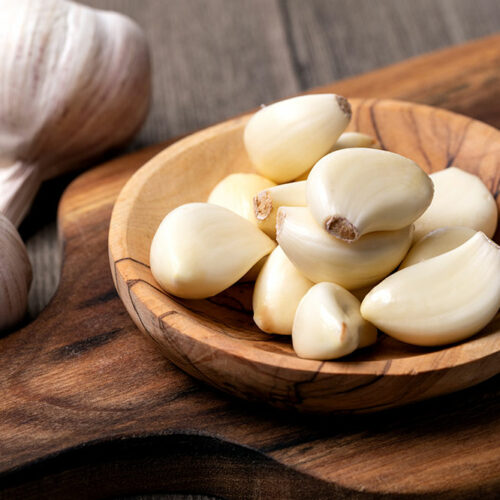
Arthritis is an inflammatory condition of the joints, and it impacts people of all ages. It is the swelling and tenderness joints and its major symptoms include joint pain, tenderness, and stiffness. That being said, those in the age group of 65 years and above tend to be more susceptible to arthritis. Fortunately, this disorder can be managed with changes in lifestyle and eating habits. The following foods can help reduce inflammation of the joints. Foods to eat Garlic Arthritis causes inflammation owing to the auto-immune response of the body. Garlic helps overcome the issue by easing the inflammation in the joints, thanks to its anti-inflammatory properties. It also contributes toward strengthening the body’s immune response. Ginger The potent spice can fight off inflammation in the body to a great extent. It is particularly effective in treating knee pain that results from osteoarthritis. It contains gingerol, a compound that actively blocks inflammatory pathways, making it easier to fight off inflammation and strengthen the immune system. Fatty fish Freshwater fish are rich in omega-3 fatty acids that help fight inflammation. This also means decreased pain in the joints. Additionally, fatty or oily fish is an equally rich source of vitamin D, making it a nutritionally rich food for those with bone-related issues.

4 dog treats made from human foods

4 dog treats made from human foods
It’s well known that our furry best friends absolutely love their treats! But what are some human foods that make for yummy and healthy treats for them? We’ve got some food options that you can explore that are completely safe to give to your dog. These foods can be a delightful surprise for your pet apart from their regular treats. What’s more! They are easy to make and will keep them full in between meals. Vegetables You would be surprised to know how much these puppies love a well-made veggie treat! Carrots, broccoli, pumpkin, cauliflower, and green peas make for yummy treats that are nutritious for your dog. You can steam these veggies until they are soft, add them to their regular meals, or even give them separately. Chicken This shouldn’t come as a surprise! Dogs love chicken. While boiled chicken and rice are a healthy and nutritious combination, add a few condiments to this mix to bring out the flavor of the treat. Adding half a cup of homemade chicken stock along with your pup’s favorite veggies will make this a nutritious and satiating meal. Fish Make sure you are only experimenting with salmon, as that’s the safest option for your pet.

6 common signs of atrial fibrillation

6 common signs of atrial fibrillation
Atrial fibrillation, or AFib, is an irregular and abnormal heartbeat. Here, the upper chambers of the heart start beating out of sync, causing rapid contractions of the heart muscle up to 400 beats per minute. Contractions regulate the blood flow to and from the organ, so when dealing with AFib, blood can accumulate, causing various issues that require immediate treatment. So, one should keep an eye out for the following common signs of atrial fibrillation: Palpitations Atrial fibrillation primarily affects the regular heart rate, making the heartbeat race and pound against the rib cage. Those affected often experience a fluttering or pounding sensation in the heart and could describe the palpitations as the heart audibly skipping a beat. This sensation is extremely noticeable and is different from the normal palpitations one experiences due to anxiety or stress. The palpitations can develop erratically without any prior warning and can vary in intensity from person to person. Shortness of breath Breathlessness is a common symptom that overlaps with many known cardiovascular and respiratory issues. The heart is responsible for pumping freshly oxygenated blood from the lungs to other organs and extremities of the body. However, atrial fibrillation results in erratic circulation that could lead to shortness of breath.

Our
Blog.

9 most common types of depression you should know about

9 most common types of depression you should know about

All of us feel low, upset, and unmotivated at some point in our life, but this isn’t classified as depression. Depression is a mood disorder that overshadows a person’s thoughts, feelings, and actions. Signs and symptoms of this grave disorder can range from feeling hopeless and tired to completely losing the will to live. There are several types of depression and they are listed below so you can understand depression and people suffering from it better. Major Depression (Clinical Depression) The hallmark trait of this type of depression is the constant feeling of sadness or loss of interest in social life or any outside stimuli. It often lasts for two weeks or more in which a person can experience symptoms such as hopelessness, fatigue, and suicidal thoughts. Dysthymia (Persistent Depressive Disorder) Dysthymia lasts for years and can disrupt daily life and interfere with personal and professional relationships. Individuals with dysthymia are often seen as dark, pessimistic, or complainers by others, and they have a hard time being happy in typically pleasant situations. Manic Depression (Bipolar Disorder) People with manic depression experience high degrees of mood swings. Their train of thought can take them from feeling euphoric to feeling suicidal in just a few weeks.
Read More
Simple and practical guide points for expecting parents

Simple and practical guide points for expecting parents

Pregnancy is a new experience in every couple’s life, and one should understand a few things to ensure that the nine months are smooth and stress-free. Simply being prepared for pregnancy and looking forward to the joy of parenthood is not all there’s to childbirth. As a couple, you must understand, review, and adjust your lifestyle. Expecting mothers become their child’s nurturers and supporters from day one, but the expecting fathers, close relatives, and friends must also understand the key roles they will play right up to the due date. Here are a few simple family and pregnancy guide points to help you and your folks get started: Staying healthy Physical and mental wellbeing is extremely crucial for the expecting mother to ensure both her and the baby’s health. Diet plays a crucial role in this process, as the mother is now providing nutrition for the developing fetus as well as herself. As a family, you can take turns to ensure that the to-be mother is staying physically active, eating healthy and regularly, and not cultivating any bad habits. More importantly, family and loved ones should be prepared for the changes to come in the upcoming trimesters. Coping with changes – what to expect Morning sickness in the first trimester is quite common and can put a woman’s body under tremendous stress.
Read More