6 mistakes to avoid while wearing contact lenses
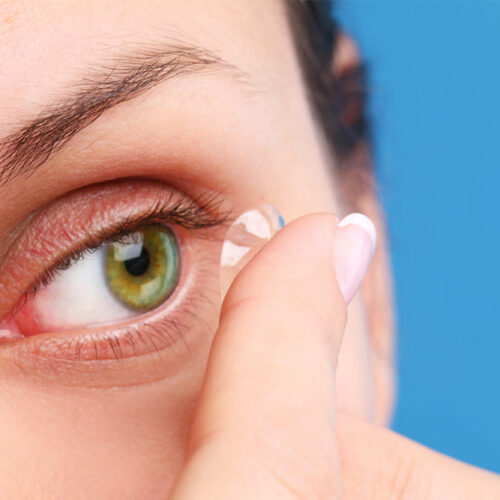
6 mistakes to avoid while wearing contact lenses
Environmental pollutants, genetics, injuries, age, and other factors can affect one’s eyesight. Luckily, several visual aids are available in the market to help people see better, contact lenses being a popular choice. These lenses are placed over the eye’s cornea to correct refractive errors. Some people also wear them for cosmetic purposes. In either case, one should avoid the following mistakes while wearing contact lenses to ensure they work well and don’t cause complications. Sleeping with contact lenses When one sleeps, the body works to recover and rejuvenate organs, including the eyes, from the stressful situations that may have occurred during the day. Sleeping with contact lenses can interfere with this function. Moreover, when closed, the eyes don’t receive sufficient oxygen to fight germs, and wearing contact lenses may block the oxygen supply further. Not cleaning the lenses Some people don’t clean their contacts for days. This is a terrible mistake that can lead to bacteria settling on them. When such lenses are worn, they can increase the risk of infection and inflammation. They can also lead to keratitis, a painful eye infection of the cornea. One must clean their contact lenses regularly and ensure they are hygienic when placed on each eye.

Common early warning signs of lymphoma

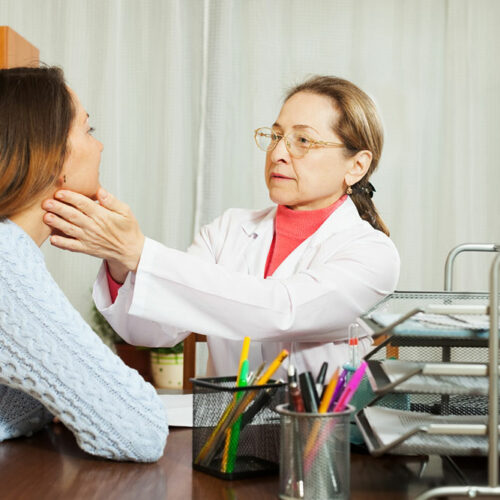
Common early warning signs of lymphoma
Lymphoma is a type of cancer affecting the body’s lymph system. This system comprises organs and tissues that help maintain good health and fight infections. Lymph nodes are essential organs of the lymph system affected by the condition. These nodes hold special white blood cells, which keep immunity strong. There are two types of lymphoma, and the symptoms vary according to the type. Here are some early signs and symptoms to never ignore. Swollen or enlarged lymph nodes Both types of lymphoma, Hodgkin and non-Hodgkin, trigger a common symptom: swollen or enlarged lymph nodes. Lymph nodes circulate lymph fluid to the entire body. This fluid contains immune cells crucial in keeping one healthy and performing other vital functions. There are around 600 lymph nodes in the body, which can get swollen or enlarged with lymphoma. However, the lymph nodes in the underarm area, above the collarbone, in the groin region, and at the side of the neck are often affected when someone develops the condition. Although lymph node swelling is an essential sign of lymphoma, it may sometimes be associated with another non-cancerous infection. Hence, individuals must consult a healthcare professional for a diagnosis before jumping to conclusions. The other symptoms of lymphoma can vary depending on the type and location of the cancer.

14 warning signs of a seizure

14 warning signs of a seizure
Seizures are sudden and uncontrolled electrical disturbances in the brain. These disturbances can cause unusual sensations and behavior and loss of consciousness. The condition can affect people of all ages, but the symptoms may vary depending on the type of seizure the person is experiencing. While some seizures are harmless, others might end up being fatal. So, individuals must be aware of the disorder’s warning signs and visit a health expert if they occur. Convulsions Convulsions or uncontrolled, jerky movements are the most common symptom. These movements are usually seen in the arms and legs but can also affect the face, neck, and other body parts. The movements can be irregular or in rhythm and may last from a few seconds to a few minutes. Loss of consciousness During a seizure, the patient might become unresponsive to visual stimuli, appear dazed or confused, and stare blankly. In some cases, one might also fall to the ground unresponsive. Muscle stiffness Seizures can, at times, lead to muscle stiffness or soreness. This symptom is more common in people experiencing grand mal seizures, also known as tonic-clonic seizures. Muscle stiffness might cause the person to fall to the ground. Sensory disturbances Seizures may also lead to sensory disturbances, such as numbness and tingling in the upper and lower limbs and the face.

4 mistakes that could make eczema worse

4 mistakes that could make eczema worse
Itchy, dry, inflamed skin is a common symptom experienced by people with eczema. The most prevalent type of eczema, known as atopic dermatitis, affects almost 18 million people in the country, and it causes red, itchy, and scaly areas of skin all over the body. Effective prescription treatments can be employed in treating eczema, but it is also important to safeguard and hydrate a person’s skin throughout the day. Unfortunately, some of our daily lifestyle practices and inclinations may aggravate eczema symptoms. One may not even be aware of the harm they’re causing to their skin. Stay away from these common eczema mistakes to keep your skin moisturized and protected. Four mistakes eczema patients should avoid Here are the four most common mistakes that a person with eczema may make. These mistakes must be avoided to prevent the symptoms from worsening. Choosing the wrong moisturizer Instead of lotions, people with eczema should use moisturizing creams and ointments. The high oil content in creams and ointments enhances their ability to seal in moisture. In contrast, most lotions have greater water content and won’t keep the skin hydrated for as long. In humid conditions, opt for a cream rather than an ointment because the latter tends to trap heat and can make you feel worse.

10 warning signs of high cholesterol to look out for

10 warning signs of high cholesterol to look out for
High cholesterol is a common condition that can increase your heart disease and stroke risk. It occurs when excessive cholesterol is in your blood, which can lead to buildup in your arteries. This can narrow your arteries and restrict blood flow to your organs, leading to serious health problems. This article will discuss the early signs of high cholesterol and let you take steps to prevent and manage this condition. Chest pain Chest pain is among the most common early signs of high cholesterol, often accompanied by shortness of breath, sweating, or lightheadedness. This occurs when cholesterol buildup in the arteries reduces blood flow to the heart, causing chest pain or discomfort. Chest pain can also be described as pressure, tightness, or squeezing in the chest. Numbness or tingling sensation High cholesterol can also cause a numbness or tingling sensation in the hands and feet. The high cholesterol content in the arteries constricts the blood supply, resulting in nerve damage. A similar sensation is often felt by a burning or prickling feeling. Headaches Headaches can be a sign of high cholesterol, particularly if they are severe or frequent and, most of the time, lead to dizziness or lightheadedness. So, frequent headache episodes because of high cholesterol might call for a doctor’s intervention.

6 warning signs of asthma

6 warning signs of asthma
Asthma is a chronic respiratory condition that affects over 262 million people around the world. Learning about the early warning signs of asthma can help patients and their families better manage the condition. Early detection can also help in preventing asthma attacks from worsening. Further, as soon as one notices breathing difficulties, it is important to consult a doctor and work with them to develop a management plan when dealing with the condition. Persistent cough A persistent cough is one of the most common symptoms of asthma. Exposure to dust, dirt, or other irritants can easily trigger this issue, and exercising can also induce cough when dealing with asthma. While this issue could be a symptom of other conditions, if the cough develops in combination with wheezing, shortness of breath, and chest tightness, it can be an early warning sign of asthma. Wheezing Respiratory trouble is often associated with inflammation and narrowing of the airway, causing wheezing, another common sign of asthma. Wheezing noises accompany the breathing process and worsen when one has been exposed to allergens or has been exercising. Not everyone with asthma will experience this symptom, but sometimes wheezing can indicate that asthma has worsened. Shortness of breath When dealing with asthma, the airways become inflamed and narrow.

Our
Blog.

9 most common types of depression you should know about

9 most common types of depression you should know about

All of us feel low, upset, and unmotivated at some point in our life, but this isn’t classified as depression. Depression is a mood disorder that overshadows a person’s thoughts, feelings, and actions. Signs and symptoms of this grave disorder can range from feeling hopeless and tired to completely losing the will to live. There are several types of depression and they are listed below so you can understand depression and people suffering from it better. Major Depression (Clinical Depression) The hallmark trait of this type of depression is the constant feeling of sadness or loss of interest in social life or any outside stimuli. It often lasts for two weeks or more in which a person can experience symptoms such as hopelessness, fatigue, and suicidal thoughts. Dysthymia (Persistent Depressive Disorder) Dysthymia lasts for years and can disrupt daily life and interfere with personal and professional relationships. Individuals with dysthymia are often seen as dark, pessimistic, or complainers by others, and they have a hard time being happy in typically pleasant situations. Manic Depression (Bipolar Disorder) People with manic depression experience high degrees of mood swings. Their train of thought can take them from feeling euphoric to feeling suicidal in just a few weeks.
Read More
Simple and practical guide points for expecting parents

Simple and practical guide points for expecting parents

Pregnancy is a new experience in every couple’s life, and one should understand a few things to ensure that the nine months are smooth and stress-free. Simply being prepared for pregnancy and looking forward to the joy of parenthood is not all there’s to childbirth. As a couple, you must understand, review, and adjust your lifestyle. Expecting mothers become their child’s nurturers and supporters from day one, but the expecting fathers, close relatives, and friends must also understand the key roles they will play right up to the due date. Here are a few simple family and pregnancy guide points to help you and your folks get started: Staying healthy Physical and mental wellbeing is extremely crucial for the expecting mother to ensure both her and the baby’s health. Diet plays a crucial role in this process, as the mother is now providing nutrition for the developing fetus as well as herself. As a family, you can take turns to ensure that the to-be mother is staying physically active, eating healthy and regularly, and not cultivating any bad habits. More importantly, family and loved ones should be prepared for the changes to come in the upcoming trimesters. Coping with changes – what to expect Morning sickness in the first trimester is quite common and can put a woman’s body under tremendous stress.
Read More