5 signs of poor blood circulation to look out for

5 signs of poor blood circulation to look out for
Poor blood circulation usually occurs when something interferes with the circulatory system, causing specific body parts to be deprived of blood, nutrients, and oxygen. Some problems that can lead to poor circulation include blockages in the blood vessels and a leaky heart valve that causes the blood to flow backward. In most cases, poor circulation affects people with diabetes, those aged 40 and above, and individuals with minimal physical activity. Warning signs of poor blood circulation If circulation problems are left untreated, it can lead to complications like nerve damage, strokes, heart attacks, and peripheral artery disease. Hence, individuals should identify issues in time and use the right treatment as recommended by a healthcare professional. Here are some warning signs of poor blood circulation to look out for: Cracked or dry skin Those experiencing problems with blood flow may develop cracked or dry skin. In most cases, the skin in the legs and feet is affected, as the lower body suffers the most from circulation issues and receives less blood, oxygen, and nutrients. Furthermore, when there is a lack of proper blood supply in the body, the skin cannot easily create new cells. This may lead to not only dry skin but also slower healing of wounds.


7 common warning signs of hearing loss

7 common warning signs of hearing loss
Hearing loss is a common problem that is caused by aging, prolonged exposure to loud noises, certain diseases, and genetic variations. More than half the people in the country over the age of 75 live with age-related hearing loss, also known as presbycusis. Depending on the part of the ear it affects, presbycusis may be of three types – conductive, sensorineural, or mixed. Here are some of the most common warning signs of hearing loss. Difficulty in hearing consonant sounds Those living with presbycusis may lose their ability to hear high-frequency sounds. These normally include consonant sounds like S, F, Th, Sh, K, V, and P. This means one may easily confuse terms like “show” and “throw” or “peep” and “keep”, which can lead to misunderstandings or miscommunication. One may also think that others are mumbling or talking in muffled tones. Straining to listen Hearing is a brain activity and those who suffer from hearing loss need to strain to listen to what others are saying, which takes a lot of effort for the brain to process the sounds and make sense of them. This can cause listening fatigue. Doctors or audiologists may prescribe professional hearing aids to reduce the strain on one’s ears.

Top 4 questions to ask a dermatologist

Top 4 questions to ask a dermatologist
Being the body’s outermost layer, the skin is among the most affected and sensitive parts. Roughly 1 in 4 individuals in the country are affected by skin diseases, which have a broad spectrum and could range from acne and rashes to conditions like dermatitis. Timely consultation with a dermatologist can help prevent skin problems from aggravating. Here are some essential questions to ask the dermatologist during the consultation. What kind of skincare products will suit my skin? With increasing awareness of skin health and skincare, plenty of skincare products are on the market. While many reputed dermatological brands offer products with essential nutrients, each individual has a different skin type, and the nature of products applied to the skin should depend on this factor. For example, oil-based moisturizing agents like jojoba oil may be effective for dry skin and less sebum (an oily substance that prevents skin drying). In contrast, individuals with dry, dehydrated skin should opt for water-based moisturizers to help with hydration. In addition, a dermatologist would be best able to recommend suitable cleansers, toners, serums, etc., based on one’s skin tone and any unusual or specific skin issues one is grappling with. What skincare routine should I follow?

8 rheumatoid arthritis signs that must not be ignored

8 rheumatoid arthritis signs that must not be ignored
Rheumatoid arthritis (RA) is an autoimmune and inflammatory disease. It results in the body’s immune system attacking healthy cells. As a result, one may develop inflammation (painful swelling) in various body regions, hampering their ability to carry out daily tasks. Rheumatoid arthritis is manageable with treatments and lifestyle alterations, but identifying it early could improve its effectiveness. Being mindful of these eight early warning signs of rheumatoid arthritis could help one seek early prevention. Fatigue Feeling fatigued after a night’s rest and without physical activity might require an expert’s opinion. The body utilizes energy to fight inflammation. Therefore, it may increase fatigue and tiredness while doing the same activities. Fatigue may negatively impact how an individual indulges in regular activities, relationships, and productivity at work. So if one notices this sign, they should speak with an expert immediately. Stiff joints in the morning Rheumatoid arthritis may also result in stiff joints, which may worsen when an individual wakes up in the morning. Since these joints may feel more flexible after some activity, one might overlook the sign. If it lasts 30 minutes or longer, one could identify this sign as a potential indicator of an RA flare. Apart from this, one may also experience stiffness that affects the wrists, hands, and feet joints.

Warning signs that could indicate bladder cancer

Warning signs that could indicate bladder cancer
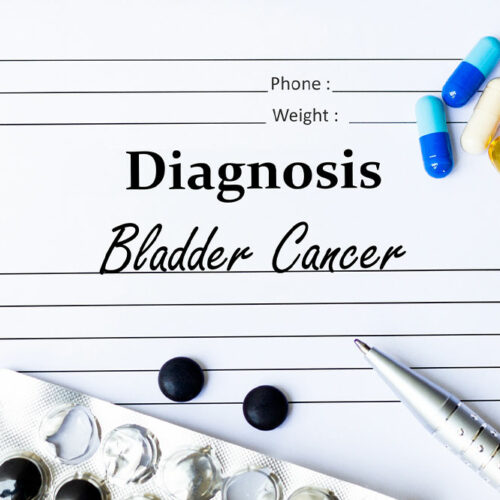
Bladder cancer is the sixth most common cancer in the country, affecting around 80,000 people every year. Most often, it begins in the urothelial cells that line the inside of the bladder and the ureters. This condition is generally diagnosed at an early stage, improving the chances of recovery. However, despite successful treatment, the cancer may recur. Here are some early warning signs of bladder cancer one must be aware of. Blood or clots in the urine (hematuria) This is one of the first signs of blood cancer. It may occur regularly, or appear and disappear over a few days or weeks. In the early stages, this bleeding is not accompanied by any pain or discomfort. However, blood in the urine could also be a symptom of other conditions such as kidney stones, bladder stones, noncancerous tumors, or other kidney diseases. Consulting a healthcare practitioner for a proper diagnosis can help rule out the possibility of any other diseases or infections. Moreover, it is important to note that blood from menstruation can show up on a woman’s urine test, causing a false-positive. In such cases, the doctor may recommend repeating the test. Changes in urination The following changes in urination are generally a result of benign tumors, infections, bladder stones, or an overactive bladder in men.

6 foods to eat when running a fever

6 foods to eat when running a fever
When one feels under the weather, eating the right foods may help provide relief. Even though an appetite may be close to nonexistent, one should not remain hungry, as fever burns more calories than the body does on a daily basis. Plus, when fighting off an infection, the body requires more nutrients and energy to strengthen the immune system. Hence, one must eat right and avoid certain food items to regain the lost strength. Fever – Top 6 foods to eat Even though one might not be in the mood or have an appetite when sick, one must eat nutrient-rich food to get stronger. Some of the best foods to eat during a fever are: Chicken soup A go-to meal during sickness, chicken soup has been consumed for generations. It’s not only easy to eat but also contains calories, vitamins, and minerals that the body needs while recovering from an illness. Furthermore, chicken soup is also a great source of liquids and electrolytes, which can be helpful if one is at risk of dehydration due to fever. Moreover, the broth is rich in collagen, which may promote recovery. Coconut water One of the ideal beverages to consume when sick, coconut water contains electrolytes which are needed along with fluids when one is sweating, vomiting or running a fever.

Our
Blog.

9 most common types of depression you should know about

9 most common types of depression you should know about

All of us feel low, upset, and unmotivated at some point in our life, but this isn’t classified as depression. Depression is a mood disorder that overshadows a person’s thoughts, feelings, and actions. Signs and symptoms of this grave disorder can range from feeling hopeless and tired to completely losing the will to live. There are several types of depression and they are listed below so you can understand depression and people suffering from it better. Major Depression (Clinical Depression) The hallmark trait of this type of depression is the constant feeling of sadness or loss of interest in social life or any outside stimuli. It often lasts for two weeks or more in which a person can experience symptoms such as hopelessness, fatigue, and suicidal thoughts. Dysthymia (Persistent Depressive Disorder) Dysthymia lasts for years and can disrupt daily life and interfere with personal and professional relationships. Individuals with dysthymia are often seen as dark, pessimistic, or complainers by others, and they have a hard time being happy in typically pleasant situations. Manic Depression (Bipolar Disorder) People with manic depression experience high degrees of mood swings. Their train of thought can take them from feeling euphoric to feeling suicidal in just a few weeks.
Read More
Simple and practical guide points for expecting parents

Simple and practical guide points for expecting parents

Pregnancy is a new experience in every couple’s life, and one should understand a few things to ensure that the nine months are smooth and stress-free. Simply being prepared for pregnancy and looking forward to the joy of parenthood is not all there’s to childbirth. As a couple, you must understand, review, and adjust your lifestyle. Expecting mothers become their child’s nurturers and supporters from day one, but the expecting fathers, close relatives, and friends must also understand the key roles they will play right up to the due date. Here are a few simple family and pregnancy guide points to help you and your folks get started: Staying healthy Physical and mental wellbeing is extremely crucial for the expecting mother to ensure both her and the baby’s health. Diet plays a crucial role in this process, as the mother is now providing nutrition for the developing fetus as well as herself. As a family, you can take turns to ensure that the to-be mother is staying physically active, eating healthy and regularly, and not cultivating any bad habits. More importantly, family and loved ones should be prepared for the changes to come in the upcoming trimesters. Coping with changes – what to expect Morning sickness in the first trimester is quite common and can put a woman’s body under tremendous stress.
Read More