
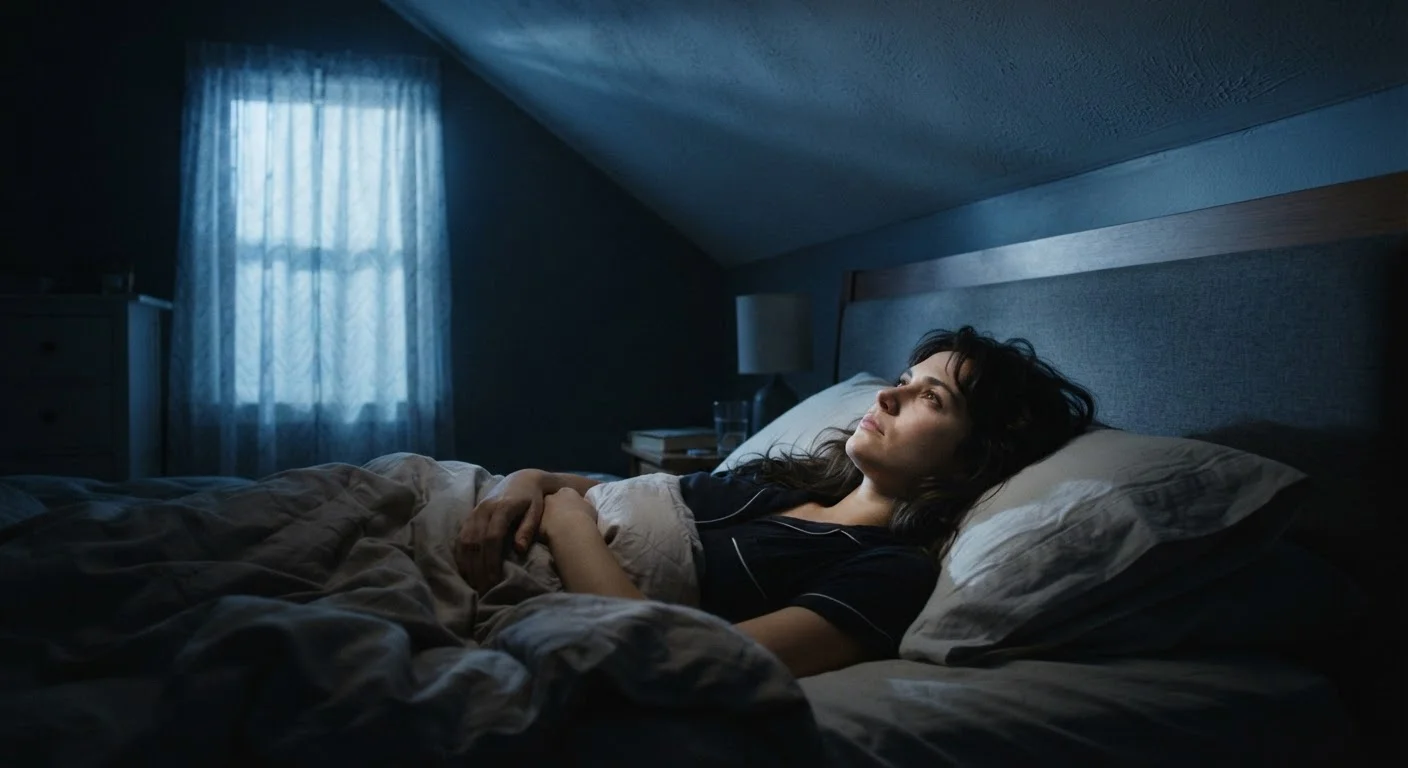
Why Sleep Is Not Just Physical Recovery
Most people understand sleep as the body's repair window - a time for muscles to recover, cells to regenerate, and energy to replenish. That understanding is accurate, but incomplete. The sleeping brain is not inactive; it is carrying out essential emotional and cognitive maintenance that no amount of waking rest can replicate.
During sleep, the brain cycles through distinct stages, each serving different functions. REM sleep (rapid eye movement sleep) is particularly important for emotional health. During REM, the brain reprocesses emotionally charged memories, a process researchers describe as "overnight therapy" - revisiting experiences while stress hormones like norepinephrine are suppressed, potentially reducing their emotional charge.
When sleep is cut short or fragmented, this reprocessing is disrupted. Events that should lose their emotional intensity overnight may retain it, contributing to heightened reactivity the following day. This is not a personality trait or a weakness - it is a neurological consequence of insufficient sleep.
REM Sleep and Emotional Memory
REM sleep accounts for roughly 20-25% of total sleep time in healthy adults and tends to be concentrated in the later sleep cycles of the night. This means that cutting sleep short - even by an hour or two - disproportionately reduces REM sleep. Those who consistently sleep six hours or less may be losing a significant share of the sleep stage most associated with emotional regulation and memory processing.
The Brain Mechanics Behind Sleep and Emotional Reactivity
Sleep deprivation reliably impairs the prefrontal cortex - the region responsible for rational thought, impulse control, and emotional regulation. At the same time, it increases activity in the amygdala, the structure that generates fear, threat responses, and emotional alarm signals.
The result is a brain that is, in effect, running on high alert with a weakened brake system. Situations that a well-rested mind would process calmly can trigger disproportionate frustration, sadness, or anxiety in a sleep-deprived one. Research using functional MRI has consistently documented this pattern, showing that the amygdala-prefrontal connection becomes significantly less coordinated under sleep restriction.
~60%
Increase in amygdala reactivity after sleep deprivation
Neuroimaging research published in peer-reviewed journals has documented approximately a 60% increase in amygdala emotional response following sleep restriction compared to well-rested baselines.
7-9 hrs
Recommended nightly sleep for adults
Major sleep health organizations consistently recommend seven to nine hours of sleep per night for adults to support cognitive and emotional functioning.
2x
Increased risk of depression with chronic insomnia
Research reviews have found that individuals with chronic insomnia are approximately twice as likely to develop depression compared to those without persistent sleep difficulties.
This helps explain why interpersonal conflicts often escalate more easily after poor sleep, why small setbacks feel catastrophic when tired, and why decision-making under sleep deprivation tends to be impulsive. These are not character flaws - they are predictable outcomes of altered brain chemistry.
The Bidirectional Trap: When Mood Disrupts Sleep
The relationship between sleep and mood is not a one-way street. Just as sleep deprivation destabilizes mood, poor mood states actively interfere with sleep architecture. Anxiety triggers hyperarousal - an elevated state of physiological alertness that makes it difficult to fall or stay asleep. Rumination, a common feature of both anxiety and depression, keeps the brain in problem-solving mode precisely when it needs to wind down.
This creates a self-reinforcing cycle that can be difficult to interrupt without deliberate attention to both sides. Treating anxiety without addressing sleep may leave one driver of the condition unresolved; focusing on sleep hygiene while ignoring emotional stressors may yield limited results. The two systems need to be understood together.
Patterns that gradually erode emotional resilience - including chronic stress, inconsistent routines, and social withdrawal - can simultaneously worsen sleep. See how these patterns develop and persist for a deeper look at habits that quietly compound over time.
Breaking the Sleep-Mood Cycle
If you notice mood and sleep reinforcing each other negatively, addressing both simultaneously tends to be more effective than tackling either alone. Establishing a consistent wind-down routine - light dimming, reduced screen use, and a set bedtime - can serve as a practical starting point. If mood symptoms are persistent or impairing, a healthcare professional can help evaluate whether additional support is appropriate.
What the Evidence Recommends
Sleep research consistently points to sleep quality as one of the most modifiable influences on everyday emotional well-being - not a luxury or a personality preference, but a biological necessity. While clinical conditions like insomnia disorder or mood disorders require professional evaluation, general sleep hygiene practices are well-supported by evidence for supporting emotional health in the general population.
Consistent sleep and wake times - even on weekends - help regulate the body's circadian rhythm, which in turn supports stable mood. Reducing evening light exposure, limiting stimulants in the hours before bed, and managing pre-sleep rumination through relaxation strategies are among the most studied behavioral approaches.
Social health also intersects with this picture. Research links social connection to better sleep quality, and better sleep to more positive social interactions - another bidirectional system worth tending. What the evidence shows about social connection and mental health offers useful context here.
Anyone experiencing persistent sleep difficulties, prolonged low mood, or symptoms of anxiety or depression should consult a qualified healthcare professional. Sleep and mood are tightly linked, but both can be influenced - and that is genuinely encouraging.
This article is for general informational purposes only and is not a substitute for professional medical advice, diagnosis, or treatment. Always consult a qualified healthcare provider with questions about your health or mental well-being.