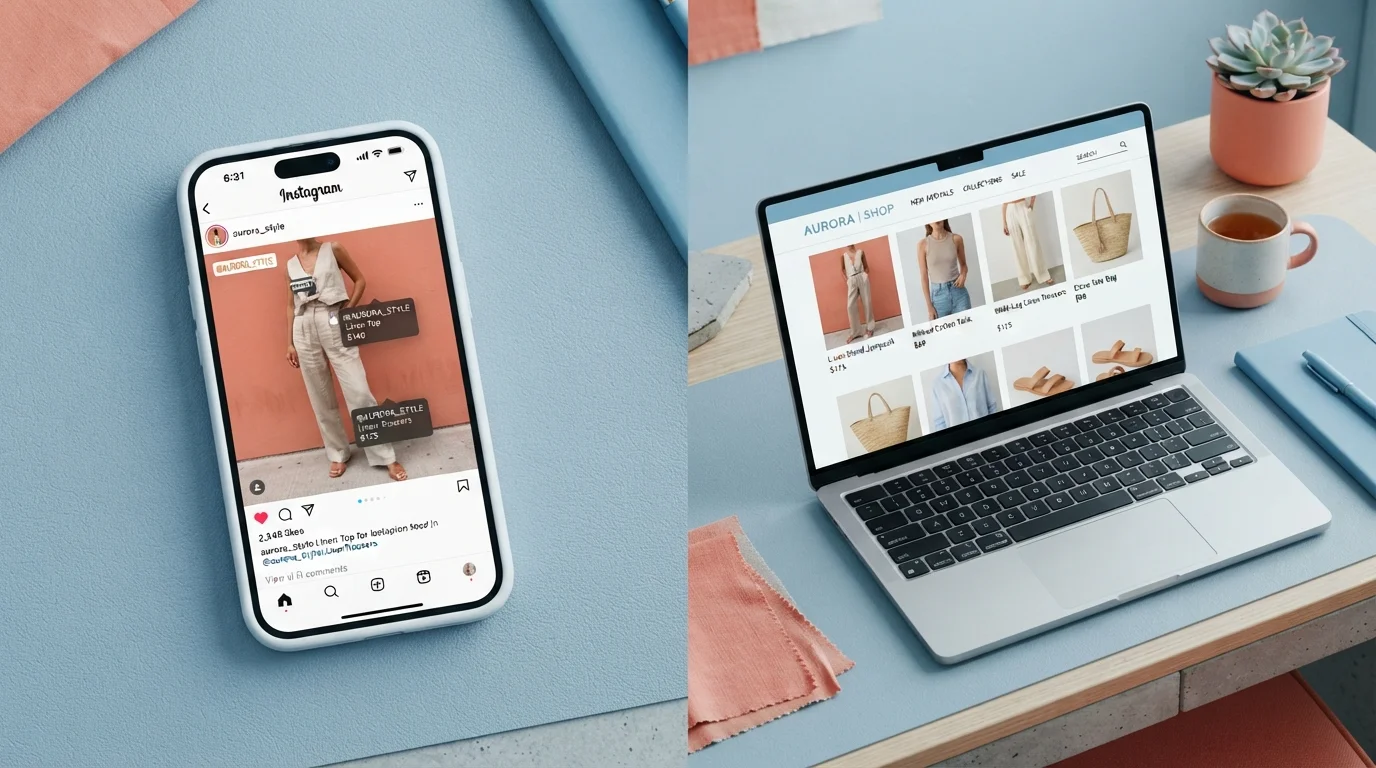

Why Consumer Vocabulary Keeps Changing
The way Americans shop has shifted dramatically over the past decade - and language has followed. New terms emerge from behavioral economics, social media culture, and retail technology to describe patterns that didn't have names a few years ago. Whether you're trying to decode a news headline or better understand your own purchasing habits, knowing these terms gives you a clearer lens on the forces at work.
This glossary covers the most widely used expressions in today's consumer landscape. For a deeper look at the structural shifts behind them, see Forces Shaping How Americans Shop.
Doom Spending
Impulsive purchasing driven by anxiety, pessimism, or a sense that saving for the future feels pointless. Often correlates with exposure to stressful news or economic uncertainty.
Revenge Spending
A surge in discretionary spending that follows a period of forced restriction or deprivation. The behavior reflects pent-up demand being released once constraints are lifted.
Deinfluencing
A social media trend in which content creators advise audiences against purchasing overhyped or unnecessary products. It emerged as a reaction to heavily sponsored influencer marketing.
Social Commerce
The practice of completing a retail purchase directly within a social media platform, without redirecting to an external website. Discovery, evaluation, and transaction all occur inside the same app.
Silent Commerce
Automated purchasing that occurs without active consumer involvement at each transaction - including auto-renewals, subscription boxes, and smart-device reordering systems.
Conscious Consumerism
A purchasing approach guided by ethical, environmental, or social criteria. Consumers consider factors such as a brand's labor practices, supply chain transparency, or environmental footprint alongside price and quality.
Greenwashing
A marketing practice in which a company presents itself or its products as more environmentally responsible than it actually is. Claims may be vague, exaggerated, or unsupported by independent verification.
Frugal Fatigue
Consumer exhaustion that results from sustained efforts to cut spending. When prolonged belt-tightening feels unsustainable, many people relax their restrictions - sometimes overcorrecting toward increased spending.
BNPL (Buy Now, Pay Later)
A short-term financing arrangement that splits a purchase into installments, often interest-free if paid on schedule. BNPL services are embedded at the checkout of many online retailers.
Dark Patterns
User-interface design techniques that steer consumers toward unintended or unwanted actions - such as hidden fees, pre-checked subscription boxes, or confusing cancellation flows. Regulators in several countries have begun scrutinizing these practices.
Value Shopper Shift
A documented trend in which consumers across income brackets prioritize perceived value over brand loyalty. This often manifests as trading down to store brands or seeking more durable, multipurpose products.
Subscription Fatigue
Consumer frustration arising from the accumulation of recurring subscription charges across streaming, software, retail, and service categories. It often prompts audits of active subscriptions and cancellations.
Key Data Points Shaping the Conversation
These terms aren't just buzzwords - they reflect measurable behaviors that researchers, retailers, and policymakers track. The statistics below offer context for how widespread some of these patterns have become.
~60%
US adults who have used BNPL at least once
According to a 2023 survey by the Consumer Financial Protection Bureau, roughly six in ten American adults had used a buy now, pay later service.
3 in 4
Consumers who say value matters more than brand
Multiple retail industry surveys conducted in 2022-2024 consistently find that a large majority of US shoppers prioritize value over brand loyalty when budgets tighten.
$1T+
Projected global social commerce revenue
Industry analysts project global social commerce revenues will exceed one trillion dollars, reflecting the rapid integration of purchasing into social platforms.
Understanding the numbers behind these trends can help you recognize when your own behavior aligns with - or diverges from - broader consumer patterns. For practical tools to evaluate your own spending, the Smart Habits hub offers actionable frameworks.
Terms Rooted in Emotion and Psychology
Several of today's most-discussed consumer terms describe the psychological motivations behind buying decisions rather than the mechanics of transactions themselves.
Doom spending refers to spending money impulsively as a response to anxiety, stress, or a sense that the future is uncertain - essentially, treating purchases as emotional relief when larger circumstances feel out of control. It's distinct from ordinary impulse buying because the driver is a specific emotional state, often tied to news cycles or economic worry.
Revenge spending describes a surge in discretionary purchases following a period of enforced restriction - most commonly observed after pandemic lockdowns, when consumers accelerated spending on travel, dining, and luxury goods. The term borrows the idea that suppressed demand eventually reasserts itself with force.
Deinfluencing is a social media counter-movement in which creators actively discourage followers from buying products they consider overhyped or unnecessary. It represents a pushback against the relentless product promotion that characterizes traditional influencer content. Learn more in America's Newest Cultural Vocabulary.
Emotional Spending vs. Disordered Spending
Doom spending and revenge spending describe recognizable consumer patterns, but they exist on a spectrum. Occasional emotionally-driven purchases are common and not inherently harmful. However, if spending feels compulsive, causes financial stress, or is difficult to control, it may be worth speaking with a financial counselor or mental health professional. For mental health terminology more broadly, see The Mental Health Glossary Every Adult Should Know.
Terms Rooted in Technology and Commerce
Another cluster of terms describes how the mechanics of shopping itself have evolved, particularly at the intersection of digital platforms and retail.
Social commerce refers to purchasing that occurs directly within social media platforms - completing a transaction without leaving an app. This is meaningfully different from e-commerce in that the discovery, evaluation, and purchase all happen inside a social feed. Social Commerce vs. Traditional E-Commerce breaks down how these journeys diverge.
Silent commerce describes automated or background purchasing that requires little or no active consumer decision-making - subscriptions that auto-renew, smart devices that reorder household goods, or algorithms that adjust purchases based on usage patterns. The consumer participates without actively choosing at each transaction point.
Conscious consumerism is one of the most contested terms in retail discourse. It broadly describes purchasing decisions informed by ethical, environmental, or social values - choosing products based on labor practices, environmental impact, or corporate behavior. However, the term is applied loosely and often conflated with greenwashing. What 'Conscious Consumerism' Actually Means separates the genuine behavioral shift from marketing spin.
For a parallel reference covering personal finance vocabulary, A Field Guide to Budgeting Terms defines the spending and saving language you'll encounter most.
| Term: Doom Spending | Emotionally-driven impulse purchases tied to anxiety or pessimism about the future |
| Term: Social Commerce | In-app purchasing completed entirely within a social media platform |
| Term: Greenwashing | Marketing that overstates or fabricates environmental responsibility |
| Term: Dark Patterns | UI design techniques that manipulate consumers into unintended purchases or commitments (Subject of ongoing regulatory scrutiny in the US and EU) |
| Term: BNPL | Buy Now, Pay Later - installment financing embedded at checkout |
| Term: Subscription Fatigue | Consumer burnout from accumulating recurring subscription charges |