Why the Thin Air Changes Everything
You land in Cusco or Quito, step off the plane into crisp mountain air, and within an hour you're wondering why climbing a single flight of stairs has left you winded. Nothing feels broken - but something is clearly different. That difference is physics, not weakness.
At high elevation, atmospheric pressure drops. The percentage of oxygen in the air remains constant at about 21%, but each breath you take pulls in fewer oxygen molecules. Your lungs, heart, and circulatory system scramble to compensate - working harder to deliver the oxygen your tissues expect. Until your body adapts, this gap shows up as fatigue, headache, disturbed sleep, and sometimes nausea.
Understanding this process isn't just useful trivia. It shapes how you plan your itinerary, what you eat on your first night, and how ambitiously you schedule your first few days. The travelers who struggle most at altitude aren't necessarily the least fit - they're often the ones who didn't expect altitude to matter.
Altitude Is Not the Same as Fitness
Physically fit travelers are not immune to altitude sickness - and sometimes highly athletic people are overconfident about their tolerance. AMS is primarily a function of ascent speed and individual physiology, not cardiovascular fitness. Even experienced mountaineers can be affected if they ascend too quickly.
The Cities Where It Matters Most
Altitude becomes a genuine factor in destination planning at a surprisingly wide range of places. Denver, Colorado - a major US city - sits at exactly one mile above sea level, and visitors flying in from coastal cities often notice subtle effects: slightly elevated heart rate, mild headache, quicker intoxication from alcohol. It's manageable, but worth knowing.
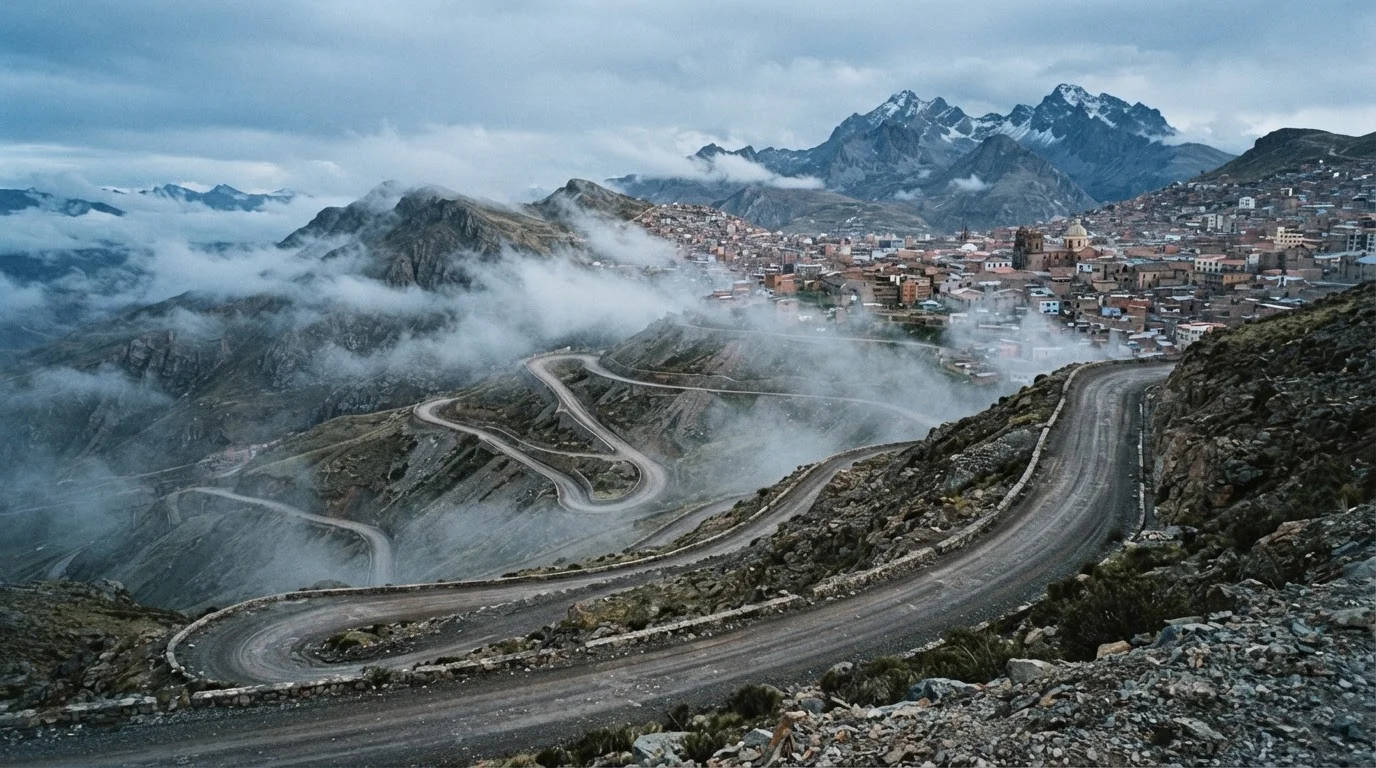
Then there are cities that demand real respect. Cusco, Peru reaches 11,152 feet. La Paz, Bolivia is the world's highest administrative capital at over 11,900 feet. Quito, Ecuador sits at roughly 9,350 feet. Lhasa, Tibet exceeds 11,000 feet. Even Mexico City, at about 7,350 feet, causes noticeable fatigue for visitors from sea level during the first day or two.
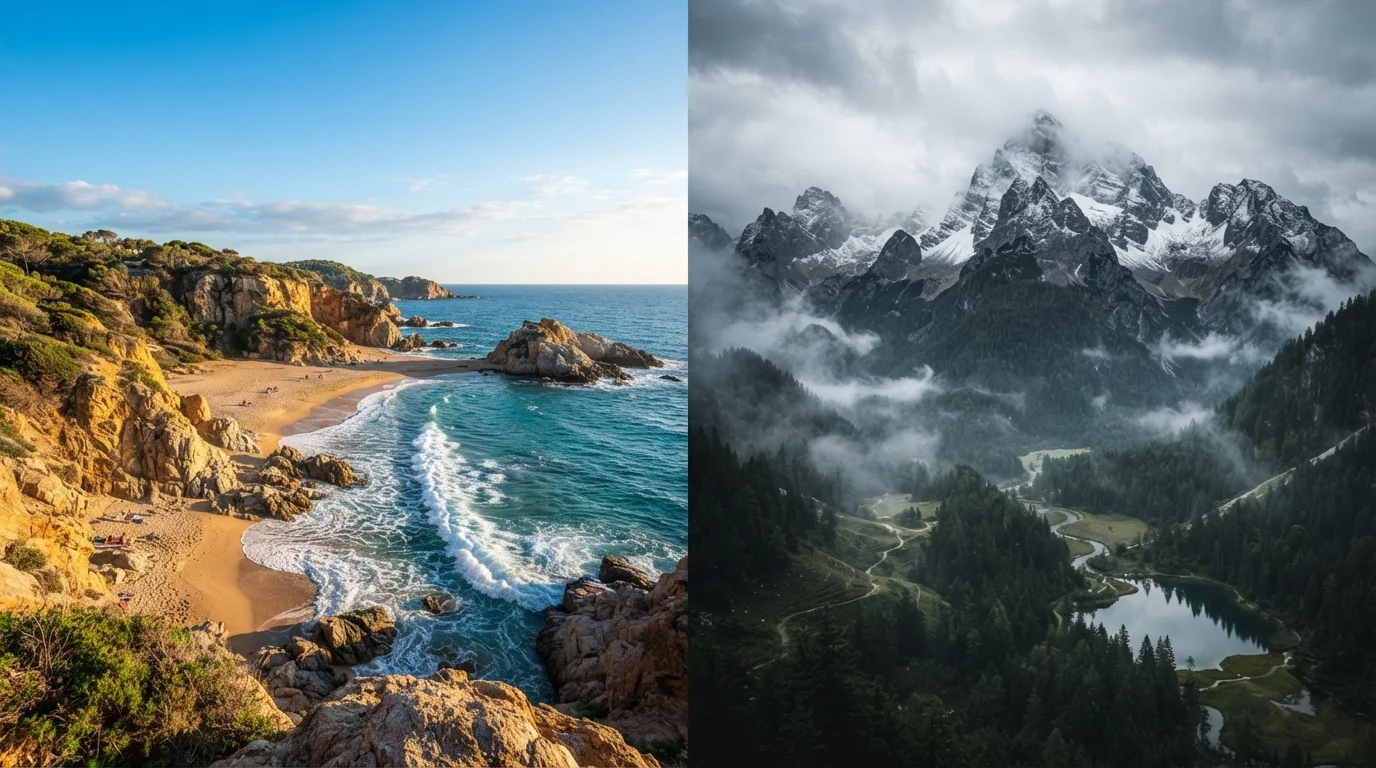
Choosing between coastal and mountain destinations involves more than scenery preferences - destinations like these require physical preparation that beach towns simply don't.
11,152 ft
Elevation of Cusco, Peru
One of the most visited high-altitude cities in the world, Cusco sits well above the threshold where altitude sickness commonly occurs.
~25%
Less oxygen per breath at 8,000 ft
At 8,000 feet, atmospheric pressure is roughly 25% lower than at sea level, significantly reducing the oxygen delivered with each breath.
2-3 days
Typical initial acclimatization window
Most travelers at moderate high altitudes (8,000-11,000 ft) experience meaningful symptom improvement within the first two to three days of arrival.
What Your Body Actually Does - and How Long It Takes
Your body's response to altitude unfolds in layers. Within minutes of arriving at elevation, your breathing rate increases. Over hours, your kidneys begin adjusting blood chemistry to make room for more oxygen-carrying red blood cells. Within days, your body starts producing more of those cells - a process that takes weeks to complete fully.
The first 24 to 48 hours are typically the most uncomfortable. Headache is the most common symptom, followed by fatigue and disrupted sleep. Appetite often drops. Digestion slows. Alcohol hits harder and faster. Some travelers experience periodic breathing during sleep - an unsettling pattern of shallow breaths followed by brief pauses - which can leave you feeling unrested even after a full night in bed.
The practical takeaway: don't schedule your most demanding activities on arrival day. Build in rest. If you're planning a trip to Cusco, for example, arriving a day before heading to Machu Picchu is a minimum buffer - arriving two days early is wiser. Researching a destination thoroughly before you book should include checking the elevation of your arrival city and the realistic acclimatization window you'll need.
Practical Steps That Actually Help
There's no shortcut that eliminates altitude's effects, but several evidence-informed habits can meaningfully reduce discomfort.
- Ascend gradually where possible. If flying into Cusco, consider spending a night in Lima or at a mid-altitude stop first. Your body rewards gradual climbs.
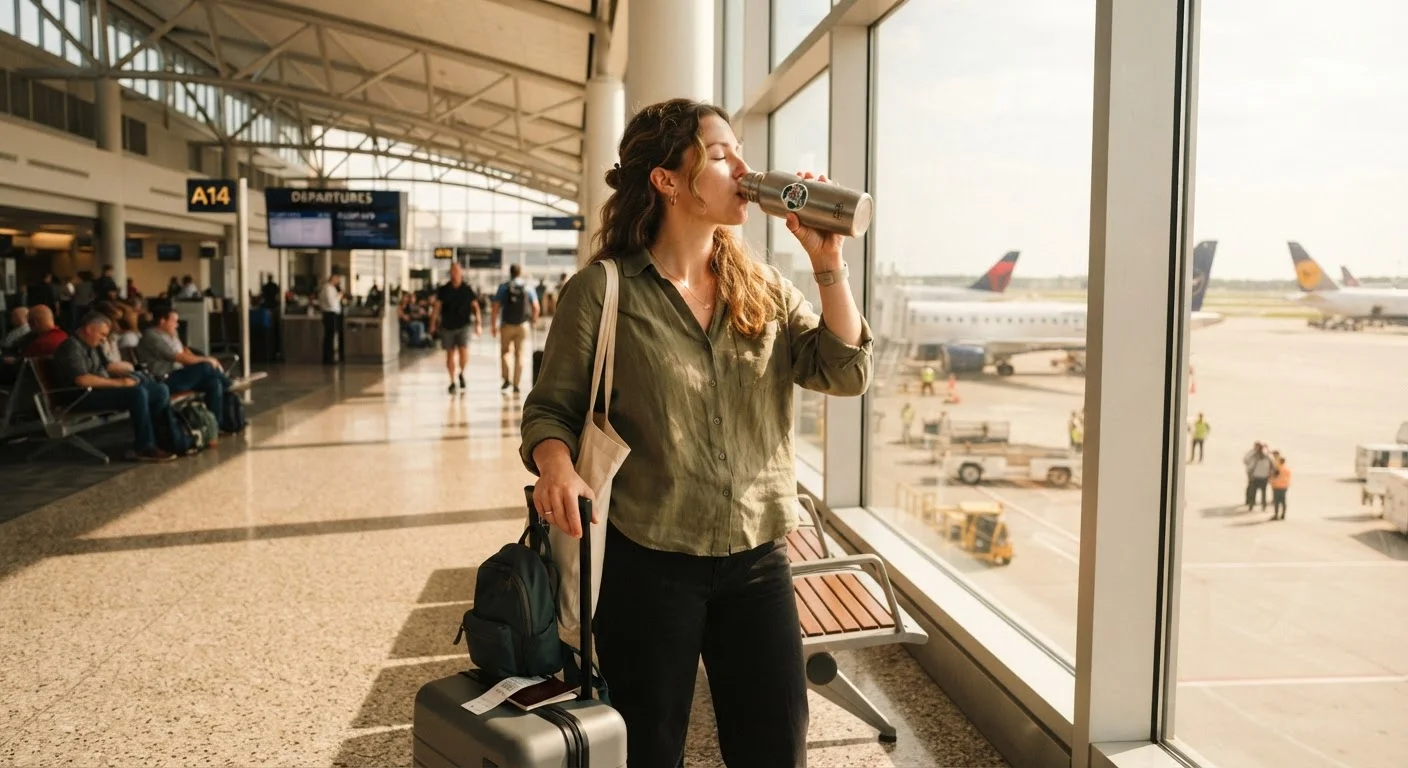
- Stay hydrated. Altitude increases fluid loss through respiration. Drinking water consistently - not just when thirsty - supports your body's adjustment without overcomplicating your plans.
- Eat light on your first day. Heavy, rich, or fatty meals strain a digestive system already working harder than usual. Many experienced Andean travelers recommend coca tea - a traditional local remedy whose mild stimulant effects are culturally widespread in the region - though its efficacy is largely anecdotal and individual responses vary.
- Limit alcohol for the first 48 hours. Alcohol accelerates dehydration and impairs the sleep quality you need most during acclimatization.
- Rest genuinely. Resist the urge to push through fatigue on your first day. A slow afternoon allows your body to do the real work.
For those with underlying cardiovascular or respiratory conditions, a conversation with a healthcare provider before departure is essential. A doctor can evaluate individual risk and discuss options - including prescription medications that some high-altitude travelers use preventively. See staying healthy while traveling for broader wellness habits that support any challenging destination.
Give Yourself an Arrival Buffer
Wherever possible, plan to arrive at a high-altitude destination at least one full day before your most demanding activities. Even half a day of genuine rest - light walking, hydrating, eating simply - can meaningfully reduce first-day discomfort. Many seasoned travelers treat arrival day as a non-negotiable acclimatization day rather than part of their sightseeing schedule.
This article is for general informational purposes only and does not constitute medical advice. Consult a qualified healthcare professional before traveling to high-altitude destinations, particularly if you have any underlying health conditions.