What Each Filter Actually Does
Your car has two entirely separate filtration systems working quietly in the background, and they have nothing to do with each other mechanically. Understanding what each one protects helps you prioritize maintenance decisions.
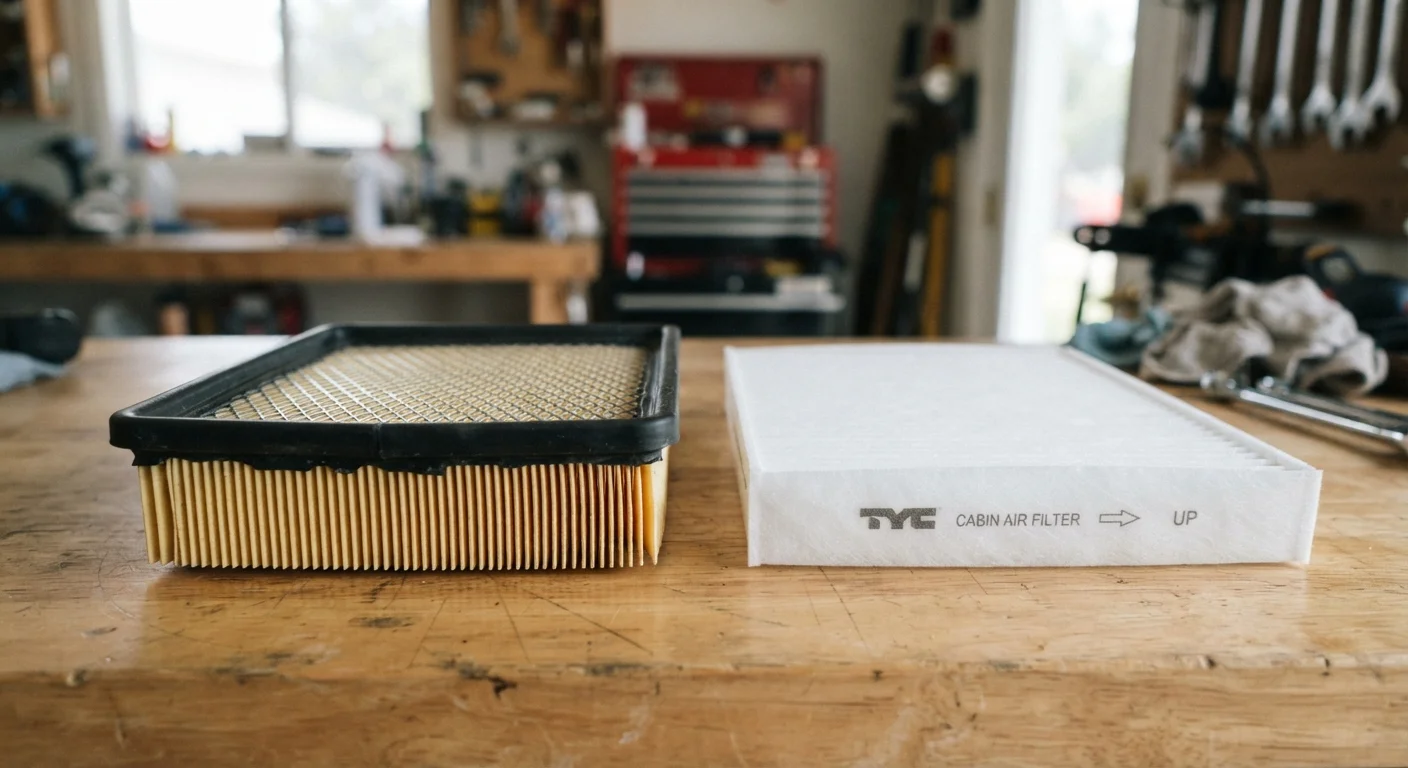
The engine air filter sits in the engine bay and screens the air drawn into the engine for combustion. Engines need a precise mix of air and fuel to run properly. If unfiltered air carrying dust, dirt, or debris enters the engine, those particles can cause wear on internal components over time. The filter traps contaminants before they reach the engine's intake.
The cabin air filter is located in a completely different part of the vehicle - typically behind the glove box, under the dashboard, or at the base of the windshield, depending on the make and model. It filters the air that passes through your car's heating, ventilation, and air conditioning (HVAC) system before it reaches the passenger compartment. Pollen, dust, exhaust particles, and other airborne matter get caught here instead of blowing out of your vents.
Neither filter does the other's job. You could have a spotless cabin filter and a choked engine filter - or vice versa - and each would cause its own distinct set of problems.
| Criterion | Engine Air Filter | Cabin Air Filter |
|---|---|---|
| What it protects | The engine | Vehicle occupants |
| Location | Engine bay / intake system | HVAC system / dashboard area |
| What it filters | Dirt, debris, dust from outside air | Pollen, dust, exhaust particles in cabin airflow |
| Typical replacement range | ~15,000-30,000 miles | ~15,000-25,000 miles |
| Symptom when clogged | Reduced performance, lower fuel economy | Weak vent airflow, musty odors |
| Affected by driving conditions | Yes - dusty roads accelerate wear | Yes - heavy pollen or pollution areas |
Signs Each Filter May Need Attention
Both filters give you clues when they're overdue for a look, though the symptoms show up in different places.
A clogged engine air filter may contribute to reduced fuel economy, sluggish acceleration, or a rough idle in more severe cases. The engine has to work harder to draw in the air it needs. You might also notice a faint smell of gasoline, which can sometimes indicate the air-fuel balance is off. That said, many of these symptoms overlap with other issues, so a mechanic should always confirm the root cause before parts are replaced.
A dirty cabin air filter often makes itself known through noticeably reduced airflow from the vents, even when the fan is set to a high speed. Some drivers also notice musty or stale odors coming from the HVAC system. During allergy season, passengers may find that pollen and dust are more irritating inside the car than they used to be.
~15-30K
Miles between typical engine air filter changes
General industry guidance; always defer to your vehicle's owner's manual for model-specific intervals.
~15-25K
Miles between typical cabin air filter changes
Intervals can shorten significantly in high-pollen, dusty, or high-traffic urban driving environments.
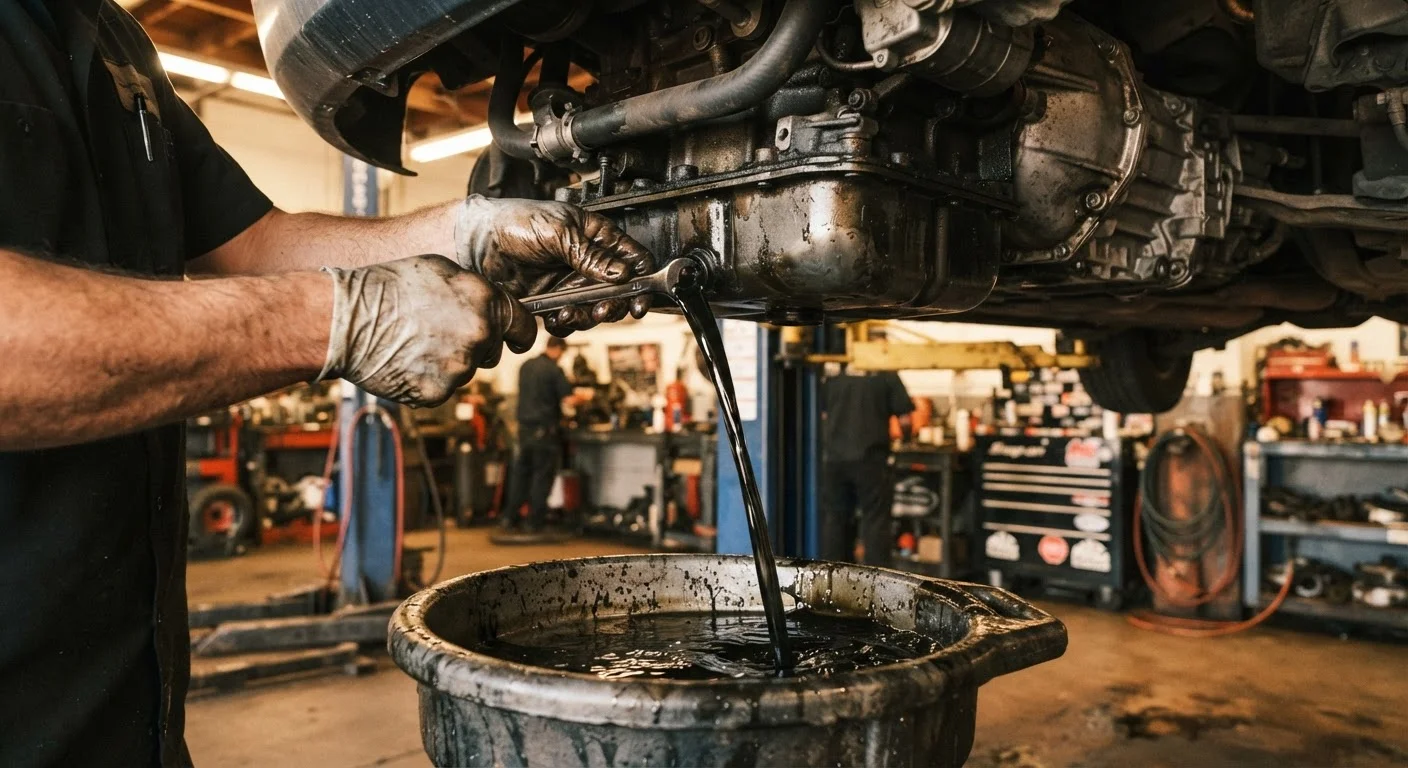
Just like keeping up with oil changes, staying on top of both filters is part of building a solid maintenance routine that protects your vehicle long-term.
How Often Should You Replace Them?
Replacement intervals vary by vehicle, filter type, and driving environment. The most reliable starting point is your vehicle's owner's manual, which provides manufacturer-specific guidance.
As a general reference point, engine air filters are often replaced somewhere in the range of every 15,000 to 30,000 miles, though vehicles driven frequently in dusty or rural conditions may need changes sooner. Vehicles operating mainly in clean urban or highway conditions may comfortably reach the higher end of that range.
For cabin air filters, a common general guideline is roughly every 15,000 to 25,000 miles, though again, conditions matter. If you drive through heavy traffic in a polluted city, park under trees, or travel through pollen-heavy areas regularly, your cabin filter will load up faster.
Check Your Owner's Manual First
Manufacturer recommendations for filter replacement intervals vary more than many drivers expect. Some vehicles specify shorter intervals; others allow longer ones based on engine design and filter capacity. The owner's manual is the most authoritative source for your specific vehicle. When in doubt, ask a qualified mechanic to inspect both filters and give you an honest assessment of their condition.
Many drivers get both filters inspected at the same time during routine service appointments - it's a practical way to keep track without adding extra trips to the shop. A technician can pull each filter and give you a visual read on its condition.