The Fundamental Difference in What Each Setting Delivers
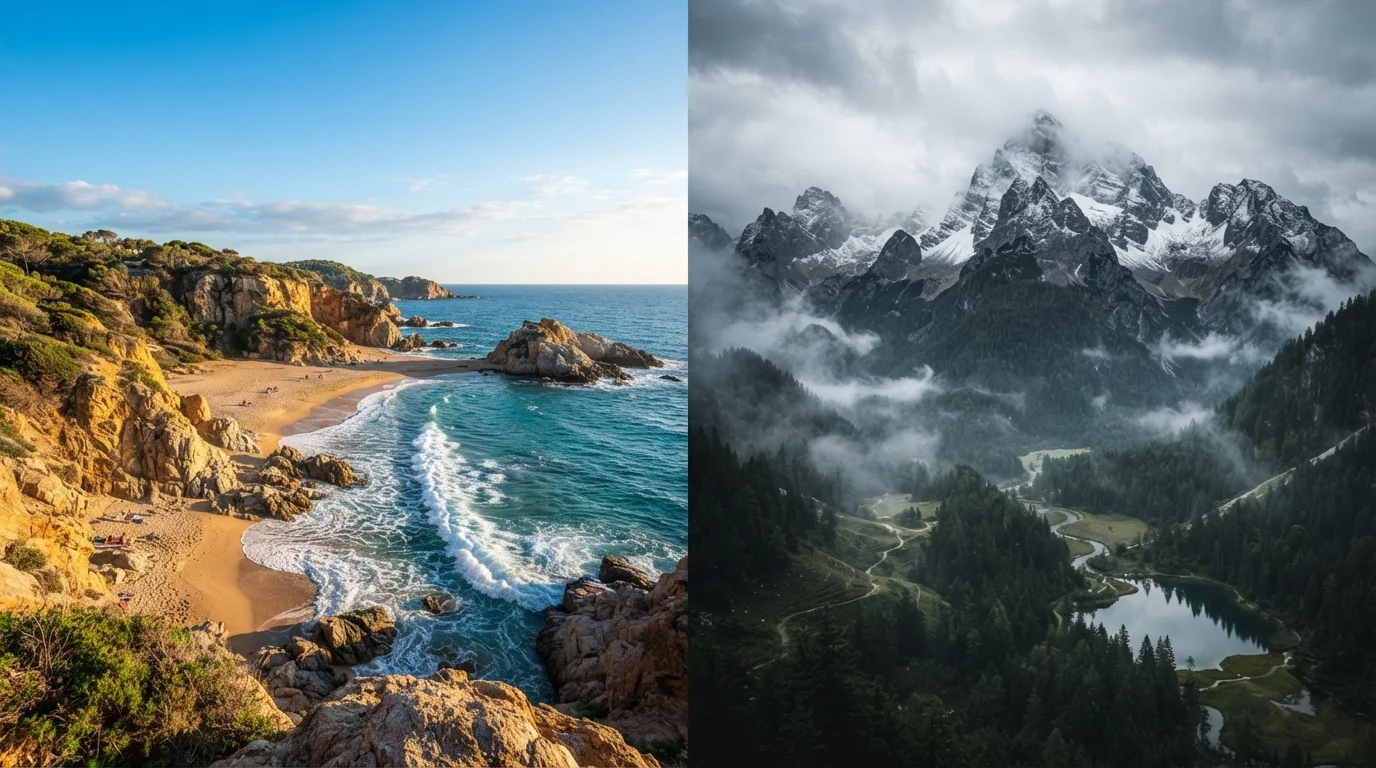
There's a common assumption that choosing between the coast and the mountains is mostly an aesthetic decision - blue water versus green peaks. In practice, the distinction runs far deeper. These two landscape types impose different physical demands, attract different traveler temperaments, and structure your days in fundamentally different ways.
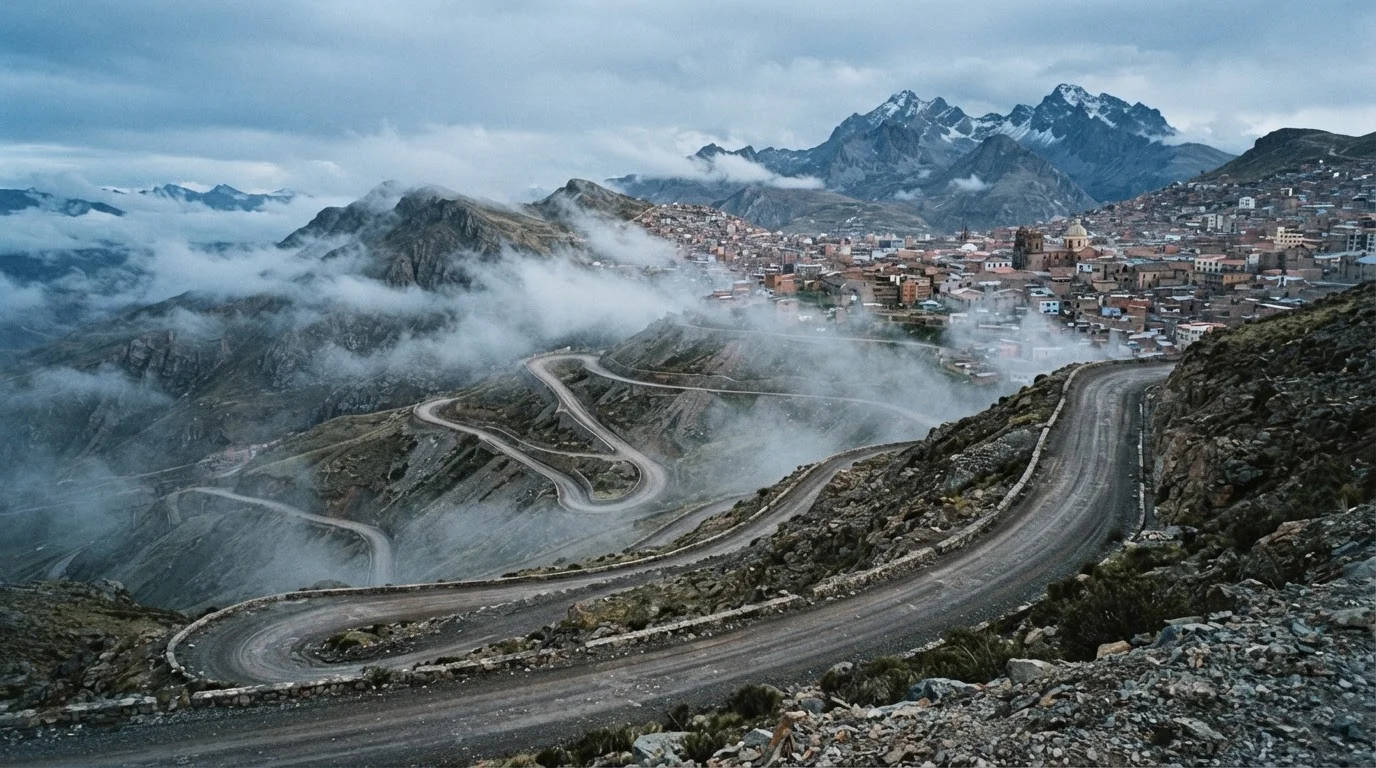
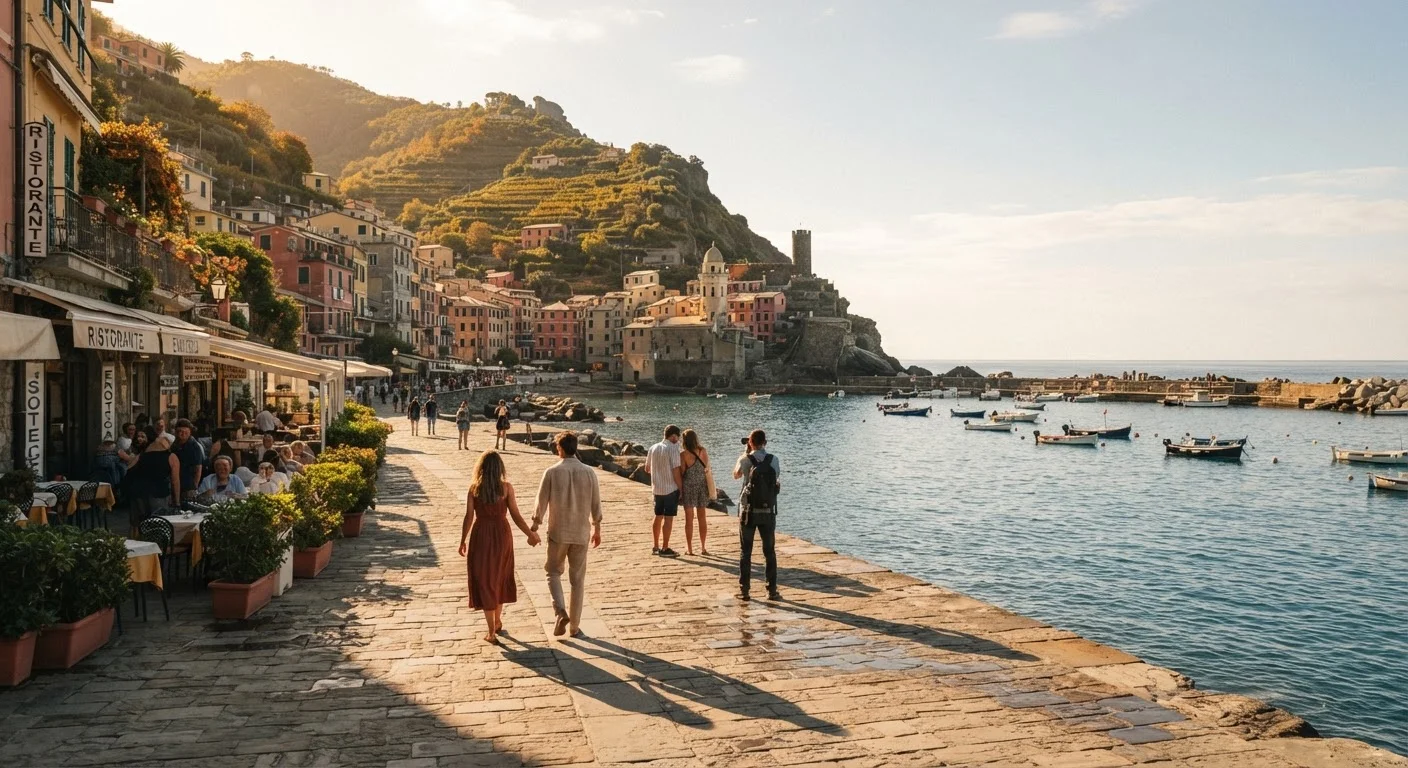
A coastal town, whether a quiet fishing village in Maine or a sun-saturated stretch of the Florida Panhandle, tends to organize itself around ease. The terrain is flat or gently rolling, dining options cluster near the waterfront, and the pace of the place - shaped by tides and salt air - tends toward the unhurried. Mountain destinations work differently. Aspen, Asheville, or a high-altitude Andean city like Cusco all ask something of you the moment you arrive: physical engagement, acclimatization, and a willingness to let elevation set the terms. For a deeper look at how altitude specifically shapes your experience, see how altitude actually affects the way you experience a destination.
Understanding which setting genuinely suits your style - not just which photograph appeals to you - is the more useful starting question.
Pace, Activity, and Daily Rhythms
Coastal trips and mountain trips don't just look different - they feel different by noon on day one. Coastal travel tends to structure itself loosely: a morning swim, a long lunch, an afternoon walk along the harbor. Agenda items remain optional. The environment absorbs inactivity well.
Mountain travel, by contrast, tends to be agenda-forward. Trail conditions, sunrise windows, guided excursions, and weather patterns all impose a kind of schedule. If you're drawn to summits, river crossings, or canyon views, the mountain environment rewards planning and physical readiness. If the idea of a forced itinerary sounds exhausting rather than exciting, that's useful information.
| Coastal Destinations | Mountain Destinations | |
|---|---|---|
| Typical daily pace | Relaxed, flexible, low-structure | Activity-driven, schedule-adjacent |
| Physical demand | Generally low to moderate | Moderate to high; altitude is a factor |
| Best traveler fit | Restful, social, or family-focused travelers | Active, exploratory, nature-immersion seekers |
| Weather predictability | Relatively stable in peak season | Variable; changes rapidly at elevation |
| Peak season crowds | High in summer at popular beaches | High in summer and ski season |
| Accessibility for mixed groups | Generally high; flat terrain common | Lower; depends heavily on elevation and routes |
| Shoulder season value | Strong; similar weather, fewer people | Riskier; trails and facilities may be closed |
It's also worth considering who you're traveling with. Mixed groups - families with young children, or travelers with varying fitness - often find coastal settings more accommodating precisely because the range of low-effort activities is broader. That said, many mountain regions include gentler options: scenic drives, hot springs, and village markets that don't require hiking boots.
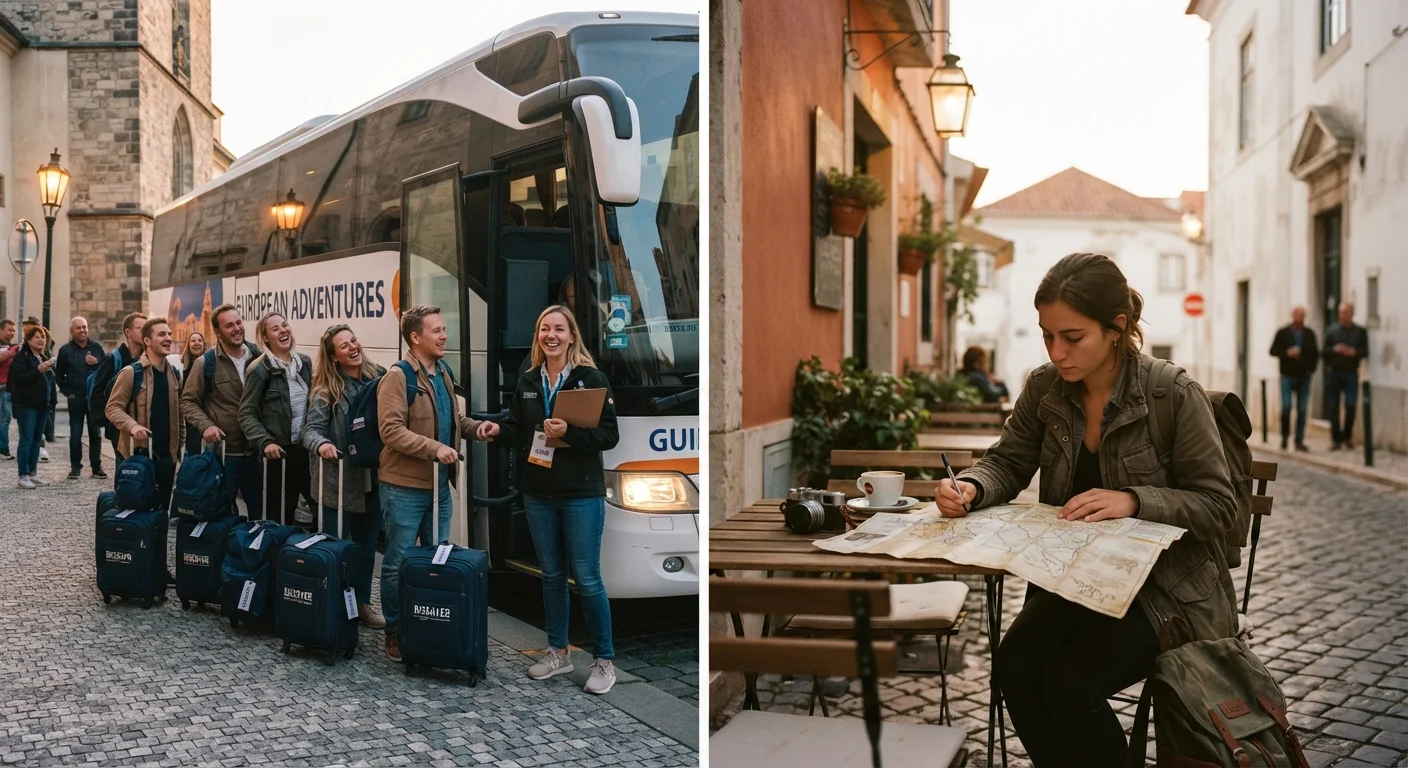
For travelers weighing how much structure they want overall, the comparison between group and independent travel adds another useful layer to the decision.
Weather, Seasonality, and Planning Windows
Both terrain types have seasonal sweet spots - but they operate on different calendars, and the stakes of mistiming vary considerably.
Coastal destinations in the US generally peak in summer, with warm water temperatures and long daylight hours. The trade-off is crowds and pricing. Shoulder season at the coast - late spring or early fall in most US regions - often delivers nearly identical weather with notably thinner crowds. Understanding how shoulder season shifts by destination can help you identify those windows more precisely.
Mountain timing is more variable and higher-stakes. Summer brings wildflower meadows and accessible trails, while winter unlocks skiing and snowshoeing but closes many high-elevation routes. Shoulder season in alpine areas - particularly spring - can be genuinely unpredictable: trails muddy and snow-patched, some facilities still closed. Arriving without researching the specific mountain region's calendar is one of the more common planning mistakes.
Research the Specific Mountain Region's Calendar
Mountain destinations don't follow a single seasonal template. A trail accessible in June in Colorado's lower ranges may remain snow-covered until late July at higher elevations. National park websites and local visitor bureaus typically publish trail condition updates that are far more reliable than general seasonal guides. Check those sources closer to your departure date, not just when booking.
Weather at elevation also changes faster than coastal conditions. What begins as a clear morning hike can shift within hours. This is less a reason to avoid mountain travel than a reason to treat local forecasts as essential planning tools, not background information.
Matching the Setting to Your Actual Travel Style
The most honest question isn't "coast or mountains?" - it's "what do I actually do with unstructured time?" Travelers who genuinely enjoy sitting still, reading, or people-watching over coffee tend to find coastal environments more satisfying. Travelers who feel restless without a physical objective - a trail to finish, a summit to reach, a distance to cover - often discover that the coast underwhelms after the first day or two.
There's also the question of sensory tone. Coastal environments are open, expansive, and sound-rich in a specific way: wind, water, and light that changes by the hour. Mountain environments are enclosed, vertical, and quieter in the valleys - with a different quality of stillness that some travelers find restorative and others find isolating.
For travelers curious about how the surrounding neighborhood and landscape shapes the experience even further, neighborhood immersion offers a useful framework regardless of terrain type. And if you're still in the early stages of destination research, researching a destination thoroughly before you book covers the practical groundwork that applies to both coastal and mountain trips alike.
60%+
US adults prefer outdoor trips
Multiple travel surveys consistently find a majority of American travelers cite nature and outdoor settings as primary trip motivators, though preferences split significantly between water and land environments.
~8,000 ft
Altitude where acclimatization commonly begins
Altitude-related symptoms can begin to affect travelers at elevations around 8,000 feet, according to general wilderness medicine guidelines - relevant to many popular US and international mountain destinations.
Neither type of place is universally superior. The better trip is almost always the one that's been matched honestly to what you want from the days you've set aside.