Why Brakes Wear the Way They Do
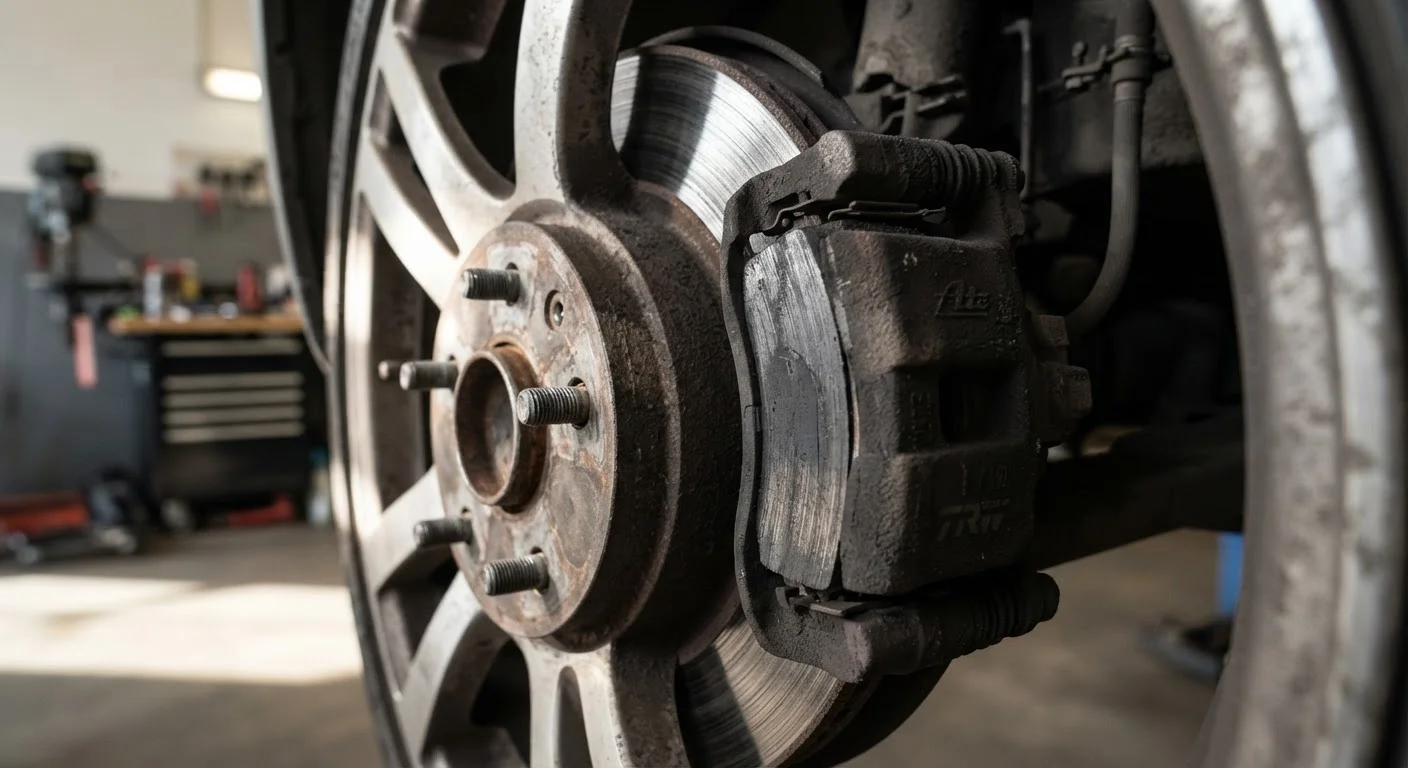
Your brakes work by converting kinetic energy - the energy of your moving vehicle - into heat through friction. The brake pad, a block of friction material clamped against a spinning metal rotor, absorbs that energy thousands of times over the life of the pad. Gradually, the friction material wears thinner. This is completely normal; it's how the system is designed to work.
What matters is catching the wear before the pad runs out entirely. Once the friction material is gone, the metal backing plate contacts the rotor directly. That's when a manageable maintenance task becomes a more serious repair. Understanding what your car is trying to tell you - through sound, feel, and visual cues - is the most practical thing a driver can do to stay ahead of brake problems.
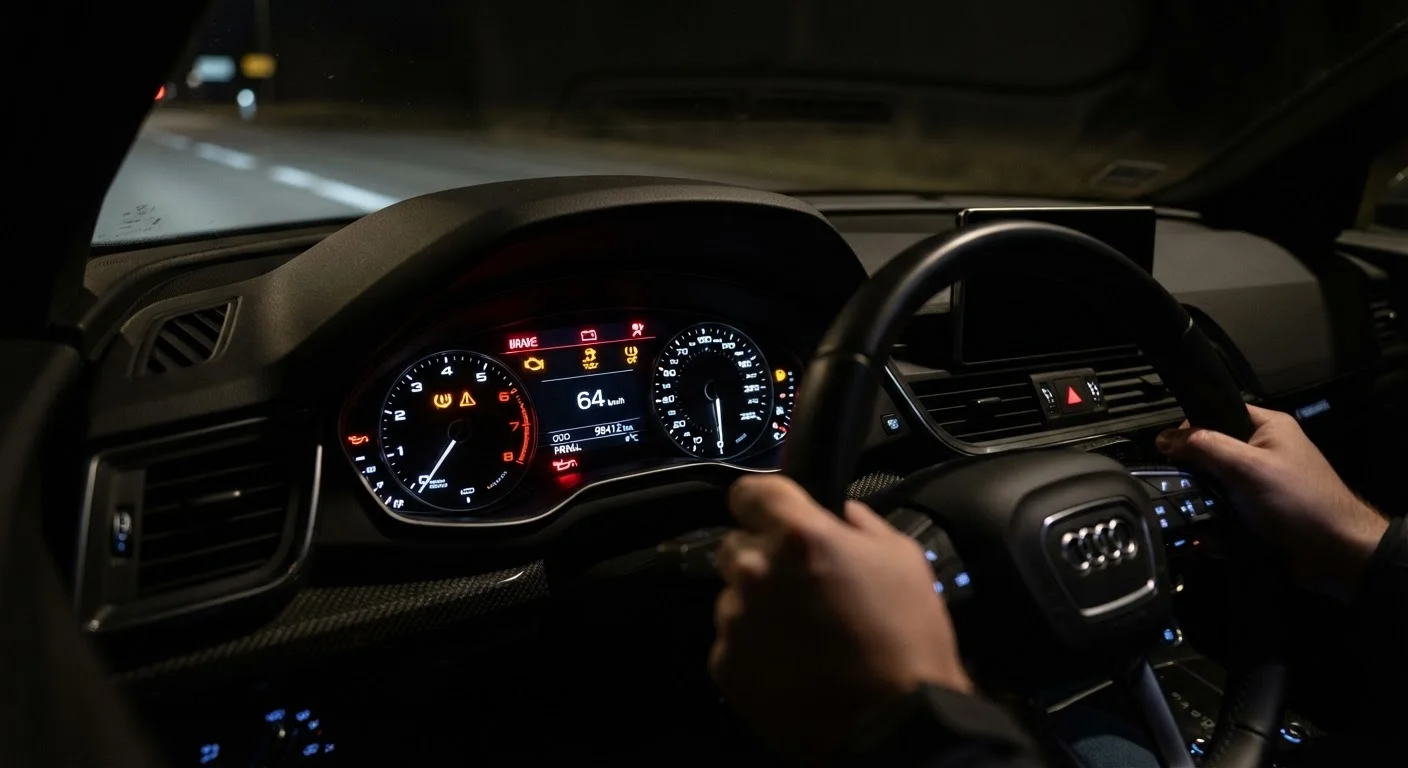
For context on the other warning signals your vehicle sends, see our guide to dashboard warning lights, which covers the brake warning light alongside everything else on your instrument panel.
The Four Symptoms Worth Knowing
Squealing or high-pitched noise. This is the most common early signal. Most brake pads include a small metal wear indicator that's deliberately designed to scrape the rotor when the pad gets thin - producing that familiar squeal. It's not a catastrophe, but it's a clear instruction: schedule service soon. Note that brakes can also squeal briefly after the car sits overnight or in wet weather; persistent squealing during normal braking is the kind to take seriously.
Grinding. If squealing goes unaddressed, grinding is often the next stage. A harsh metallic grinding sound while braking typically means the pad material is exhausted and the metal backing is contacting the rotor. Rotors can score deeply in a short time once this starts. Treat grinding as urgent - continued driving risks reduced stopping power and a more expensive repair.
Soft or spongy pedal feel. A healthy brake pedal should feel firm with consistent resistance as you press it. If the pedal feels soft, sinks gradually toward the floor, or requires more pressure than usual to slow the car, that can indicate air in the hydraulic brake lines or a fluid leak. Neither condition should be ignored, since the entire braking system depends on hydraulic pressure.
Vibration or pulsing. If you feel a rhythmic shudder through the pedal or steering wheel when braking, the rotors may be warped or worn unevenly. Rotors can warp from heat stress - sometimes caused by aggressive braking on a long descent, for example. Pulsing doesn't always mean immediate danger, but it does mean the braking surface isn't contacting the pad evenly, which reduces efficiency over time.
Listen With the Radio Off
One of the easiest ways to catch brake sounds early is to drive with your windows up and radio off occasionally - particularly during low-speed stops in a quiet area. Squeals and grinds that might be masked by road noise or music become much more audible. Early detection is the simplest form of brake maintenance.
What to Do When You Notice a Symptom
None of these symptoms require you to diagnose the problem yourself - that's a mechanic's job. What you can do is describe what you're noticing accurately: which symptom, under what conditions (highway braking, low-speed stops, after a cold start), and whether it's constant or intermittent. That information genuinely helps a technician narrow things down faster.
Brake inspections are typically quick and inexpensive relative to the work they can prevent. Many shops will inspect brakes at no charge when a vehicle comes in for other service. If you'd rather have a baseline of knowledge before the appointment, a visual check through the wheel spokes can give you a rough sense of whether the pad looks thin - though it won't tell you everything about rotor condition or caliper function.
Brake Fluid Has a Shelf Life Too
Brake fluid is hygroscopic - it absorbs moisture from the air over time. As moisture content increases, the fluid's boiling point drops, which can reduce braking effectiveness under heavy use. Most manufacturers recommend flushing and replacing brake fluid every two to three years, though intervals vary. Your owner's manual is the best reference for your specific vehicle.
Staying observant about your brakes pairs well with broader road awareness. Our piece on defensive driving habits covers how attentive drivers anticipate problems before they escalate - on the road and with their vehicles.