Why Paint Finish Matters Beyond Color
Most homeowners spend considerable time selecting a paint color, then grab whichever finish is closest on the shelf. That's a common and costly mistake. Paint finish - also called sheen level - determines how light interacts with a wall, how durable the surface is, and how well it withstands cleaning. Using the wrong finish in the wrong room can mean scrubbable walls that look chalky, or glossy surfaces that expose every dent and nail hole.
Finish levels are measured by the percentage of light they reflect, moving from flat (lowest sheen) to high-gloss (highest sheen). Each step up the sheen ladder adds durability and washability but also amplifies surface imperfections.
| Finish types (low to high sheen) | Flat → Matte → Eggshell → Satin → Semi-gloss → High-gloss |
| Best finish for ceilings | Flat or matte |
| Best finish for bathrooms | Semi-gloss or satin |
| Best finish for trim and doors | Semi-gloss or high-gloss |
| Best finish for living rooms | Eggshell or matte |
| Washability increases with | Higher sheen level |
The Five Core Finish Types Explained
Understanding what each finish does makes it much easier to assign the right one to any space in your home.
Flat / Matte finish
The lowest sheen level, with little to no light reflection. It hides surface imperfections well but is not washable - best for ceilings and low-traffic adult bedrooms.
Eggshell finish
Slightly more reflective than flat, with a subtle soft sheen resembling the surface of an eggshell. More durable and easier to clean than matte; a versatile choice for living spaces.
Satin finish
A mid-range sheen that is noticeably smooth and slightly glossy. Balances aesthetics and durability, making it a popular choice for hallways, kitchens, and children's rooms.
Semi-gloss finish
A higher sheen that reflects considerable light and resists moisture and stains effectively. Typically used in bathrooms, kitchens, and on trim or cabinetry.
High-gloss finish
The highest sheen level, creating a hard, mirror-like surface. Extremely durable and washable, but magnifies every surface imperfection. Usually reserved for trim, doors, and furniture.
Sheen level
A measure of how much light a dried paint surface reflects, ranging from flat (near zero) to high-gloss (maximum reflectivity). Higher sheen generally means greater durability.
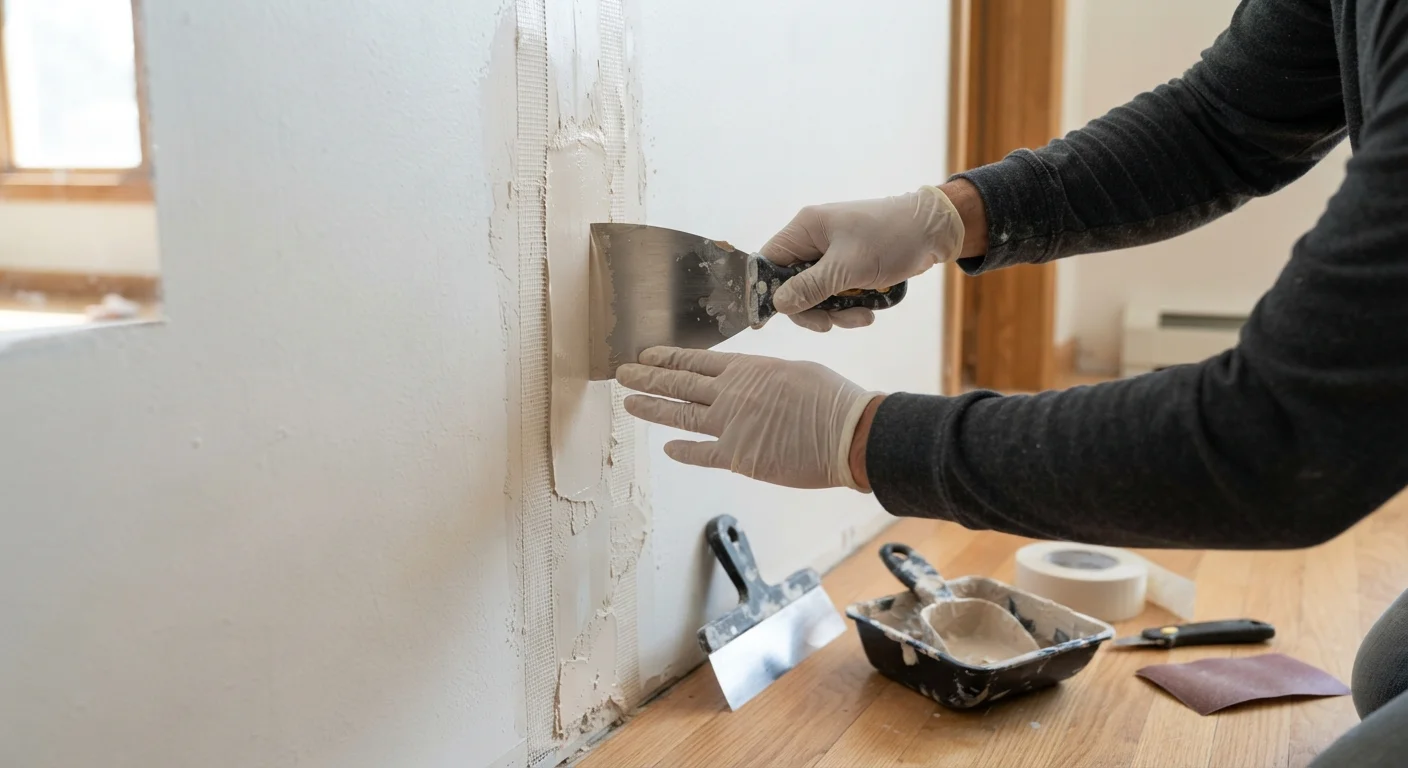
When evaluating your rooms, consider three factors: how much traffic the surface gets, how much moisture it's exposed to, and how smooth the underlying wall is. Rough or patched drywall hides better under a flat or matte finish; well-prepped smooth walls can carry a higher sheen without telegraphing flaws.
Room-by-Room Finish Recommendations
Matching finish to function is the core of a smart paint job. Here's a practical guide by room type:
- Living rooms and bedrooms: Matte or eggshell finishes work well in low-traffic, low-moisture spaces. They create a soft, sophisticated look. Eggshell is generally preferred over flat in bedrooms because it withstands occasional wiping.
- Kitchens: Satin or semi-gloss are the go-to choices. Both hold up to grease, steam, and regular cleaning. Semi-gloss is especially popular around the backsplash area and on cabinet doors.
- Bathrooms: Semi-gloss or satin for walls; semi-gloss for trim and door frames. Moisture resistance is the priority here. Flat paint in a bathroom is prone to mildew and surface damage.
- Hallways and stairwells: Eggshell or satin. These areas take consistent scuffs and shoulder contact. A slight sheen helps you wipe marks away without wearing down the finish.
- Trim, doors, and baseboards: Semi-gloss or high-gloss. Hard surfaces that take the most physical contact benefit from the toughest, most washable finishes.
- Ceilings: Flat or matte, almost always. Ceilings rarely need cleaning, and a flat finish minimizes the appearance of texture irregularities.
Primer Makes a Real Difference
Switching finish types - especially from a lower sheen to a higher one - works best when a coat of primer is applied first. Primer creates a consistent base that helps paint adhere evenly and display its intended sheen. Skipping this step often results in blotchy or uneven results, particularly on previously painted or patched walls.
One useful rule of thumb: the wetter or busier the space, the higher the sheen. The more you want walls to recede visually, the lower the sheen.
Common Mistakes and How to Avoid Them
A few missteps appear repeatedly when homeowners choose paint finishes:
- Using flat paint in the kitchen or bathroom. It absorbs moisture and doesn't clean well. Even a single semi-gloss coat offers dramatically better protection.
- Applying high-gloss on imperfect walls. High-gloss amplifies every bump, crack, and patch. Reserve it for doors and trim that can be properly sanded and primed.
- Mixing finishes without a plan. Inconsistent sheen levels across a single room can look unintentional. If you use eggshell on the walls, be deliberate about switching to semi-gloss on the trim - the contrast should look intentional, not accidental.
- Skipping primer. Switching from a dark matte wall to a light satin finish without primer can cause adhesion issues and uneven sheen. A bonding or tinted primer sets the surface correctly.
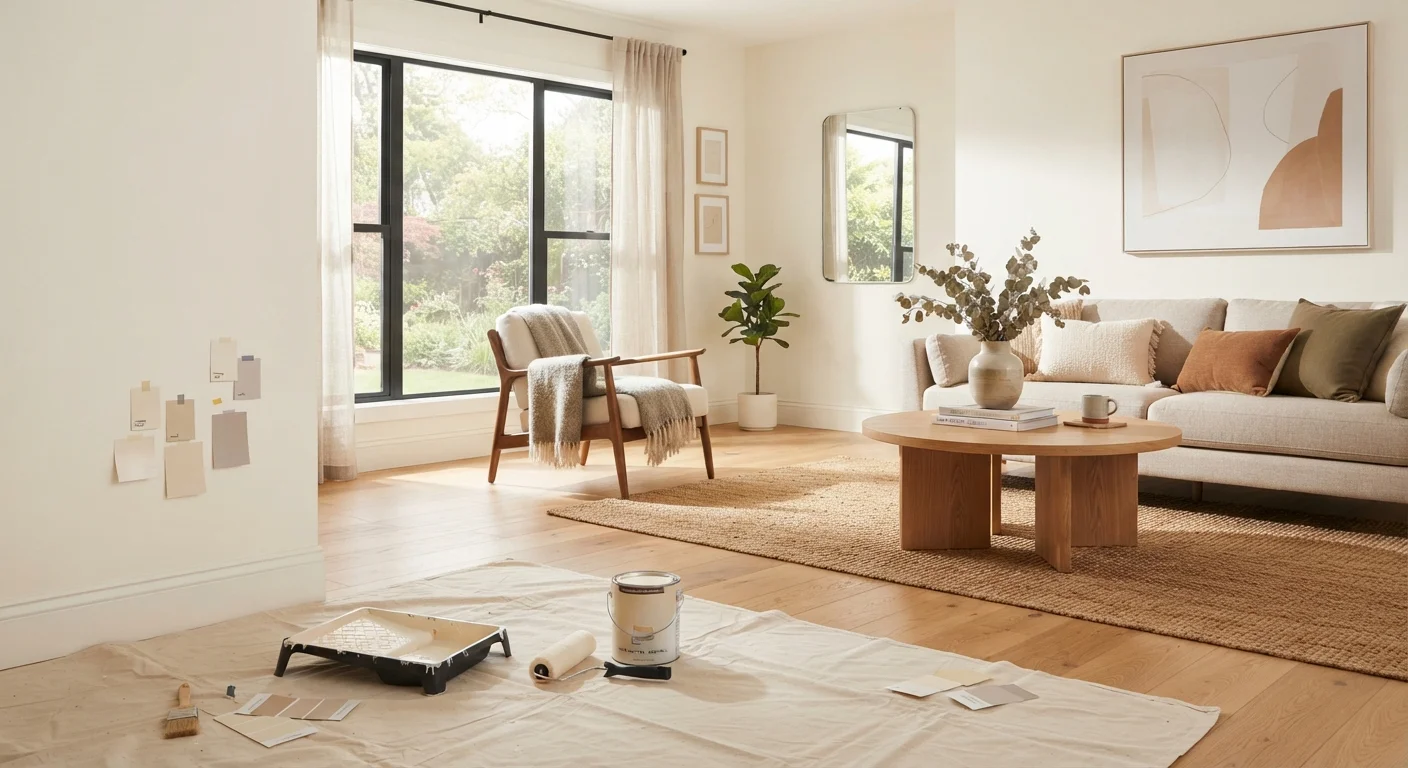
When in doubt, buying small sample sizes and testing patches under different lighting conditions - both natural and artificial - is the most reliable way to confirm your choice before committing to full coverage.