Why New Words Keep Appearing - and Why They Spread So Fast
Language has always evolved alongside culture, but social media has compressed the timeline dramatically. A phrase coined in a TikTok video can enter mainstream usage within weeks. These terms aren't just slang - they're compressed arguments about values, priorities, and frustrations that resonate with enough people to go viral.
Most of the cultural vocabulary emerging in the 2020s clusters around two fault lines: the relationship Americans have with work, and the relationship they have with consumption. Understanding what these phrases actually mean - rather than how they're used loosely online - helps clarify the underlying social shifts they represent.
For a broader look at how these attitudes are transforming the workplace, see how Americans' relationship with work has fundamentally changed.
| Primary platforms driving spread | TikTok, Instagram, X (formerly Twitter) |
| Year 'quiet quitting' peaked in search interest | 2022 (Google Trends data) |
| Origin of 'soft life' phrase | West African online communities |
| Cultural theme connecting most terms | Rejection of overwork and overconsumption norms |
| Related consumer trend | Underconsumption core / anti-haul content |
The Work Side: Quiet Quitting, Bare Minimum Mondays, and Setting Limits
Quiet quitting - one of the defining phrases of 2022 - does not refer to actually resigning. It describes performing only the duties explicitly outlined in a job description, without volunteering additional effort, emotional labor, or unpaid overtime. Critics frame it as disengagement; proponents argue it is simply refusing to subsidize employers with free labor.
Bare Minimum Mondays is a softer extension of the same philosophy: intentionally keeping the first workday of the week low-stakes to ease into the schedule and reduce the anxiety associated with a culturally loaded day. It spread primarily through TikTok content creators discussing burnout and work-life boundaries.
Hustle culture - the now-contested belief that relentless productivity is a virtue and identity - is the backdrop against which these terms gained traction. Its backlash produced not only quiet quitting but also a broader reassessment of what a satisfying professional life looks like.
Quiet Quitting
Doing exactly what a job requires - no more, no less - without volunteering extra effort beyond formal duties. Not an act of resignation, but of boundary-setting within employment.
Soft Life
A conscious lifestyle orientation that prioritizes comfort, ease, rest, and joy over grinding or enduring hardship. Originated in West African online communities before spreading globally.
Deinfluencing
A social media practice where creators actively discourage followers from buying hyped or unnecessary products, often as a critique of influencer marketing culture.
Hustle Culture
The belief system that equates relentless overwork and productivity with virtue and success. Now widely critiqued as a contributor to burnout and diminished well-being.
Underconsumption Core
An online aesthetic trend celebrating intentional minimalism - using products fully, avoiding impulse purchases, and framing restraint as both smart and environmentally responsible.
Bare Minimum Mondays
A practice of deliberately keeping Monday workloads light and low-pressure to reduce start-of-week anxiety and support sustainable work rhythms.
The Consumption Side: Deinfluencing, Soft Life, and Underconsumption Core
Deinfluencing emerged as a countermovement to traditional influencer marketing. Creators using this framing advise followers not to buy widely promoted products - often viral items on platforms like TikTok Shop - arguing that much of what gets marketed is unnecessary, overhyped, or environmentally wasteful. It represents a notable tension within influencer culture itself.
Soft life originated in West African online spaces before spreading broadly in the US. It describes a conscious orientation toward comfort, ease, and joy - rejecting the normalization of struggle as a prerequisite for worthiness. In practice, it surfaces as prioritizing rest, gentle routines, and pleasurable experiences over grind-and-sacrifice narratives.
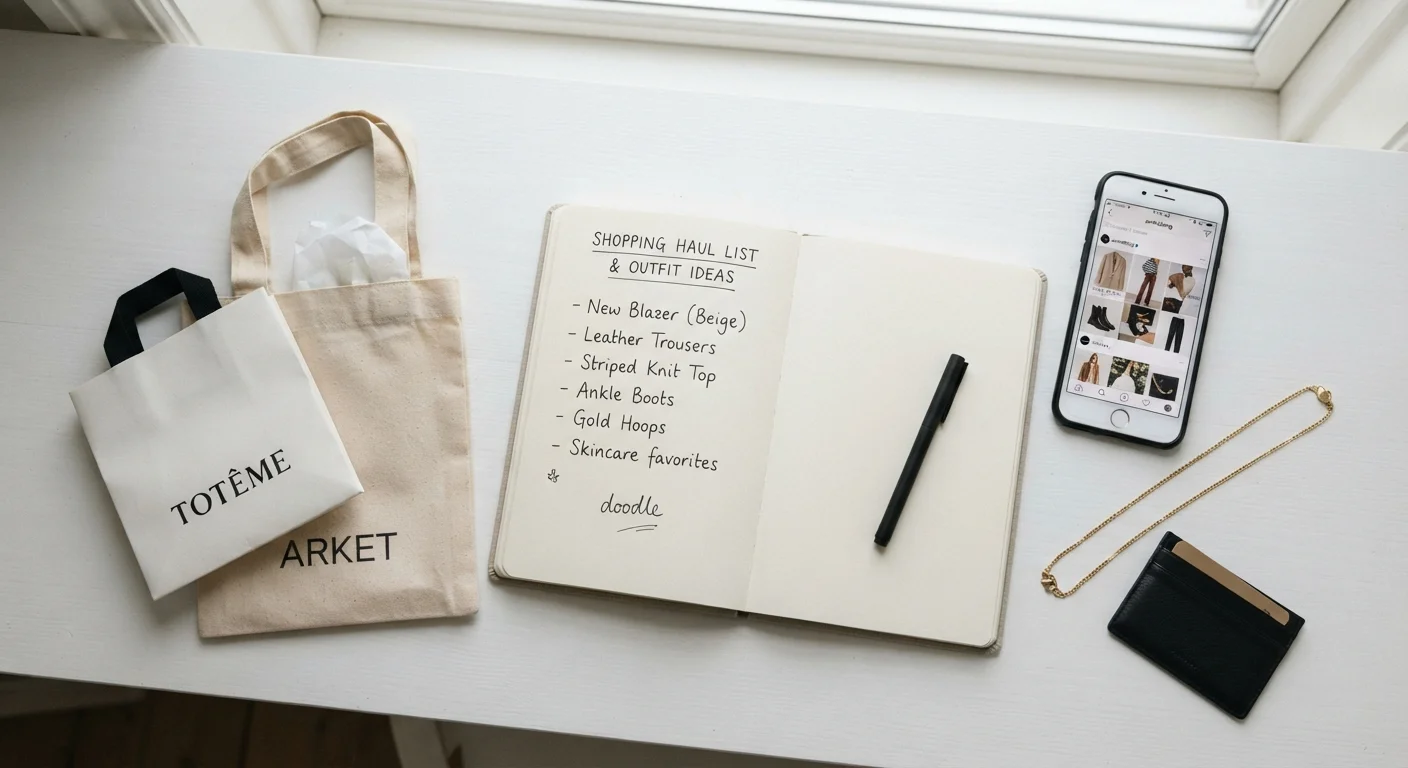
Underconsumption core is a more recent aesthetic trend on social platforms where users showcase intentional minimalism - using items until they're fully depleted, avoiding haul culture, and framing restraint as both financially sensible and environmentally conscious. It connects closely to the glossary of modern consumer trend terms that has emerged across shopping spaces.
59%
U.S. workers identifying as 'quietly quitting'
According to a 2023 Gallup workplace survey, roughly 59% of the global workforce reported being 'not engaged' - what Gallup characterized as quiet quitting.
~2022
Year deinfluencing emerged as a distinct TikTok trend
Media researchers and platform analysts documented the term's breakout in early 2023, following viral posts questioning popular product recommendations.
How to Read These Trends Without Overreading Them
Cultural vocabulary is descriptive before it is prescriptive. When a phrase like soft life trends, it signals that a recognizable experience - exhaustion, overextension, longing for ease - is widespread enough to need naming. It does not necessarily mean most Americans are adopting the lifestyle the phrase implies.
These terms also travel unevenly. A concept originating in Black or African digital communities may be adopted, stripped of context, and repackaged as a mainstream wellness trend - a pattern worth noting when tracing where language comes from. Similarly, terms coined as critique (quiet quitting as a pushback against exploitative expectations) can be reframed by media or management as a problem to be solved rather than a signal to be understood.
If you're encountering these terms in an online community for the first time, reading the room before participating is always a sound approach. And for context on the structural forces beneath these cultural shifts, eight long-term forces reshaping how Americans shop offers useful grounding.