The Ingredient Every Community Needs First
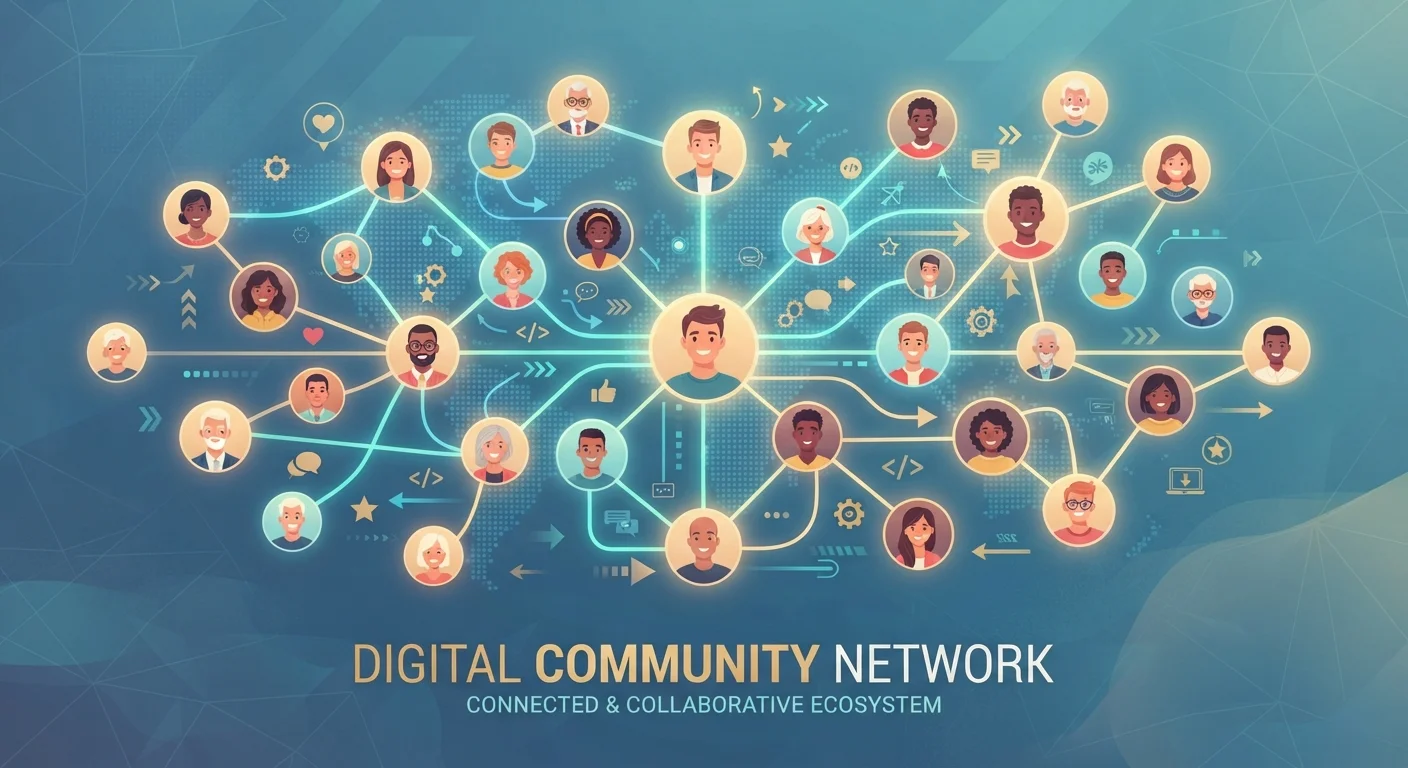
Not every digital gathering becomes a community. A comment section under a viral video has thousands of participants and almost no community at all. What separates the two is a shared purpose - a reason people return that goes beyond a single piece of content.
That purpose can be surprisingly specific. A forum for amateur sourdough bakers, a Discord server for fans of a niche tabletop game, or a Facebook group for parents of children with a rare medical condition - these work precisely because the shared focus is narrow enough to attract people who feel they have something in common. Broad, vague communities struggle to generate the sense of mutual recognition that makes membership feel meaningful.
Researchers who study online social behavior consistently point to identity as a core driver. When people feel that a community reflects something true about who they are - not just what they're interested in today - they invest more deeply and stick around longer.
76%
Americans who have participated in an online group or community
According to Pew Research Center survey data on social media and community participation among U.S. adults.
~3x
Higher retention when members contribute actively vs. lurk
Community research consistently shows active contributors are significantly more likely to remain long-term members than passive readers.
1%
Typical share of members who create most community content
The '1% rule' in online communities describes the common pattern where a small fraction of members generate the majority of posts and contributions.
Norms: The Social Architecture of Digital Spaces
Every community that lasts develops rules - some posted explicitly, many transmitted informally through example and correction. These norms govern tone, topic, how disagreements are handled, and what kind of humor is welcome. They are, in effect, the community's social contract.
Written rules in the form of pinned posts or community guidelines set baseline expectations, especially for newcomers. But the unwritten rules often carry more weight. A community might officially prohibit harassment while informally developing a norm around sarcasm, directness, or even elaborate inside jokes that signal who belongs. For a closer look at how these informal codes take shape, see how online communities develop their own social codes.
Norms also create friction, which is not always negative. Communities that make membership feel earned - through demonstrated knowledge, contribution, or adherence to shared values - tend to retain members more effectively than those with no barriers at all. Friction filters for commitment.
Reading a New Community Before You Post
Before contributing to an unfamiliar community, spend time observing how members interact - what tone is used, what gets upvoted or criticized, and what topics seem off-limits. Most community friction comes from newcomers who skip this step. For a more detailed guide, see how to participate without missteps.
Why Moderation Is Non-Negotiable
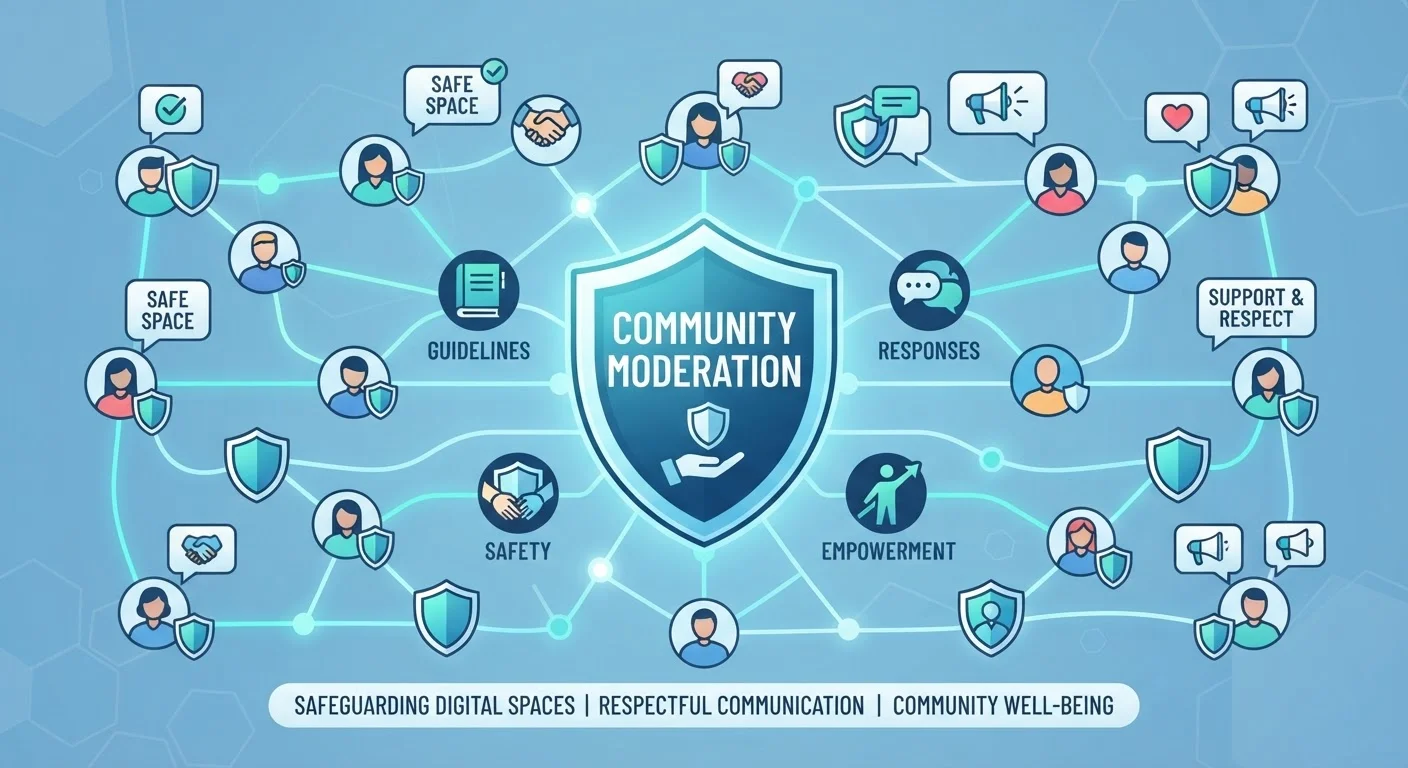
Even well-intentioned communities drift without active stewardship. Moderation - enforcing norms consistently and handling bad-faith actors - is less glamorous than community-building but more essential to community survival.
The research on this is fairly clear: communities that go unmoderated tend to attract rule-violating behavior over time, which drives out the constructive members and creates a downward spiral. Volunteer moderators power most of the internet's most durable communities, though the role carries real burnout risk.
Effective moderation isn't just punitive. It includes welcoming new members, resolving disputes before they escalate, and maintaining the community's stated purpose when discussions drift. Approaches that actually protect people in online communities range from human volunteer teams to automated tools, each with distinct trade-offs.
When Communities Mobilize Beyond the Screen
Some online communities develop enough cohesion to coordinate real-world action - mutual aid drives, political organizing, or fundraising. This capacity is generally a marker of a mature, high-trust community rather than a newer or more loosely organized one. How digital communities drive offline action is a pattern researchers and journalists have documented across many platforms and causes.
Participation, Ownership, and Why People Stay
Belonging is not just felt - it's built through contribution. Members who post, comment, help newcomers, or organize events develop a sense of ownership over the community that passive lurkers rarely achieve. That ownership is a retention mechanism: people don't abandon places they've helped build.
Platform structure plays a meaningful role here. As explored in how Reddit, Discord, and Facebook Groups organize community life, different platforms afford different kinds of participation - threaded debate, real-time conversation, or algorithmically surfaced posts - each shaping what kinds of communities can realistically form.
Communities that create visible pathways for contribution - roles, recognition, collaborative projects - tend to generate stronger member investment. The inverse is also true: when members feel their participation has no impact or isn't acknowledged, detachment follows. Understanding what drives people away from online communities often reveals that disengagement precedes departure by a wide margin.