The First Week: What to Do Right After You Buy
The moment you take possession of a vehicle, several practical responsibilities kick in immediately. Before you even leave the dealership or complete a private sale, you need active insurance coverage - driving without it is illegal in nearly every U.S. state and exposes you to serious financial liability.
Within days of purchase, you'll also need to handle the transfer of title (the legal document proving ownership) and initiate registration with your state's DMV or equivalent agency. Most states give you a short window - commonly 10 to 30 days - to complete these steps. During that period, a temporary permit or dealer tag usually allows you to drive legally.
Keep all purchase paperwork organized: the bill of sale, any warranty documents, the title transfer forms, and your financing agreement if applicable. These form the foundation of your ownership record and will be needed again when you eventually sell.
Set Up a Simple Ownership Folder
Create a physical or digital folder the day you buy your vehicle. Store the title, bill of sale, insurance declarations page, registration, warranty docs, and any financing paperwork together. Having these in one place saves significant time whenever you need to renew, file a claim, or sell.
Understanding Auto Insurance
Auto insurance is both a legal requirement and a financial safety net. Every state except New Hampshire mandates some minimum level of liability coverage, which pays for damage or injuries you cause to others. Beyond that legal floor, most owners carry additional coverage types.
- Collision coverage pays for damage to your own vehicle in an accident, regardless of fault.
- Comprehensive coverage handles non-collision events: theft, hail, flooding, or a deer strike.
- Uninsured/underinsured motorist coverage protects you if the other driver has little or no insurance.
Your premium is influenced by factors like your driving history, where the vehicle is garaged, the vehicle's age and value, and the deductible amounts you choose. Higher deductibles generally lower your premium but increase your out-of-pocket cost after a claim.
Review your policy at least once a year. If your vehicle's market value drops significantly, carrying comprehensive and collision may no longer be cost-effective relative to what an insurer would pay out.
Minimum Coverage Isn't Always Enough
State minimum liability limits are often far lower than the cost of a serious accident. If you cause a crash that exceeds your coverage limits, you can be held personally liable for the difference. Consider your assets and risk tolerance when selecting coverage levels - the legal minimum is a floor, not a recommendation.
Registration, Title, and Plates
The title is the legal proof that you own the vehicle. When you buy from a dealer, they typically handle the title transfer paperwork. In a private sale, both buyer and seller must sign the title, and the buyer submits it to the DMV along with the purchase price for tax calculation.
If you financed the vehicle, the lender holds the title (or a lien on it) until the loan is paid off. Once the loan is satisfied, you'll receive the clean title in your name.
Registration is renewed annually (or biennially in some states) and funds road infrastructure. You'll receive a registration sticker to display on your license plate. Fees vary widely by state and are often based on vehicle weight, age, or value.
Lien Releases and Out-of-State Titles
If you're buying a used vehicle that was financed in another state, confirm the lien has been fully released before completing the purchase. An unreleased lien means the previous lender still has a legal claim on the vehicle, which can complicate your own title transfer significantly.
Moving to a new state? You typically have 30 to 90 days to re-register your vehicle and obtain in-state plates. Check your new state's DMV website for the exact window and required documents.
Routine Maintenance: What It Is and Why It Matters
Routine maintenance is preventive work done on a schedule - not in response to a problem. It's the single most reliable way to extend a vehicle's life, preserve fuel efficiency, and catch small issues before they become expensive ones.
Key maintenance intervals to know:
- Oil changes: Intervals vary by vehicle and oil type - consult your owner's manual rather than assuming a universal mileage figure.
- Tire rotation and pressure checks: Uneven wear shortens tire life and affects handling.
- Brake inspection: Brake pads and rotors wear gradually; squealing or longer stopping distances are warning signs.
- Air filters, coolant, and transmission fluid: Each has a service interval listed in your owner's manual.
Your owner's manual is the authoritative source for your specific vehicle's schedule - not generic mileage rules you may hear. For a deeper look at each system, see our complete beginner's overview of car maintenance.
~$1,000
Average annual car maintenance cost per vehicle
AAA's annual 'Your Driving Costs' study consistently estimates routine maintenance and tire costs in this range for typical passenger vehicles.
1 in 8
U.S. drivers estimated to be uninsured
The Insurance Research Council has reported that roughly 1 in 8 drivers on U.S. roads carries no auto insurance, underscoring the value of uninsured motorist coverage.
Staying current on maintenance also connects to safe driving habits more broadly - the Driving & Road Life hub covers road safety considerations that complement good vehicle upkeep.
Unexpected Repairs and When to Call a Mechanic
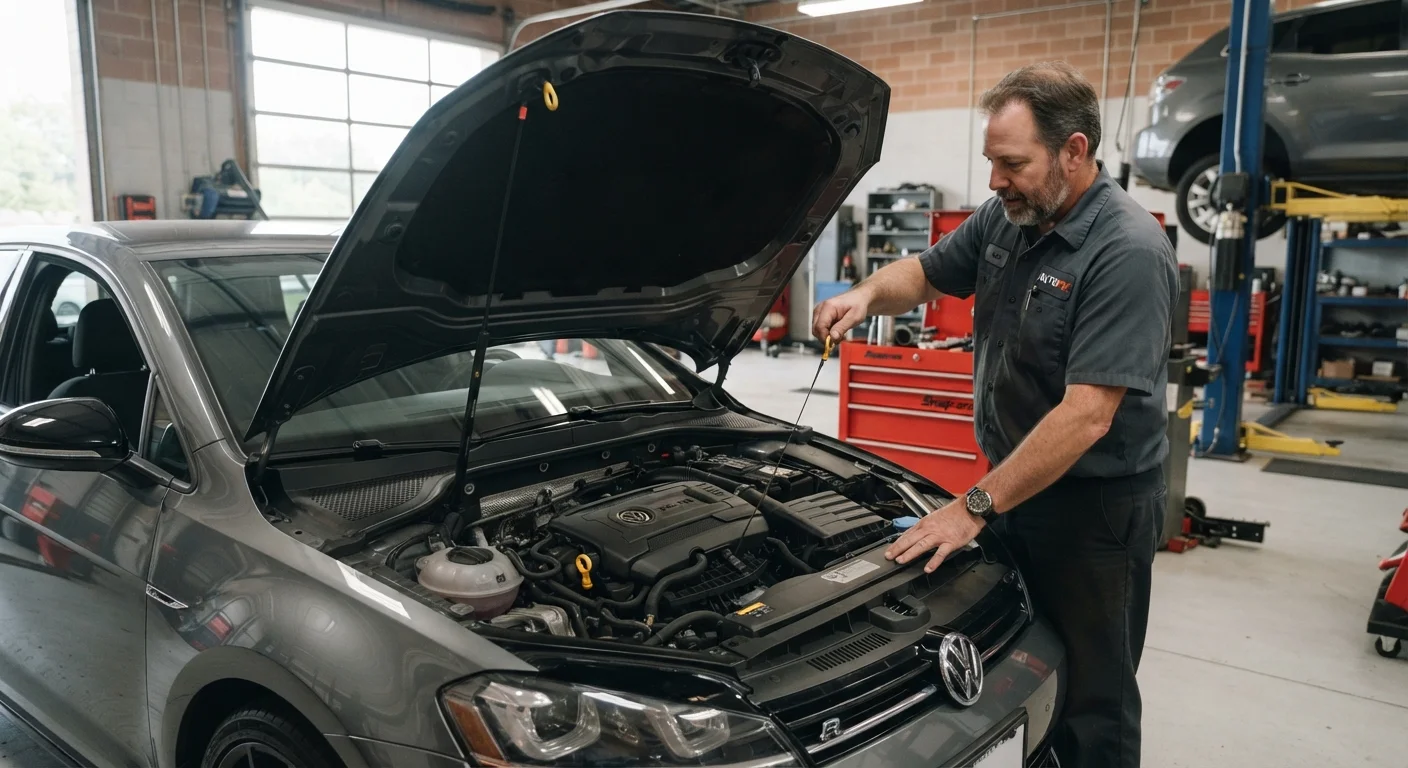
Even well-maintained vehicles need unplanned repairs. Warning lights, unusual sounds, fluid leaks, and handling changes are signals that something needs attention - and ignoring them typically increases repair costs.
Some jobs are reasonable DIY tasks for a mechanically inclined owner: replacing wiper blades, swapping an air filter, or changing a cabin filter. Many others - brake work, suspension components, anything involving the fuel or electrical system - should be handled by a qualified mechanic. Attempting complex repairs without the right tools, training, or a safe workspace can cause injury or further damage.
When choosing a repair shop, look for ASE-certified technicians (ASE stands for the National Institute for Automotive Service Excellence), get written estimates before work begins, and ask for the replaced parts back when feasible. Keeping all repair receipts creates a service history that matters when you sell.
When you get a repair estimate, ask the mechanic to walk you through what they found and why each item is necessary. A reputable shop will welcome the question - and it helps you distinguish urgent safety repairs from optional or deferred work.
Informed customers make better decisions and are less likely to approve unnecessary work. Understanding the 'why' behind a repair also helps you recognize the same issue earlier in the future.
Take a quick walk-around video of your vehicle every time you drop it off for service. Note any existing scratches or dents on camera before handing over the keys.
Disputes about pre-existing damage are common and difficult to resolve without documentation. A dated video with visible existing conditions protects both you and the shop.
Selling or Trading In Your Vehicle
Ownership ends either with a private sale, a dealer trade-in, or a donation. Each path has different financial and logistical implications.
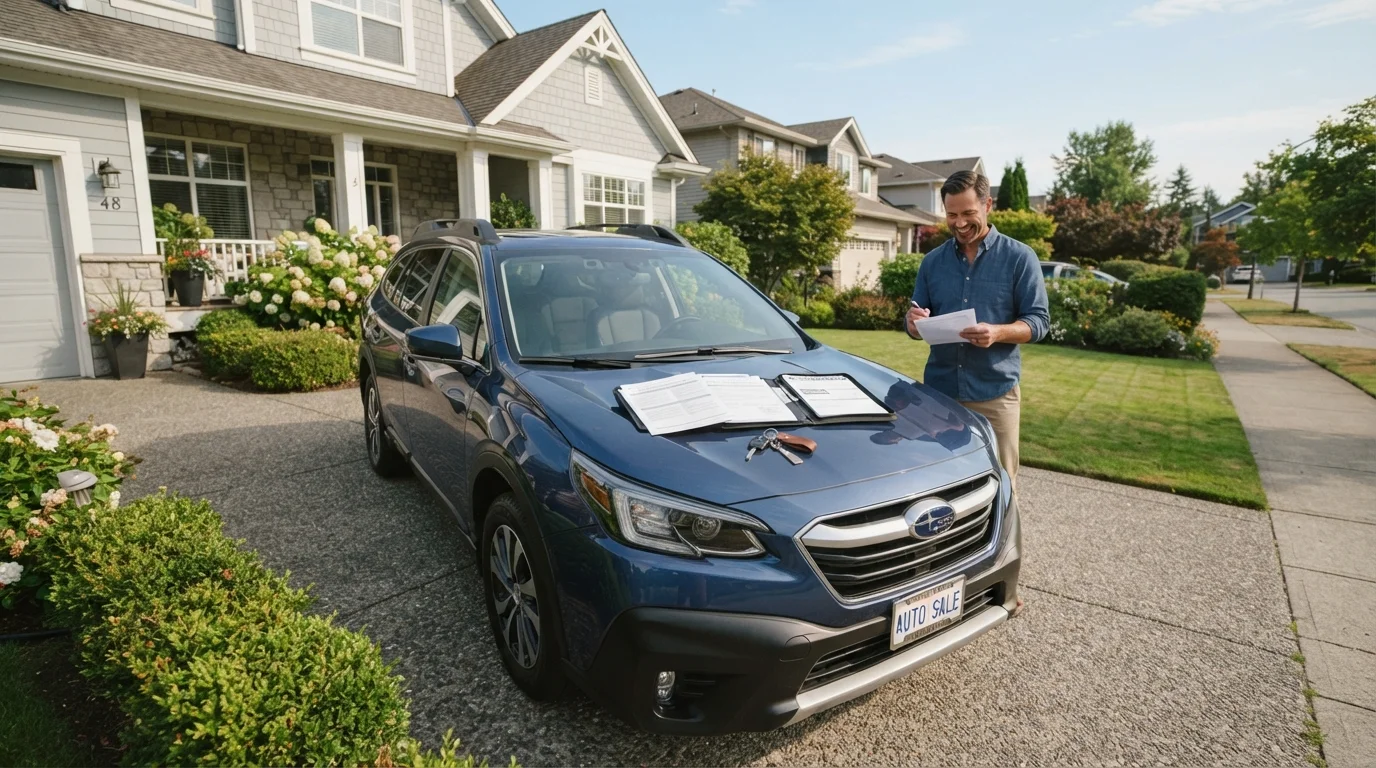
In a private sale, you typically receive a higher price but manage the transaction yourself: advertising, test drives, negotiations, and transferring the title correctly. Always complete the title transfer at the DMV or through the official process - never hand over a signed title without receiving payment, and never accept a personal check for the full amount without verifying funds.
A trade-in at a dealership is more convenient but usually yields less money. The dealer factors the trade-in value against the purchase of your next vehicle. The net financial outcome depends heavily on your negotiation and market conditions at the time.
Regardless of method, gather your clean title, a current registration, and your documented service history. A well-documented vehicle signals to buyers that it was cared for - and that record starts from day one of ownership. For ongoing guidance on keeping your vehicle in shape throughout ownership, the Car Maintenance hub is a useful reference to bookmark.
This article provides general educational information about vehicle ownership. Regulations, fees, and requirements vary by state. Always verify current requirements with your state's DMV and consult a licensed insurance professional for coverage decisions specific to your situation.