Why Maintenance Matters More Than Most Drivers Realize
A car is one of the most mechanically complex things most people own - and one of the most financially significant. Yet many first-time owners don't open the hood until a warning light forces them to. That's understandable, but it's also one of the fastest ways to turn a small issue into an expensive repair.
Routine maintenance isn't about being a mechanic. It's about understanding the basic systems well enough to notice when something seems off, keep up with scheduled service, and avoid avoidable breakdowns. If you're new to car ownership, this guide is your foundation. For everything involved in owning a vehicle beyond maintenance, see our first-time owner overview.
35%
Vehicles with at least one underinflated tire
According to the National Highway Traffic Safety Administration, roughly one in three vehicles on U.S. roads has at least one significantly underinflated tire.
$100B+
Annual cost of neglected vehicle maintenance
The Car Care Council has estimated that neglected vehicle maintenance costs U.S. motorists over $100 billion annually in repairs that could have been prevented.
Engine Oil: The Lifeblood of Your Car
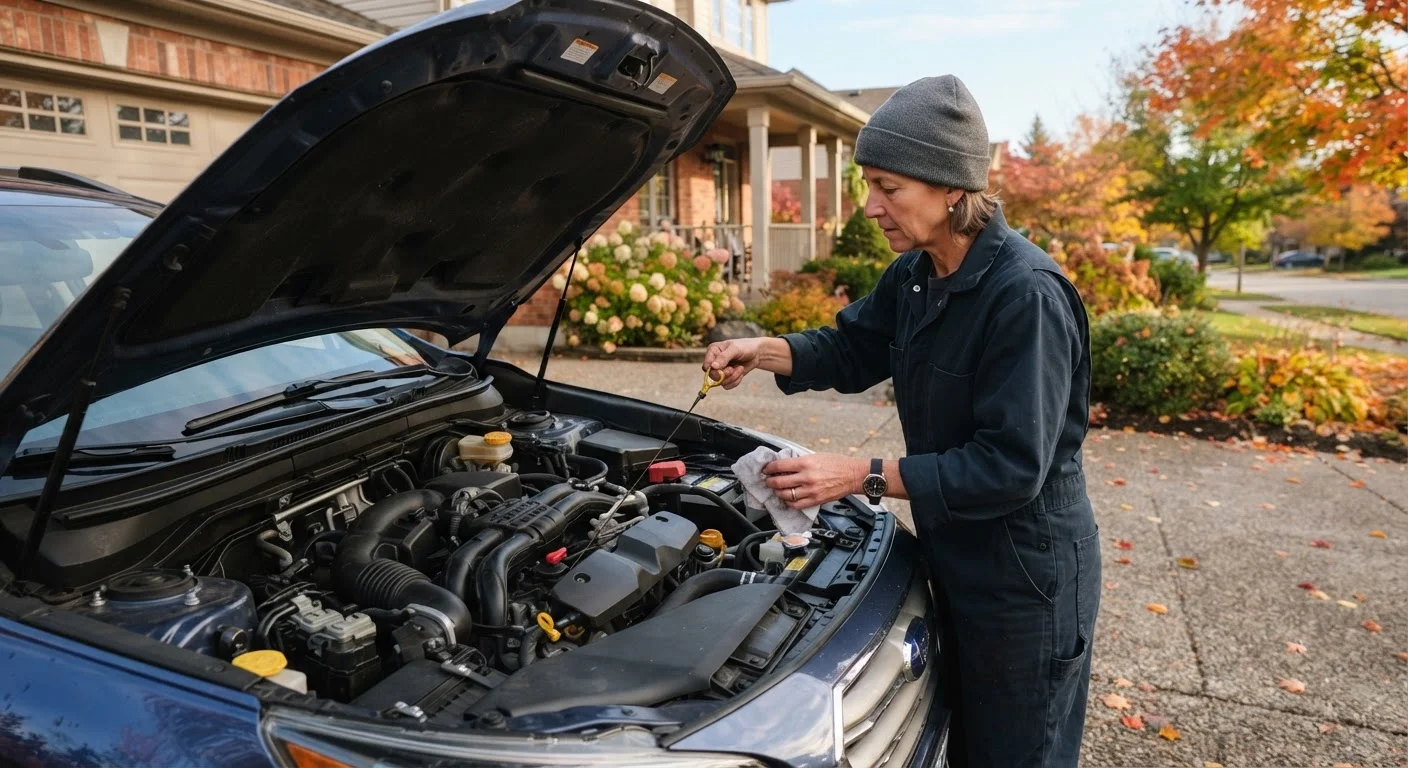
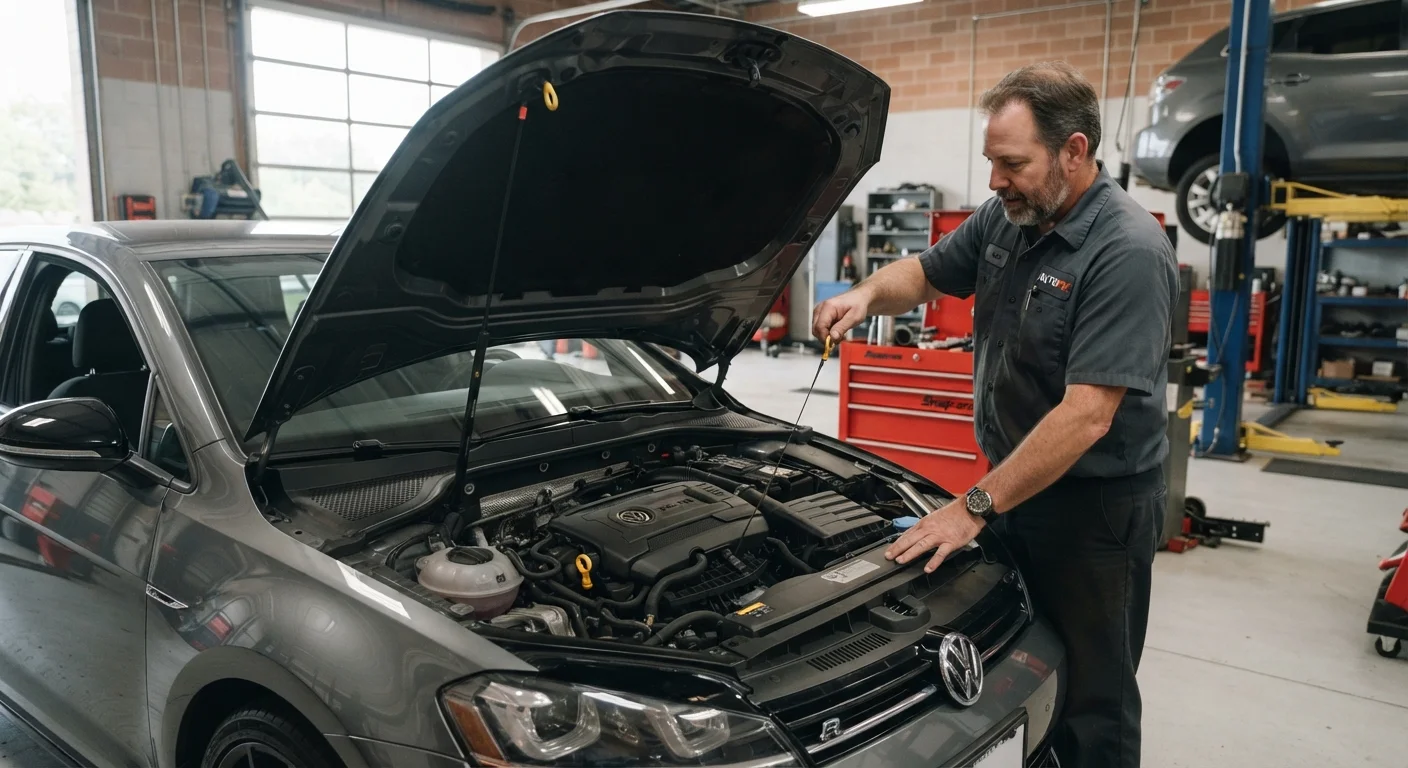
Engine oil lubricates hundreds of moving metal parts inside your engine, reducing friction and heat. Without it, those parts grind against each other and can fail within minutes. Checking your oil level takes about two minutes: with the engine off and cool, pull the dipstick (usually a brightly colored loop), wipe it clean, reinsert it fully, then pull it again to read the level. It should fall between the two marks on the dipstick.
Oil also gets dirty over time as it picks up combustion byproducts. That's why it needs to be changed - not just topped off. The traditional interval of every 3,000 miles is outdated for most modern vehicles; many manufacturers now recommend changes every 5,000 to 10,000 miles depending on oil type and driving conditions. Your owner's manual has the exact figure for your car.
Check your oil level before any long road trip, not just on your regular schedule. Temperature extremes and highway driving can put extra stress on engine oil.
Oil consumption can increase under sustained high-speed or high-load driving, and catching a low level before a long trip is far easier than dealing with engine trouble mid-journey.
When in doubt about which oil your car takes, use the owner's manual - not what the shop suggests at the counter. Viscosity matters, and using the wrong grade can affect fuel economy and engine protection.
Engine oil specifications vary by vehicle and are engineered to match specific tolerances; the manufacturer's recommendation reflects real design requirements, not preference.
Low oil or oil that looks very dark and gritty on the dipstick are both signs to bring up with a mechanic promptly.
Tires: Your Only Contact With the Road
Tires affect braking, handling, fuel efficiency, and safety more than almost any other component. There are three things every driver should monitor regularly.
- Tire pressure: Measured in PSI (pounds per square inch), correct tire pressure is listed on a sticker inside your driver's door jamb - not on the tire sidewall, which shows the maximum pressure. Check pressure when tires are cold for an accurate reading. A basic pressure gauge costs just a few dollars.
- Tread depth: Worn tread reduces grip, especially on wet roads. The classic penny test - inserting a penny into a tread groove with Lincoln's head pointing down - is a rough indicator. If you can see the top of Lincoln's head, tread is low and replacement is worth considering.
- Visual inspection: Walk around your car periodically and look for obvious bulges, cracks, or nails embedded in the tread.
For a broader look at seasonal tire considerations, our seasonal check-up guide walks through what to check as conditions change.
Other Fluids You Should Know About
Modern cars rely on several fluids beyond engine oil. You don't need to check all of them weekly, but knowing what they do - and roughly where they live - helps you understand your car better.
Never Open a Hot Radiator Cap
Coolant systems are pressurized, and opening a radiator cap when the engine is hot can cause scalding fluid to spray out suddenly. Always let the engine cool completely before checking or adding coolant. If your temperature gauge is reading high, pull over safely and let the car cool before investigating.
- Coolant (antifreeze)
- Keeps your engine from overheating in summer and freezing in winter. Check the reservoir (a translucent plastic tank near the radiator) when the engine is cold.
- Brake fluid
- Transfers the force from your brake pedal to your brakes. It absorbs moisture over time, which reduces its effectiveness.
- Transmission fluid
- Lubricates the transmission. Some vehicles have a dipstick for this; others require a shop inspection. Check your manual.
- Windshield washer fluid
- The one fluid you can safely top up yourself at home without any mechanical knowledge.
Running low on any of these - especially coolant or brake fluid - can lead to serious mechanical or safety problems. If a dashboard warning light comes on, don't ignore it.
Brakes, Belts, and Filters
Brakes are your most important safety system. The brake pads (which press against a metal rotor to slow the car) wear down over time. Common warning signs include a squealing or grinding noise when braking, a vibration in the pedal, or the car pulling to one side. If you hear or feel anything unusual, have a qualified mechanic inspect your brakes before driving further than necessary.
The timing belt or timing chain synchronizes the engine's internal moving parts. Some vehicles use a rubber belt that must be replaced at a specific mileage interval (often between 60,000 and 100,000 miles). If this belt snaps while driving, serious and costly engine damage can result. Your owner's manual will tell you which type your vehicle has and whether a replacement interval applies.
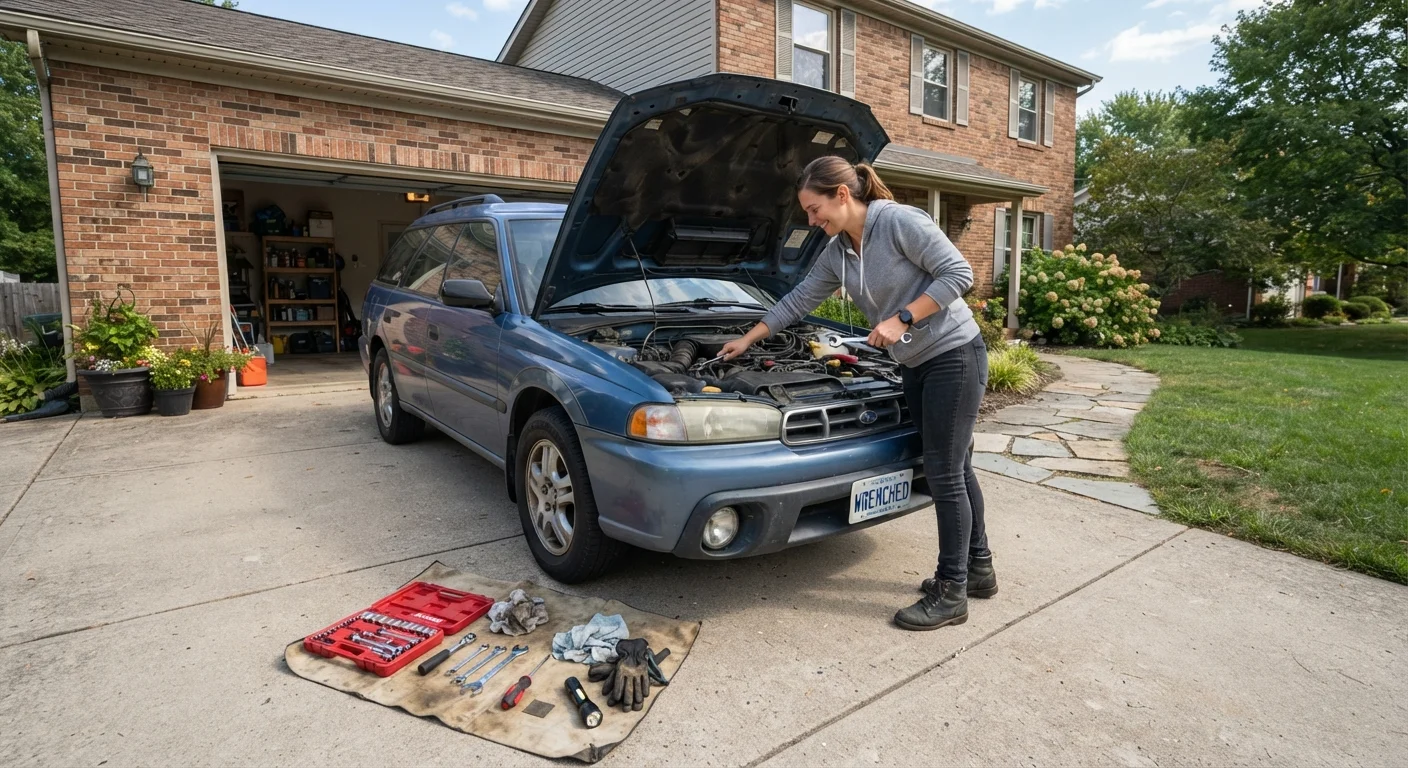
Air and cabin filters are among the simplest items to check. The engine air filter keeps dust and debris out of the engine; the cabin air filter cleans the air that comes through your vents. Both typically need replacement every 15,000-30,000 miles, though driving in dusty conditions shortens that. Our DIY maintenance guide covers which of these tasks are genuinely beginner-friendly.
Don't Ignore Dashboard Warning Lights
A check engine light, oil pressure warning, or temperature gauge in the red zone all signal that something needs attention - sometimes urgently. Continuing to drive without investigating can turn a minor issue into a major failure. If a light comes on and you're unsure what it means, consult your owner's manual or have the vehicle inspected promptly.
Using Your Owner's Manual and Building a Maintenance Habit
The single most valuable tool for any car owner isn't a wrench - it's the owner's manual. It contains the exact maintenance schedule for your specific vehicle, including oil change intervals, fluid types, tire pressure specs, and replacement timelines for belts and filters. If your car didn't come with one, most manufacturers make them available online for free by searching your vehicle's make, model, and year.
Building a routine doesn't have to be complicated. A monthly five-minute walkaround - checking tire pressure, glancing at fluid levels, and looking for any new leaks under the car - catches most issues early. Keep a simple log of services performed and when, whether in a notes app or a small notebook in the glovebox.
For a structured approach through the year, the seasonal car check-up routine provides a ready-made checklist. And for a comprehensive look at all the responsibilities that come with owning a vehicle, car ownership end to end is a solid next read.
Start a Simple Maintenance Log
Write down the date, mileage, and what was done every time your car is serviced. This record helps you stay on schedule, supports warranty claims, and adds to your car's resale value. A notes app on your phone works just as well as a paper log.