Why These Myths Stick Around
Car maintenance advice travels fast - from a parent in a driveway, a coworker at lunch, or a meme shared online. The problem is that much of this advice was written for vehicles that no longer exist. Engine technology, motor oil chemistry, and fuel systems have changed dramatically over the past few decades, but the folklore hasn't kept up.
The result: millions of drivers spend money on services they don't need, or skip ones that actually matter. The myths below are among the most common and most costly. For each one, the correction comes straight from what automakers and automotive engineers actually recommend - not from tradition or habit.
For a broader look at how consumer beliefs drive unnecessary spending, see consumer myths that keep people overspending.
The Myths - and What's Actually True
Work through these one by one. Some may surprise you; others might confirm a suspicion you've had for years. Either way, your wallet and your car will benefit from getting these straight.
Myth
You need to change your oil every 3,000 miles.
Fact
Most modern vehicles can go 5,000 to 10,000 miles - or more - between oil changes, depending on the oil type and driving conditions.
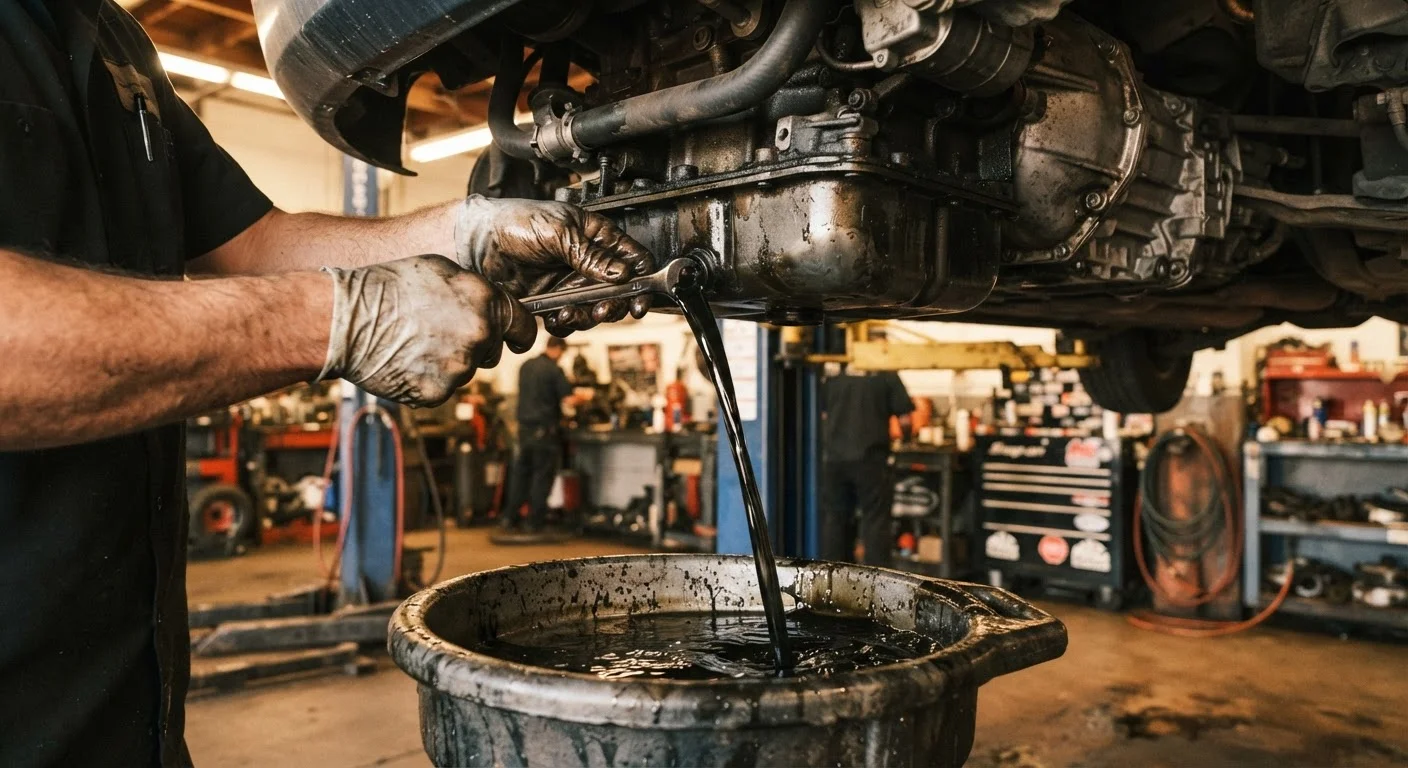
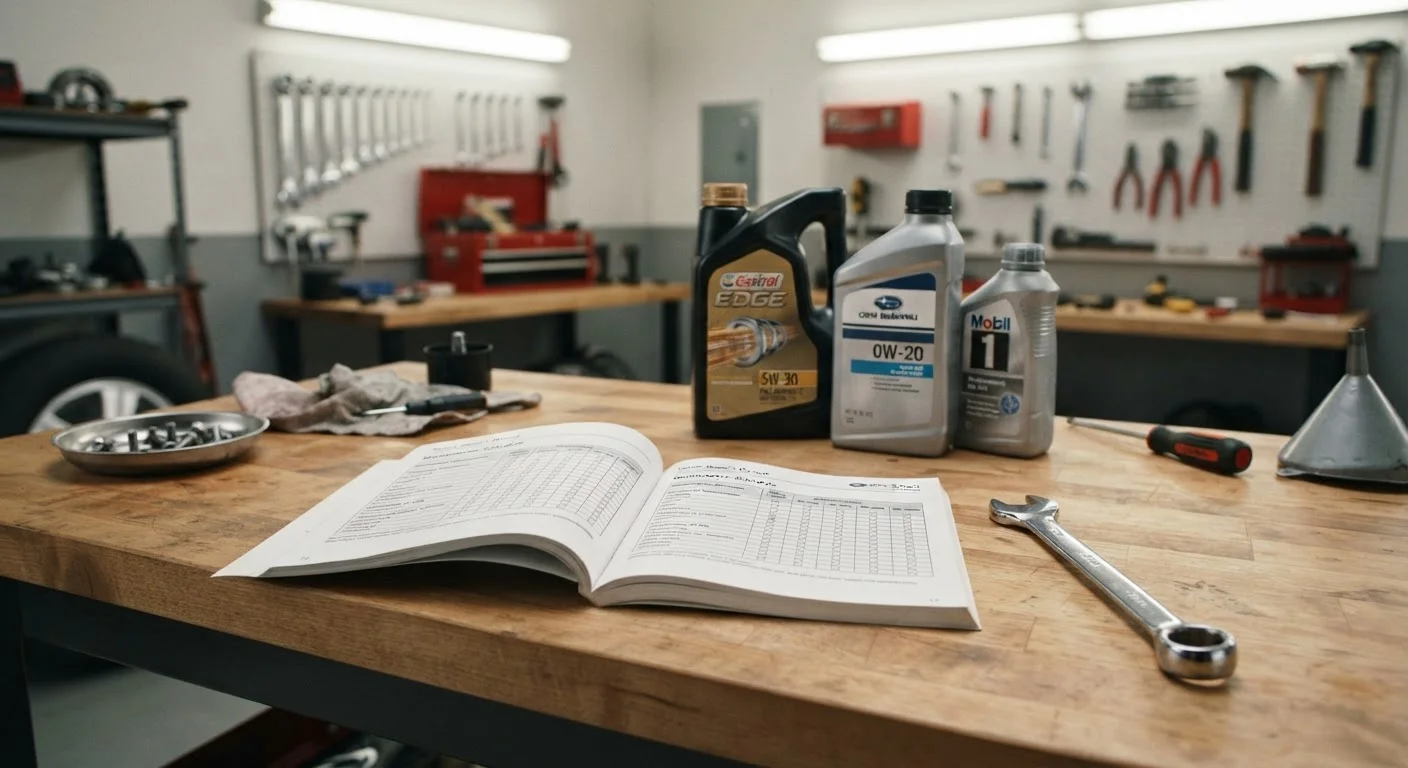
The 3,000-mile rule dates to an era of older engines and conventional motor oil. Today's synthetic and synthetic-blend oils are engineered to last considerably longer, and modern engines run cleaner. Your owner's manual specifies the actual recommended interval for your vehicle. Following it - rather than the more conservative rule - can save you several unnecessary service visits per year without any harm to your engine. For more on this, see the difference between synthetic and conventional oil.
Myth
Premium fuel makes any car run better.
Fact
Premium fuel only benefits engines that require or recommend it. In most standard engines, it provides no performance advantage.
Higher-octane fuel is designed for engines with high compression ratios that would otherwise experience engine knock - an uncontrolled combustion event. If your vehicle's fuel door or owner's manual says "premium required," use it. If it says "regular unleaded" or even "premium recommended," the benefit of paying more is minimal to none for most everyday driving. Running premium in an engine built for regular fuel is simply an unnecessary expense.
Myth
Let your car warm up by idling for several minutes before driving in cold weather.
Fact
Modern fuel-injected engines warm up faster and more efficiently when driven gently, rather than sitting at idle.
Extended idling made sense for older carbureted engines. Today's vehicles use electronic fuel injection and reach operating temperature more quickly under a light load. A brief idle of 30 seconds or so is generally sufficient before pulling away and driving calmly until the temperature gauge rises. Prolonged idling wastes fuel, adds engine wear, and in enclosed spaces raises carbon monoxide concerns.
Myth
Inflate your tires to the number printed on the sidewall.
Fact
The number on the tire sidewall is the maximum allowable pressure, not the recommended operating pressure for your vehicle.
The correct tire pressure for your car is printed on a sticker inside the driver's door jamb or in the owner's manual - and it's specific to that vehicle's weight and handling requirements. Overinflating to the sidewall maximum can reduce traction and cause uneven wear. Underinflating hurts fuel economy and can damage the tire. Check pressure monthly and adjust to the vehicle specification, not the tire's maximum. Small habits like this are part of what quietly shortens a car's lifespan when ignored.
Myth
You must use the dealership for all maintenance to keep your warranty valid.
Fact
Under the Magnuson-Moss Warranty Act, manufacturers generally cannot void your warranty simply because you used an independent shop.
This myth keeps many owners paying dealer prices for routine work they could have done elsewhere. Federal law generally protects consumers' right to have their vehicles serviced at independent repair shops without losing their warranty, as long as the work is performed correctly and the proper parts are used. Keep your service records as documentation. There are exceptions for some specialized work - check your warranty terms and consult a mechanic or legal resource if you have specific concerns.
5,000-10,000 mi
Typical oil change interval for modern vehicles
Most automaker owner's manuals recommend intervals well beyond 3,000 miles, especially with synthetic oil.
~32%
U.S. vehicles with underinflated tires
The U.S. Department of Transportation has estimated that a significant share of vehicles on American roads are driven with at least one underinflated tire.
Where to Find Reliable Maintenance Guidance
The single most trustworthy source for your car's maintenance schedule is the owner's manual that came with the vehicle. It tells you exactly what interval your manufacturer recommends for oil changes, tire rotations, brake inspections, and more - based on that specific engine and drivetrain. If you've lost your manual, most automakers make digital versions available through their websites.
Some vehicles also display a maintenance reminder or oil life monitor on the dashboard. These systems track driving conditions in real time and alert you when service is actually due, rather than relying on a fixed mileage estimate.
Don't Skip Maintenance - Just Do the Right Maintenance
Pushing back against outdated advice is not the same as skipping upkeep. Tire rotations, brake inspections, air filter checks, and fluid top-offs are all genuinely important and shouldn't be neglected. The goal is spending on what your vehicle actually needs, not on habits carried over from a different era of automotive engineering.
Want to know which maintenance tasks you can safely handle yourself? DIY car maintenance guidance can help you figure out where to draw the line. And if you're curious about the full story on oil changes specifically, our detailed look at how often oil changes are really needed breaks it all down.
This article is for general informational purposes. Always consult a qualified mechanic for diagnosis or repair decisions specific to your vehicle.