
The Gap Between Intent and Impact
When someone we care about is visibly stressed, the instinct to fix it quickly is genuine and kind. Phrases like "just relax," "don't worry about it," or "you're overthinking things" feel helpful in the moment - but research in psychology consistently shows they often produce the opposite effect.
The core problem is a mismatch between what the speaker intends and what the listener receives. To the person who is struggling, these phrases can communicate that their experience is irrational, small, or inconvenient. Rather than feeling soothed, they may feel judged, misunderstood, or more isolated than before. This phenomenon is sometimes described as invalidation - the experience of having one's emotional state dismissed rather than acknowledged.
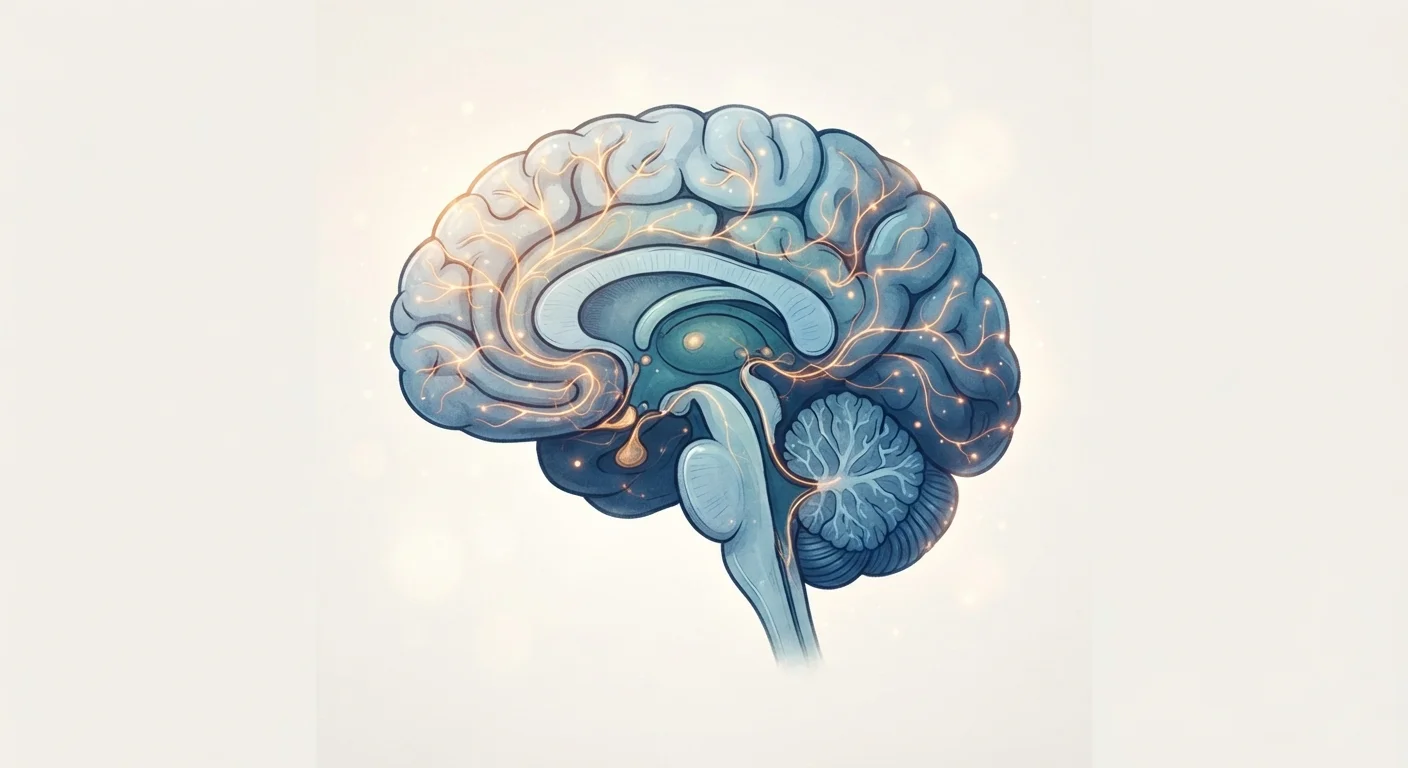
Understanding why this happens is the first step toward actually helping. To do that, it helps to know what stress actually does inside the body. Learn how stress reshapes brain function and hormone levels - context that makes dismissive advice look even less useful.
Common Mistakes When Responding to Someone's Stress
Most of these errors come from a place of care. Recognizing them isn't about assigning blame - it's about upgrading the tools we use when someone needs support.
Offering unsolicited solutions before acknowledging the person's feelings.
Why it happens: Problem-solving feels productive. Many people default to fix-it mode because sitting with someone's distress is uncomfortable and solutions seem like an act of care.
Minimizing the stressor by comparing it to worse situations.
Why it happens: Perspective-setting seems logical: if you can see bigger problems exist, stress should lessen. But emotional distress doesn't respond to comparative logic in the short term.
Telling someone to calm down or relax as if it were a simple choice.
Why it happens: From the outside, relaxation looks voluntary. Many people don't realize that stress triggers an involuntary physiological cascade - elevated cortisol, accelerated heart rate, muscle tension - that doesn't respond to commands.
Projecting your own coping preferences onto someone else.
Why it happens: If exercise, distraction, or talking things through works for you, recommending it feels generous. But stress responses and helpful coping strategies vary significantly between individuals.
Withdrawing or going quiet because you don't know what to say.
Why it happens: Fear of saying the wrong thing can cause well-meaning people to disengage entirely, especially when the situation feels emotionally heavy or unfamiliar.
If you want to go deeper on showing up for someone struggling without compromising your own well-being, see our practical guide to supporting others without burning out.
What Actually Works Instead
~70%
Adults who prefer emotional support over advice
Research in social psychology consistently finds that people under stress primarily want to feel heard rather than advised - especially in the initial stage of distress.
2x
Likelihood of seeking help after feeling validated
Studies on therapeutic alliance suggest that perceived validation significantly increases the likelihood that a person will engage with further support or professional resources.
Effective support is less about saying the right thing and more about resisting the urge to fix. A validated, heard person is far more likely to move toward calming strategies than one who has been told their reaction is excessive.
Start by naming what you observe without judgment: "You seem really overwhelmed right now - I'm here." Ask open questions rather than offering solutions: "What would feel most helpful right now?" And when in doubt, simply staying present without offering advice is more powerful than most people expect.
When Support Isn't Enough
Supportive conversation is valuable, but it is not a substitute for professional care. If someone's stress is persistent, escalating, or accompanied by physical symptoms, low mood, or expressions of hopelessness, encourage them - gently and without pressure - to speak with a licensed mental health professional or their primary care provider. In the United States, the 988 Suicide and Crisis Lifeline is available around the clock for anyone in acute distress.
If stress is persistent, interfering with daily life, or accompanied by symptoms like sleep disruption, physical complaints, or low mood, it warrants professional attention - not just better conversational support. Encourage the person to speak with a qualified healthcare provider. This article is general health information and does not constitute medical advice.
This article is for informational purposes only and is not a substitute for professional mental health or medical advice. Always consult a qualified healthcare provider regarding any concerns about mental health symptoms or treatment.