Why Nutritional Needs Change With Age
The human body is not static. From the moment we reach adulthood, our physiology continues to evolve - hormone levels shift, muscle mass fluctuates, digestive efficiency changes, and the risk profile for chronic disease gradually transforms. Nutrition is one of the most responsive levers available to support health at each of these stages, yet dietary guidance is often presented as though a single set of rules applies to everyone.
The Dietary Reference Intakes (DRIs) published by the National Academies of Sciences, Engineering, and Medicine reflect this reality by establishing separate nutrient targets for distinct age groups. What counts as adequate intake in your 20s may be insufficient - or excessive - in your 60s. Understanding why these shifts occur is the first step toward making more intentional choices.
This article is for general educational purposes only and does not constitute medical or dietary advice. For guidance tailored to your specific health circumstances, consult a registered dietitian or qualified healthcare professional.
~1-2%
Decline in resting metabolic rate per decade
Research published in Science (2021) found that metabolic rate is relatively stable from young adulthood through middle age, with more significant declines emerging after 60.
~40%
Older adults at risk of vitamin B12 deficiency
Studies estimate that up to 40% of older adults may have low-normal or deficient B12 levels, largely due to reduced gastric acid secretion with age.
1 in 2
Adults over 50 affected by osteoporosis or low bone mass
According to the National Osteoporosis Foundation, approximately half of U.S. adults over 50 have low bone density, making calcium and vitamin D intake a significant public health concern.
Young Adulthood (20s-30s): Building Your Foundation
The 20s and early 30s are characterized by relative physiological peak - bone density reaches its maximum around age 30, and metabolic rate is generally at its highest. This makes early adulthood a critical window for building reserves that the body will draw on for decades.
Key priorities during this stage:
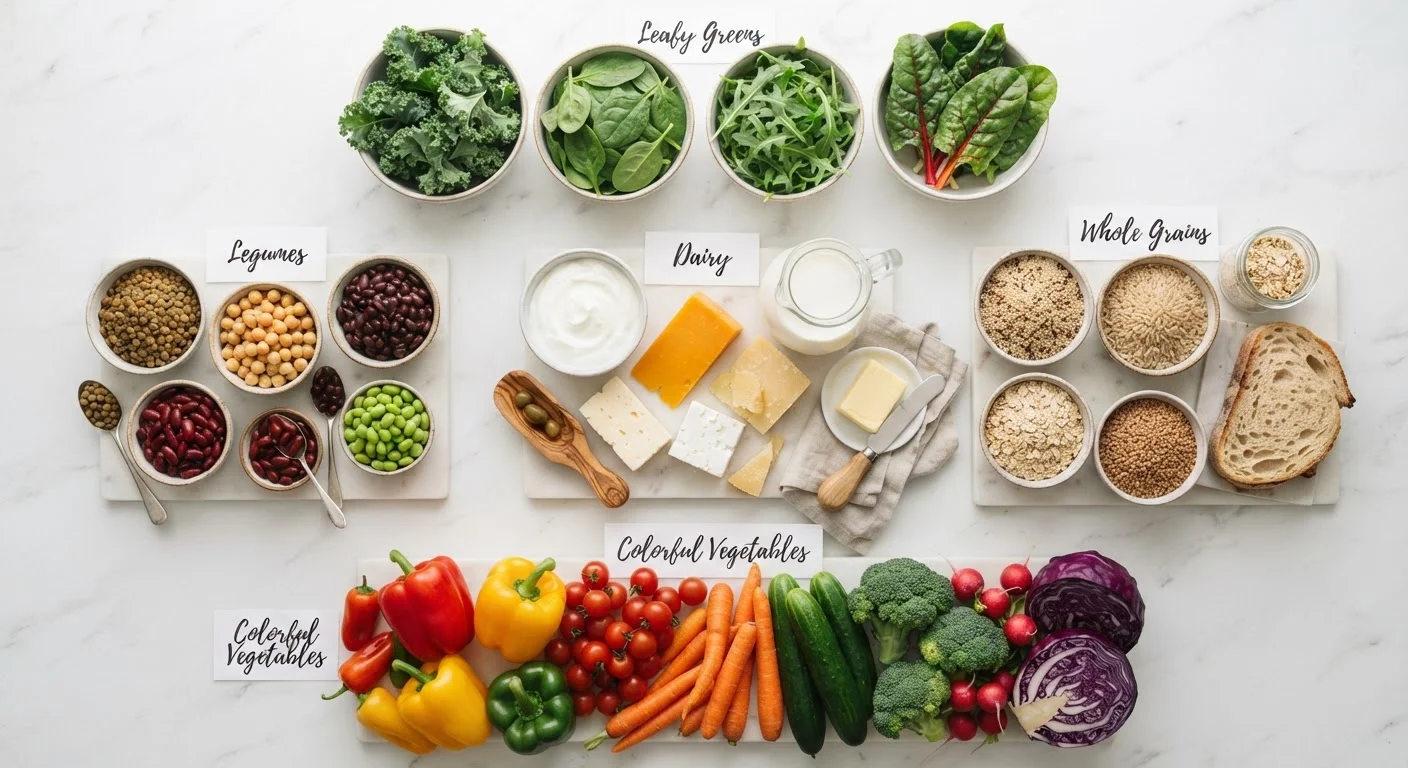
- Calcium and vitamin D: Bone mass accumulation continues through the late 20s. Adequate calcium (found in dairy, fortified plant milks, leafy greens) and vitamin D supports this process.
- Iron: Particularly relevant for people who menstruate, as monthly losses increase iron demand. Lean meats, legumes, and fortified cereals are common dietary sources.
- Folate: Critically important for anyone who could become pregnant, as adequate folate in early pregnancy supports healthy fetal neural development.
- Fiber: Establishing a high-fiber dietary pattern early supports digestive health and helps manage cardiovascular risk factors over the long term.
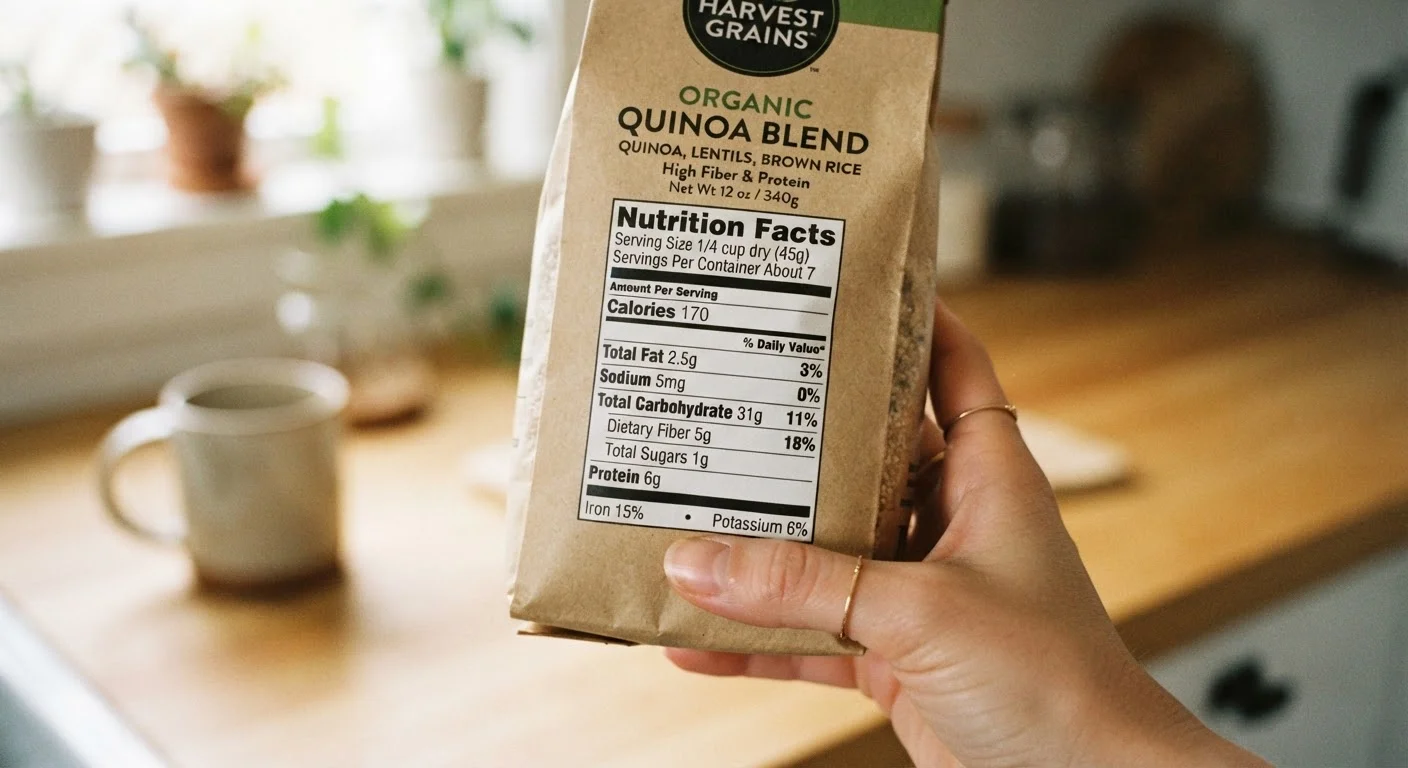
Energy intake tends to be higher in this period, but dietary quality matters as much as quantity. Learning to read a nutrition label is a practical skill that pays dividends at every subsequent stage.
Don't wait until your 40s to think about bone health. The bone density you accumulate in your 20s is your long-term structural asset - prioritize calcium-rich foods and weight-bearing activity now.
Bone mass peaks around age 30, after which it can only be maintained or slowed in its decline - not rebuilt to the same extent. Early investment has lifelong returns.
If you're in midlife and find you're eating roughly the same as you did in your 20s but gaining weight, that's physiology - not willpower. Focus on protein and fiber quality rather than simply eating less.
Age-related declines in metabolic rate and muscle mass shift energy balance; maintaining protein intake supports muscle preservation and satiety more effectively than caloric restriction alone.
Midlife (40s-50s): Adapting to Metabolic Shifts
The 40s and 50s bring measurable physiological change. Basal metabolic rate - the number of calories the body burns at rest - declines gradually, often by around 1-2% per decade from early adulthood onward, according to research published in Science. Hormonal transitions, including perimenopause and andropause, further influence body composition, fat distribution, and bone health.
What to focus on in midlife:
- Protein: Sarcopenia (age-related muscle loss) begins in earnest from around the mid-40s. Research supports maintaining or increasing protein intake to help preserve lean muscle mass, especially when combined with resistance exercise.
- Calcium and vitamin D (again): Bone resorption accelerates during and after menopause. Adequate intake of both nutrients is particularly important for people assigned female at birth.
- Reduced refined carbohydrates and added sugars: As insulin sensitivity can decline with age, moderating rapidly digested carbohydrates supports stable blood glucose and metabolic health.
- Heart-healthy fats: Dietary patterns emphasizing unsaturated fats - such as those found in oily fish, nuts, seeds, and olive oil - are associated with cardiovascular benefit.
Evidence-based dietary patterns like the Mediterranean diet have been extensively studied in midlife and older populations, with consistent associations with reduced cardiovascular risk.
Declining Calories Should Not Mean Declining Nutrients
As caloric needs fall with age, there's a real risk of micronutrient shortfalls if food intake decreases without a corresponding focus on nutrient density. Eating less but eating higher-quality whole foods helps close this gap. Relying heavily on low-nutrient processed foods when appetite is reduced is a common and consequential mistake. A registered dietitian can help you maintain nutritional adequacy as intake patterns change.
Older Adulthood (60s and Beyond): Protecting What You Have
From the 60s onward, nutritional needs shift toward protection and maintenance. Appetite often decreases - partly due to reduced physical activity, partly due to changes in taste and smell acuity - yet the body's requirements for several key micronutrients remain unchanged or increase.
Critical nutritional concerns in older adulthood:
- Vitamin B12: The stomach produces less hydrochloric acid with age, reducing the body's ability to absorb B12 from food. Deficiency can impair neurological function and mimic cognitive decline. Older adults are often advised to obtain B12 from fortified foods or supplements, as the crystalline form in supplements is absorbed independently of stomach acid.
- Calcium and vitamin D: The DRIs set higher calcium and vitamin D targets for adults over 70 to support bone density and reduce fracture risk.
- Protein: Requirements per kilogram of body weight are generally considered to increase with older age, to offset accelerated muscle breakdown and support immune function.
- Hydration: The thirst mechanism becomes less reliable with age, increasing the risk of dehydration. Understanding how hydration fits into overall nutrition is especially relevant at this stage.
Emotional and social dimensions also influence food intake in later life - isolation, grief, and depression can all suppress appetite. Mental well-being and physical nutrition are closely intertwined, and both deserve attention.
Supplements Are Not a Complete Substitute
While certain supplements - such as B12, vitamin D, or calcium - are commonly recommended for older adults with documented deficiencies, they work best alongside a varied diet, not in place of one. Whole foods deliver fiber, phytonutrients, and compounds that supplements cannot replicate. Before starting any supplement regimen, consult your healthcare provider to determine what, if anything, is actually warranted based on your health status.
Nutrients That Matter Across Every Decade
While individual priorities shift, a handful of nutrients require consistent attention regardless of age:
- Fiber
- Supports digestive health, feeds beneficial gut bacteria, helps regulate cholesterol and blood glucose. Most Americans consume significantly less than the recommended daily amount. Whole grains, legumes, fruits, and vegetables are the primary sources.
- Potassium
- Essential for blood pressure regulation. Low potassium intake is a widespread dietary gap. Bananas, sweet potatoes, beans, and leafy greens are reliable sources.
- Magnesium
- Involved in hundreds of enzymatic reactions, including energy metabolism, nerve function, and bone maintenance. Nuts, seeds, whole grains, and dark leafy greens are good sources.
- Omega-3 fatty acids
- Associated with cardiovascular and cognitive health across the lifespan. Primarily found in oily fish, walnuts, flaxseed, and chia seeds.
“Adequate nutrition isn't just about avoiding deficiency - it's about providing the cellular environment in which the body can function optimally at every stage of life. The nutrients we consistently underprioritize tend to be the ones whose absence is slow and silent.”
— Walter Willett, Professor of Epidemiology and Nutrition, Harvard T.H. Chan School of Public Health
Putting It Into Practice
Knowing which nutrients matter at each life stage is useful, but translating that knowledge into daily habits is where the real work happens. A few practical principles hold across the decades:
- Prioritize dietary variety. No single food or supplement can supply everything the body needs. A wide range of whole, minimally processed foods remains the most reliable foundation.
- Match caloric intake to activity level. As energy expenditure changes with age, portion awareness - not restriction - helps prevent gradual weight gain without sacrificing nutrient density.
- Revisit assumptions periodically. Nutritional needs at 55 are genuinely different from those at 35. Regular check-ins with a healthcare provider or registered dietitian, including bloodwork to identify deficiencies, are valuable.
- Don't overlook beverages. Hydration is an integral part of nutrition, not an afterthought - especially as the thirst mechanism weakens with age.
Nutrition across the lifespan is not about following a rigid plan. It's about understanding the body's evolving needs and responding thoughtfully - ideally with professional support when circumstances change significantly.
Dietary Reference Intakes (DRIs) - National Academies
The National Academies' DRI tables provide the evidence-based nutrient targets used by nutrition professionals across the U.S., broken down by age group and sex. A foundational reference for understanding recommended intake levels.
MyPlate - USDA
The USDA's MyPlate resource provides accessible, age-appropriate dietary guidance for adults and includes tailored tools for older adults. A practical starting point for translating general principles into everyday food choices.
Academy of Nutrition and Dietetics - Find a Registered Dietitian
The Academy of Nutrition and Dietetics maintains a directory to help individuals locate credentialed registered dietitian nutritionists (RDNs) for personalized dietary guidance at any life stage.
This article is for general informational and educational purposes only. It is not a substitute for professional medical or dietary advice, diagnosis, or treatment. Always consult a qualified healthcare professional or registered dietitian before making changes to your diet, particularly if you have a medical condition, are pregnant, or are in an older age group with specific health considerations.