Why Nutrition Labels Exist and What They're Designed to Do
The Nutrition Facts label is a federally standardized tool regulated by the U.S. Food and Drug Administration (FDA). Its purpose is to give consumers consistent, comparable information about the nutritional content of packaged foods - not to make every food look good or bad, but to provide a common language for comparison.
The FDA updated the label format in 2020, with changes that reflect advances in nutrition science: calories are displayed more prominently, added sugars now have their own line, and serving sizes were revised to better reflect how people actually eat. If you're new to thinking systematically about what you eat, the foundational concepts of nutrition provide helpful context before diving into label specifics.
Reading a label well doesn't require a nutrition degree. It requires knowing which numbers to prioritize, what the reference values mean, and how to avoid common misreadings - which is exactly what the steps below address.
What you will need
Step-by-Step: How to Read the Label
Work through the Nutrition Facts panel from top to bottom - the layout is intentional. Each section builds on the one before it. Use the steps below as a practical framework you can apply in any grocery aisle.
Find the Serving Size
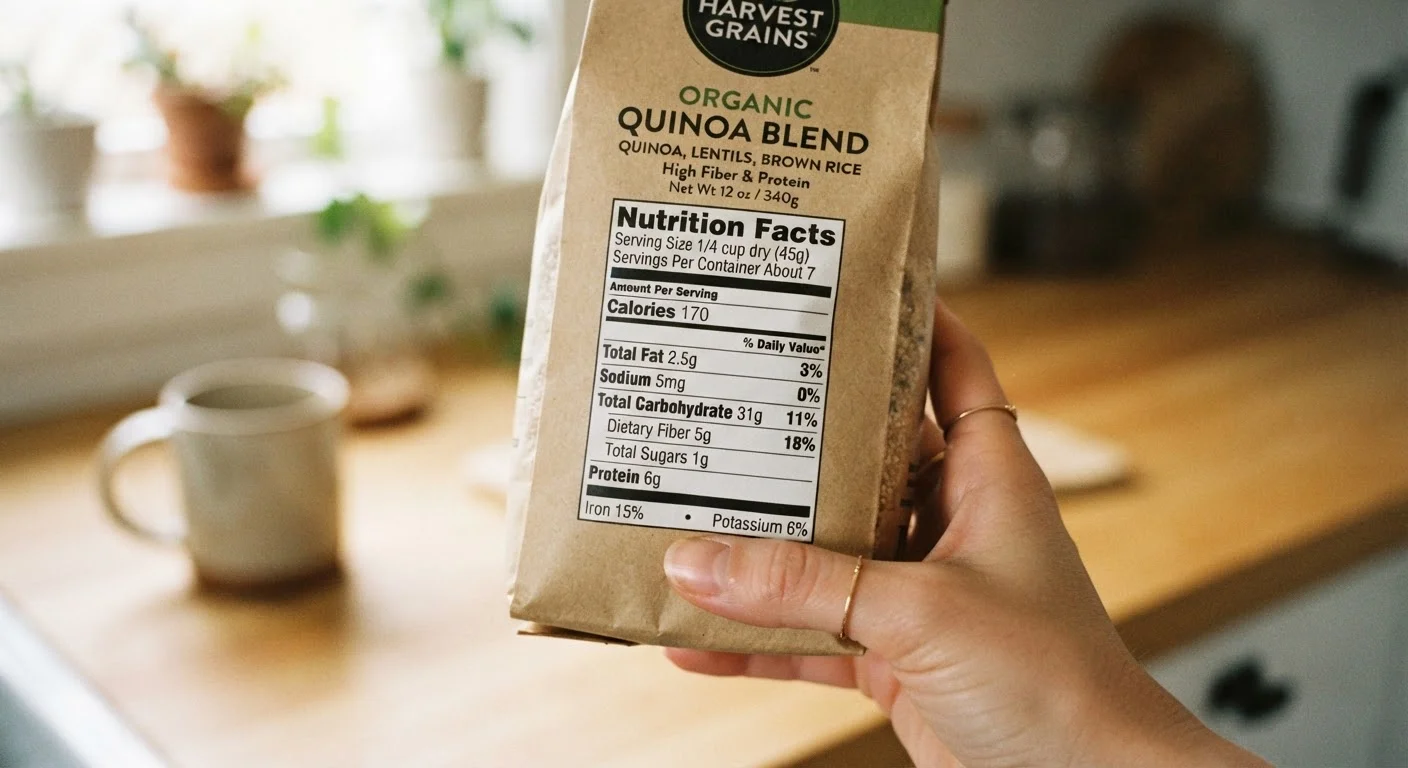
The very first line of the Nutrition Facts panel states the serving size and the number of servings per container. Every calorie count and nutrient value on the label refers to one serving - not the entire package.
This distinction matters more than it might seem. A bag of chips labeled as containing 3 servings means the calorie and sodium figures must be multiplied by 3 if you eat the whole bag. The FDA updated serving sizes to reflect amounts people typically consume, so they're more realistic than older labels - but they're still reference points, not prescriptions.
Check the Calorie Count
Calories measure the energy a food provides per serving. On the updated label, calorie counts appear in a larger, bolder font - a deliberate design choice to make them easier to spot at a glance.
Calories alone don't determine whether a food is a good choice. A food can be calorie-dense and nutritious (nuts, for example) or calorie-light and nutritionally sparse. Use the calorie figure as one data point alongside the nutrient breakdown below it.
Review Nutrients to Limit
The label groups certain nutrients under an implicit "limit these" category, based on dietary guidance from health authorities. Look at three in particular:
- Saturated fat: Associated with cardiovascular risk when consumed in excess; major dietary guidelines recommend keeping intake moderate.
- Sodium: High intake is linked to elevated blood pressure in many individuals. The general reference limit is 2,300 mg per day for most adults.
- Added sugars: Listed separately from total sugars, added sugars are those introduced during processing. Dietary guidelines suggest limiting added sugars to less than 10% of total daily calories.
Look for Nutrients to Prioritize
Below the nutrients to limit, the label lists nutrients that many Americans consume in insufficient amounts. These are worth seeking out:
- Dietary fiber: Supports digestive health and is linked to cardiovascular and metabolic benefits. Most Americans fall well short of recommended intake. For more on why fiber matters, see why fiber matters.
- Vitamin D, calcium, iron, and potassium: These four are required on updated labels because deficiencies are common in the U.S. population.
Interpret the Percent Daily Value (%DV)
The Percent Daily Value (%DV) column shows how much of each nutrient one serving contributes toward a standard daily reference amount, based on a 2,000-calorie diet. It's a comparative tool, not a precise prescription.
If your caloric needs differ from 2,000 calories - which is common based on age, sex, body size, and activity level - your personal daily values will differ too. %DV is still useful for comparing products against each other and for quickly gauging whether a food is high or low in a given nutrient. Nutritional needs also shift over a lifetime; how dietary needs change with age provides useful context for interpreting %DV at different life stages.
Use Labels for Comparison, Not Judgment
Nutrition labels are most useful when comparing two similar products side by side - same serving size, different nutrient profiles. This approach takes the focus off "good" vs. "bad" foods and places it on informed trade-offs. No single food defines a diet.
Once you're comfortable reading individual labels, you can apply that skill more broadly. The full range of product label elements - including certifications and front-of-pack claims - adds another layer of context worth understanding.
What the Label Doesn't Tell You
Nutrition labels reflect nutrients, not food quality in a holistic sense. A product can have a favorable label profile and still be ultra-processed; another food with higher sodium might be minimally processed and nutrient-dense overall. Labels are one input, not a verdict.
Front-of-Package Claims Can Be Misleading
Terms like "natural," "light," "multigrain," or "low-fat" on the front of a package are marketing language, not regulated nutrition claims in most cases. A "low-fat" product may compensate with added sugars. Always cross-reference front-of-pack language with the Nutrition Facts panel and ingredient list before drawing conclusions.
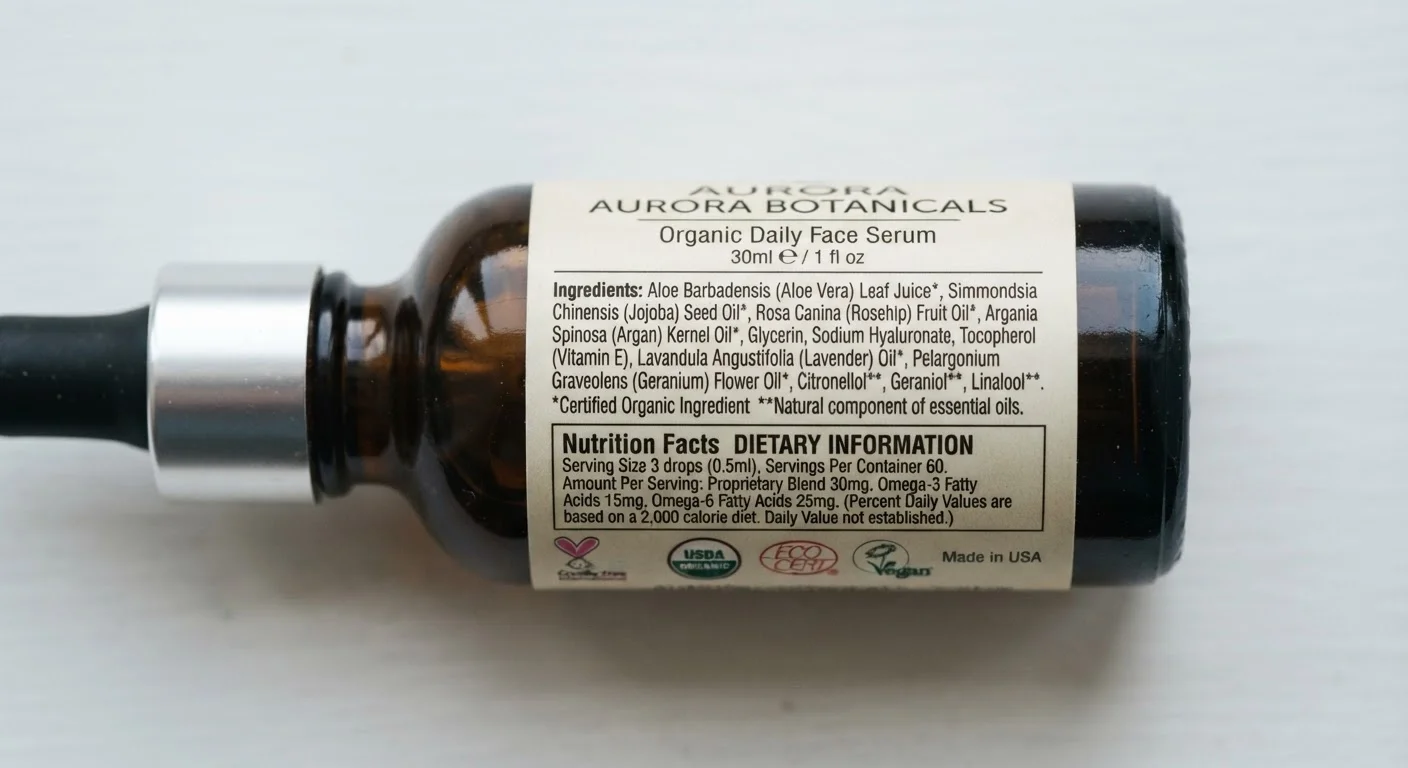
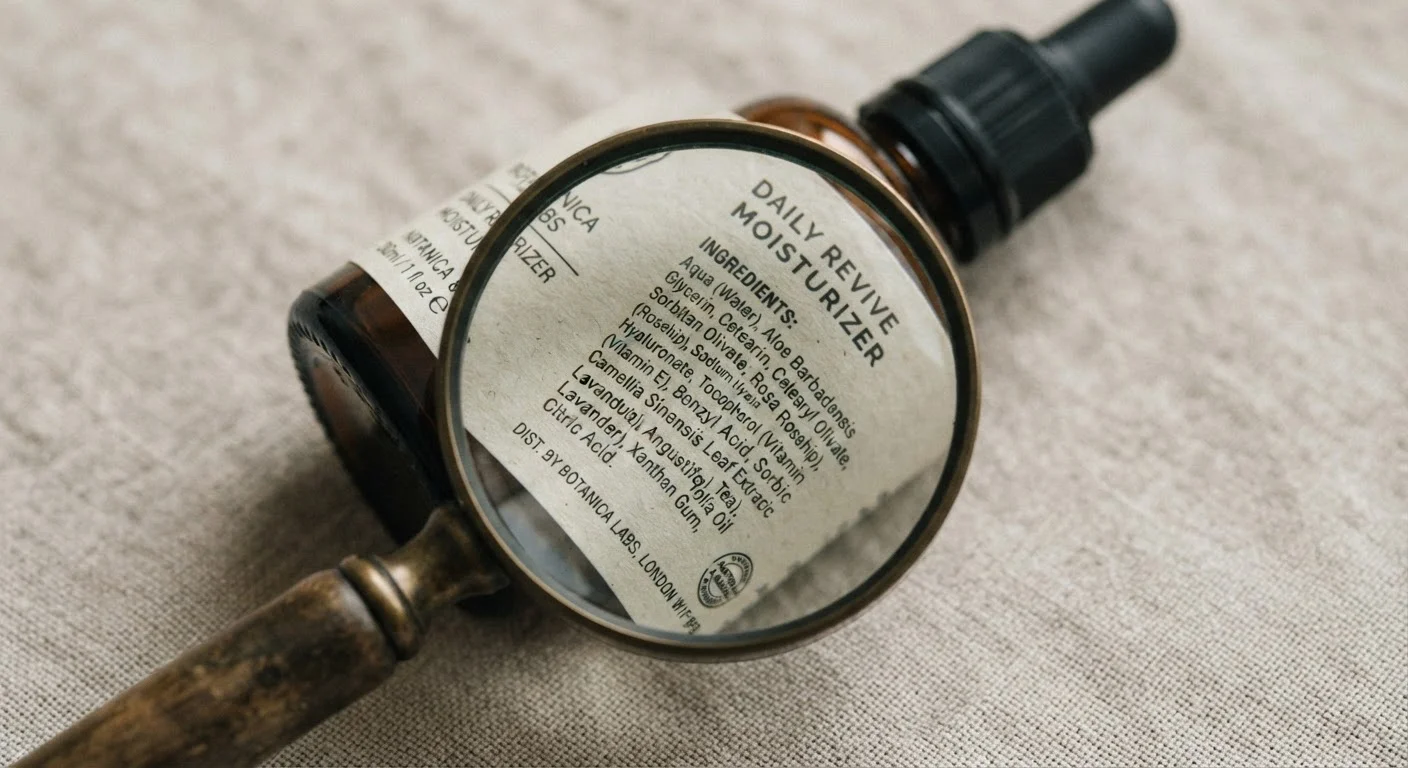
The ingredient list, which appears below the Nutrition Facts panel, is a valuable companion tool. Ingredients are listed in descending order by weight, so the first three or four entries give you a reliable picture of what a product is primarily made of. For a deeper look at how ingredient lists are structured and what they signal, see how ingredient lists work.
Labels also don't reflect how a food fits into your overall eating pattern. A single high-sodium item isn't inherently a problem if the rest of your day is low in sodium. For a broader framework, building a balanced plate offers practical guidance on proportions and patterns. And for nutrients that often appear on labels but are harder to interpret - such as vitamins and minerals - a concise micronutrient reference can help fill in the gaps.
This article is for general informational and educational purposes only and is not a substitute for professional medical or dietary advice. Consult a qualified healthcare provider or registered dietitian for guidance tailored to your individual health needs.