Why One Policy Is Really Several Coverages in One
When you buy auto insurance, you're not purchasing a single blanket protection. You're selecting a bundle of individual coverage types, each designed for a specific kind of loss. This is why two drivers can have very different experiences filing claims even if they both "have insurance."
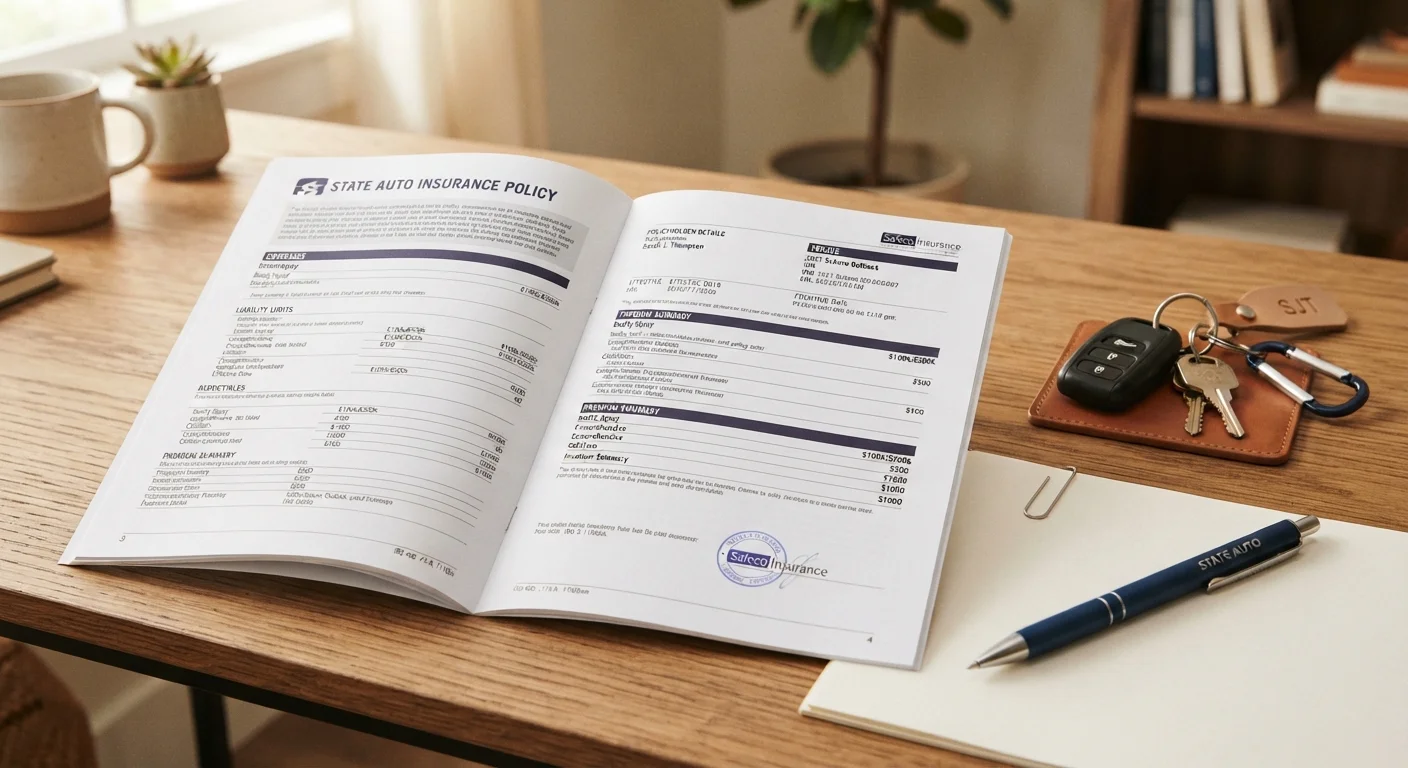
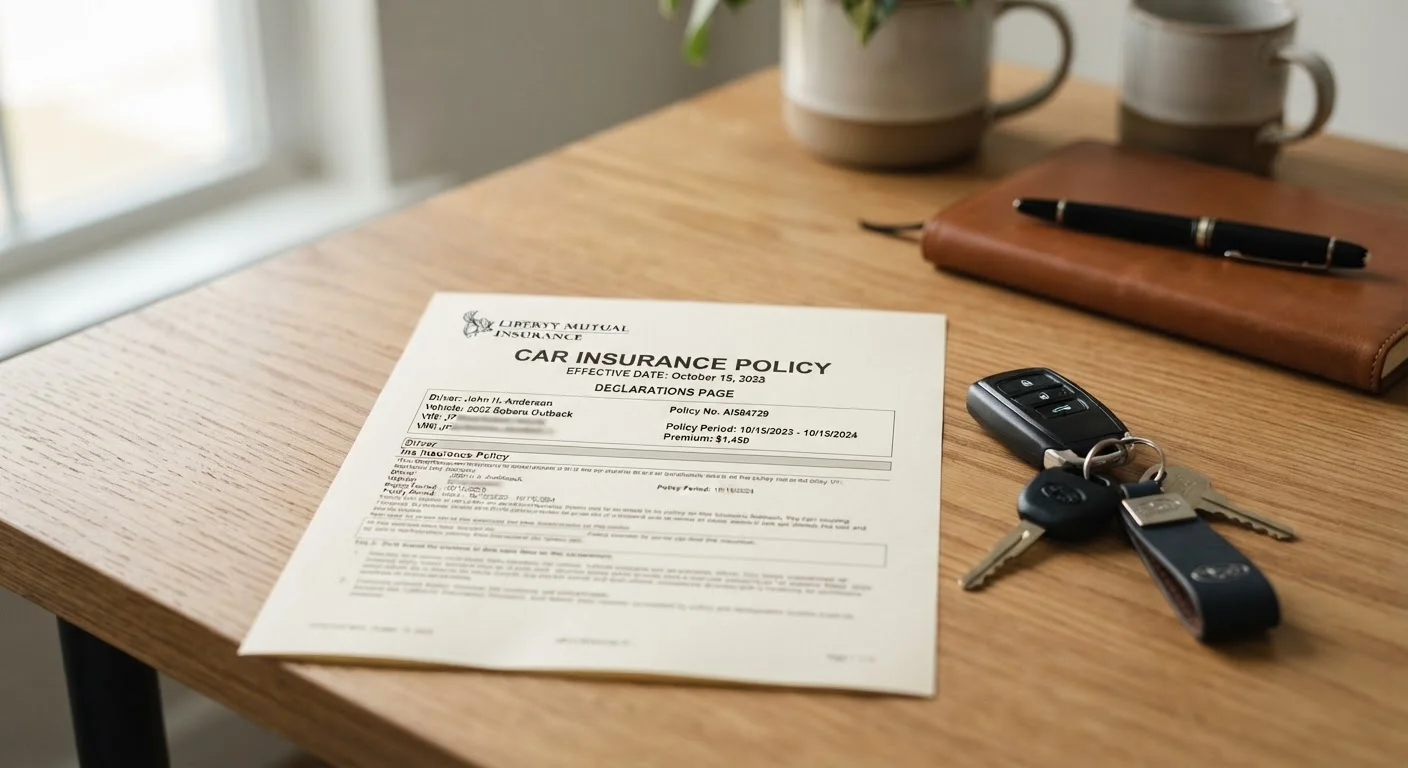
Your declarations page - usually the first page of your policy - lists exactly which coverages you've purchased, the dollar limits on each, and your deductibles. Getting familiar with that page is the clearest way to understand what you're actually protected against. For a plain-language guide to the terminology you'll encounter, see our auto insurance terms reference.
Minimum Coverage Rarely Means Adequate Coverage
State-required minimums set the legal floor, not a recommendation. A single serious accident can generate medical and repair costs well above those minimums, leaving an at-fault driver personally on the hook for the difference. Many insurance professionals suggest carrying limits higher than what your state requires, though the right amount depends on your individual circumstances.
The Core Coverage Types Explained
Liability Coverage
Liability is the foundation of almost every auto policy and is legally required in nearly every state. It pays for bodily injury and property damage you cause to other people in an accident where you're at fault. It does not pay for your own injuries or repairs to your own vehicle.
Policies list liability in three numbers - for example, 25/50/25. Those figures represent the per-person injury limit, the per-accident injury limit, and the property damage limit, all in thousands of dollars. State minimums are often lower than what a serious accident actually costs, which is why many drivers carry higher limits than required.
Collision Coverage
Collision covers damage to your own vehicle when it strikes another car or a stationary object - a guardrail, a pole, or another parked car. It applies regardless of who was at fault. You'll pay your chosen deductible first; insurance covers the rest up to your car's actual cash value.
Comprehensive Coverage
Despite the name, comprehensive doesn't cover everything. It covers damage caused by events other than a collision: theft, vandalism, fire, hail, flooding, falling objects, and animal strikes. If a deer hits your car or a storm drops a tree on your hood, that's a comprehensive claim. Like collision, it comes with a deductible.
~13%
Estimated uninsured drivers on U.S. roads
According to the Insurance Research Council, roughly one in eight drivers in the United States is uninsured, underscoring the value of uninsured motorist coverage.
49 states
States requiring some form of liability insurance
Nearly every U.S. state mandates a minimum level of liability coverage to legally register and operate a vehicle, though required limits vary significantly by state.
Medical Payments and Personal Injury Protection
These coverages pay for medical expenses for you and your passengers after an accident, regardless of fault. Personal injury protection (PIP) is broader in many states - it can also cover lost wages and related costs. PIP is mandatory in no-fault states, where each driver's own insurance covers their injuries regardless of who caused the crash.
Uninsured and Underinsured Motorist Coverage
If you're hit by a driver who has no insurance or not enough to cover your losses, this coverage steps in. Given that estimates consistently show a significant portion of drivers on American roads are uninsured, this protection is worth understanding - even in states where it isn't mandated.
What Standard Policies Don't Cover
Auto insurance is built around sudden, accidental losses - not every expense related to owning a car. Mechanical breakdowns, routine maintenance, and wear-and-tear are not covered by any standard policy. Neither is damage from driving on a racetrack or using your personal car for commercial rideshare trips without the right endorsement.
There are also common gaps that catch drivers off guard: rental reimbursement, gap insurance (which covers the difference between what you owe on a loan and your car's actual cash value), and coverage for custom equipment. These typically require optional add-ons. Our article on coverage gaps that catch drivers off guard walks through the most frequent blind spots in detail.
Review Your Declarations Page Annually
Your coverage needs can change as your car ages, your loan is paid off, or your financial situation shifts. Pulling out your declarations page once a year and comparing your current coverages to your actual situation is one of the simplest ways to avoid paying for protection you don't need - or discovering you're missing coverage you do.
How Coverage Choices Fit Your Situation
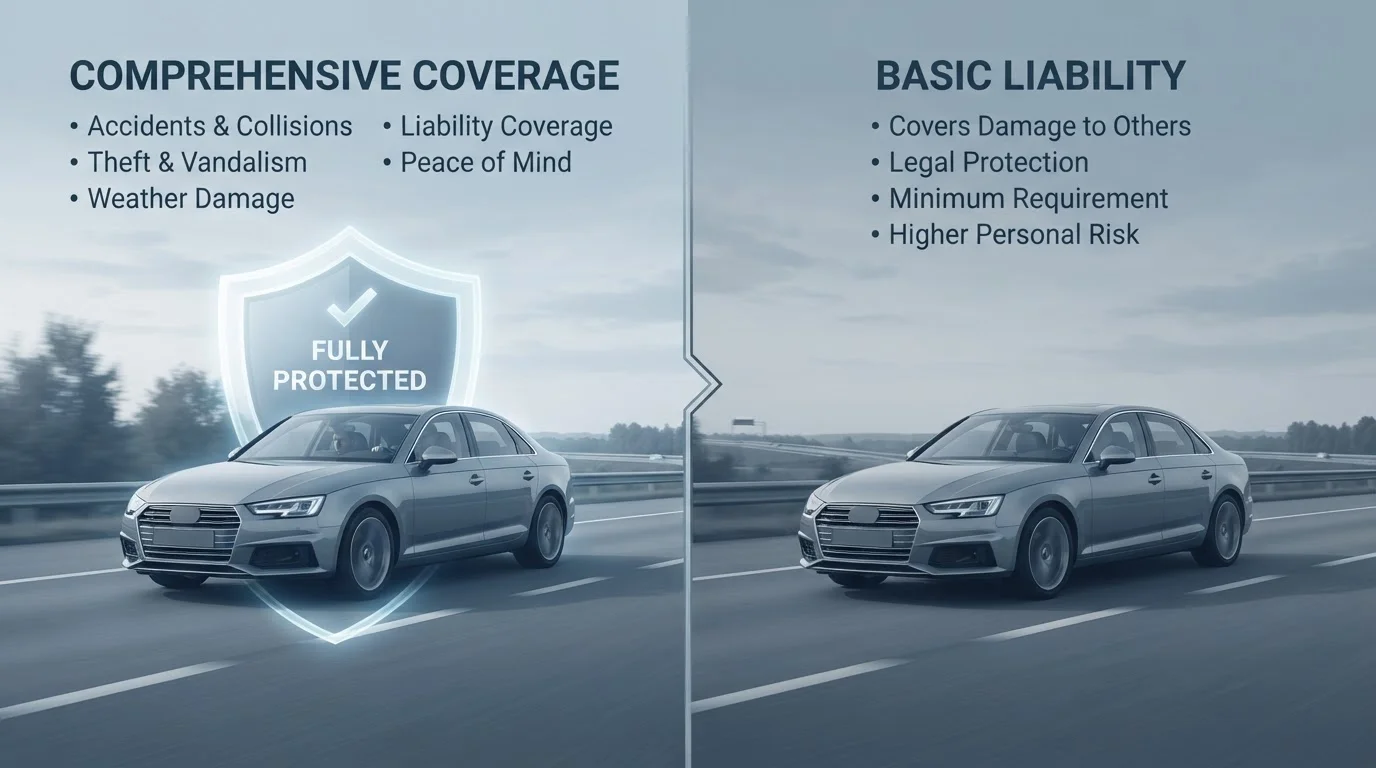
The right mix of coverages depends on factors like your car's age and value, whether you have a loan or lease, your state's requirements, and how much financial risk you can absorb out of pocket. An older car with no outstanding loan may not justify the added premium for collision and comprehensive - but a newer financed vehicle almost certainly does, and lenders typically require both.
Understanding how liability differs from so-called "full coverage" is one of the more useful distinctions to grasp. Our explainer on liability vs. full coverage breaks down what that distinction actually means in practice. And if you've heard rules of thumb about insurance that don't quite add up, check our piece on auto insurance myths that cost drivers money for a fact-based look at common misconceptions.
This article is for general informational purposes only and does not constitute insurance or legal advice. Coverage requirements and options vary by state; consult a licensed insurance professional for guidance specific to your situation.