What Liability Coverage Actually Does
Every state in the US requires drivers to carry at least some form of liability insurance, though minimum limits vary by state. Liability coverage has two main parts: bodily injury liability, which pays for medical expenses and related costs for people you injure in an at-fault accident, and property damage liability, which covers damage you cause to someone else's vehicle or property.
What liability does not cover is your own car. If you rear-end another vehicle and you're at fault, liability pays to fix their car - yours comes out of your pocket. It also won't help if your car is stolen, damaged by a storm, or hit while parked.
Driving with only the state minimum is legal, but minimum limits can be surprisingly low. If damages exceed those limits, you may be personally responsible for the difference. Many drivers choose higher liability limits than the legal minimum for that reason.
State Minimums Are a Floor, Not a Recommendation
Every state sets its own minimum liability limits, and in many states those minimums are relatively low. Medical bills and property damage from a serious accident can easily exceed those limits, leaving you personally liable for the remainder. Most insurance professionals suggest carrying limits well above the state minimum if you have assets to protect. Check your state's department of insurance website for your specific requirements.
What 'Full Coverage' Actually Means
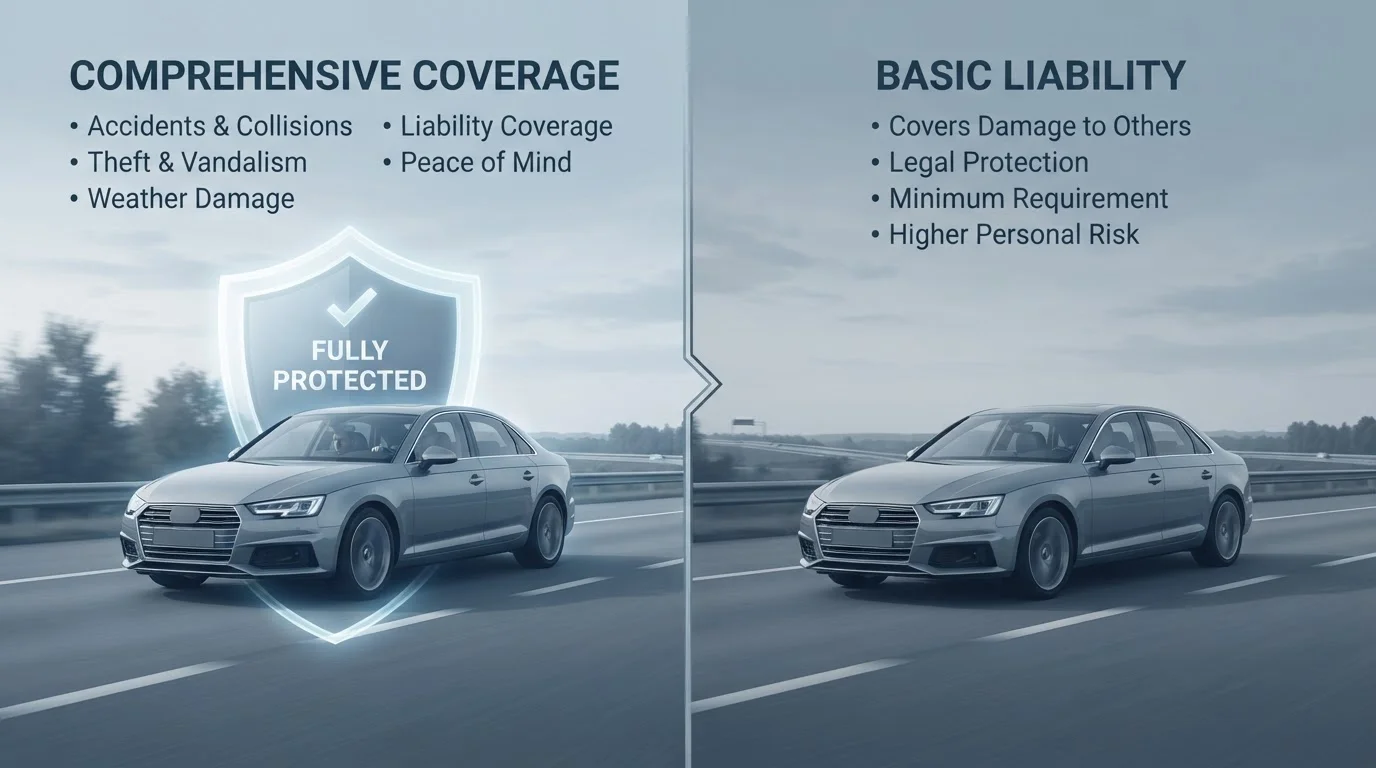
The phrase full coverage doesn't refer to a single, standardised policy - it's an informal term for a combination of coverages that typically includes liability plus two additional components:
- Collision coverage: Pays to repair or replace your vehicle after a crash, regardless of who was at fault.
- Comprehensive coverage: Covers non-collision events - theft, vandalism, flooding, hail, fire, or hitting an animal.
Together, these three layers mean your own vehicle has meaningful protection in a wide range of situations. That said, "full" is a bit of a misnomer. Standard full coverage policies don't automatically include rental reimbursement, roadside assistance, or gap insurance. For a closer look at where standard policies fall short, see common coverage gaps explained.
| Criterion | Liability Coverage | Full Coverage |
|---|---|---|
| Covers damage to others | Yes | Yes |
| Covers your own vehicle after a crash | No | Yes (collision) |
| Covers theft or weather damage | No | Yes (comprehensive) |
| Required by law | Yes (minimum required) | Only if financed/leased |
| Typical premium cost | Lower | Higher |
| Suits older, paid-off vehicles | Often yes | Less commonly |
| Suits newer or financed vehicles | Insufficient alone | Yes |
How to Think About the Choice
The central question isn't really about which option is better - it's about which one fits your situation. Two factors tend to drive the decision more than anything else:
- Your vehicle's current market value. If your car is worth $3,000 and collision plus comprehensive adds $600 or more to your annual premium, the math often doesn't justify it. A general rule of thumb is to reconsider full coverage when the annual cost of those add-ons approaches 10% of the car's value - though that threshold is personal, not universal.
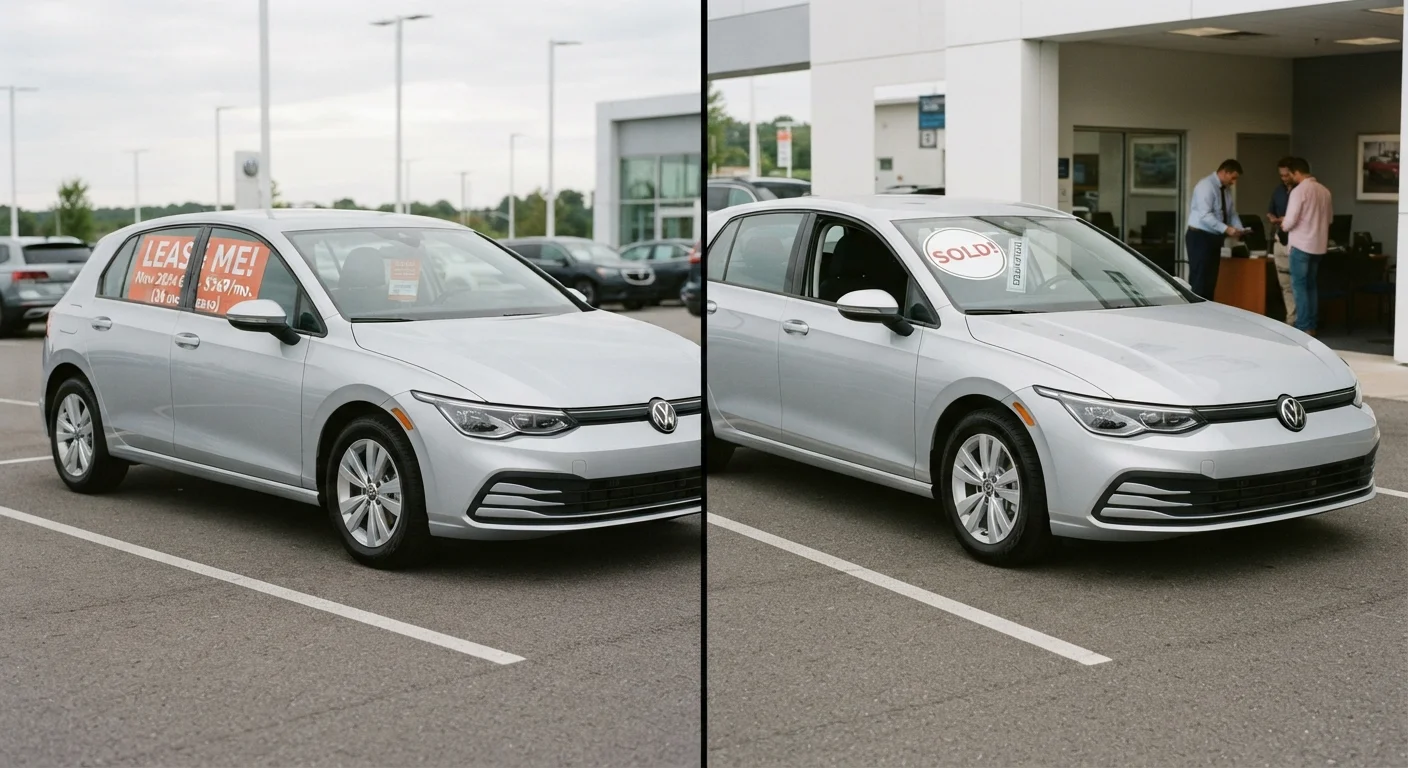
- Whether you have a loan or lease. If you're financing or leasing, full coverage isn't optional - it's a contractual requirement from your lender or lessor. Leasing and buying carry different insurance obligations, and understanding those obligations upfront avoids surprises.
~13%
Estimated uninsured drivers on US roads
The Insurance Research Council has estimated that roughly 1 in 8 drivers in the US is uninsured, reinforcing the value of uninsured motorist coverage as an add-on.
~$700-$1,000+
Average annual cost difference: liability vs. full coverage
Premium differences vary significantly by state, driver profile, and vehicle - the gap can be much wider or narrower depending on individual circumstances.
Your deductible also matters. Choosing a higher deductible lowers your premium but means more out-of-pocket costs if you file a claim. Make sure you could actually cover that amount before settling on a number.
This article provides general information about auto insurance concepts and is not a substitute for personalised advice from a licensed insurance professional. Coverage requirements and available options vary by state. Always review your specific policy terms and consult a licensed agent for guidance suited to your situation.