Who Actually Owns the Car - and Why It Matters
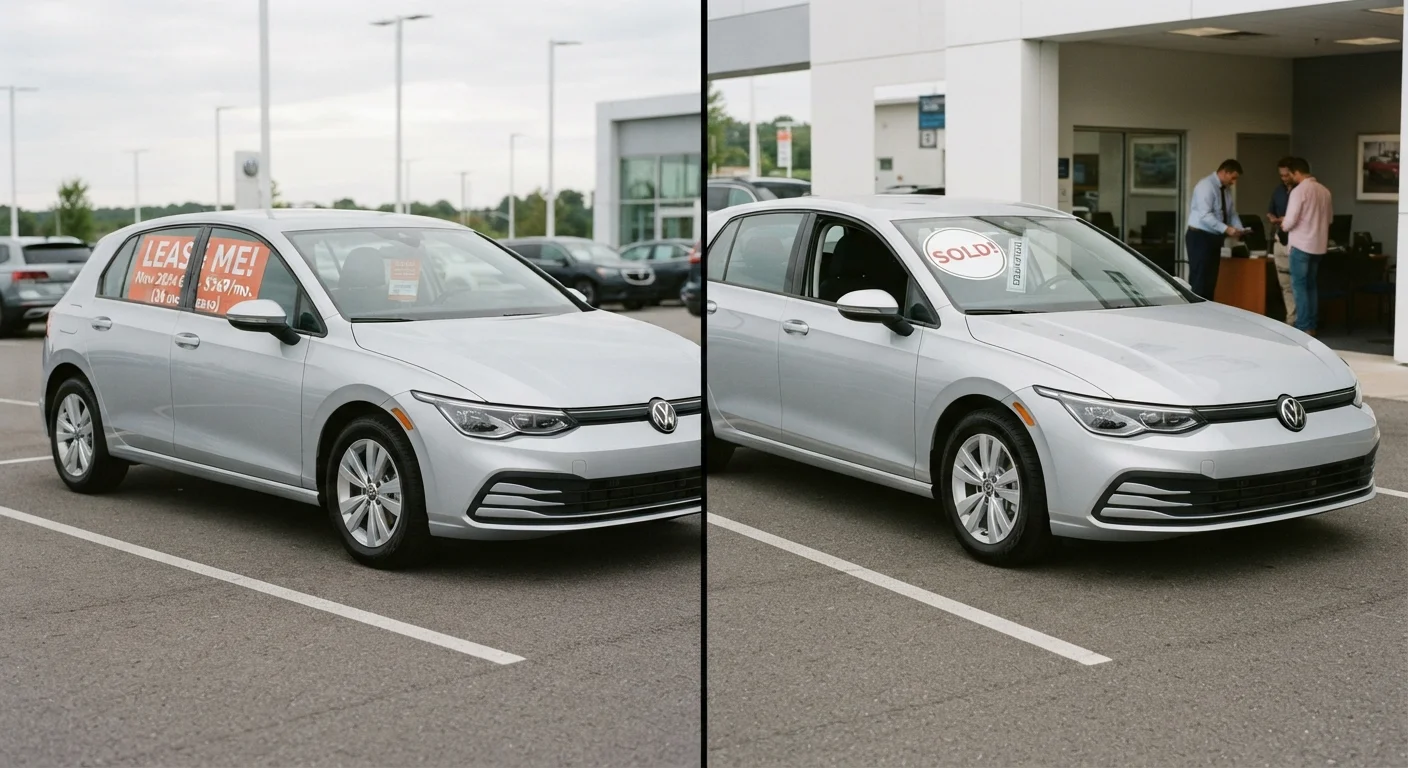
When you lease, the dealership or financing company retains ownership of the vehicle. You're paying for the right to use it for a set term - typically two to four years - and must return it when that term ends. When you buy, you own the vehicle outright once the loan is paid off (and the lender holds a lien until then).
This distinction drives nearly every practical difference between the two arrangements. Because the leasing company owns the car, they set the rules: minimum insurance levels, maintenance requirements, mileage limits, and return conditions. Buyers answer primarily to themselves - and to lenders only while a loan is active.
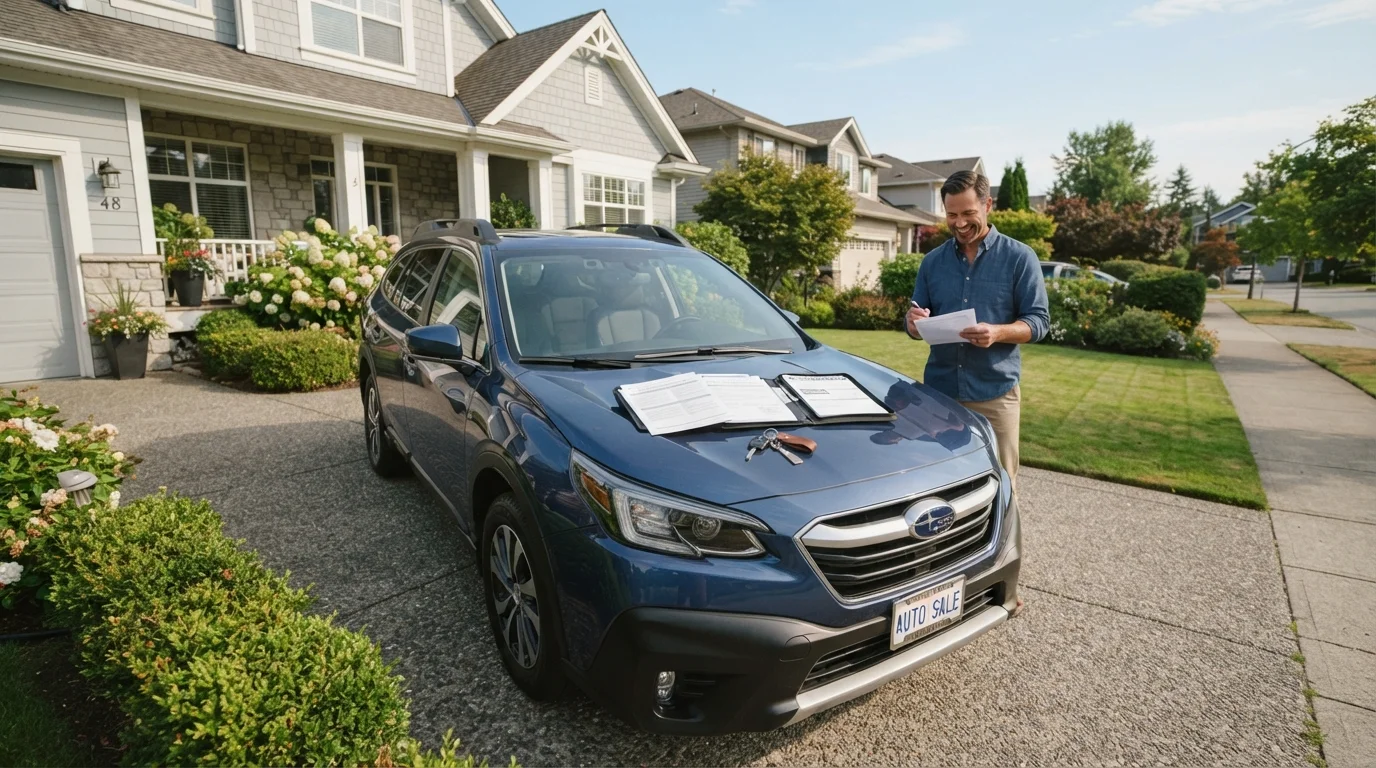
For a fuller picture of what ownership involves from day one, see our end-to-end ownership guide.
Insurance Requirements: Leasing Sets a Higher Floor
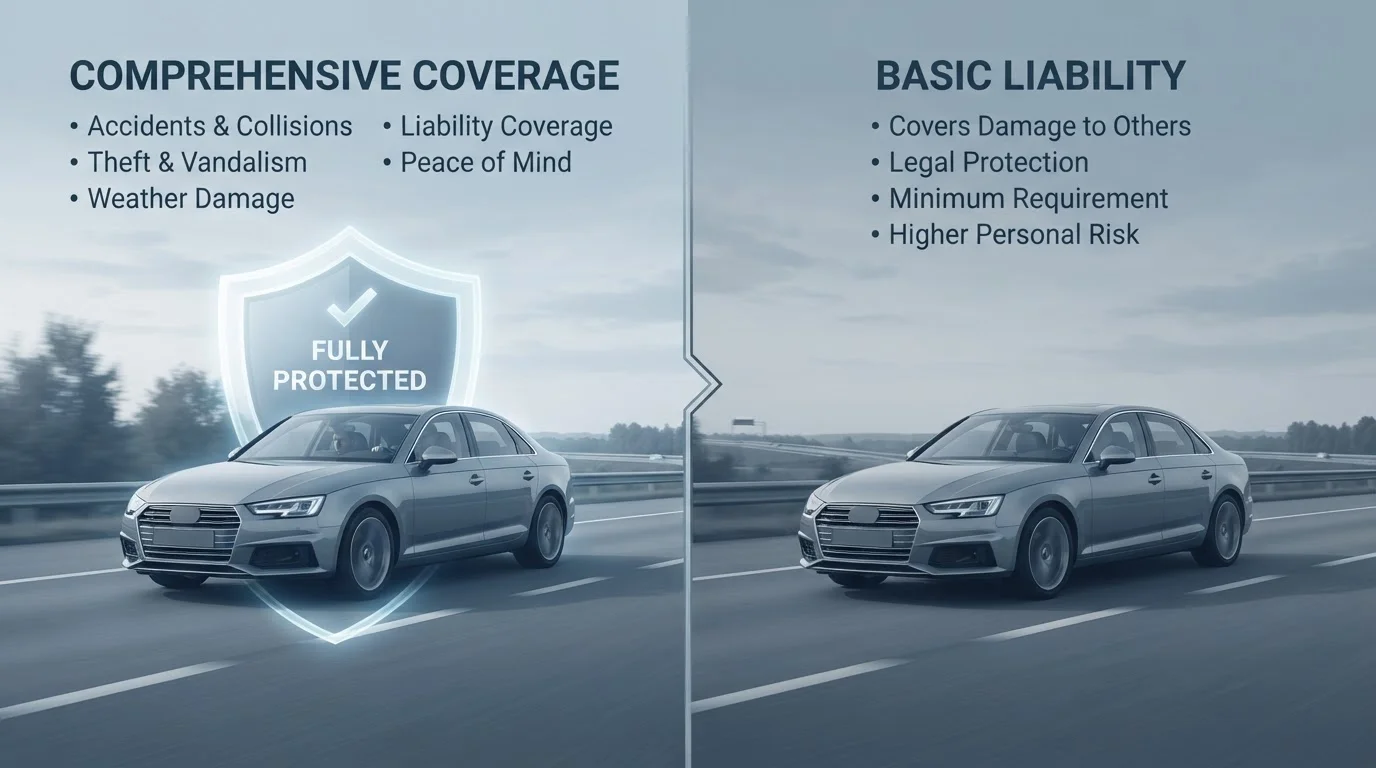
Both leased and financed vehicles require full coverage insurance - liability alone won't satisfy either a lender or a leasing company. But leases often go further by specifying minimum coverage limits in the contract itself, sometimes higher than what a buyer's lender requires.
Many lease agreements also require gap coverage - insurance that pays the difference between the car's market value and what you still owe if the vehicle is totaled or stolen. Some leases include gap protection automatically; others require you to purchase it separately.
Once you've paid off a purchased vehicle, those insurance requirements disappear. You can legally drop to liability-only coverage, though whether that's wise depends on the car's value and your financial situation. Understanding the real difference between liability and full coverage can help you make that call confidently.
Check Your Lease Contract for Insurance Minimums
Before assuming your existing policy is sufficient, read your lease agreement carefully. Some contracts specify coverage limits that exceed state minimums by a significant margin. If you're unsure whether your current policy qualifies, reviewing what each type of auto insurance actually covers is a good starting point before calling your insurer.
Maintenance: Who Bears the Responsibility
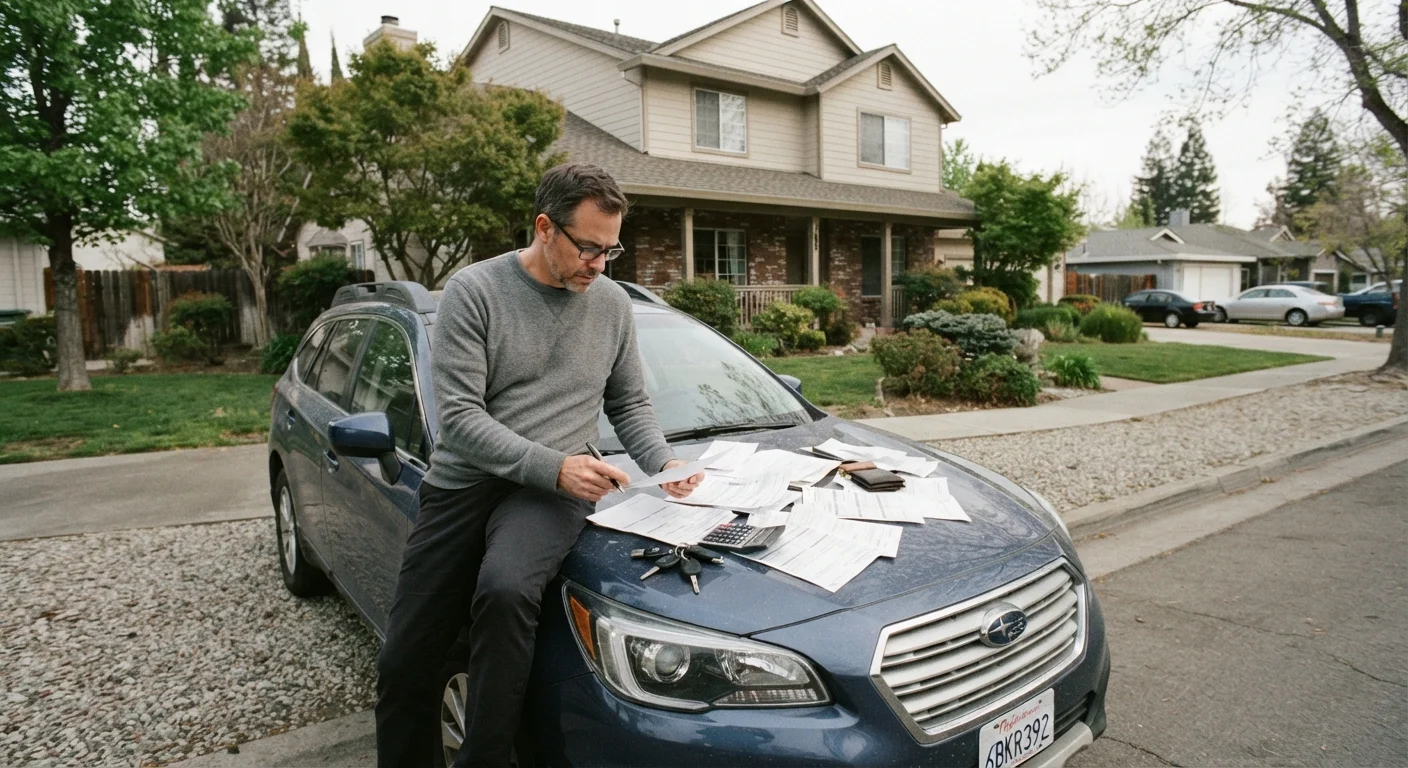
Lease agreements typically require you to follow the manufacturer's recommended maintenance schedule - oil changes, tire rotations, fluid checks - and may specify that service be documented. Falling behind can expose you to fees when you return the vehicle.
Buyers have more flexibility. You still need to maintain the car to keep it running, but no third party is auditing your service records. Over a long ownership period, that freedom can be valuable - though it also means there's no contract nudging you to stay on schedule.
One notable upside of leasing: you're almost always driving a vehicle still under the manufacturer's warranty, so major mechanical failures are generally covered. Long-term owners may face repair bills once the warranty expires, which can significantly affect the true total cost of car ownership.
| Leasing | Buying | |
|---|---|---|
| Ownership | Leasing company owns the car | You own it (outright after loan payoff) |
| Monthly payment | Generally lower | Generally higher |
| Insurance requirements | Full coverage + gap, often mandated | Full coverage required while financed |
| Mileage limits | Yes - typically 10,000-15,000/year | No limits |
| Maintenance obligations | Must follow manufacturer schedule | Your discretion |
| End-of-term options | Return, buy out, or re-lease | Sell, trade in, or keep |
| Equity built | None | Yes, over time |
| Customization | Restricted - must return as-is | Unrestricted once you own it |
Mileage, Wear, and End-of-Term Decisions
Lease contracts cap your annual mileage - commonly between 10,000 and 15,000 miles per year. Exceeding that limit triggers per-mile fees at lease end, which can add up quickly for high-mileage drivers. Buyers face no such restriction.
Condition standards matter too. Lessees must return the vehicle without significant wear beyond what the contract defines as acceptable. Scratches, dents, worn tires, or interior damage can all result in charges. Owners can accept normal wear without financial consequence.
At the end of a lease, you typically have three options: return the car and walk away, lease or buy a new vehicle, or purchase the leased car at a predetermined price. Buyers face a different set of decisions - sell, trade in, or keep the vehicle - but they have something lessees don't: equity built over time. Getting your paperwork and insurance in order from day one helps whichever path you choose.
Excess Mileage Fees Can Surprise You at Lease End
If you regularly drive more than your lease allows, fees can accumulate to hundreds or even thousands of dollars at return time. Calculate your average annual mileage before signing a lease, and consider negotiating a higher mileage allowance upfront - it's usually cheaper than paying per-mile penalties later.