
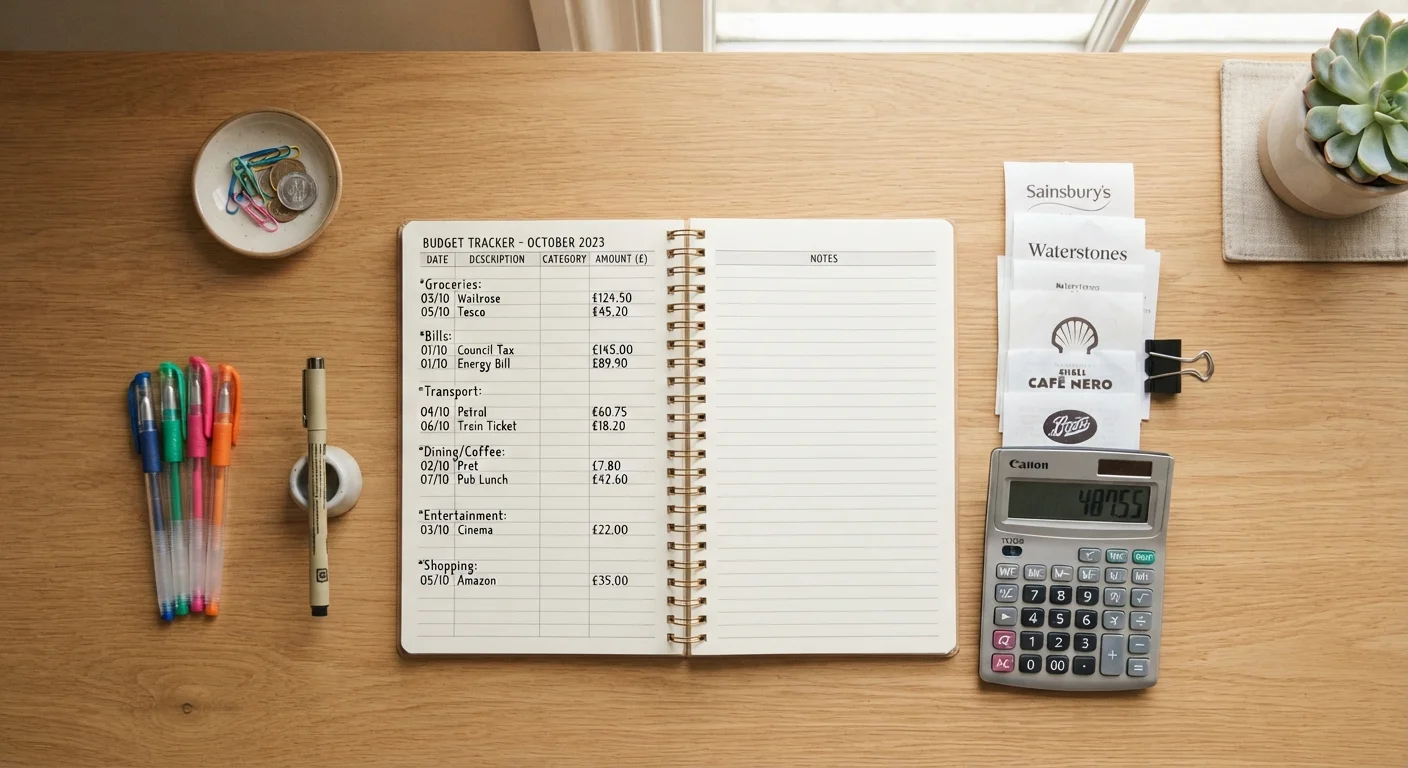
Why Spending Categories Matter
A budget without clear categories is just a number with good intentions. Categories give your spending structure - they show you where your money is actually going versus where you assume it goes. Research consistently shows that people underestimate spending in areas they haven't explicitly tracked, particularly irregular costs like car repairs or medical copays.
If you're new to budgeting, start by reviewing two or three months of bank and credit card statements to identify the categories where your household already spends. This article gives you a reference list to work from. For a full walkthrough on turning these categories into a working monthly plan, see Building a Monthly Budget That Reflects Real Life.
| Typical largest budget category | Housing (rent or mortgage) (U.S. Bureau of Labor Statistics Consumer Expenditure Survey) |
| Common budget frameworks | 50/30/20 rule; zero-based budgeting; envelope method |
| Recommended emergency fund size | 3-6 months of essential expenses (General financial planning guidance; individual needs vary) |
| Subscriptions often overlooked | Annual plans billed once per year |
| Categories most frequently underestimated | Dining out, irregular repairs, personal care |
Core Spending Categories at a Glance
Most household budgets include some version of the following categories. Treat this as a master list - not every category will apply to every household.
Housing
Rent or mortgage payment, property taxes (if paid separately), homeowner's or renter's insurance, and HOA fees. This is typically the largest single budget category for most Americans.
Utilities
Electric, gas, water and sewer, trash collection, and internet service. These vary seasonally, so averaging three to six months of bills gives a more realistic monthly estimate than using a single statement.
Food
Split into groceries (food purchased for home preparation) and dining out (restaurants, cafes, food delivery apps). Many budgeters are surprised by how much the dining-out line grows when tracked separately.
Transportation
Car payment, auto insurance, fuel, parking, tolls, and public transit passes. Don't overlook routine car maintenance costs like oil changes and tire rotations - these are predictable and worth including as a monthly line item, even if the bill only arrives every few months.
Health and Medical
Health insurance premiums (if paid out of pocket), dental and vision insurance, prescription costs, and out-of-pocket copays. If you use a Health Savings Account (HSA) or Flexible Spending Account (FSA), track contributions here as well.
Debt Payments
Minimum payments on credit cards, student loans, personal loans, and any other installment debt. If you're paying more than the minimum on any account, note the extra amount separately so you can see your total debt-reduction effort clearly.
Savings and Investments
Emergency fund contributions, retirement account contributions (such as a 401(k) or IRA), and any goal-based savings like a down payment fund. Many financial educators recommend treating savings as a fixed expense rather than whatever is left over at month's end - though how you structure this depends on your individual situation. Consult a licensed financial adviser if you have questions about the right savings strategy for your circumstances.
Fixed expense
A recurring cost that stays the same each month, such as a mortgage payment or car loan. Fixed expenses are the easiest to plan for because the amount doesn't change.
Variable expense
A cost that changes from month to month, such as groceries or utility bills. Budgeting for variable expenses requires setting a realistic range based on past spending.
Sinking fund
A dedicated savings pool where you set aside a small amount each month for a known future expense - like an annual insurance premium or holiday gifts - so the cost doesn't arrive as a surprise.
Discretionary spending
Money spent on wants rather than needs - dining out, entertainment, hobbies. This is typically the most flexible category and often the first place budgeters look when trying to reduce expenses.
Emergency fund
A reserve of liquid savings set aside to cover unexpected financial shocks, such as a medical bill or job loss. It is kept separate from your regular monthly budget categories.
Personal Care
Haircuts, toiletries, cosmetics, gym memberships, and similar costs. Small individually, these can add up to a meaningful monthly total if untracked.
Subscriptions and Memberships
Streaming services, software subscriptions, magazine subscriptions, club memberships, and any recurring monthly or annual charges. Annual subscriptions should be divided by 12 and set aside monthly to avoid a budget shock when the charge hits. Planned spending versus casual browsing plays a big role in how quickly this category grows.
Clothing
Everyday clothing, shoes, and seasonal items. For most households, clothing is an irregular expense; setting aside a small fixed monthly amount and letting it accumulate is a practical approach.
Children and Education
Childcare, school supplies, activity fees, tutoring, and college savings contributions. These vary widely by family stage and should be reviewed annually as children's needs change.
Pets
Food, veterinary visits, medications, grooming, and boarding. Vet costs in particular can be irregular and significant - a small monthly reserve specifically for pet expenses reduces financial stress when unexpected bills arrive.
Irregular and Emergency Costs
Home repairs, appliance replacement, and unexpected medical or car bills. The standard guidance is to maintain a dedicated emergency fund separate from your regular monthly budget, but also to budget a modest monthly amount for expected-but-irregular household costs.
Organizing Your Categories Effectively
There's no single right way to structure categories - what matters is that your system reflects how your household actually spends. A few organizational principles that many budgeters find helpful:
- Separate fixed from variable costs. Fixed costs (rent, loan payments, insurance premiums) are the same each month and easy to plan for. Variable costs (groceries, fuel, utilities) fluctuate and need a realistic range rather than a single number.
- Group irregular expenses into a sinking fund. A sinking fund is a category where you set aside a small amount each month toward a future predictable expense - car registration, annual insurance premiums, or holiday gifts. This prevents irregular costs from throwing off your monthly budget.
- Review categories regularly. Life changes - a new child, a move, a job change - shift your spending profile. The Monthly Budget Reset Checklist is a useful tool for revisiting your categories at the start of each month.
One Category List Doesn't Fit All Households
A single adult renting an apartment will have very different categories than a family of four who owns a home. Use this list as a starting point, then add, remove, or rename categories until they reflect your real life. The goal is a system you'll actually maintain, not one that's technically complete but too complicated to use.
If you encounter unfamiliar budgeting terms while setting up your categories, the Field Guide to Budgeting Terms offers plain-language definitions of the concepts you'll encounter most often.
This article is for general informational purposes only and does not constitute personalized financial, tax, or investment advice. Consult a qualified financial professional before making decisions about your own financial situation.