The Psychology Behind Each Approach
How you enter a shopping environment - with a fixed list or open to discovery - isn't just a logistical choice. It's a behavioral signal that shapes how you process information, respond to visual cues, and ultimately decide what lands in your cart.
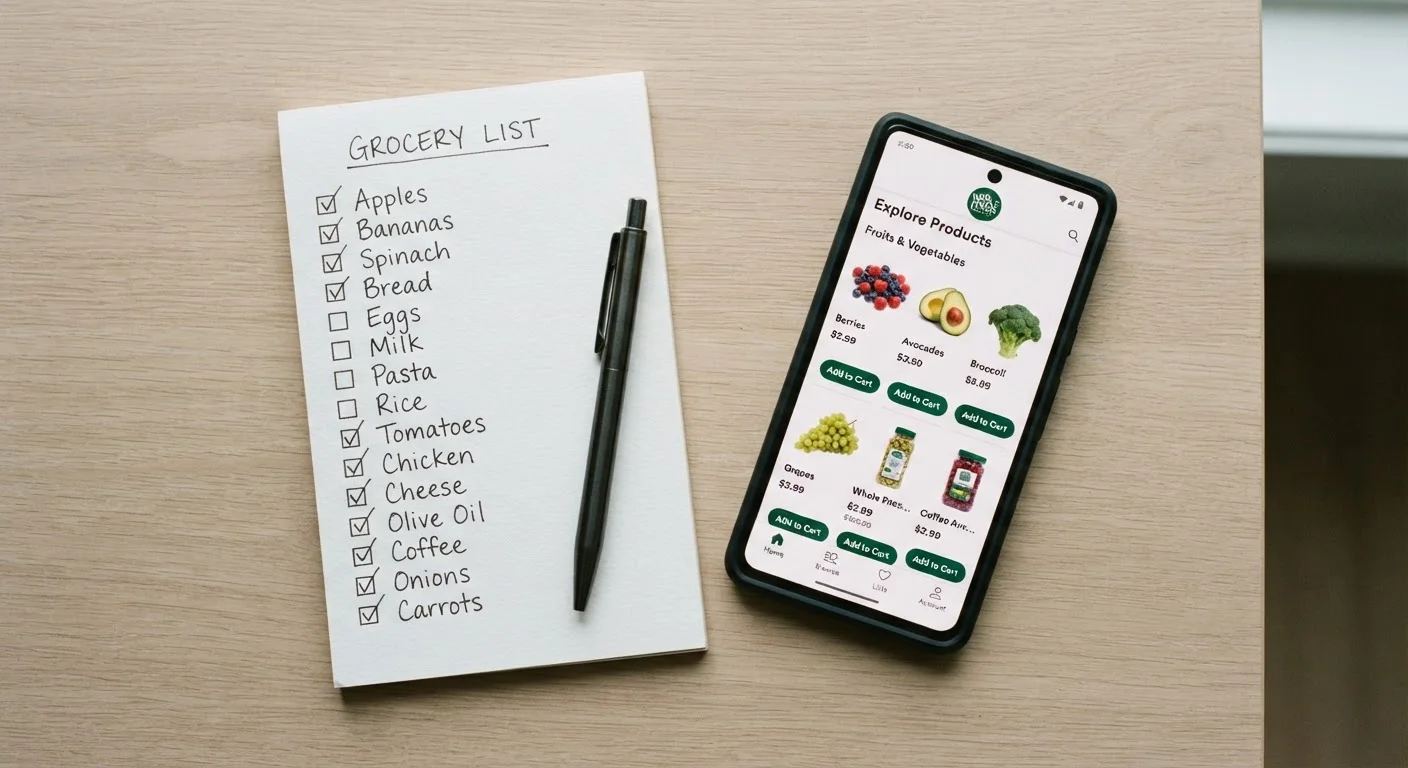
Shopping with a list engages what psychologists describe as implementation intentions - the mental link between a specific situation and a planned response. When you've already decided to buy oatmeal, olive oil, and dishwasher tablets, each item becomes a retrieval task rather than a fresh decision. This reduces the cognitive load at the point of purchase and limits the mental bandwidth available to evaluate unplanned options.
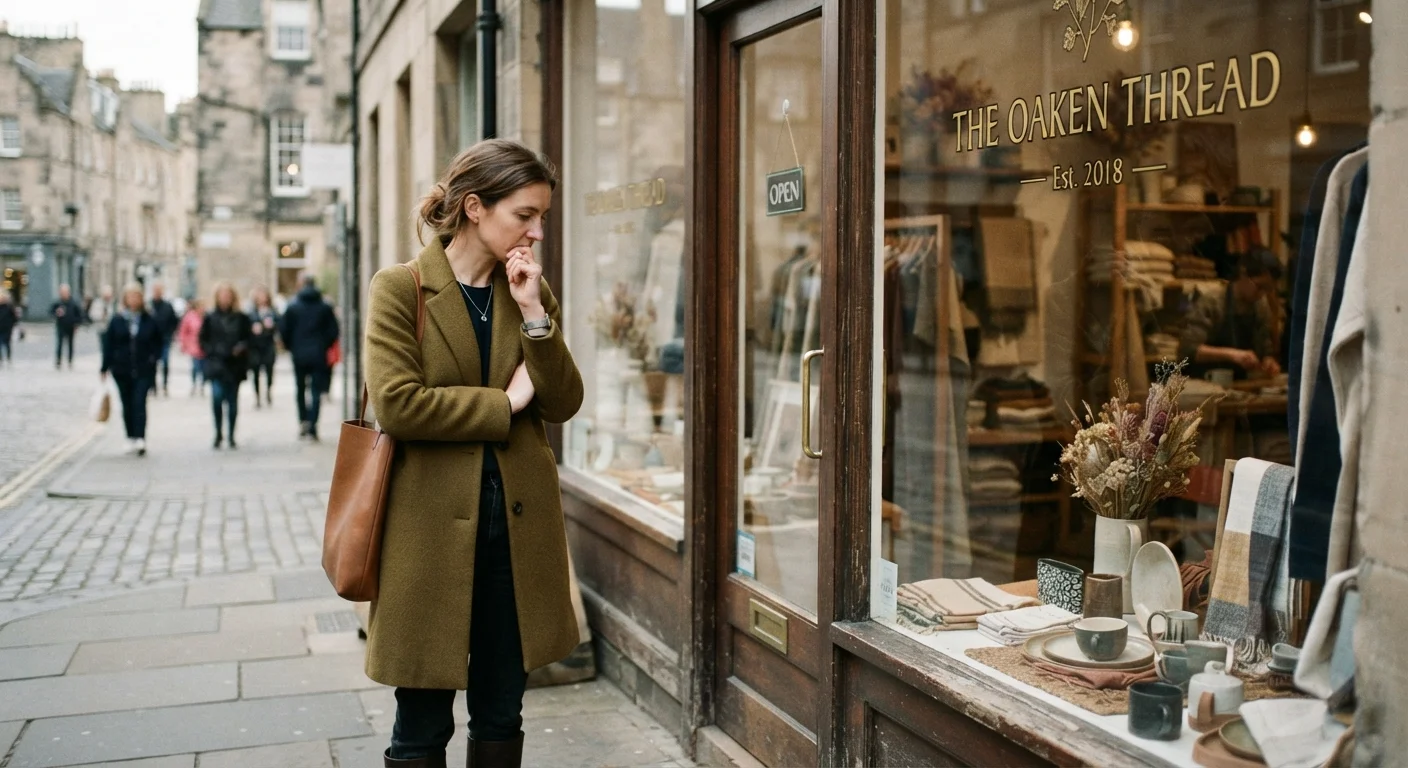
Open browsing, by contrast, activates a more exploratory mindset. Without a fixed goal, your attention becomes available to be captured - by end-cap displays, promotional pricing, product packaging, or algorithm-driven recommendations in a digital environment. Research in consumer psychology consistently shows that shoppers in an exploratory mode are more receptive to persuasion cues and more likely to make purchases they didn't anticipate. That isn't inherently negative; discovery has genuine value. But it does mean the spending outcomes are harder to predict in advance.
Understanding what's actually motivating a given shopping trip is foundational here. Emotional and psychological drivers often operate beneath the surface and can make open browsing sessions feel more compelling than the need genuinely warrants.
| Criterion | Shopping Lists | Open Browsing |
|---|---|---|
| Decision mode | Pre-committed, retrieval-based | Exploratory, evaluation-based |
| Unplanned purchases | Fewer; limited by pre-set scope | More likely; attention is available |
| Cognitive load at purchase | Lower; decisions made in advance | Higher; decisions made in the moment |
| Discovery value | Low; narrows to known needs | High; surfaces unfamiliar options |
| Budget predictability | High; list anchors expected spend | Low; total spend hard to forecast |
| Best environment | Routine grocery, household staples | Research, gifts, major purchases |
| Susceptibility to retail cues | Lower; goal is already defined | Higher; attention is open |
What the Research Suggests About Spending Outcomes
Studies examining grocery and retail shopping behavior offer a consistent finding: shoppers who enter with a list spend less overall and make fewer unplanned purchases than those who browse without one. A frequently cited area of consumer behavior research suggests that a substantial share of in-store purchase decisions are made on the floor rather than before arrival - figures vary by study and retail category, but the directional finding is stable.
~60%
In-store purchases that are unplanned
Consumer behavior research across retail categories consistently estimates that a majority of in-store purchase decisions are made at the shelf rather than before entering the store.
23%
Higher spend in exploratory vs. goal-directed online sessions
Studies on digital retail behavior suggest shoppers without a defined purchase goal tend to spend meaningfully more per session than those with specific items in mind.
2x
More items added to cart during extended browse sessions
Research on e-commerce behavior indicates that session length, not purchase intent, is one of the stronger predictors of cart size in unstructured online shopping.
Online environments amplify this dynamic. Digital retail platforms are architecturally designed to extend browsing sessions - through infinite scroll, personalized recommendation engines, and low-friction add-to-cart flows. Without a defined list to anchor the session, time spent browsing tends to correlate with higher cart totals, not just broader consideration sets.
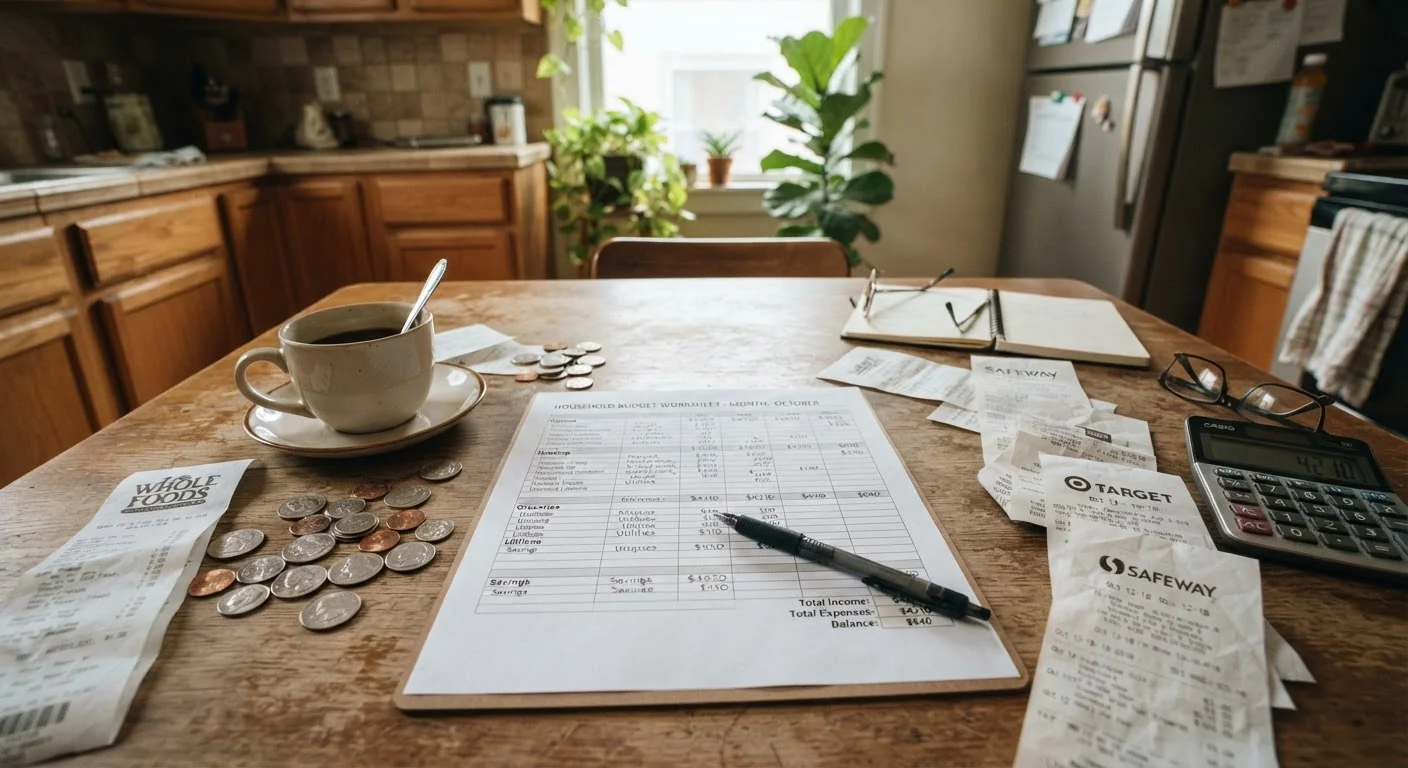
It's worth noting that open browsing doesn't always produce worse financial outcomes in absolute terms. A shopper researching a significant purchase - a piece of furniture, a home appliance - may benefit from extended discovery before settling on a direction. The problem arises when browsing becomes a default mode for routine or emotionally-driven shopping where a list would serve the shopper's actual goals better. Shifts in consumer spending patterns under financial pressure highlight how unstructured shopping can be especially costly when household budgets are already strained.
When Each Approach Makes Sense
Shopping lists and open browsing aren't mutually exclusive strategies - they're tools suited to different purposes.
When a list serves you better:
- Routine grocery or household supply runs where needs are predictable
- Shopping trips with a firm budget ceiling
- Situations where decision fatigue is likely (end of a workday, post-travel, emotionally taxing periods)
- Online shopping sessions where platform design is optimized to extend your visit
When browsing serves you better:
- Early-stage research for a major, infrequent purchase
- Gift shopping in unfamiliar categories
- Exploring a new product category where you don't yet know what exists
- Window shopping with no purchasing intent, when that's genuinely how you're treating the session
The key distinction is conscious awareness of which mode you're in. Browsing that begins as research and slides into purchasing without a clear decision checkpoint is where unintended spending tends to accumulate. A brief self-check before adding items to a cart can function as a practical circuit-breaker in those moments.
For shoppers working to align day-to-day purchases with a broader financial plan, these behavioral distinctions connect directly to how budgeting frameworks are structured. Different budgeting methods handle discretionary spending in different ways, and your default shopping mode can either support or undermine whichever structure you've adopted.
Lists Work Differently Online vs. In-Store
A written list offers a physical anchor in a brick-and-mortar environment - you can literally check items off and stop. Online, the same list requires more active discipline because platform design is built to keep sessions open. Consider closing a retailer tab once you've located your listed items, rather than leaving the cart page open while you continue browsing. The structural difference between environments matters for how much work your list has to do.