The Credit Score Scale at a Glance
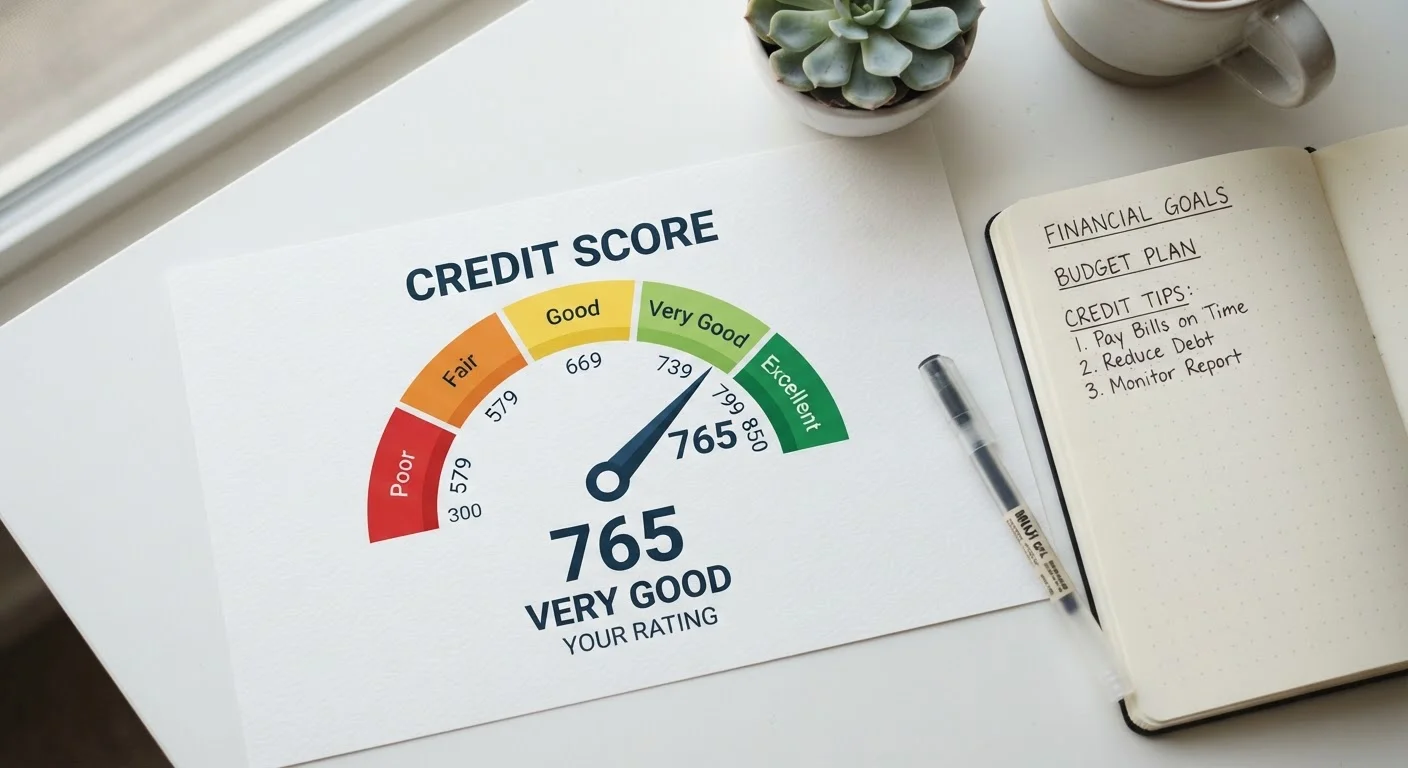
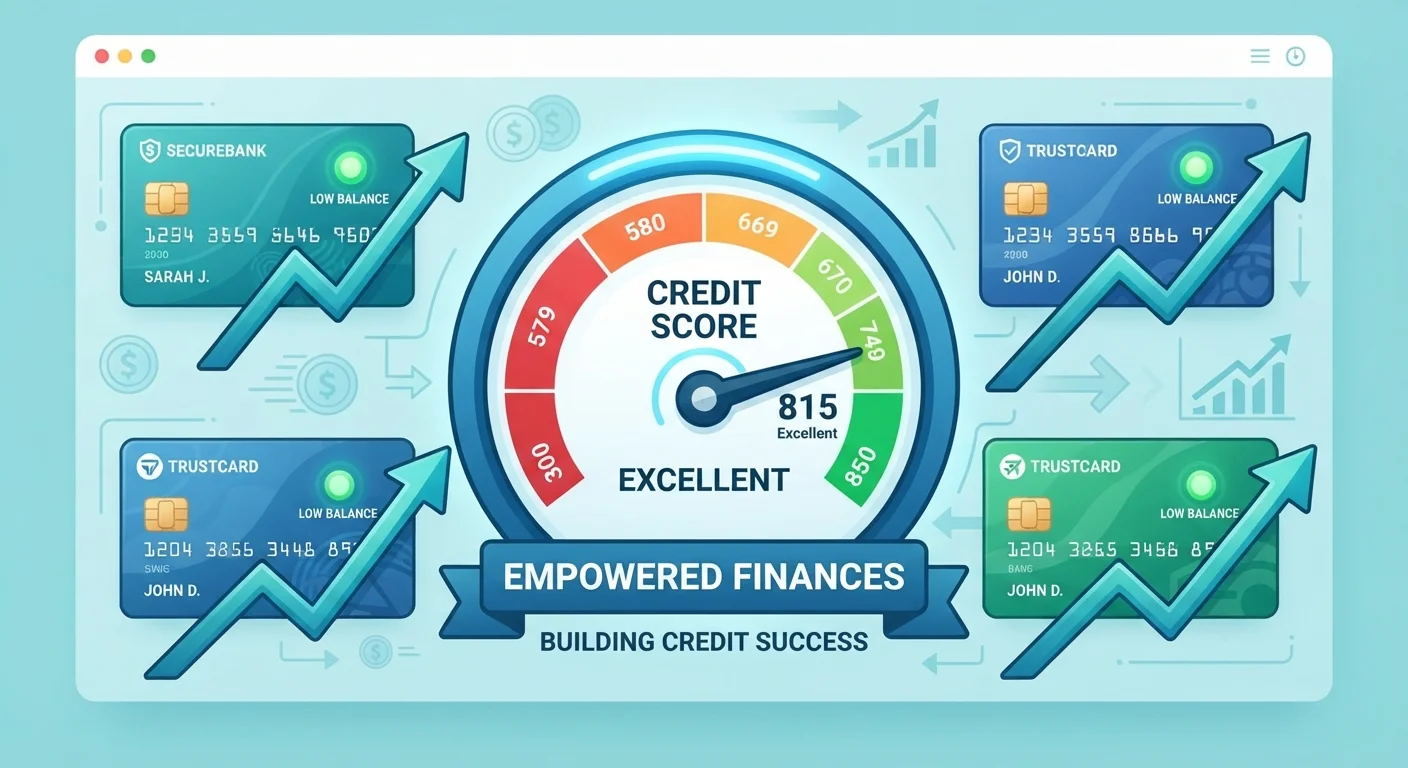
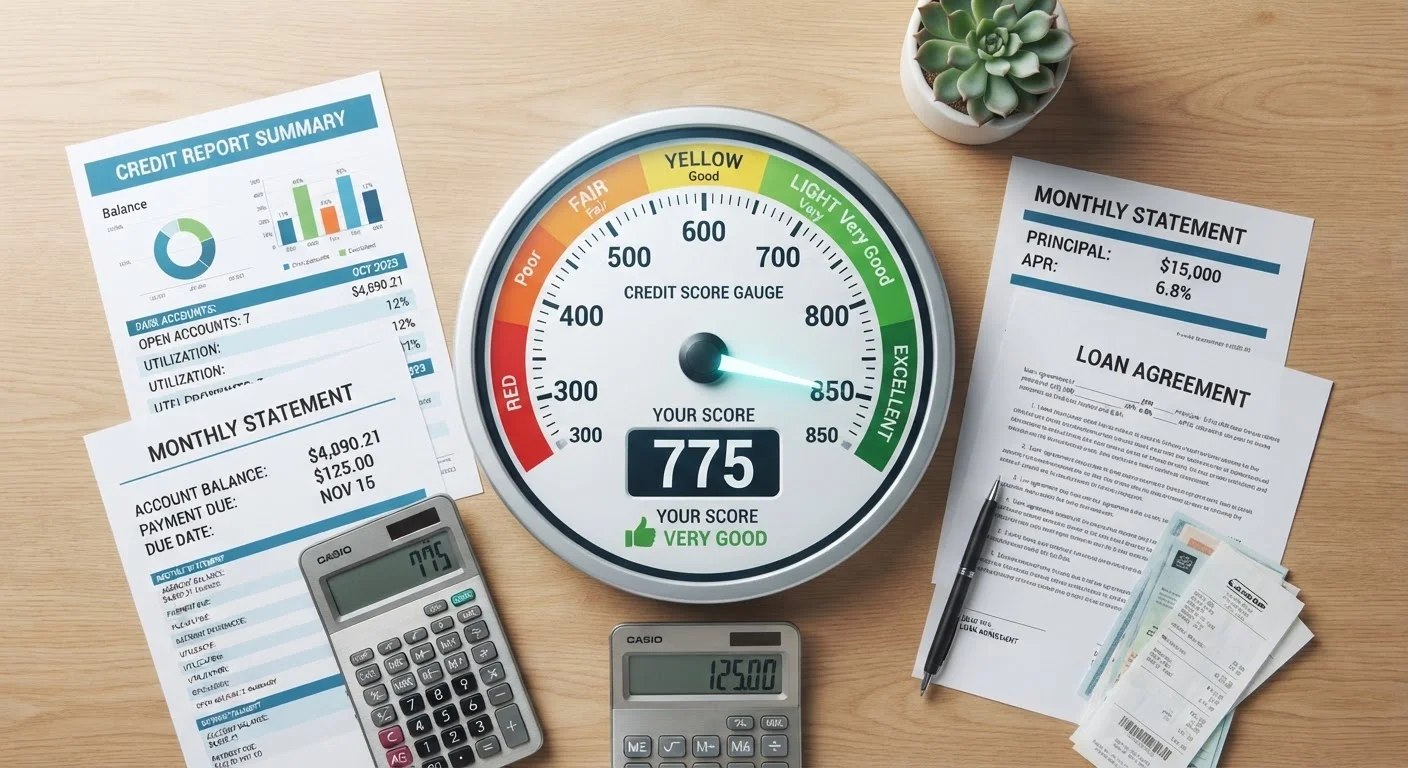
Most credit scores in the U.S. use the FICO scoring model, which runs from 300 to 850. The higher the number, the lower the perceived lending risk. But these scores aren't just abstract grades - they directly influence whether a lender approves your application and what interest rate you'll be offered.
| Score Range (FICO) | 300 - 850 (Fair Isaac Corporation (FICO)) |
| Poor Score Threshold | Below 580 (FICO scoring model) |
| Good Score Starting Point | 670 (FICO scoring model) |
| Exceptional Score Threshold | 800+ (FICO scoring model) |
| Most Common U.S. Score Range | 670 - 739 (Good) (Experian State of Credit Report) |
| Primary Scoring Models Used by Lenders | FICO and VantageScore |
Understanding what your credit score actually measures is a useful first step before interpreting where your number falls. Lenders don't all use identical cutoffs, but the industry broadly groups scores into five tiers that carry distinct practical consequences.
Breaking Down Each Score Band
Poor (300-579)
Scores below 580 indicate a significant history of missed payments, collections, high utilization, or other derogatory marks. Most conventional lenders will decline applications in this range, and those that approve may require secured collateral or charge substantially higher interest. FHA-backed mortgage loans can be available to borrowers with scores as low as 500, but down payment requirements are higher.
Fair (580-669)
This band represents the minimum threshold for many lenders. Approval becomes more realistic, but borrowers here typically face above-average interest rates. A car loan or personal loan is often accessible, though the cost of borrowing adds up over time. Addressing borrowing habits that quietly damage credit is especially valuable for people in this range.
Good (670-739)
Scores in this range are generally considered acceptable by most mainstream lenders. Applicants can expect reasonable approval rates for credit cards, auto loans, and mortgages, though they may not qualify for the most competitive rates. This tier is where many Americans sit, and small improvements can meaningfully reduce borrowing costs.
Very Good (740-799)
Borrowers here are viewed favorably. Lenders typically offer near-prime rates, and approval is rarely in question for standard credit products. A score in this band reflects consistent on-time payments, controlled utilization, and a reasonably long credit history.
Exceptional (800-850)
Scores above 800 put borrowers in the top tier. Lenders compete for this business, and applicants typically receive the lowest available rates and most favorable terms. Reaching this range requires years of disciplined credit behavior - it's less a target to sprint toward and more an outcome of sustained good habits.
FICO Score
The most widely used credit scoring model in the U.S., developed by Fair Isaac Corporation. Scores range from 300 to 850 and are calculated based on payment history, amounts owed, credit history length, new credit, and credit mix.
VantageScore
An alternative credit scoring model developed by the three major credit bureaus - Equifax, Experian, and TransUnion. It also uses a 300-850 scale but may weigh certain factors differently than FICO.
Prime Rate
The interest rate lenders offer to their most creditworthy borrowers. Borrowers with very good or exceptional scores are typically eligible for rates closest to prime.
Derogatory Mark
A negative entry on a credit report - such as a late payment, charge-off, bankruptcy, or collection account - that signals past credit problems and can significantly lower a score.
Credit Utilization
The percentage of your available revolving credit that you are currently using. High utilization - generally above 30% - is associated with lower credit scores.
Secured Credit
A credit product backed by collateral, such as a secured credit card (backed by a cash deposit) or a secured loan. Often used by borrowers with poor or no credit history.
What Lenders Actually Do With Your Score
Lenders don't just check your score in isolation. They use it as one input alongside income, existing debt obligations, employment history, and the type of credit product you're requesting. That said, your score still acts as the initial filter - a below-threshold score can end an application before those other factors are even reviewed.
~67%
Americans with a Good score or higher
According to Experian's State of Credit data, the majority of U.S. consumers fall in the Good range or above.
1-2%
Typical mortgage rate difference between score tiers
Moving from a Fair to a Very Good score can reduce a mortgage interest rate by roughly one to two percentage points, based on general lender rate-tier data.
5
Factors that shape a FICO score
FICO scores are calculated using five categories: payment history, amounts owed, length of credit history, new credit, and credit mix.
Interest rate differences between score bands can be substantial. On a 30-year mortgage, moving from a fair score to a very good score might reduce your rate by 1-2 percentage points - a difference that can translate to tens of thousands of dollars over the life of the loan. Understanding how credit utilization affects your score is one practical way to move upward in your tier.
It's also worth noting that different lenders use different versions of scoring models, and some use VantageScore rather than FICO. Range boundaries may vary slightly, but the underlying logic - rewarding reliable repayment behavior - remains consistent.
Your Score May Vary by Bureau
Your credit score can differ slightly depending on which credit bureau - Equifax, Experian, or TransUnion - generated it, because each bureau may hold slightly different data. Lenders often check one specific bureau, or all three for mortgage applications. Reviewing your reports from all three is a good practice. See how to read your credit report for guidance on spotting differences or errors.
This article is for general informational purposes only and does not constitute personalized financial or credit advice. For guidance specific to your situation, consult a licensed financial professional.