The Five Factors That Shape Your Score
Credit scores don't materialize out of thin air - they're calculated from specific categories of information in your credit report. Under the FICO model, five weighted factors determine the final number:
- Payment history (35%): Whether you've paid past credit accounts on time. A single missed payment can have a meaningful negative impact, especially if your history was previously clean.
- Amounts owed / Credit utilization (30%): How much of your available revolving credit you're currently using. Using a high percentage of your credit limits signals financial stress to lenders. See how utilization works in detail for a deeper breakdown.
- Length of credit history (15%): How long your accounts have been open, including the age of your oldest account, newest account, and average age across all accounts.
- Credit mix (10%): The variety of credit types you manage - such as credit cards, installment loans, and mortgages. Diversity signals you can handle different kinds of credit responsibly.
- New credit (10%): Recent applications for new credit. Each hard inquiry from a new application can cause a small, temporary score dip. Learn more about hard vs. soft inquiries and when each applies.
35%
Portion of FICO score from payment history
According to FICO's published scoring methodology, payment history is the single most influential factor in your score.
~49%
American adults with a FICO score of 750 or higher
FICO's publicly shared score distribution data indicates that nearly half of U.S. consumers score in the very good to exceptional range.
300-850
Standard FICO score range
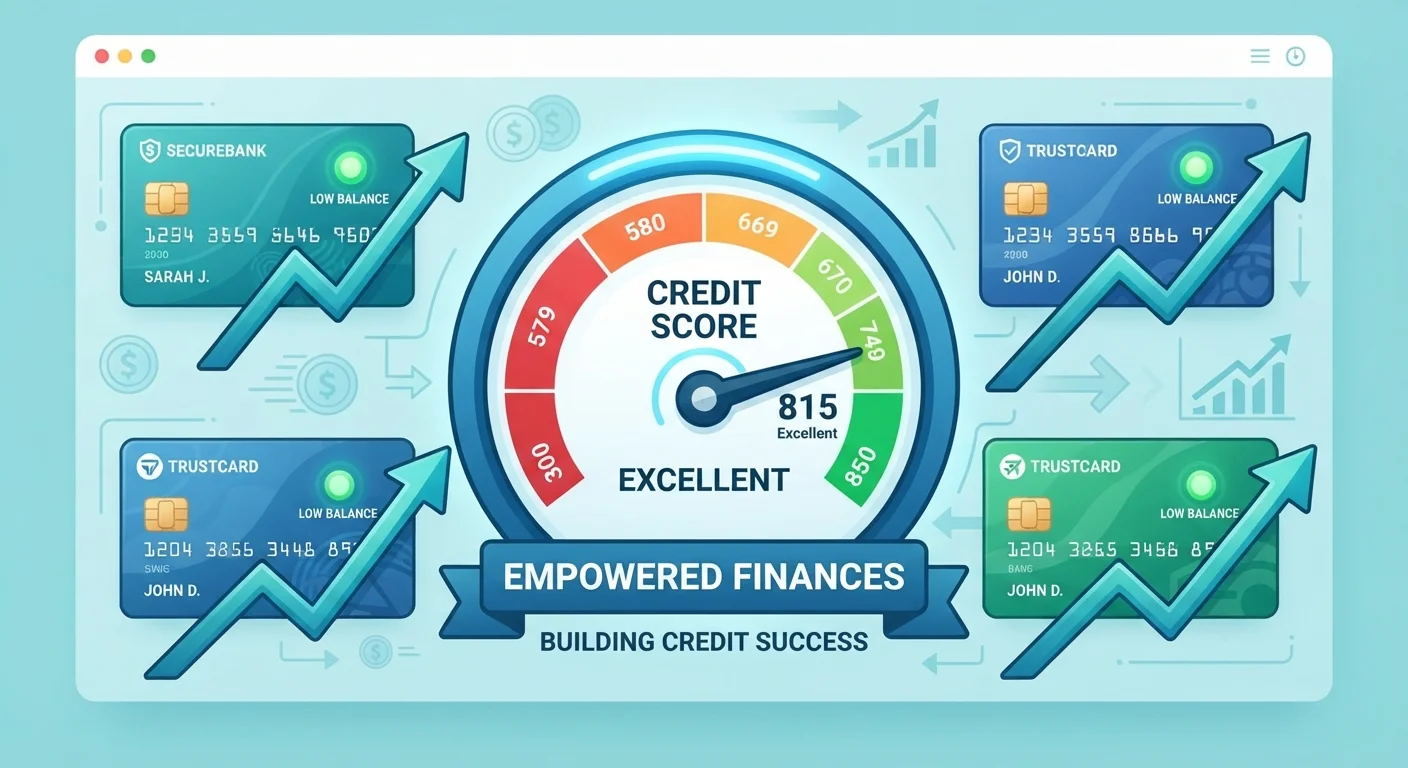
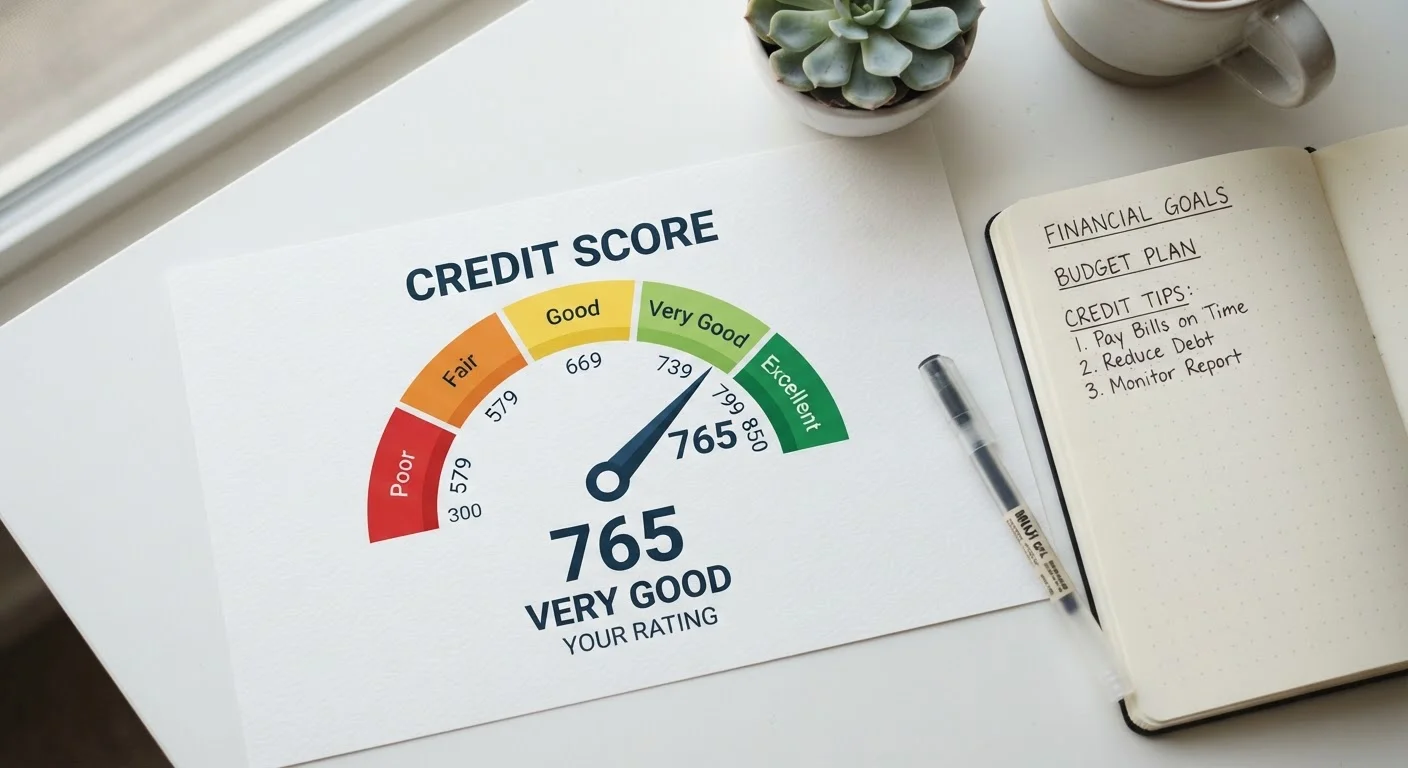
Scores fall on a scale from 300 (highest risk) to 850 (lowest risk), with most lenders considering 670 or above as broadly creditworthy.
What Your Score Does - and Doesn't - Reflect
A credit score is a narrow, specific measurement. It answers one question: based on your credit history, how likely are you to repay a new debt on time? It does not measure financial wellness broadly.
Factors explicitly excluded from credit score calculations include your income, savings and investment balances, employment status, rent payment history (in most cases), and utility payment history. Two people with identical incomes can have dramatically different scores based solely on how they've managed credit accounts.
Score Models Can Vary
Different lenders may use different versions of FICO or may use VantageScore instead. Your score can legitimately vary by a few points depending on which model and which bureau's data is used. That's why a score you see through a free monitoring tool may differ slightly from the one a mortgage lender pulls.
This distinction matters practically. A high-earning professional who never uses credit and carries no loans may have a thin or nonexistent credit file and a low score - while someone with a modest income who consistently manages several credit accounts responsibly may have an excellent one.
If you're unsure what's actually on your report driving your score, reading your credit report section by section is a good starting point.
Common Misconceptions Worth Correcting
Misunderstanding what a credit score measures can lead to counterproductive financial behavior. A few of the most persistent myths:
For a broader list of misconceptions that can cost you, see common credit score myths explained.
Review Your Credit Report Regularly
You're entitled to a free credit report from each of the three major bureaus - Equifax, Experian, and TransUnion - through AnnualCreditReport.com. Reviewing these reports periodically lets you catch errors, signs of identity theft, or outdated negative items that may be unnecessarily pulling your score down. Dispute any inaccuracies directly with the bureau reporting them.
This article is for general informational and educational purposes only and does not constitute personalized financial, credit, or legal advice. Consult a qualified financial professional for guidance specific to your situation.