
What These Three Accounts Actually Are
All three account types are deposit vehicles - meaning you place cash into them and earn interest over time. But how they handle your money differs in ways that matter when you're deciding where to park your savings.
Savings accounts are the most familiar option. You deposit money, earn interest (expressed as an annual percentage yield, or APY), and can withdraw when you need to. Rates at traditional banks have historically been modest, though online institutions often offer meaningfully higher yields. See our comparison of high-yield vs. traditional savings accounts for more on that distinction.
Certificates of deposit (CDs) require you to commit funds for a fixed term - commonly ranging from three months to five years. In return, the financial institution typically offers a locked-in rate for that term. Withdrawing early usually triggers a penalty, so CDs reward patience.
Money market accounts (MMAs) occupy a middle ground. They often offer rates closer to CDs than basic savings accounts, and many allow limited check-writing or debit card access. They may also require a higher minimum balance to avoid fees. Not to be confused with money market funds, which are investment products - MMAs are deposit accounts and are generally FDIC-insured.
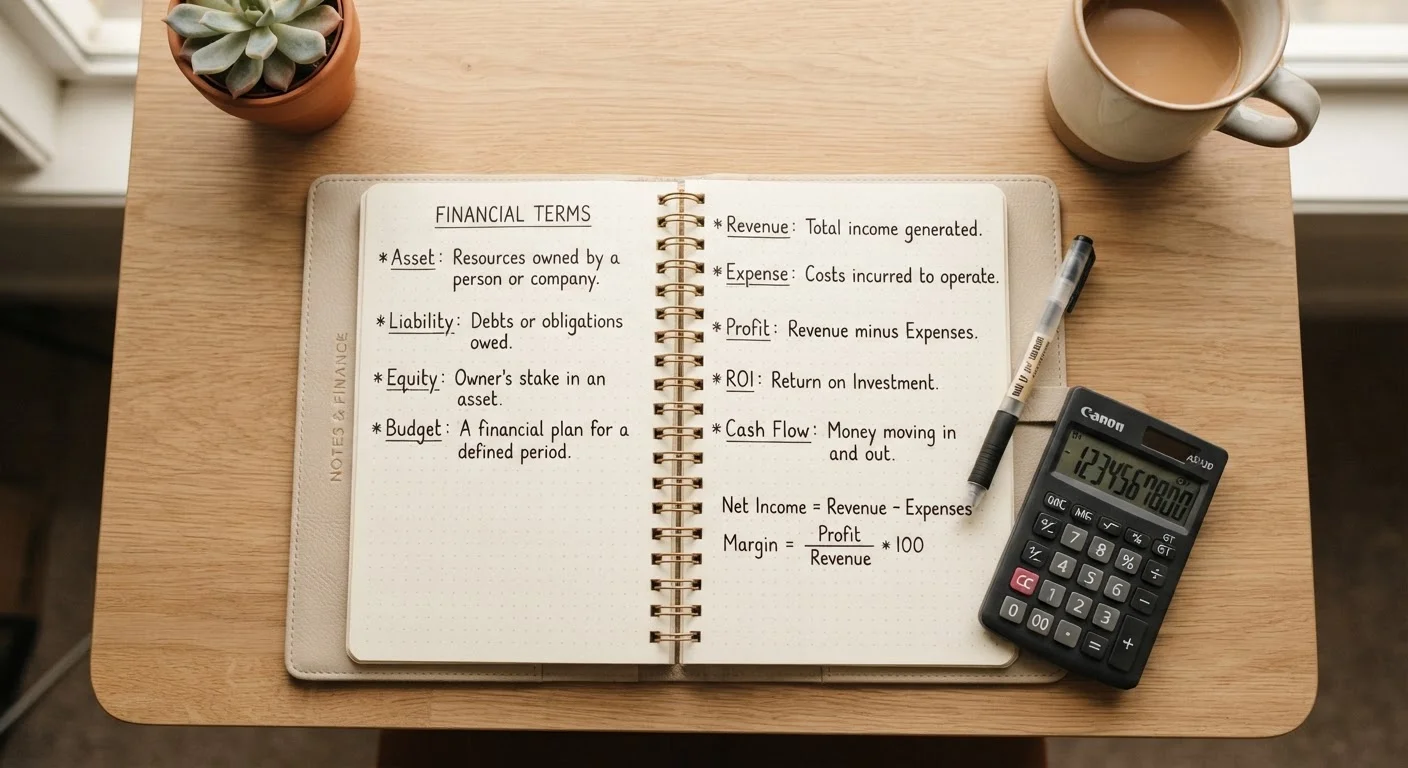
If some of this vocabulary is unfamiliar, our personal finance terms reference covers APY, liquidity, and other key concepts.
How They Compare Across Key Factors
The table below summarizes the most important differences across the three account types. Keep in mind that specific rates, minimums, and terms vary by institution and change over time - always verify current details directly with any financial institution you're considering.
| Savings Account | CD | Money Market Account | |
|---|---|---|---|
| Liquidity | High - withdraw anytime | Low - penalty for early withdrawal | Moderate - limited transactions |
| Typical APY | Low to moderate (varies widely) | Moderate to higher; fixed for term | Moderate to higher; variable |
| Rate type | Variable | Fixed for the term | Variable |
| Minimum balance | Often low or none | Varies by institution | Often higher minimums |
| FDIC / NCUA insured | Yes, at eligible institutions | Yes, at eligible institutions | Yes, at eligible institutions |
| Check / debit access | Usually none | None | Often yes, with limits |
| Early withdrawal penalty | None | Yes - forfeits some interest | None (but fees may apply) |
$250,000
FDIC insurance limit per depositor, per institution
The FDIC insures deposits up to this standard limit per ownership category at each insured bank, as of current federal policy.
3-60 months
Typical CD term range
Most banks and credit unions offer CD terms spanning from a few months to five years, with rates generally varying by term length.
When Each Account Makes the Most Sense
Choose a savings account when liquidity is a priority - for example, building or holding your emergency fund. Because you can access the money quickly without penalty, it works well for reserves you might need on short notice. Our article on emergency funds vs. savings accounts explains how these two concepts overlap and where they differ.
Choose a CD when you have a defined goal with a known timeline - a down payment you'll need in 18 months, for example - and you're confident you won't need to tap the money early. Laddering CDs (opening several with staggered maturity dates) is one strategy some savers use to maintain partial access while still capturing fixed rates. This is a general concept, not a guarantee of returns.
Choose a money market account when you want a competitive rate but value the option to make occasional withdrawals or payments directly from the account. They can serve as a step up from a basic savings account for funds that sit long enough to earn more interest but still need to remain accessible.
Consider a CD Ladder for More Flexibility
Instead of putting all your funds into a single long-term CD, you can open several CDs with different maturity dates - say, 6-month, 12-month, and 24-month terms. As each one matures, you decide whether to reinvest or use the funds. This approach lets you capture fixed rates while maintaining periodic access to a portion of your savings. It's a general strategy worth discussing with a financial professional based on your own goals.
For most people, the question isn't which single account to use - it's how to allocate across them. Our piece on keeping all savings in one place walks through the trade-offs of consolidation versus spreading funds across account types.
This article is for general informational and educational purposes only. It does not constitute personalized financial, tax, or investment advice. Consult a qualified financial professional for guidance tailored to your specific situation.