How Power Enters and Flows Through Your Home
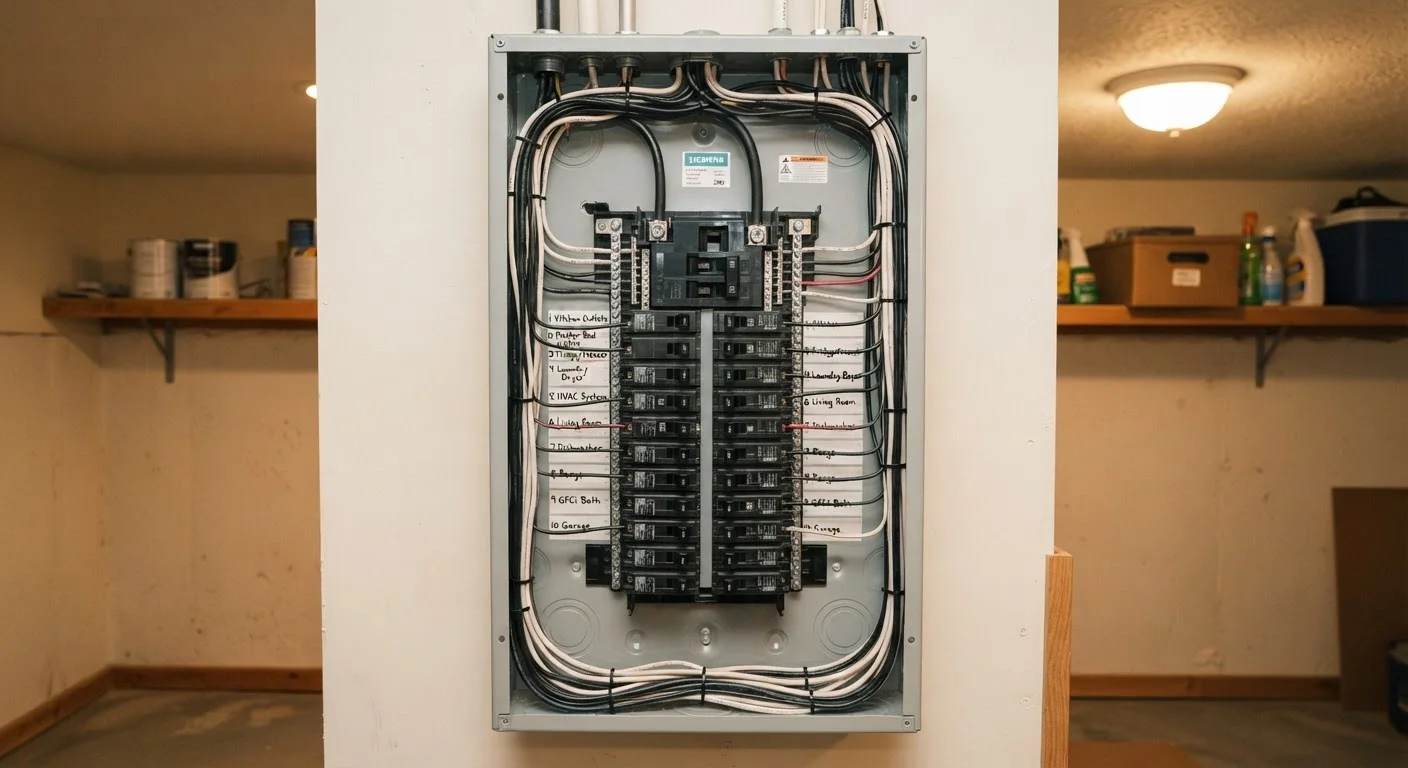
Electricity arrives at your home from the utility grid through a service entrance - typically wires connecting to a weatherhead on your roof or an underground conduit - then passes through your utility meter before reaching the main electrical panel (also called the breaker box or load center). Everything downstream of that panel is your responsibility as a homeowner.
Inside the panel, a main breaker controls total power to the home. Below it, individual circuit breakers protect separate circuits - each one a dedicated path of wiring serving a specific zone or appliance. When a circuit draws more current than its breaker is rated for, the breaker trips and interrupts power, preventing the wire from overheating.
Circuits are sized by amperage. Most lighting and general-purpose outlet circuits are 15 amps; kitchen countertop and bathroom circuits are commonly 20 amps; large appliances like electric dryers and central air conditioning units run on dedicated 240-volt circuits with their own double-pole breakers.
~51,000
Home electrical fires per year in the US
According to the Electrical Safety Foundation International (ESFI), electrical fires cause thousands of injuries and billions in property damage annually.
80%
Recommended maximum continuous circuit load
Electrical codes and safety guidance consistently recommend keeping continuous loads to no more than 80% of a circuit's rated amperage to prevent overheating.
1/40th sec
Time for GFCI to cut power
GFCI devices are designed to interrupt a circuit in approximately 25 milliseconds - fast enough to prevent lethal shock in most circumstances.
GFCI and AFCI Protection: Safety Devices That Matter
Two specialized breaker and outlet types provide critical protection beyond what a standard breaker offers.
GFCI (Ground Fault Circuit Interrupter) devices detect tiny current imbalances - as small as 4-6 milliamps - that indicate electricity is taking an unintended path, possibly through a person. They cut power in about one-fortieth of a second. The National Electrical Code mandates GFCI protection in kitchens, bathrooms, garages, outdoors, crawl spaces, and unfinished basements. Test your GFCI outlets monthly using the TEST/RESET buttons.
AFCI (Arc Fault Circuit Interrupter) breakers detect dangerous electrical arcing - sparking inside walls caused by damaged or deteriorated wiring - that a standard breaker won't catch. They're now required by code in most living areas of new construction and renovations in many jurisdictions. If your home was built or rewired recently, you may already have them.
Test Your GFCI Outlets Every Month
Press the TEST button on any GFCI outlet - the outlet should lose power immediately. Press RESET to restore it. If the outlet doesn't respond or won't reset, it may be faulty and should be replaced by a qualified electrician. This simple 30-second check can catch a failing safety device before it matters.
Understanding Circuit Load Capacity
Every circuit has a maximum safe load. Exceeding it - even with a power strip - doesn't add capacity; it just concentrates more draw onto a wire rated for less. Overloaded circuits are a leading contributor to residential electrical fires.
A practical rule: a circuit should not carry more than 80% of its rated capacity continuously. On a 15-amp, 120-volt circuit, that means no more than about 1,440 watts running simultaneously. To estimate the load on a circuit, add up the wattage of everything plugged into it. Appliances list their wattage or amperage on a label - usually on the bottom or back.
Signs of an overloaded circuit include breakers that trip regularly, outlets or switch plates that feel warm to the touch, and lights that dim when an appliance turns on. If these symptoms appear, reduce load or consult an electrician about adding a dedicated circuit. For a broader look at routine home upkeep, see our seasonal home maintenance checklist.
What Homeowners Can and Cannot Safely Do
Some basic electrical tasks are within reach of a careful, informed homeowner. Resetting a tripped breaker, testing GFCI outlets, replacing a like-for-like outlet or light switch (with the breaker off and power confirmed absent using a non-contact voltage tester), and swapping a light fixture are tasks many homeowners handle safely.
However, work involving the main panel, adding new circuits, upgrading service capacity, or any wiring inside walls typically requires a licensed electrician and, in most jurisdictions, a permit and inspection. Unpermitted electrical work can create safety hazards, complicate home sales, and void homeowner's insurance coverage. Our guide on permits and inspections explains when they apply and how to navigate the process.
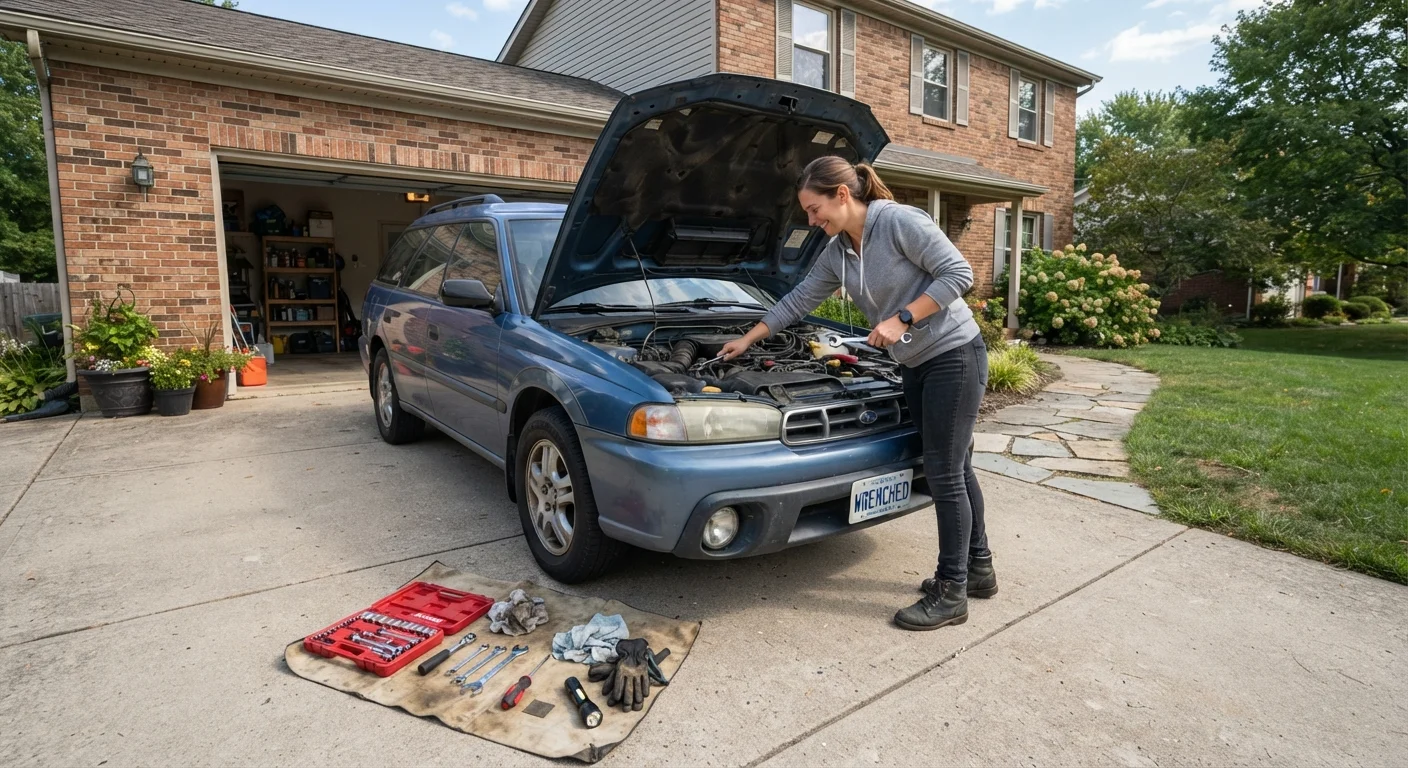
The principle of knowing your limits applies beyond home projects - it's the same mindset covered in our article on which DIY car maintenance tasks are safe to tackle yourself. Confidence comes from knowledge, not guesswork.
Permits Are Required for Most Electrical Work
In most US jurisdictions, adding circuits, upgrading a panel, or making substantial wiring changes requires a permit and inspection by a local building authority. Requirements vary by municipality, so check with your local building department before starting any project. Unpermitted work can create complications when selling your home and may affect your insurance coverage.
This article provides general educational information about residential electrical systems and is not a substitute for advice from a licensed electrician. Always verify local code requirements and consult a qualified professional before undertaking any electrical work.