
Why a Seasonal Approach Works
Home systems don't fail on a schedule, but they do respond to seasonal stress. Freezing temperatures strain pipes and heating equipment. Summer heat taxes cooling systems and bakes caulk loose. Autumn rains expose gaps in roofing and drainage. Treating maintenance as a year-round habit - rather than a single annual scramble - distributes the workload and dramatically improves your chances of catching a small problem before it becomes an expensive one.
This checklist is organized by season. Work through it at the start of each one. Most tasks are straightforward DIY; a few - particularly anything involving electrical panels, gas lines, or structural components - should be handled by a licensed professional. For a sense of which projects require official permits or inspections, see our guide on when permits and inspections are required.
Pair this checklist with the seasonal declutter checklist for every room to reset both the structure and the contents of your home each quarter.
Flathead and Phillips screwdrivers
Tightening loose hardware, securing outlet covers, and general minor fixes throughout the checklist.
Caulking gun and all-purpose caulk
Resealing gaps around windows, doors, and exterior penetrations each season.
HVAC filters (correct size for your system)
Replacing air filters every one to three months depending on use and filter type.
Ladder (6- to 8-foot stepladder)
Safely reaching gutters, exterior light fixtures, and upper-story windows for inspection.
Flashlight or headlamp
Inspecting attics, crawl spaces, and areas behind appliances where lighting is limited.
Gutter scoop or garden trowel
Removing packed leaf debris from gutters during spring and autumn cleanings.
Maintenance log (notebook or app)
Recording the date and details of each completed task to build a running home history.
The Seasonal Maintenance Checklist
The groups below cover spring, summer, autumn, and winter priorities. Items marked must are non-negotiable for safety or to prevent significant damage. Should items are strongly recommended for long-term upkeep. Nice-to-have items are beneficial but lower urgency.
Spring
Summer
Autumn
Winter
Don't DIY Electrical, Gas, or Structural Work
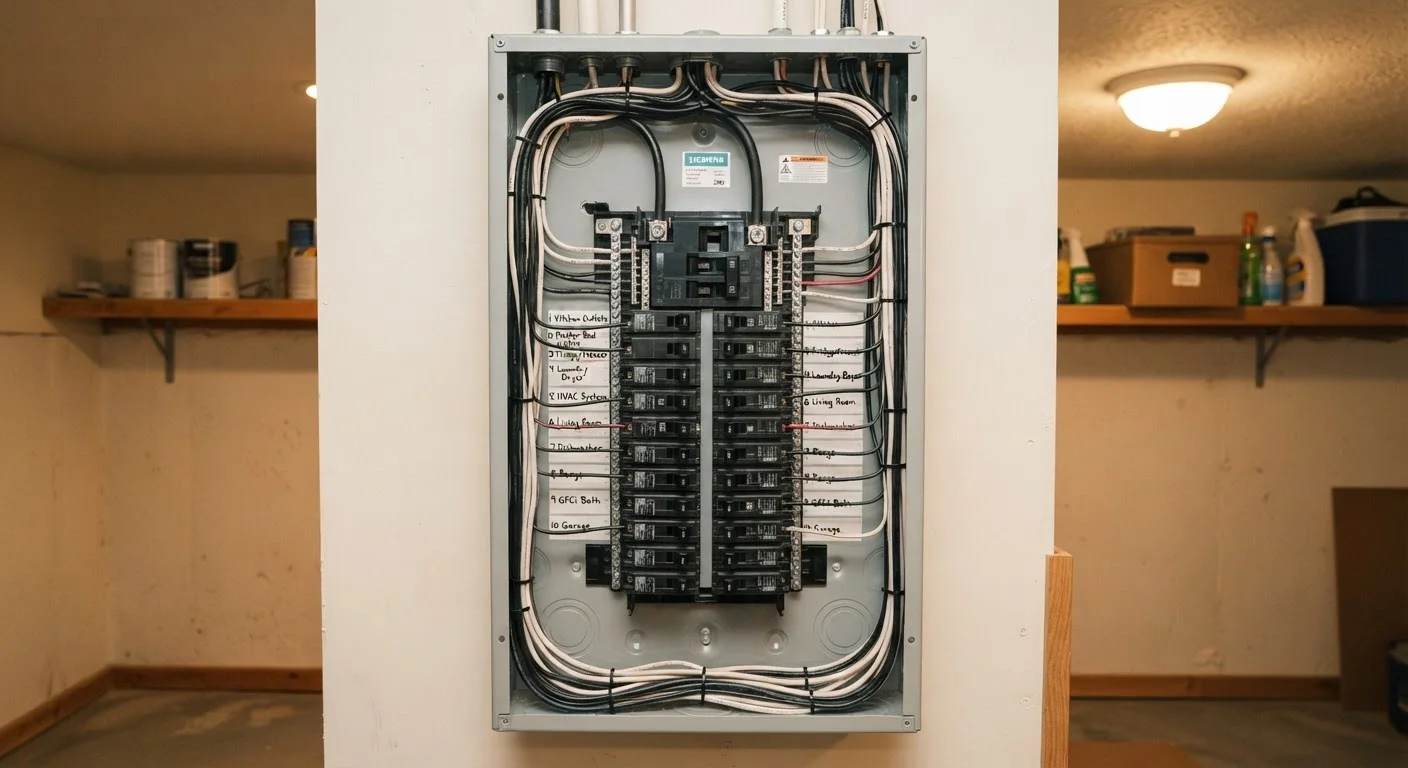
Several seasonal checks - particularly around the electrical panel, gas appliances, chimney flues, and load-bearing elements - should be inspected or repaired only by a licensed professional. Attempting these without the right training and tools creates serious safety hazards and may violate local building codes. When in doubt, call a qualified contractor rather than proceeding on your own.
Keeping Track and Knowing Your Limits
A simple notebook or phone note listing the date and description of each completed task is worth maintaining. Insurance companies and future buyers may ask for maintenance records, and a log helps you spot patterns - like a filter that clogs unusually fast - that signal a larger underlying issue.
For tasks touching your home's electrical system, review our overview of residential electrical basics before deciding whether to proceed yourself or call a licensed electrician. Similarly, if you're heading out for an extended trip, run through the pre-trip home checklist to make sure the house is secured before you leave.
Finally, seasonal home upkeep pairs naturally with seasonal lawn care - the year-round lawn maintenance checklist covers mowing, aeration, and winter prep in the same seasonal format used here.
Frozen Pipes Can Cause Severe Water Damage
Burst pipes from freezing are one of the most damaging and costly home emergencies. Before winter arrives, locate your main water shut-off valve and make sure every adult in the household knows how to use it. If you suspect a pipe has frozen but not yet burst, turn off the water supply immediately and contact a licensed plumber rather than attempting to thaw it yourself with an open flame.