Why the DIY Question Matters
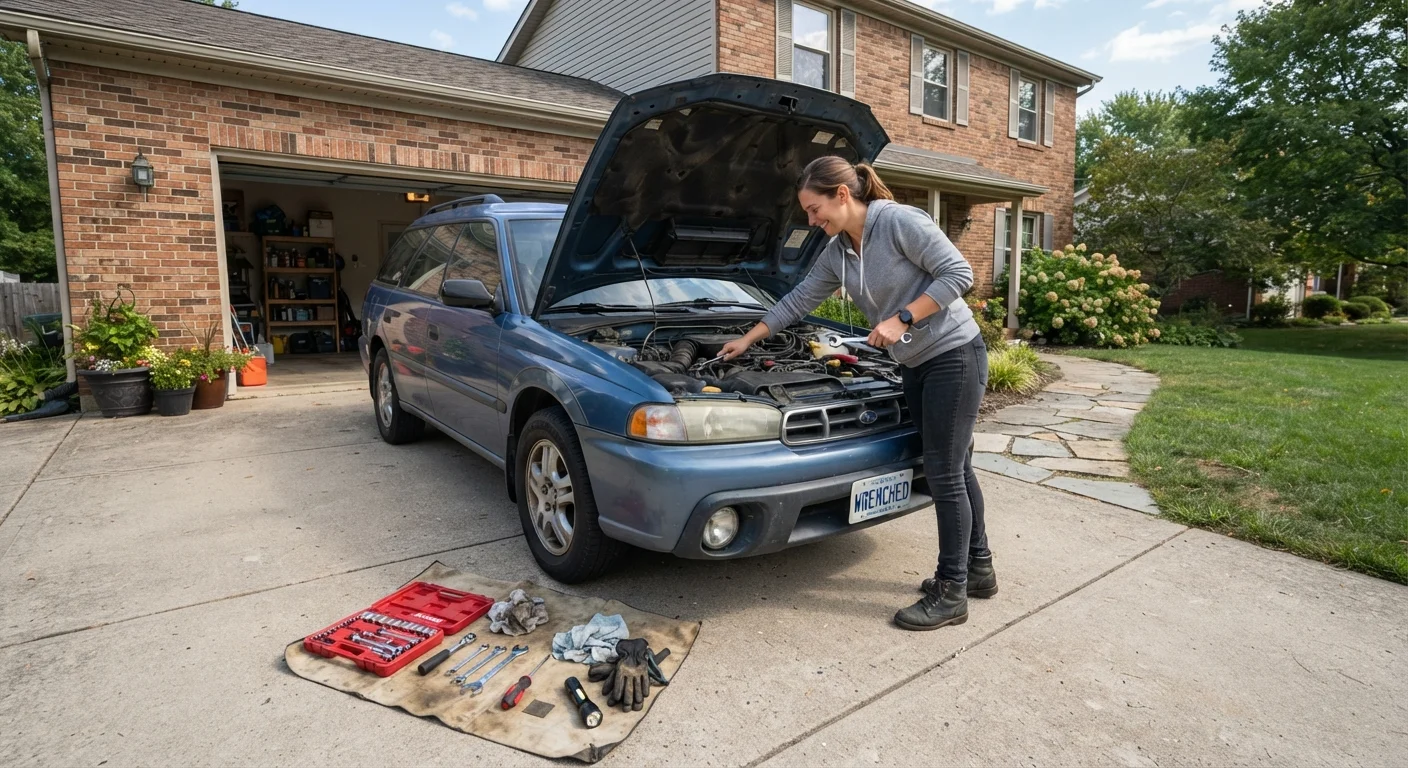
Car ownership comes with a steady stream of maintenance decisions. Some are urgent, some are routine, and the cost of getting them wrong varies enormously. Doing your own maintenance can save money and give you a clearer picture of your vehicle's health - but not every task belongs in a driveway toolbox.
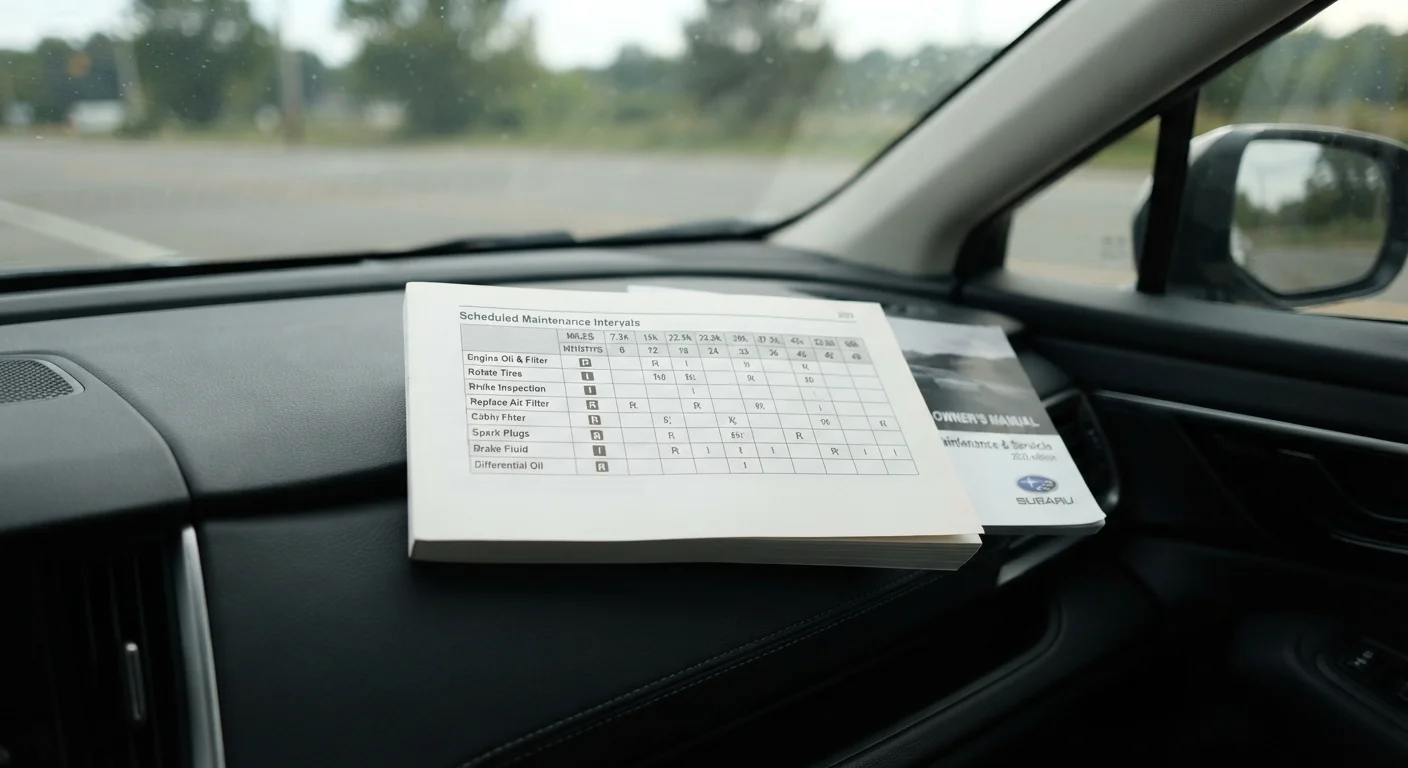
The starting point for any driver is understanding what their car actually requires. Your owner's manual maintenance schedule lays out service intervals specific to your make and model - it's far more reliable than general rules of thumb or advice from well-meaning friends.
If you're newer to car ownership, a foundational overview of car maintenance can help you understand what each system does before you start poking around under the hood.
Saves money on routine service costs
Labor charges make up a significant portion of most shop bills. Handling straightforward tasks yourself - like air filter swaps or wiper replacements - eliminates that cost entirely.
Builds mechanical familiarity with your vehicle
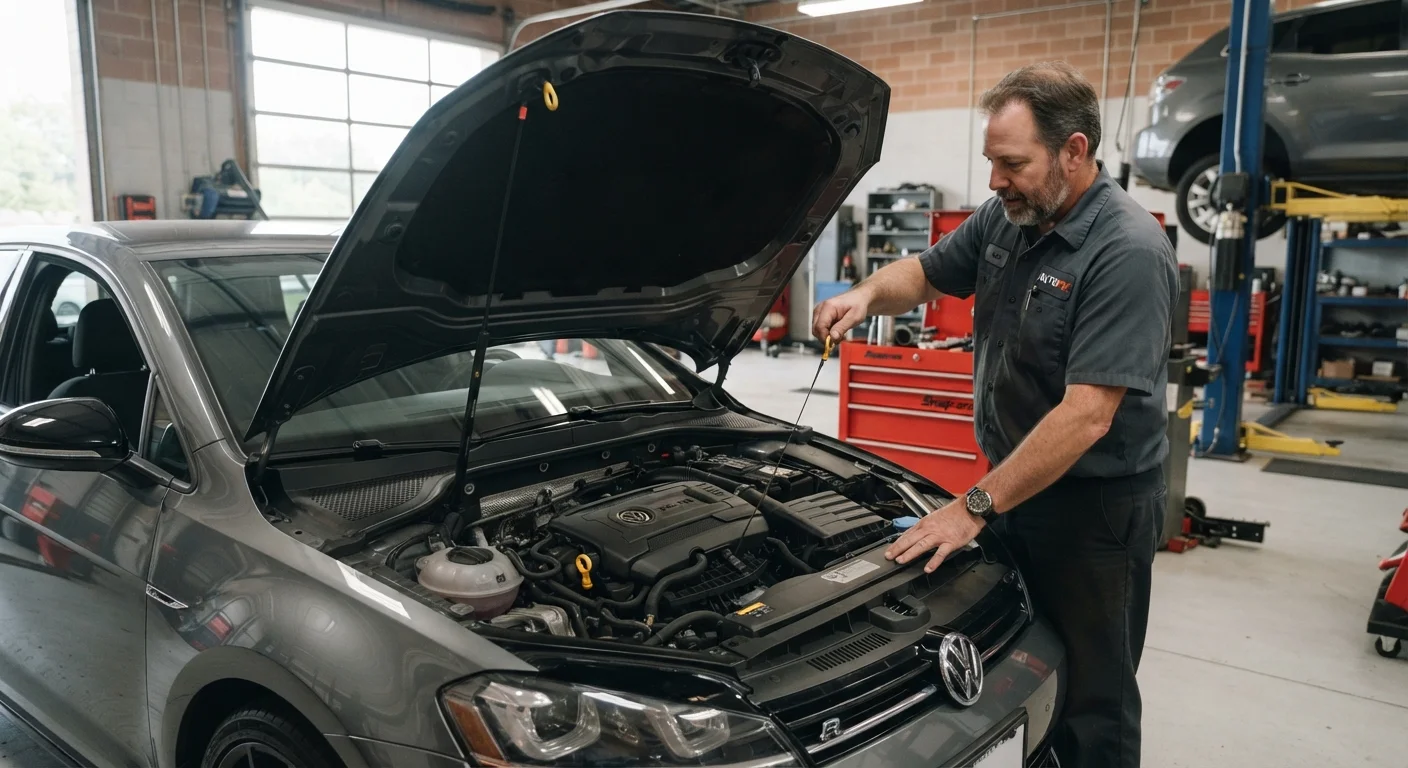
Regularly checking fluids and inspecting components keeps you aware of your car's condition, so changes or warning signs are more likely to catch your attention early.
Flexible timing on your schedule
DIY tasks can be done when it's convenient for you, without booking an appointment or waiting for a service slot.
Low-stakes tasks are genuinely beginner-friendly
Jobs like replacing a cabin air filter or checking tire pressure require minimal tools and carry virtually no risk of injury or vehicle damage when done carefully.
Tasks That Are Reasonable to DIY
Several routine maintenance jobs require minimal tools, carry low injury risk, and come with clear instructions in your owner's manual or reliable how-to resources. These are the tasks where DIY genuinely makes sense for most motivated drivers:
- Wiper blade replacement - Usually a clip-and-snap swap taking under five minutes.
- Engine air filter replacement - Typically located in an easy-access housing; no tools required on most vehicles.
- Cabin air filter replacement - Often behind the glove box; your manual will show the exact location.
- Checking and topping off fluids - Windshield washer fluid, coolant (when the engine is cold), and power steering fluid have visible reservoirs with marked fill lines.
- Tire pressure checks - A basic gauge costs a few dollars and takes two minutes per tire.
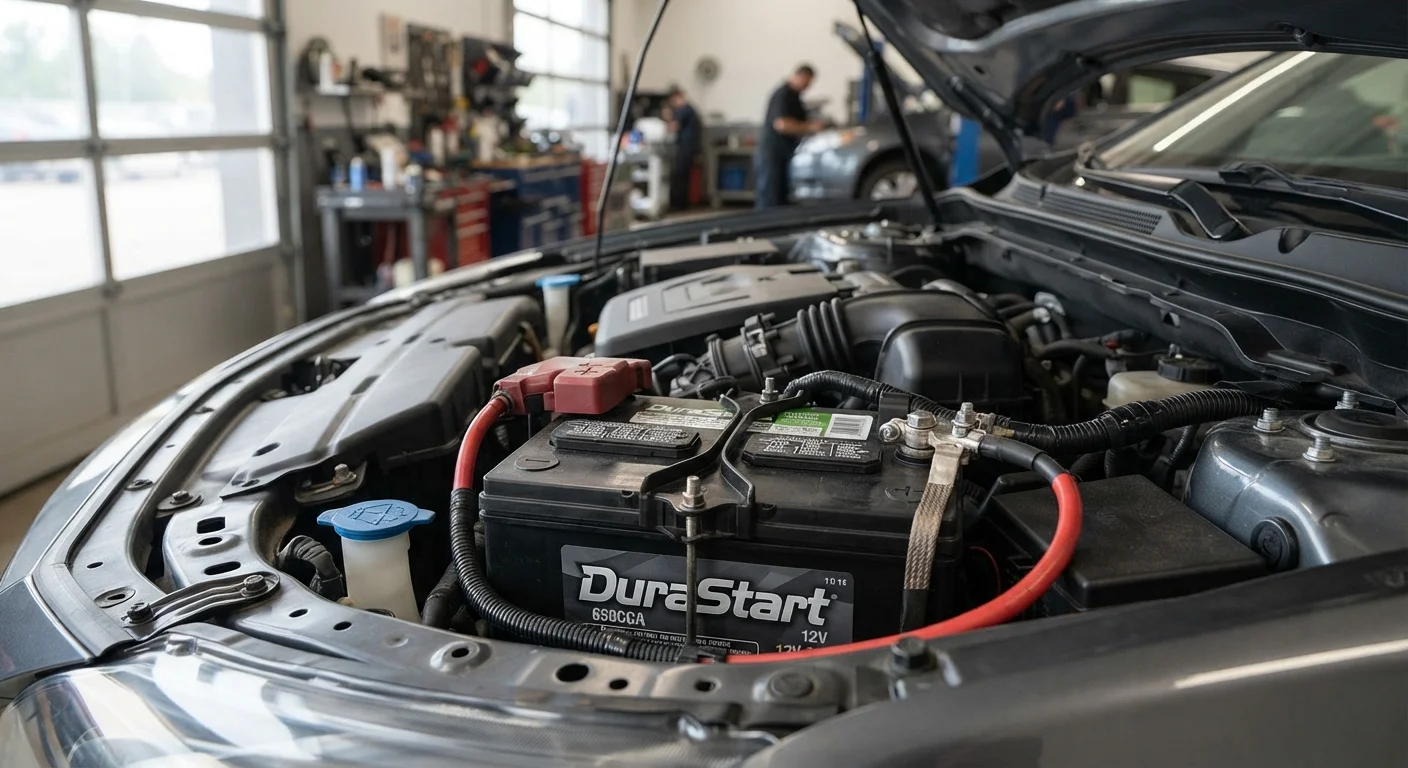
- Battery terminal cleaning - Removing corrosion buildup with a wire brush is straightforward, though understanding battery health more broadly helps you know when cleaning isn't enough.
Oil changes are a common DIY target too - but disposal of used oil requires proper handling, and getting the interval and oil type right matters more than the act of changing it yourself.
Mistakes on safety-critical systems can be dangerous
Errors in brake, steering, or suspension work can lead to loss of vehicle control. The margin for error on these systems is extremely small.
Incorrect repairs may void your warranty
Many manufacturer and extended warranties specify that certain work must be performed by a certified technician. DIY work on covered components could leave you on the hook for a costly repair.
Specialized tools add upfront cost
Some jobs that seem simple require torque wrenches, scan tools, or other equipment that quickly offsets any savings compared to a professional shop rate.
Improper disposal of fluids carries environmental and legal risk
Used motor oil, coolant, and brake fluid must be disposed of properly. Many municipalities have specific rules, and dumping them incorrectly can result in fines.
Where DIY Becomes Risky
Some jobs look approachable but carry consequences if done incorrectly - from voided warranties to outright safety hazards.
When a Warning Light Is Involved
If a dashboard warning light prompted you to investigate a repair, be cautious about proceeding on your own. Warning lights often signal issues within interconnected systems - a brake warning, for example, could reflect fluid level, pad wear, or a sensor fault. A diagnostic scan at a shop can pinpoint the cause before any hands-on work begins, and many auto parts retailers offer free code reads for check engine lights.
Brake system work is the clearest example. Replacing brake pads involves compressing calipers, handling hydraulic lines, and ensuring everything seats correctly under pressure. An error here can result in brake failure. This category of work - along with rotors, brake fluid bleeding, and ABS components - is best handled by a qualified mechanic.
Suspension and steering components are similarly unforgiving. Tie rods, ball joints, and wheel bearings require proper torque specs, alignment afterward, and sometimes specialized tools. Improperly installed parts can cause loss of vehicle control.
Fuel system repairs involve flammable materials under pressure. Even seemingly simple jobs like replacing a fuel filter can release pressurized fuel if not handled correctly - a serious fire risk.
Timing belts and chains require precise alignment. An engine that's assembled even slightly out of time can sustain catastrophic internal damage the moment it starts.
When in doubt, a pre-purchase or diagnostic inspection from a trusted mechanic is money well spent. A seasonal check-up routine can also flag emerging issues before they become expensive problems, whether you fix them yourself or hand them off.
~35%
Of vehicle repairs are maintenance-related
Industry estimates suggest a significant share of shop visits are for routine maintenance items that drivers could potentially handle themselves with the right knowledge.
3-5 years
Typical cabin air filter replacement interval
Most manufacturers recommend replacing the cabin air filter every 15,000-25,000 miles, though driving in dusty conditions can shorten that interval noticeably.
Building Good Habits Over Time
The drivers who get the most out of DIY maintenance tend to start small and build from there. Swapping wiper blades or checking tire pressure costs almost nothing to learn and gets you comfortable reading your owner's manual and working around the car. That familiarity pays off even when you're not doing the work yourself - you'll have a better sense of what a mechanic is telling you and whether a repair recommendation sounds reasonable.
Common maintenance myths can also lead well-meaning drivers astray, turning unnecessary services into real expenses. Knowing what your car actually needs - versus what's been repeated for decades without good reason - is part of being an informed owner.
The same logic applies across other areas of home upkeep: DIY has real value until the stakes get high enough that expertise matters more than effort. Whether it's your car, your plumbing, or your home renovations, the principle is the same - match the task to your skill level, and be honest when it's time to call in a professional.