Why the DIY Line Matters in Plumbing
Plumbing sits in a unique category of home maintenance: some tasks are genuinely approachable, while others carry real risks - flooding, mold, structural damage, or code violations - if done incorrectly. Unlike painting a room, a plumbing mistake can remain hidden inside a wall for months before the damage surfaces.
This guide draws a clear line between tasks that most capable homeowners can handle and those that belong in the hands of a licensed professional. Understanding that distinction is a core part of deciding when to DIY a home project.
Take a Photo Before You Start
Before disconnecting any fixture, photograph the existing connections from multiple angles. This gives you a reference if reassembly gets confusing - and helps a plumber quickly assess the situation if you need to call one mid-job.
Plumbing Tasks That Are Reasonable to DIY
These jobs share a few common traits: they're self-contained, the water supply can be fully shut off at a nearby valve, and they don't require opening walls or modifying pipe runs.
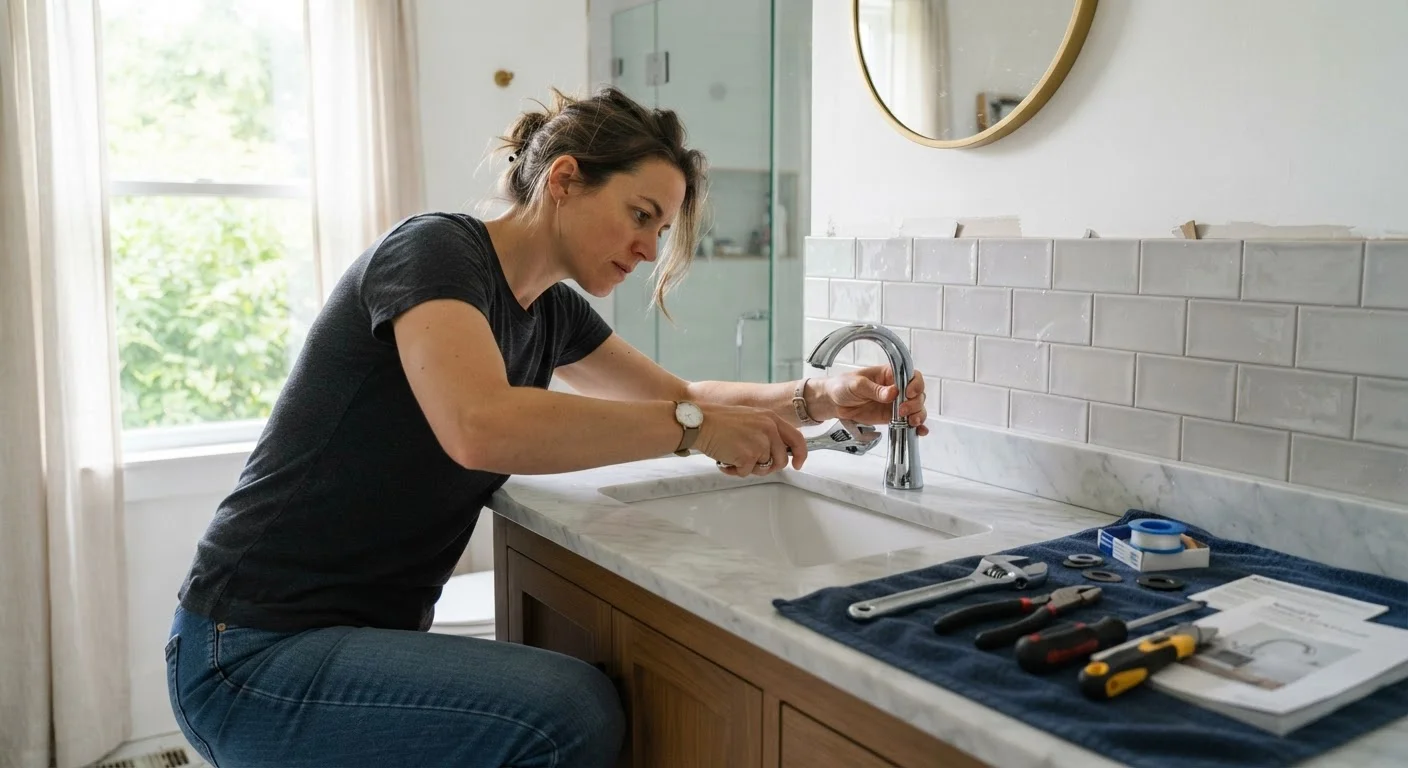
- Replacing a faucet or showerhead: Straightforward if you have an adjustable wrench, plumber's tape, and the patience to read the fixture instructions. The shutoff valves under a sink make this a low-risk swap.
- Fixing a running toilet: Flapper replacement and float adjustment are inexpensive and require no special tools. Toilet internals are designed for home repair.
- Unclogging drains: A plunger, drain snake, or enzymatic drain cleaner handles most slow or blocked drains without touching supply lines.
- Replacing a toilet seat or fill valve: Both involve only the toilet tank and require no pipe work.
- Installing a new supply line (braided stainless): Connecting a new braided supply line between a shutoff valve and a fixture is well within beginner range, provided the shutoff valve itself is in good condition.
- Replacing a P-trap: The curved pipe under a sink is typically hand-tightened PVC. Swapping it out is manageable with basic mechanical confidence.
| Task | DIY Friendly | Skill Required | Permit Typically Needed | |
|---|---|---|---|---|
| Faucet / showerhead replacement | Yes | Beginner | No | |
| Toilet flapper / fill valve | Yes | Beginner | No | |
| P-trap replacement | Yes | Beginner-Intermediate | No | |
| Supply line rerouting | No | Licensed plumber | Yes | |
| Water heater installation | No | Licensed plumber | Yes | |
| Sewer line repair | No | Licensed plumber | Yes | |
| Main shutoff valve replacement | No | Licensed plumber | Often yes |
Plumbing Tasks That Require a Licensed Professional
The following jobs involve pressurized supply lines inside walls, main shutoffs, drain line reconfiguration, or work that typically requires a permit - and in many jurisdictions, must be performed by a licensed plumber.
- Rerouting or extending supply or drain lines: Any time pipes need to be moved or added inside walls or floors, the scope expands significantly. Incorrect slope on drain lines causes chronic clogs and even sewage backup.
- Water heater installation or replacement: This involves gas or high-voltage electrical connections, pressure relief valves, and ventilation - all of which are regulated and require permits in most states.
- Main shutoff valve replacement: The main valve controls all water into your home. Replacing it requires shutting off the municipal supply, which typically involves the utility company or a permit.
- Sewer line work: Any repair or replacement involving the main sewer line - including hydro-jetting for serious blockages - needs a pro with diagnostic equipment.
- Anything involving gas lines: Even if the pipe is adjacent to a plumbing fixture, gas work is regulated, hazardous, and non-negotiable territory for licensed tradespeople.
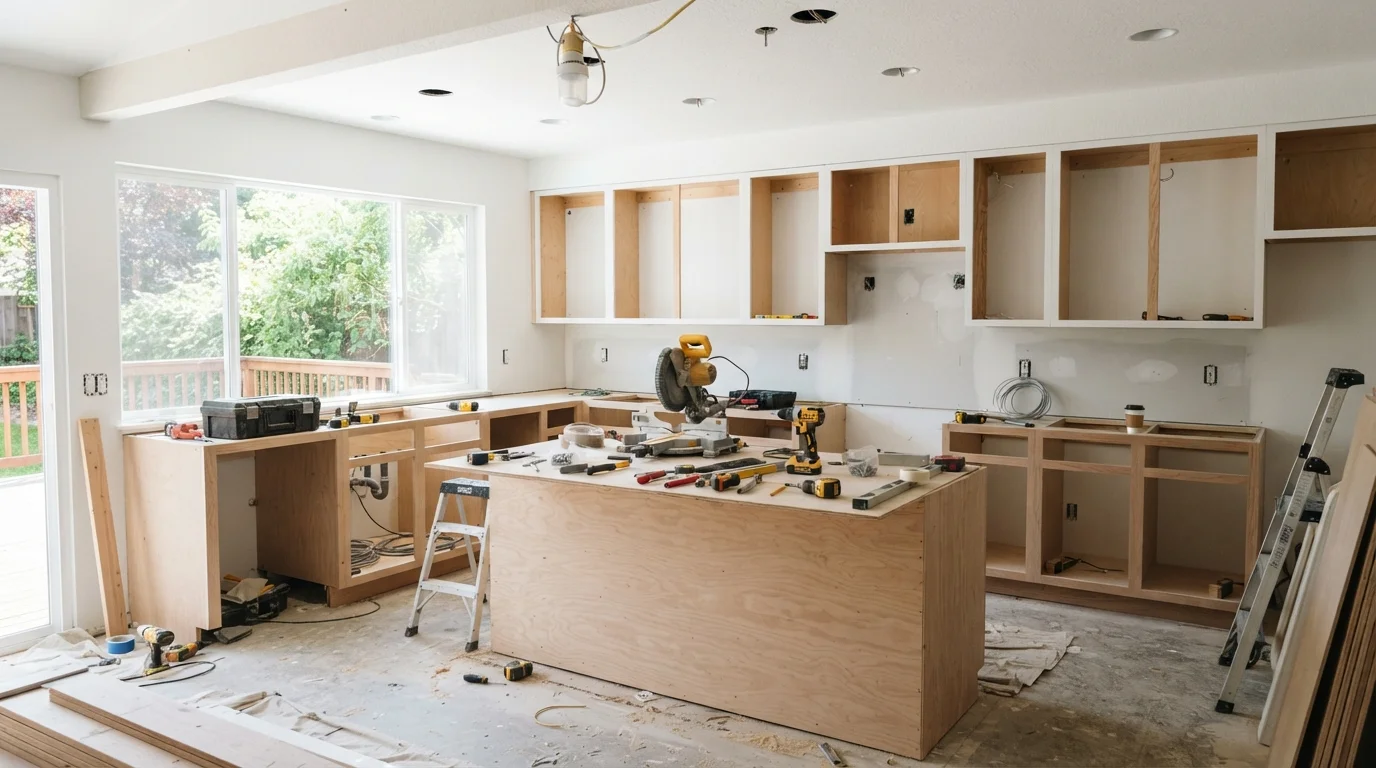
For projects like kitchen remodels where plumbing is one of several intersecting trades, a licensed plumber should be involved from the planning stage. See what a kitchen remodel actually involves for the full picture.
DIY Repairs Can Affect Insurance Claims
If unpermitted or improperly performed plumbing work causes water damage, your homeowner's insurance may deny the claim. Always verify what your policy requires and whether a permit is needed before starting any repair beyond basic fixture maintenance.
The Permit Question You Shouldn't Skip
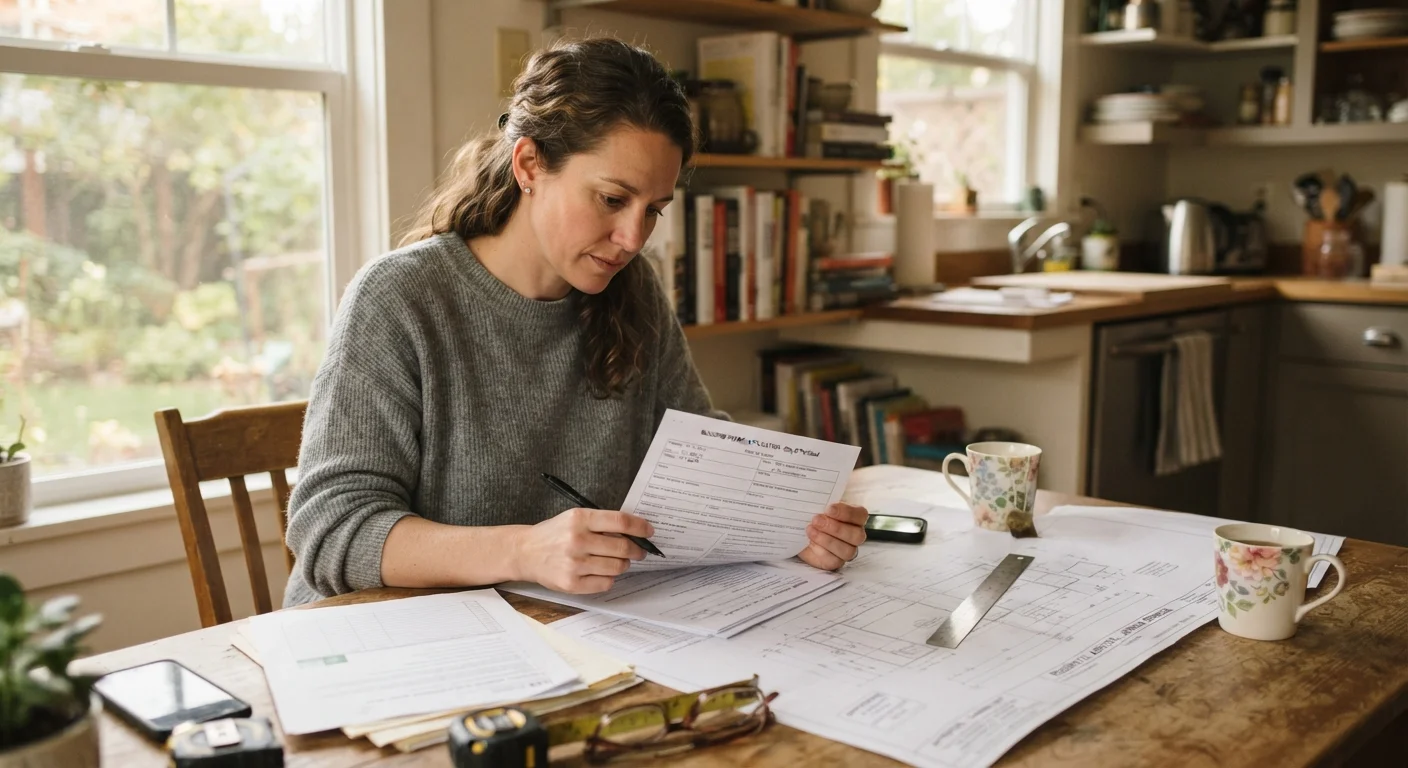
A common mistake is completing plumbing work correctly but without the required permit - and then discovering the problem during a home sale inspection or an insurance claim. Many jurisdictions require permits for water heater swaps, drain line changes, and any work that opens a wall.
Our guide to permits and inspections explains what's typically required and how to navigate the process. When you do need a licensed plumber, knowing what to ask before hiring can protect you from poor workmanship and unclear scopes of work.
The same principle of knowing your limits applies across home maintenance. If you're curious how this compares to another common DIY domain, the DIY car maintenance guide applies similar logic to vehicle upkeep.