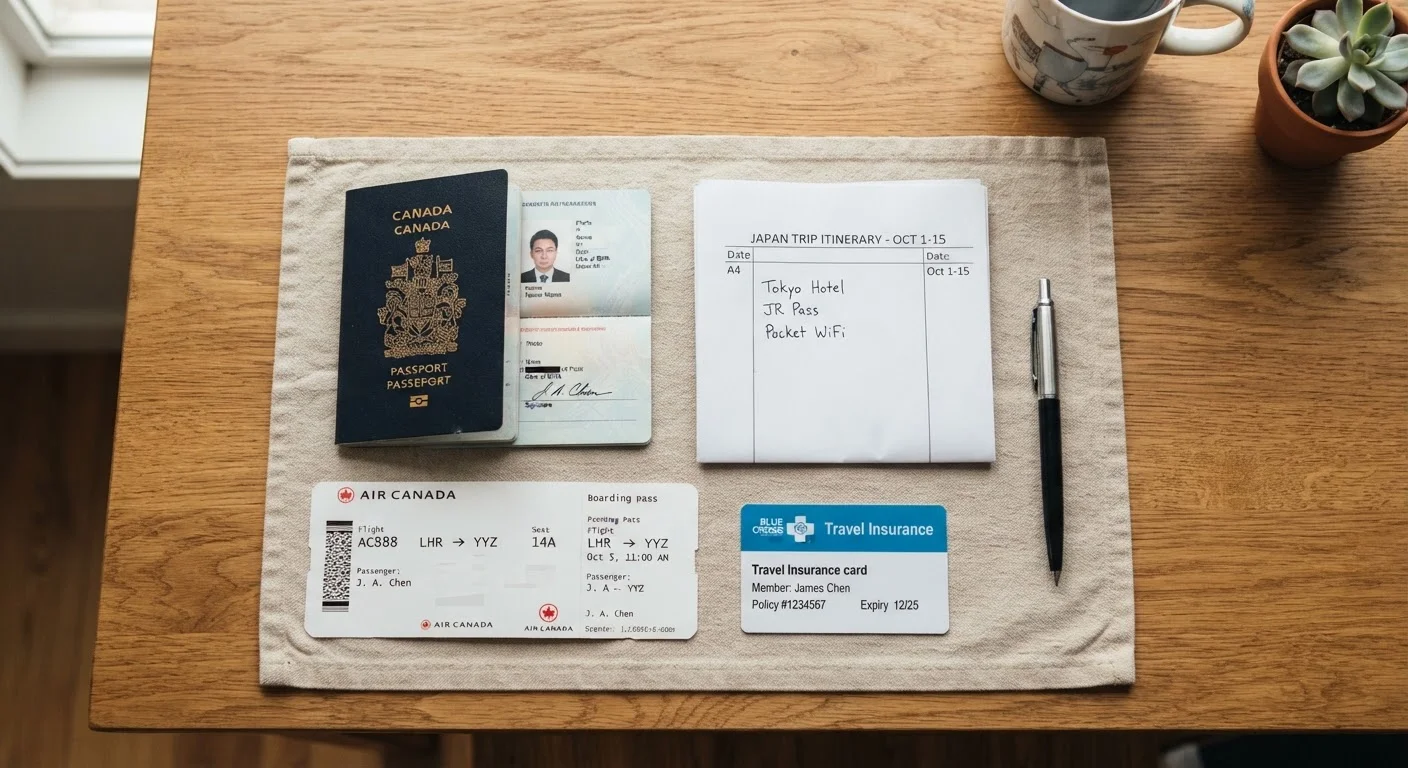
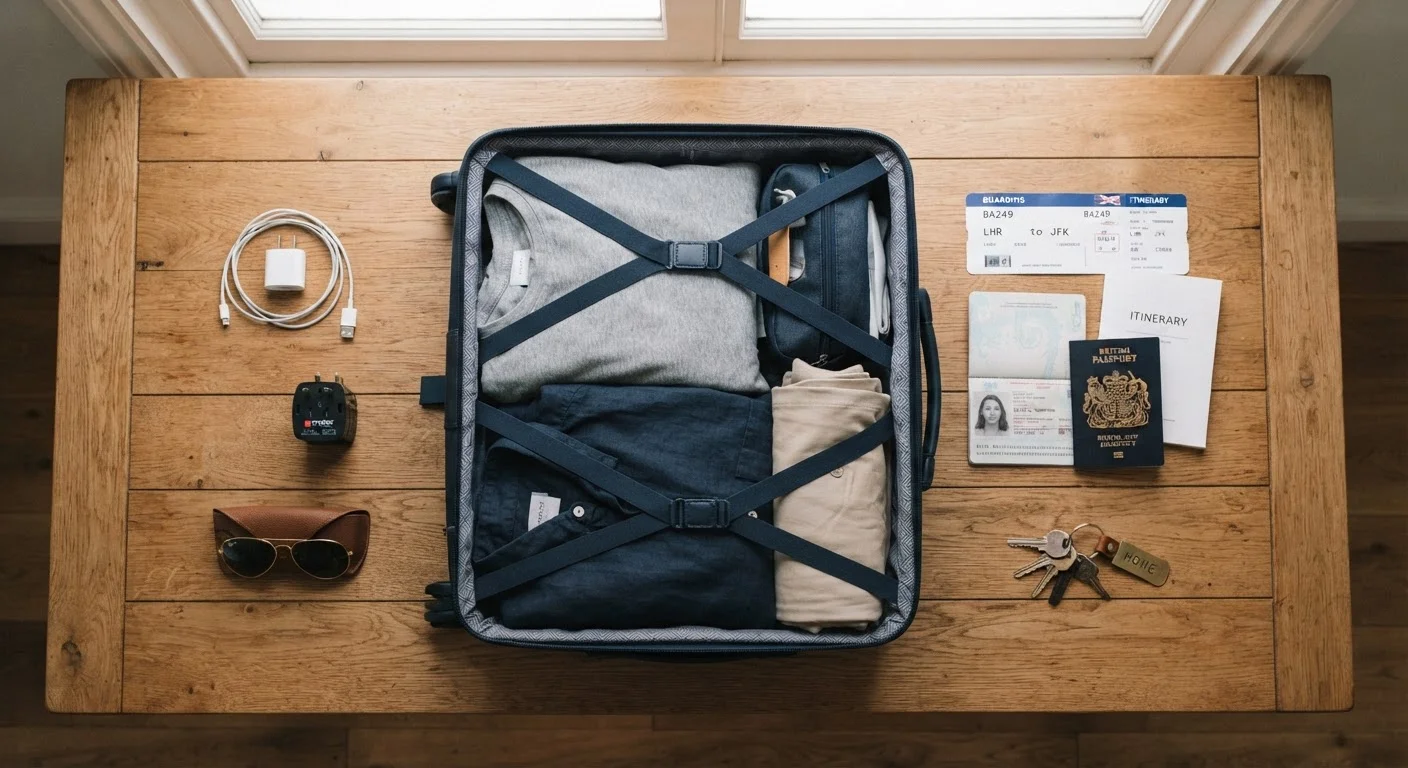
Why a Pre-Trip Checklist Still Matters in the App Era
Travel apps have made logistics faster and more convenient than ever - but they haven't eliminated the particular sinking feeling of realizing, somewhere between security and your gate, that you forgot something important. The details that derail trips are rarely dramatic. They're a passport that's valid but doesn't meet the six-month rule. A bank card frozen by a fraud alert. A pet sitter who needed a key you forgot to leave behind.
Running a structured pre-trip review is less about distrust of your own preparation and more about externalizing the mental load. When you're excited - or rushed - your brain has a habit of assuming something is handled when it was only thought about. A physical or printed checklist closes that gap.
For those planning international travel for the first time, our ground-up planning guide covers the full arc from passport applications to arrival logistics. This checklist is designed as your final confirmation step - the audit you run after the big decisions are made.
Documents & Identity
Safety & Destination Intel
Money & Connectivity
Health & Medications
Home & Property
Logistics & Transportation
Pets, Plants & People
How to Use This Checklist Effectively
Work through this checklist in two passes: once about a week before departure to catch anything that needs lead time (refilling prescriptions, confirming pet care), and again the night before you leave to handle the immediate-action items (locking windows, confirming your ride, downloading offline maps).
The items marked must are non-negotiable - skipping them creates real risk of disruption. Items marked should are strongly recommended for most travelers. Nice-to-have items add comfort or convenience but won't make or break your trip.
U.S. State Department Travel Advisory Portal
Check current safety levels and entry requirements for any destination before departure.
Smart Traveler Enrollment Program (STEP)
Register your trip so the nearest U.S. embassy can contact you during emergencies abroad.
Offline Maps App (e.g., downloaded maps via any major navigation app)
Navigate without cell service by downloading maps before you leave home.
Password Manager or Encrypted Document Storage
Store digital copies of passports, visas, and insurance documents securely in the cloud.
USPS Hold Mail Service
Pause mail delivery online so accumulated letters don't flag your home as unoccupied.
For destination safety specifically, go deeper than a quick search. Our guide on verifying destination safety walks through government advisories, entry health requirements, and local condition checks in detail. And for practical document preparation - what to carry, copy, and store digitally - see our travel document essentials guide.
Don't check advisories only at booking time
Travel conditions can shift significantly between when you book and when you depart. Political unrest, health outbreaks, and natural events can change a destination's safety profile within weeks. Always review the current advisory at travel.state.gov within 72 hours of departure, not just when you first buy tickets.
Passport expiry rules are stricter than you may expect
Many countries require your passport to be valid for six months beyond your return date - not just your departure date. Airlines and immigration officers can deny boarding if this requirement isn't met. Check the specific entry rules for every country on your itinerary, including transit stops.
The Details Most Travelers Overlook
The home and property section of this checklist tends to be where experienced travelers have the sharpest instincts - and where first-timers discover gaps only after they've landed. An uncollected pile of mail is a visible signal to opportunistic thieves. A forgotten space heater left plugged in is a fire risk. These aren't dramatic oversights, but they're the kind that generate the most regret.
Similarly, the health and medication category is often treated as an afterthought when it should be one of the earliest items addressed. Some vaccinations require multiple doses spread over weeks; travel medicine consultations need lead time. Consult a licensed healthcare provider well before departure - not the week you're packing. For general wellness strategies while traveling, practical habits for staying healthy on the road offers useful, non-medical guidance on hydration, food safety awareness, and sleep.
Verify health requirements with a professional
Destination health requirements - including required vaccines, antimalarial medications, and entry health documentation - vary widely and change frequently. This checklist offers general guidance only. Consult a licensed healthcare provider or a travel medicine clinic well before departure for advice specific to your health history and destination.
Seasoned travelers will recognize many items on this list as second nature - habits absorbed after a few hard lessons. If you want to shortcut that learning curve, our piece on habits of experienced travelers is worth a read before your next departure.