Understanding the Three Contenders
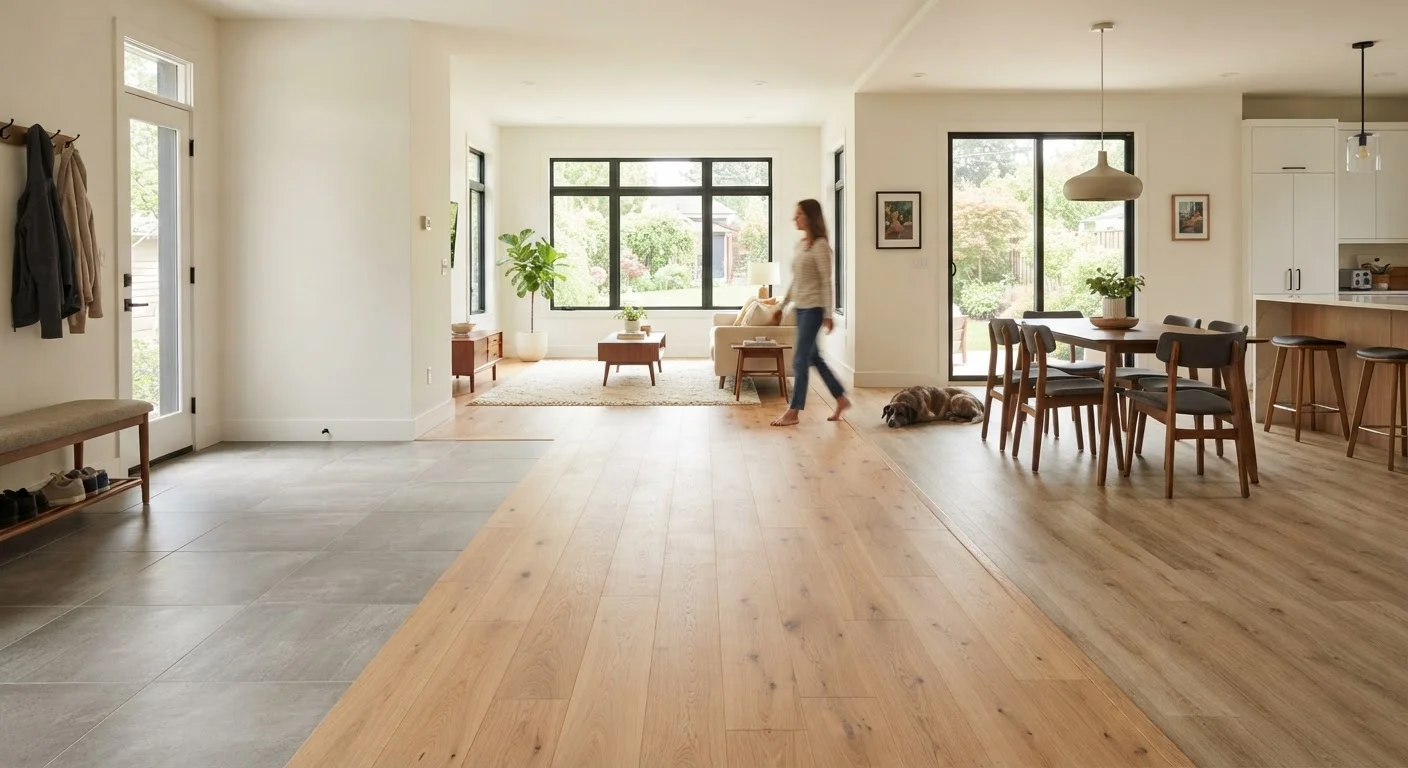
When it comes to replacing or upgrading flooring, most homeowners circle back to three core options: ceramic or porcelain tile, luxury vinyl plank (LVP), and hardwood. Each has a distinct set of trade-offs that become clear once you match them to your actual living conditions.
Tile refers to fired ceramic or porcelain slabs, typically installed with mortar and grout. It's among the oldest flooring materials in residential construction. LVP is a multi-layer synthetic product engineered to mimic wood or stone; it typically clicks together without adhesive, making it a popular DIY option. Hardwood can be solid (milled from a single wood plank) or engineered (a hardwood veneer over a plywood core), and it's the standard by which most other floors are visually measured.
Choosing among them isn't just about looks - it's about how a floor holds up to your household's daily reality. Just as selecting the right storage solution depends on your space and habits (see our guide to vertical vs. horizontal storage), flooring decisions reward a clear-eyed look at how you actually use each room.
| Tile | Luxury Vinyl Plank (LVP) | Hardwood | |
|---|---|---|---|
| Water resistance | Excellent (when sealed) | Very good | Poor to moderate |
| Durability under heavy traffic | Excellent | Good | Moderate |
| Comfort underfoot | Hard and cold | Cushioned, warmer | Warm, firm |
| DIY installation ease | Difficult | Easy to moderate | Moderate to difficult |
| Maintenance effort | Moderate (grout upkeep) | Low | Moderate (refinishing needed) |
| Moisture-prone rooms | Highly suitable | Suitable | Not recommended |
| Aesthetic longevity | Very durable finish | Realistic but synthetic look | Ages with character |
Durability, Moisture, and Maintenance
Tile is the most durable of the three under heavy use and moisture. Porcelain tile, in particular, is nearly impervious to water when properly grouted, making it the standard choice for bathrooms, mudrooms, and kitchens. Its main vulnerability is grout: unsealed grout lines can harbor mildew and stain over time. Routine resealing - typically every one to three years depending on traffic - keeps grout looking clean.
LVP carries a waterproof or highly water-resistant core (depending on the specific product), which makes it suitable for basements and areas with occasional spills. However, standing water pushed under planks at seams can reach the subfloor and cause damage over time. Maintenance is simple: regular sweeping and damp mopping are generally all that's needed.
Hardwood's relationship with moisture is its biggest limitation. Solid hardwood expands and contracts with humidity changes, making it a poor fit for below-grade rooms (basements) or bathrooms. Engineered hardwood handles moderate humidity better because of its layered construction, but it still requires more care than tile or LVP. Surface scratches are a fact of life with hardwood; most can be addressed by refinishing, though engineered boards have a thinner wear layer that limits how many times they can be sanded.
Test Your Subfloor Before Committing
Before purchasing any flooring material, check your subfloor for levelness, moisture content, and structural integrity. Tile requires a deflection-free surface, while LVP tolerates minor imperfections but not significant slopes or soft spots. Addressing subfloor issues before installation prevents costly problems later. A simple moisture meter - available at most hardware stores - can reveal whether your subfloor is suitable for hardwood or LVP without additional treatment.
Comfort, Acoustics, and Feel Underfoot
Tile's hard surface is unforgiving for long periods of standing - a real consideration for cooks spending hours in the kitchen. It's also thermally cold in winter unless paired with in-floor radiant heating, which adds significant installation cost and complexity.
LVP typically includes a foam or cork underlayer that provides cushioning and dampens sound, making it noticeably more comfortable than tile for everyday walking. This also makes it a practical choice in multi-story homes or apartments where sound transmission through floors is a concern.
Hardwood offers a naturally warm, resonant feel that many homeowners find preferable. Solid hardwood can echo sound in open spaces, though area rugs help considerably. It's not as soft underfoot as LVP with underlayment, but it avoids the cold-hard quality of tile.
~$3-$7/sq ft
Typical LVP material cost range
Material-only estimates vary by region and product grade; installation labor adds to total project cost.
100+ years
Potential lifespan of well-maintained hardwood
Solid hardwood floors that are periodically refinished can outlast the structure of many homes.
Up to 3x
Sound reduction with underlayment vs. without
Acoustic underlayers beneath LVP can substantially reduce impact noise transmission between floors.
Installation Complexity and Subfloor Requirements
Tile installation is demanding. It requires a flat, stable subfloor - typically cement board in wet areas - plus the skill to set mortar evenly, lay tiles in a consistent pattern, and apply grout cleanly. Mistakes are difficult to correct once the mortar sets. Most homeowners without prior tile experience benefit from professional installation, especially for large or intricate layouts.
LVP is the most DIY-friendly of the three. Floating click-lock systems don't require adhesive, and most products can go directly over existing flooring (within height tolerance limits). The main requirements are a reasonably flat subfloor and leaving proper expansion gaps at walls. Many manufacturers provide detailed installation guides suited to first-timers.
Hardwood installation varies by type. Engineered hardwood can often be floated or glued, while solid hardwood is typically nailed or stapled to a wood subfloor - a task that requires a floor nailer and more preparation. Both types need to acclimate to the room's humidity before installation to minimize post-installation movement.
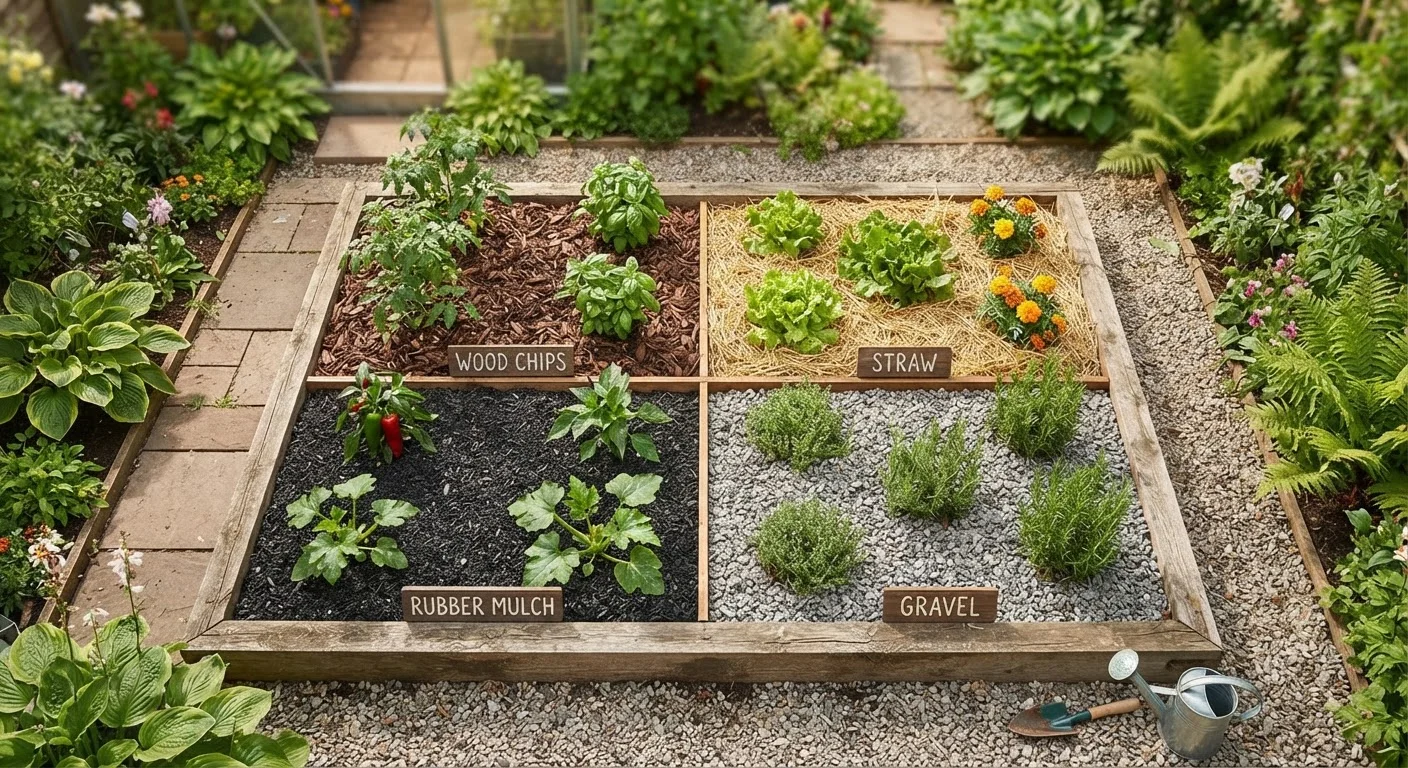
As with comparing any home materials - from flooring to outdoor mulch - the right choice depends heavily on context. Much like evaluating the trade-offs between mulch materials, matching a flooring type to your specific conditions leads to better long-term results than defaulting to the most visually appealing option.
Avoid Installing Hardwood Below Grade
Solid hardwood should never be installed in basements or other below-grade spaces due to chronic moisture exposure, which causes warping and cupping over time. Even engineered hardwood carries risk in these environments without proper moisture barriers and humidity control. If your space has any history of water intrusion, tile or LVP are significantly safer choices. When in doubt, consult a flooring professional before purchasing materials.