Why Mulch Type Actually Matters
Mulch does more than make a garden look tidy. It regulates soil temperature, slows moisture evaporation, suppresses weeds, and - depending on the material - can enrich the soil as it breaks down. But using the wrong type can cause problems: some mulches compact and repel water, others may introduce heat or chemicals that stress plants.
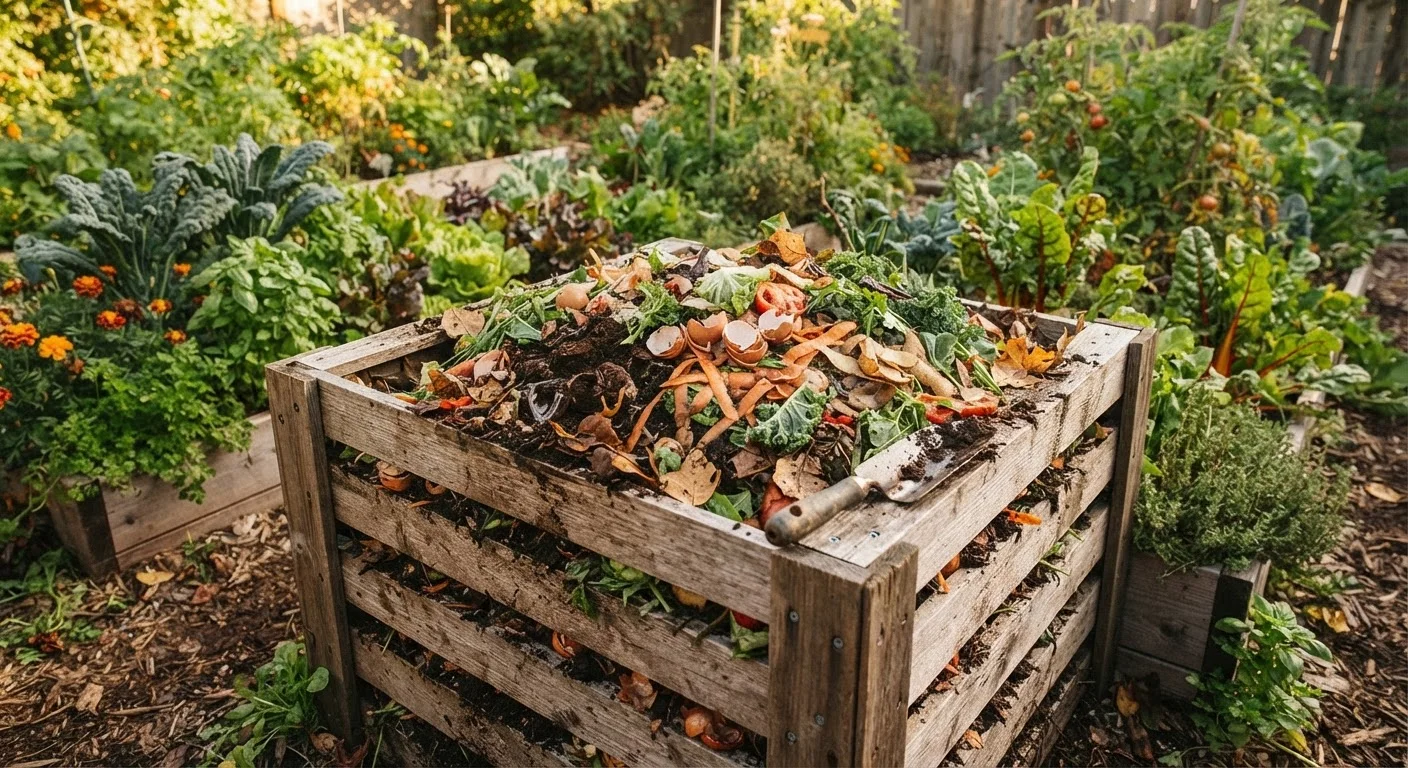
The broad divide is between organic mulches (wood chips, straw, leaves, compost) and inorganic mulches (gravel, rubber, landscape fabric). Organic types decompose and improve soil biology; inorganic types are more permanent but contribute nothing nutritionally. Understanding that distinction shapes every choice below.
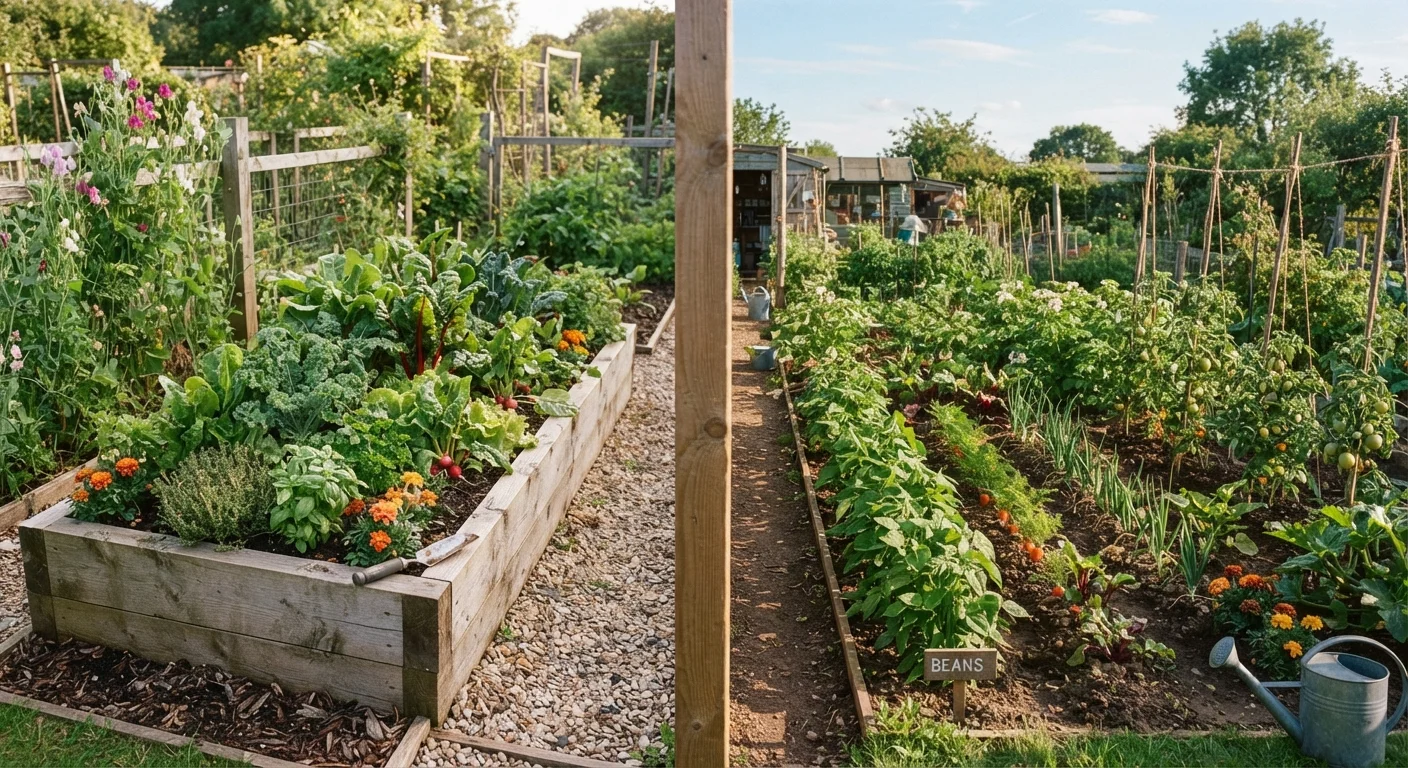
If you're deciding how to set up a planting area in the first place, see our guide to raised beds vs. in-ground planting - mulch needs can differ between the two setups.
Common Mulch Types Compared
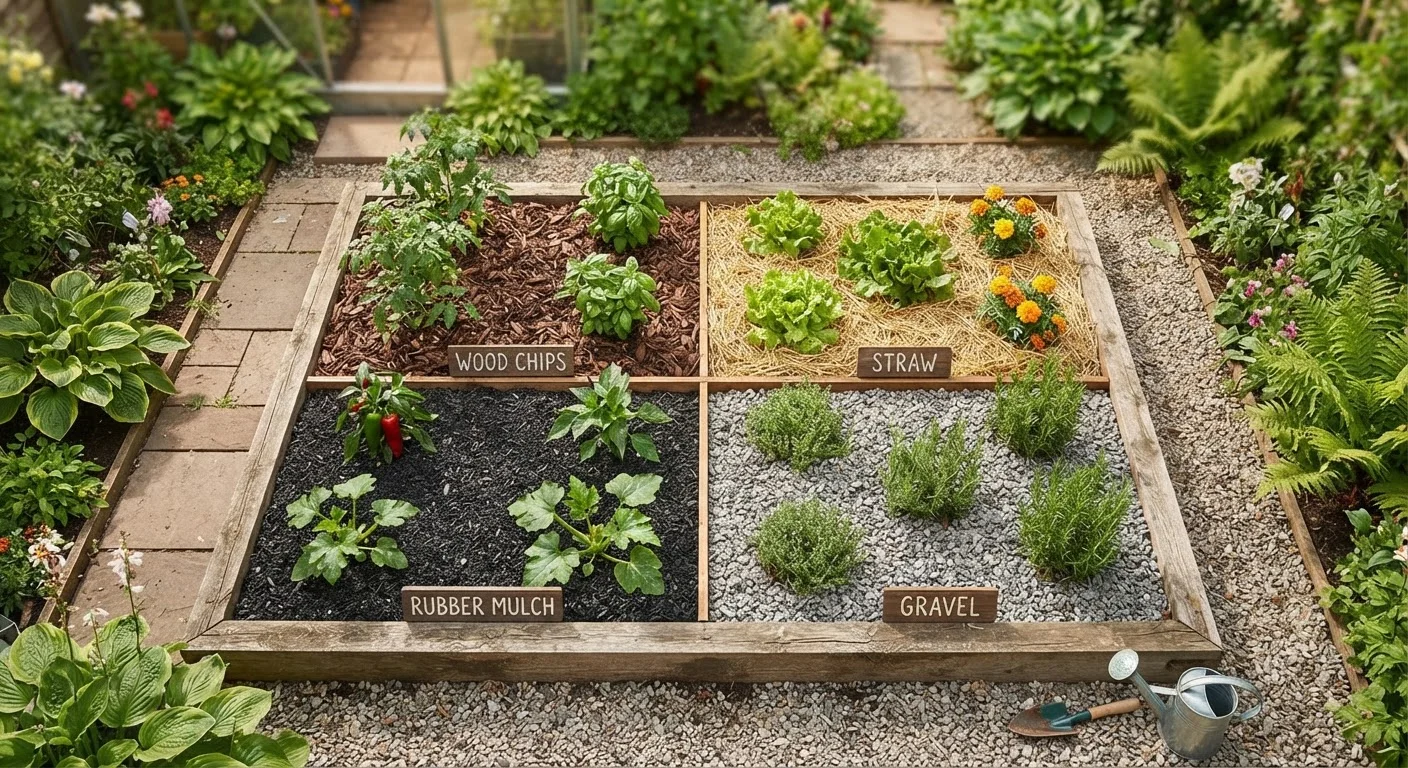
Here's a side-by-side look at the most widely used mulch materials across the criteria that matter most to home gardeners.
| Wood Chips | Straw | Shredded Leaves | Gravel/Rock | Rubber Mulch | |
|---|---|---|---|---|---|
| Soil nutrition | High (feeds soil) | Moderate | High (feeds soil) | None | None |
| Longevity | 1-3 years | 1 season | 1 season | Permanent | 5-10+ years |
| Weed suppression | Good | Good | Moderate | Good | Good |
| Moisture retention | Excellent | Good | Good | Low | Moderate |
| Heat impact on soil | Neutral to cool | Neutral | Neutral to cool | Absorbs heat | Absorbs heat |
| Best use case | Trees, shrubs, perennials | Vegetable gardens | Mixed beds | Xeriscaping, paths | Decorative areas only |
| Cost (general) | Low to moderate | Low | Free (DIY) | Moderate to high | Moderate to high |
Use this table as a starting guide, then read the sections below for context on when each type truly shines.
Organic Mulches: Wood Chips, Straw, and Shredded Leaves
Wood Chips and Shredded Bark
Wood chips are among the most versatile organic mulches. Applied 3-4 inches deep around trees, shrubs, and perennial beds, they retain moisture well, moderate soil temperature, and slowly feed soil organisms as they break down. Arborist wood chips - often available free from local tree services - tend to be coarser and more beneficial than dyed bagged products.
One caution: avoid piling wood chips directly against plant stems or tree trunks. This creates moist conditions where rot and pests can take hold. Keep a clear gap of a few inches.
Free Wood Chips from Local Arborists
Many tree trimming companies will deliver wood chips at no cost to homeowners - they save on disposal fees in return. Contact local arborists or check community platforms where crews post availability. These chips are often fresher and coarser than bagged products, which benefits soil health as they decompose.
Straw
Straw (not hay, which contains seeds) is a practical choice for vegetable gardens. It's lightweight, easy to apply, breaks down within a season, and keeps soil temperatures stable during spring planting and fall frost. It also works well around strawberry plants - historically one of its most common uses.
Shredded Leaves
A free resource for most homeowners, shredded fallen leaves make excellent mulch for garden beds. Run them through a lawn mower or shredder first - whole leaves can mat together and shed water. As they decompose, they contribute organic matter similar to finished compost would.
Inorganic Mulches: Gravel, Rubber, and Landscape Fabric
Gravel and Rock
Gravel, crushed stone, and river rock are long-lasting and virtually maintenance-free. They're well suited to xeriscaping (low-water landscaping), Mediterranean-style plantings, pathways, and areas where plants don't need regular soil enrichment. They also resist blowing away in wind better than most organic options.
The drawback: gravel absorbs and radiates heat, which can stress moisture-sensitive plants in hot climates. It's also difficult to remove once installed. For ideas on pairing gravel with structural garden features, see our hardscaping overview.
Rubber Mulch
Made from recycled tires, rubber mulch lasts many years and doesn't decompose. It's sometimes used in play areas and decorative landscapes. However, it provides no soil benefit, can leach compounds into the soil over time, and retains significant heat - concerns that lead many gardening experts to recommend caution, particularly in edible gardens or near water features.
Avoid Rubber Mulch in Edible Gardens
Rubber mulch can leach compounds from recycled tire materials into surrounding soil over time. While research is ongoing, most horticultural experts advise against using it in vegetable gardens, herb beds, or anywhere edible plants are grown. Stick to organic options in those spaces.
Landscape Fabric
Often used under gravel or bark, landscape fabric suppresses weeds but is not a mulch on its own. Over time, soil and debris accumulate on top, allowing weeds to root anyway. It can also impede water penetration and harm soil biology. Its best use is under inorganic mulches in areas with no active planting.
Applying Mulch Effectively
Regardless of material, a few principles hold across the board:
- Depth: Aim for 2-4 inches. Shallower than 2 inches may not suppress weeds effectively; deeper than 4 inches can limit oxygen and water reaching roots.
- Keep mulch away from stems: Leave a 2-3 inch gap around plant bases and tree trunks to prevent rot.
- Refresh organic mulch annually: As it breaks down, the layer thins and loses effectiveness. Top it up each spring or fall.
- Weed first: Remove existing weeds before applying mulch - mulch slows new weeds from germinating but won't kill established ones.
If you're mulching around perennials vs. annuals, note that annuals benefit from lighter mulch that's easy to remove and replant through each season, while perennials do well with a deeper, more stable layer left in place year-round.