Why Friction Matters in Purchase Decisions
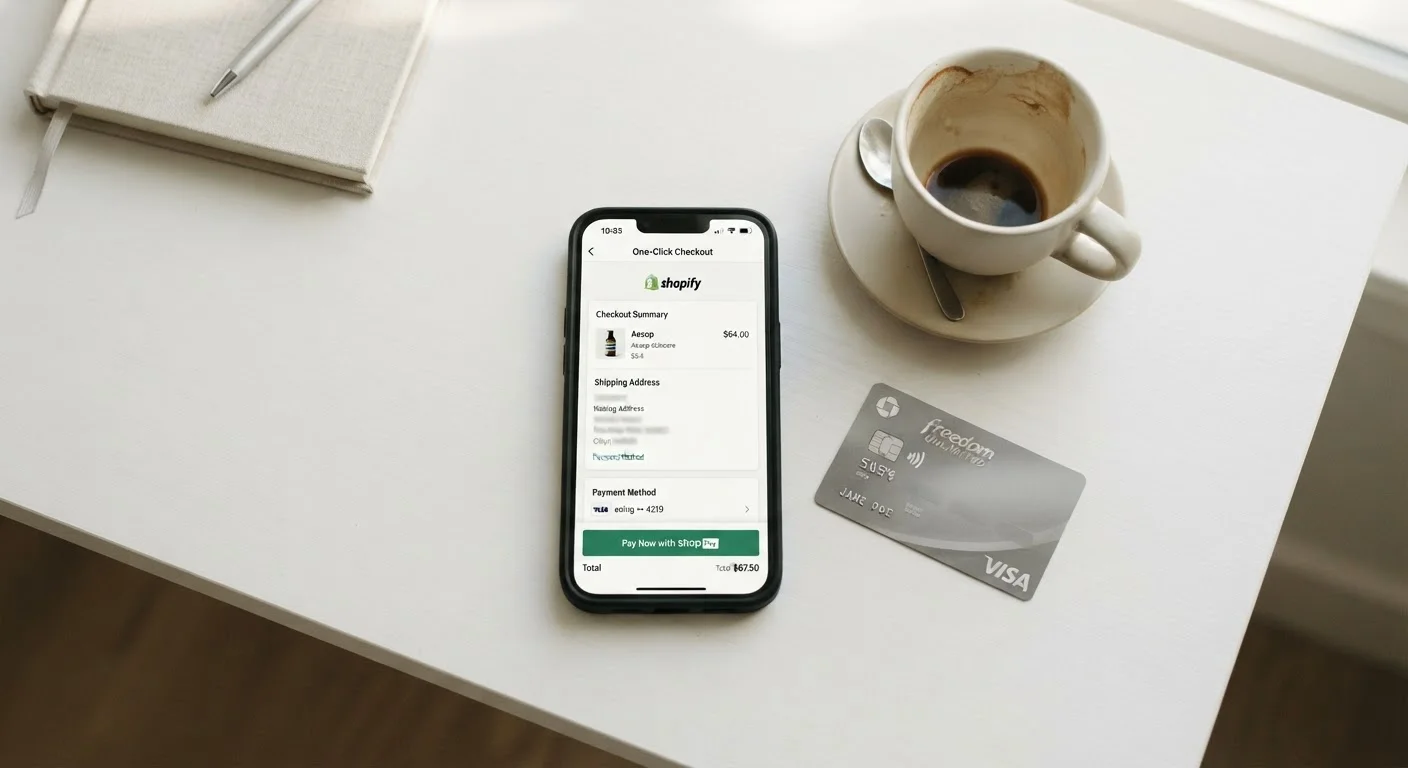
Traditional retail design was, unintentionally, protective. Standing in a checkout line gave shoppers time to reconsider a cart full of unplanned additions. Entering a card number and billing address online introduced similar pause points. Consumer behavior researchers call these moments purchase friction - small procedural hurdles that slow the path from impulse to completed transaction.
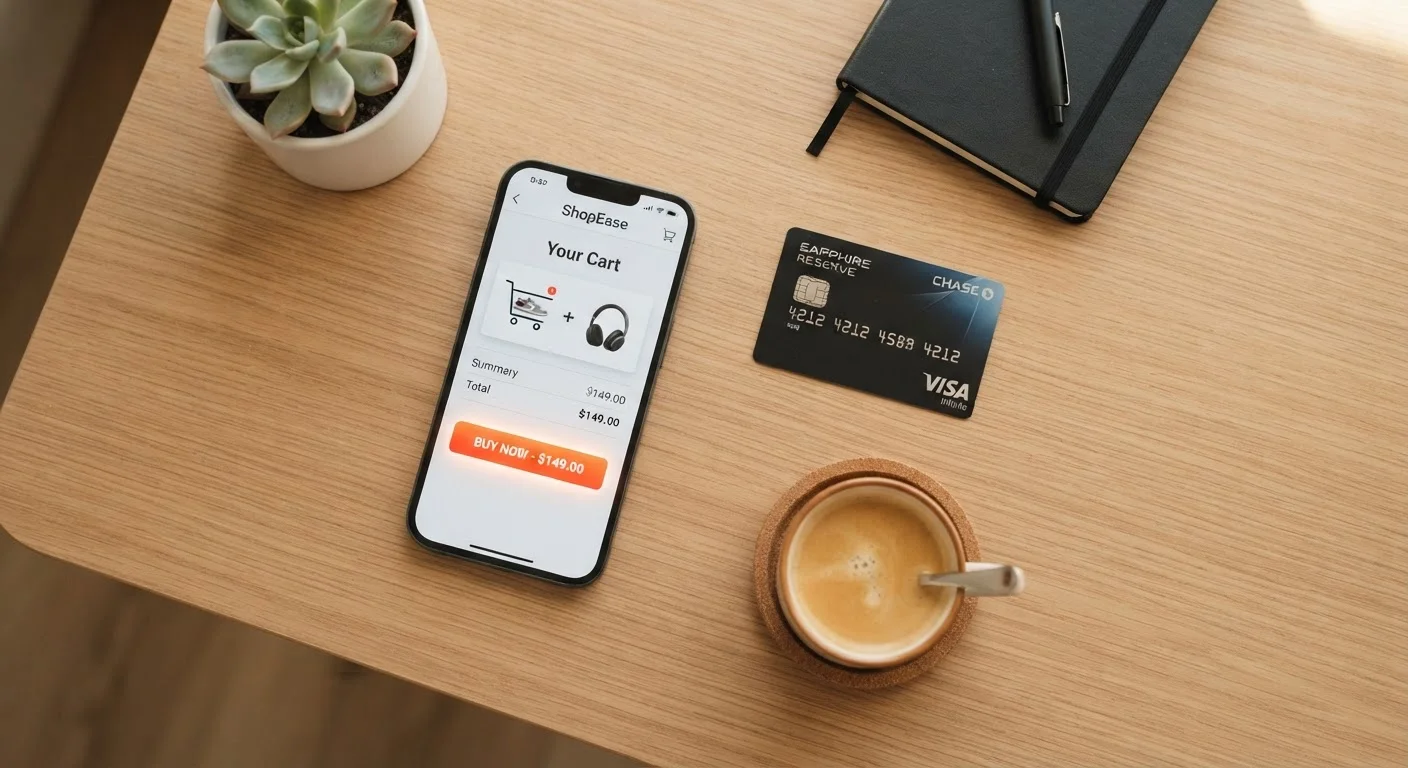
Modern e-commerce has methodically removed that friction. Stored payment credentials, one-click ordering, and auto-filled shipping details mean a purchase decision can be executed before the rational mind has engaged. This isn't accidental - platform design teams optimize for conversion, and reduced friction reliably increases it.
For a deeper look at what's lost when checkout becomes frictionless, see The Hidden Cost of Convenience. Understanding how friction functions is also part of the broader story told in Forces Shaping How Americans Shop.
Recognize Friction as a Feature, Not a Bug
When a checkout process feels slow or cumbersome, that inconvenience is also an opportunity to reconsider whether the purchase is genuinely intended. Consumers who frame friction as a built-in pause rather than an obstacle report greater satisfaction with their eventual purchase decisions.
The Psychology Behind the Unplanned Purchase
Impulse buying isn't a character flaw - it's a predictable response to identifiable stimuli. Researchers have linked it to several psychological mechanisms:
- Emotional state: Shopping activates dopamine pathways associated with anticipation and reward. The act of browsing - not just buying - triggers positive arousal that can override deliberative thinking.
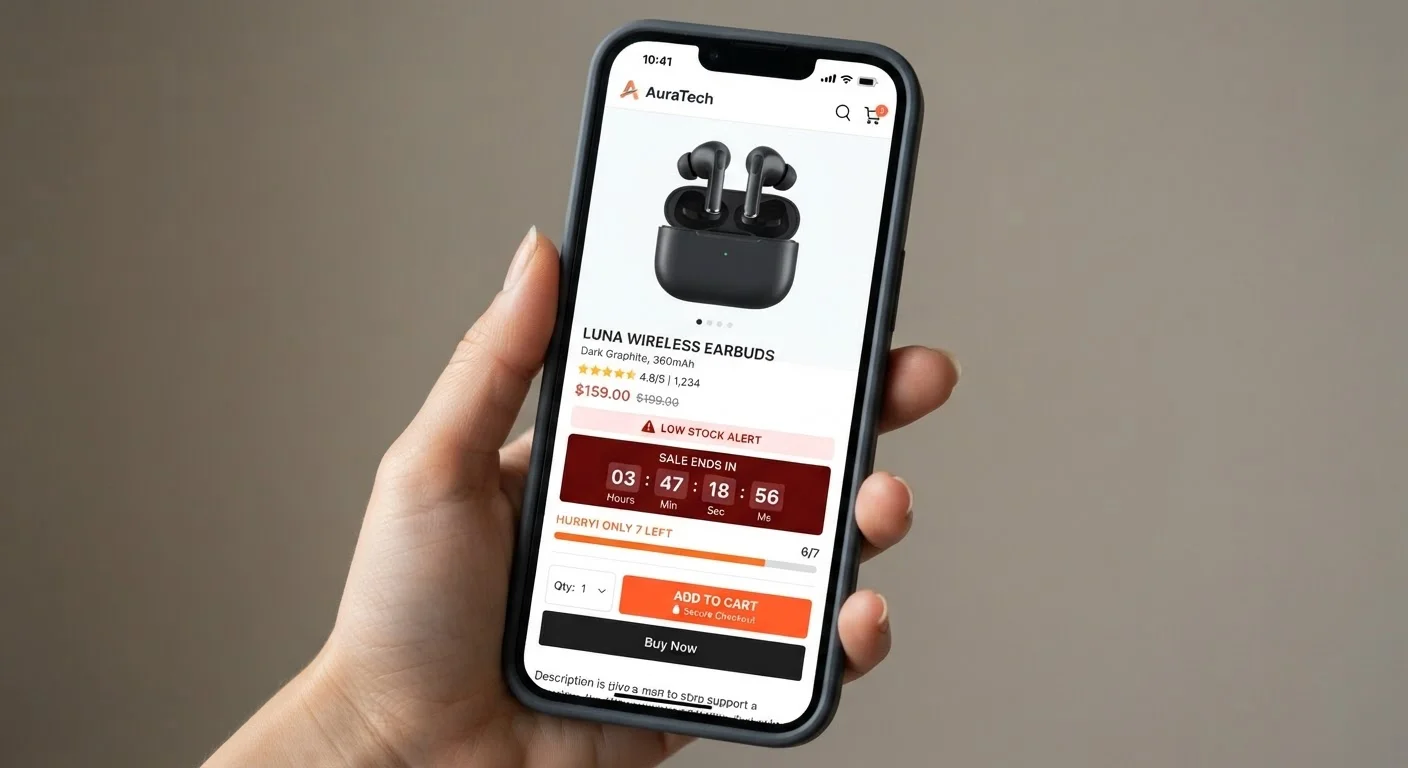
- Perceived scarcity: 'Only 2 left in stock' alerts engage loss aversion, a well-documented cognitive bias. The fear of missing out amplifies urgency.
- Social proof: Seeing that thousands of others have purchased an item reduces perceived risk and provides implicit endorsement.
- Self-regulation depletion: Decision fatigue - the gradual erosion of willpower after many choices - makes later-in-the-day or end-of-browsing-session purchases more impulsive.
These triggers don't operate in isolation. Platforms stack them deliberately. Scarcity, Social Proof, and Urgency examines how these tactics are deployed and why recognizing them is a practical consumer skill.
“The speed of digital commerce has outpaced the speed of human reflection. The gap between wanting something and owning it has collapsed in ways that behavioral science is still catching up to.”
— Paco Underhill, Consumer behavior researcher and author of 'Why We Buy'
How Digital Environments Amplify Impulse Triggers
The smartphone has made the retail environment ubiquitous. Consumers are never more than a few taps from a purchase, whether they're commuting, watching television, or lying in bed. This constant accessibility dramatically expands the window of impulse opportunity.
Personalization algorithms compound the effect. By surfacing products aligned with a user's browsing history, purchase behavior, and demographic profile, platforms present items with high relevance at moments of peak receptivity. The combination of algorithmic targeting and frictionless checkout creates conditions that consumer behavior researchers describe as uniquely favorable to unplanned purchasing.
~49%
Share of online purchases that are unplanned
According to a survey by Slickdeals, nearly half of US online shoppers report making impulse purchases regularly.
$5,400
Estimated annual impulse spend per US consumer
A Slickdeals consumer survey estimated average annual impulse spending in the US at approximately this level, though figures vary across studies.
3x
Higher cart abandonment with added checkout steps
Industry conversion research broadly shows that additional checkout steps increase abandonment rates, which platforms use to justify friction reduction.
Push notifications add another layer. A timely alert - a price drop on a previously viewed item, a flash-sale countdown - can initiate a purchase sequence that begins with emotional arousal and ends at checkout without meaningful deliberation. This connects directly to the emotional and motivational patterns explored in Needs, Wants, and Emotional Triggers.
Building Awareness as a Consumer Skill
Awareness of how impulse buying works is not a guarantee against it - but it is the necessary foundation. Research consistently shows that consumers who can identify the moment a trigger is activating are better positioned to pause before completing a purchase.
A few behavioral strategies have support in the literature:
- Introduce deliberate friction: Removing saved payment methods, requiring cart review before checkout, or using a separate device for purchases restores some of the pause points that platform design has eliminated.
- Apply a time delay: Waiting 24 hours before completing any unplanned purchase allows emotional arousal to subside and rational evaluation to engage.
- Review past purchases: Examining what you bought, used, and regretted builds pattern recognition over time. Reviewing a Purchase After the Fact outlines how to make this a practical habit.
For more on the psychological architecture underlying these decisions, The Psychology Behind Impulse Buying offers a complementary perspective on the same behavioral terrain.
This Is General Consumer Education
The behavioral patterns described here are drawn from consumer psychology research and are presented for educational awareness. Individual shopping behavior varies widely, and no single framework predicts every purchase decision. If spending patterns are causing financial stress, consulting a financial professional or certified counselor can provide personalized guidance.