Why Consumer Myths Are So Hard to Shake
Spending myths don't survive because people are careless - they survive because they feel true. They're reinforced by advertising, social norms, and real experiences that happen to confirm the belief. Behavioral economists have long documented how cognitive shortcuts, known as heuristics, lead shoppers to predictable and often costly errors. Understanding the psychology behind these beliefs is the first step toward spending more deliberately.
The myths below are among the most persistent in American consumer culture. Each one has a plausible surface logic - which is exactly what makes them worth examining closely. For a broader look at how shopping habits are shifting, explore the Consumer Trends hub.
Myth
If something costs more, it must be better quality.
Fact
Price and quality have a weak and inconsistent relationship across most consumer categories.
The price-quality heuristic is one of the most deeply embedded shortcuts in consumer behavior. It made intuitive sense in eras when premium materials genuinely cost more to source. Today, pricing reflects brand positioning, marketing spend, packaging, and retail markup as much as - or more than - manufacturing quality. Studies in consumer psychology, including research published in the Journal of Consumer Research, have repeatedly found that perceived quality rises with price even when the products are objectively identical. For commodity goods like over-the-counter medications with the same active ingredients, generic alternatives often meet the exact same regulatory standards as name-brand versions at a fraction of the cost.
Myth
Sales always save you money.
Fact
A sale only saves money if you would have bought the item anyway at full price - and if the discounted price is genuinely lower than alternatives.
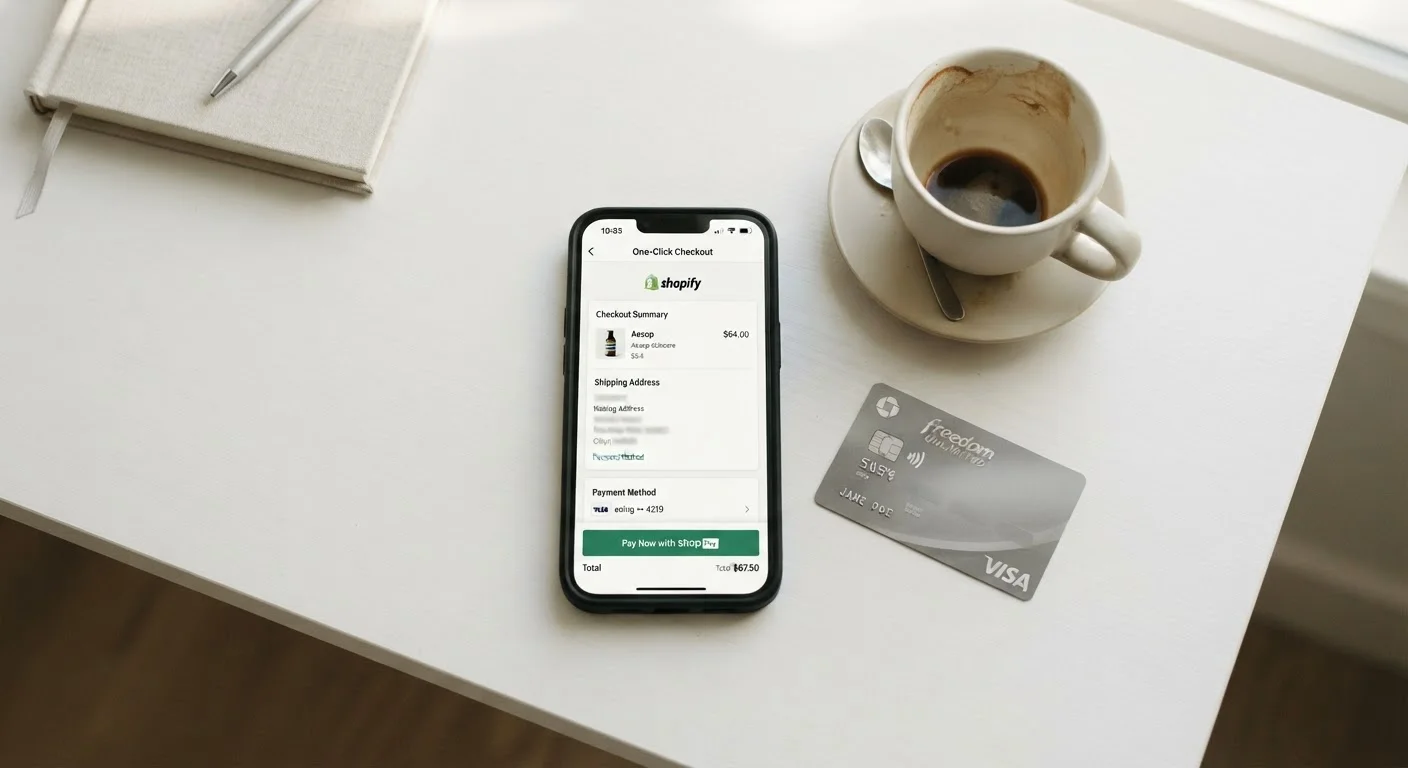
Retail pricing strategy frequently uses inflated "original" prices to manufacture the appearance of a discount - a tactic sometimes called reference price inflation. Beyond that structural issue, sales trigger a well-documented psychological response: the perceived savings feel like a gain, which lowers spending inhibition. Shoppers routinely buy more than planned during sale events, net spending more in total even as the per-unit cost falls. Frictionless checkout experiences compound this by removing the small pauses that normally prompt second-guessing.
Myth
Buying in bulk is always the economical choice.
Fact
Bulk purchasing only delivers savings when the full quantity is used before it expires, spoils, or becomes obsolete.
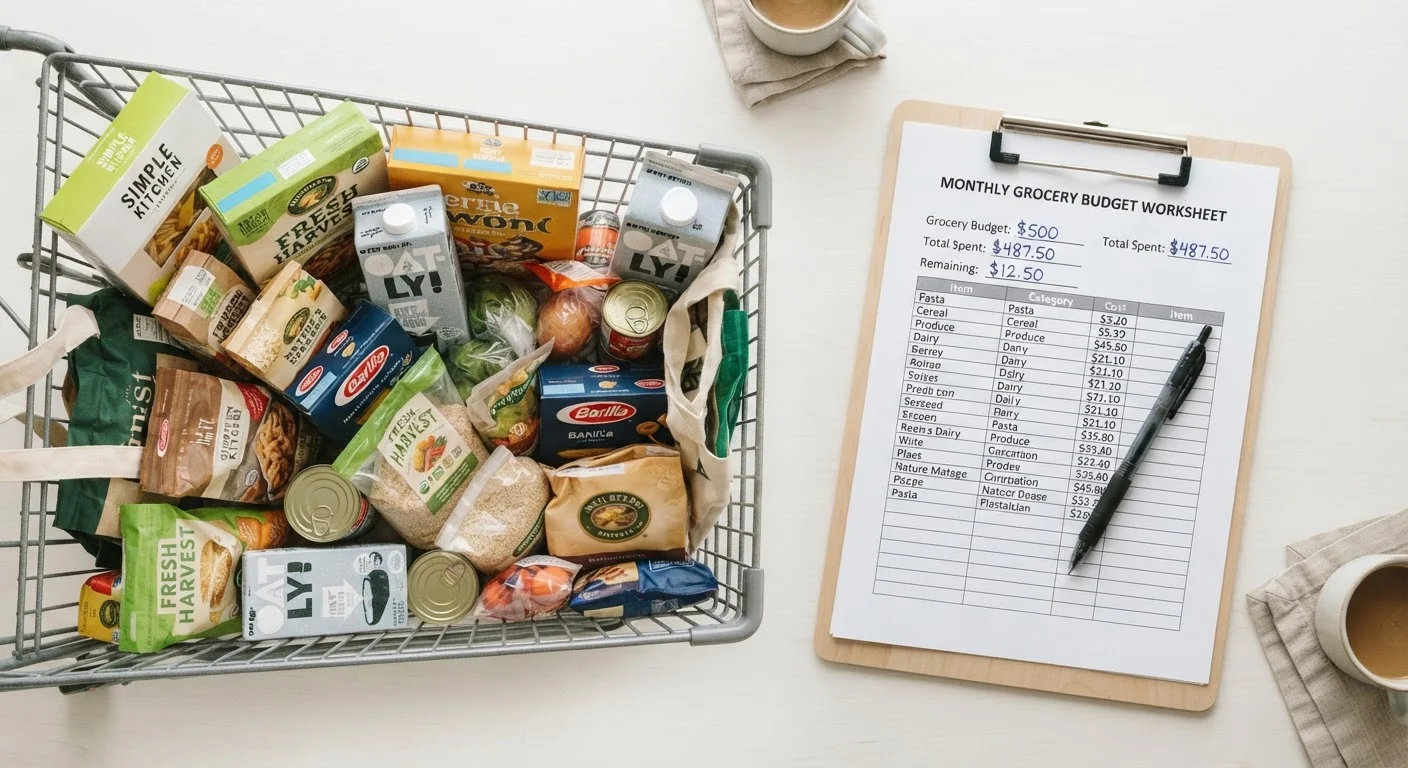
Unit-price comparisons at warehouse retailers can look compelling, but they omit a critical variable: utilization rate. Perishable foods bought in bulk that go to waste generate a negative return. Non-perishable goods still require storage space, which has an implicit cost. A 2023 analysis by ReFED, a nonprofit focused on food waste, estimated that the average American household discards roughly 31% of the food it purchases - much of it bulk-bought with good intentions. The savings calculation only closes when waste is accounted for.
Myth
Loyalty programs are essentially free money.
Fact
Loyalty programs are designed to increase total spending, not reward spending you were already going to do.
Points, miles, and rewards structures create what researchers call an endowed progress effect - the sense that you're working toward something, which motivates incremental spending to reach thresholds. The programs are carefully designed so that the cost of the incremental spending typically exceeds the value of the reward. Some programs also devalue points retroactively, expire them, or restrict redemption in ways that erode the apparent benefit. A detailed look at this trade-off is available in our piece on how loyalty programs actually work.
Myth
Spending more on a well-known brand guarantees a better experience.
Fact
Brand familiarity signals recognition and marketing investment, not necessarily superior product performance.
Brand equity is a real economic concept - it reflects the premium consumers will pay based on trust and familiarity. But that premium doesn't automatically translate to a better product outcome. In blind taste tests, consumer product reviews, and independent testing across categories from appliances to food, lesser-known or store-brand alternatives frequently match or outperform name brands on core functional measures. The trade-down effect documented during economic downturns often reveals this: many consumers who switch to store brands during tough times report equivalent satisfaction.
Myth
Subscriptions are a smart way to save compared to paying per use.
Fact
Subscriptions only save money when usage is consistent and high enough to justify the recurring cost.
Subscription models exploit optimism bias - the tendency to overestimate how frequently we'll use a service. Gyms, streaming platforms, meal-kit deliveries, and software subscriptions all follow similar patterns: initial high use followed by gradual tapering, while the charge continues uninterrupted. Research on subscription behavior suggests many consumers significantly underestimate how many active subscriptions they carry. Subscription fatigue is now a recognized consumer behavior phenomenon, with many households paying for services they rarely or never use.
The Real Cost of Believing These Myths
Individually, any one of these beliefs might cost a household a modest amount. Collectively, they can represent hundreds or thousands of dollars annually in unnecessary spending. Research from the Consumer Financial Protection Bureau and behavioral finance studies consistently shows that psychological triggers - scarcity cues, social proof, and perceived value signals - are deliberately engineered into modern retail environments.
~$1,500
Estimated annual household food waste cost
According to USDA estimates, the average American family of four discards between $1,500 and $1,800 worth of food per year, much of it attributable to over-purchasing.
31%
Share of purchased food discarded by households
A 2023 ReFED analysis estimated that roughly 31% of food purchased by American households is wasted, undermining the economics of bulk buying.
2-3x
Typical spending increase during major sale events
Consumer behavior studies have found shoppers frequently spend two to three times more than originally planned when entering a promotional sale environment.
The antidote isn't cynicism about every purchase. It's developing a habit of separating the emotional appeal of a deal from its actual financial logic. Our companion piece on separating a good deal from a good purchase offers a practical framework for doing exactly that before checkout. And if these myths are affecting your broader financial planning, the Budgeting Basics hub provides accessible strategies to get spending back on track.
Myths Aren't Fixed by Willpower Alone
These spending patterns are reinforced by professionally designed retail environments, pricing architectures, and digital experiences - not simply personal weakness. Awareness is necessary but rarely sufficient on its own. Building structural habits - like waiting periods before purchases, tracking total subscription costs, and comparing unit prices after accounting for realistic usage - addresses the underlying mechanism rather than relying on resisting each individual impulse.