The Engineering of Effortlessness
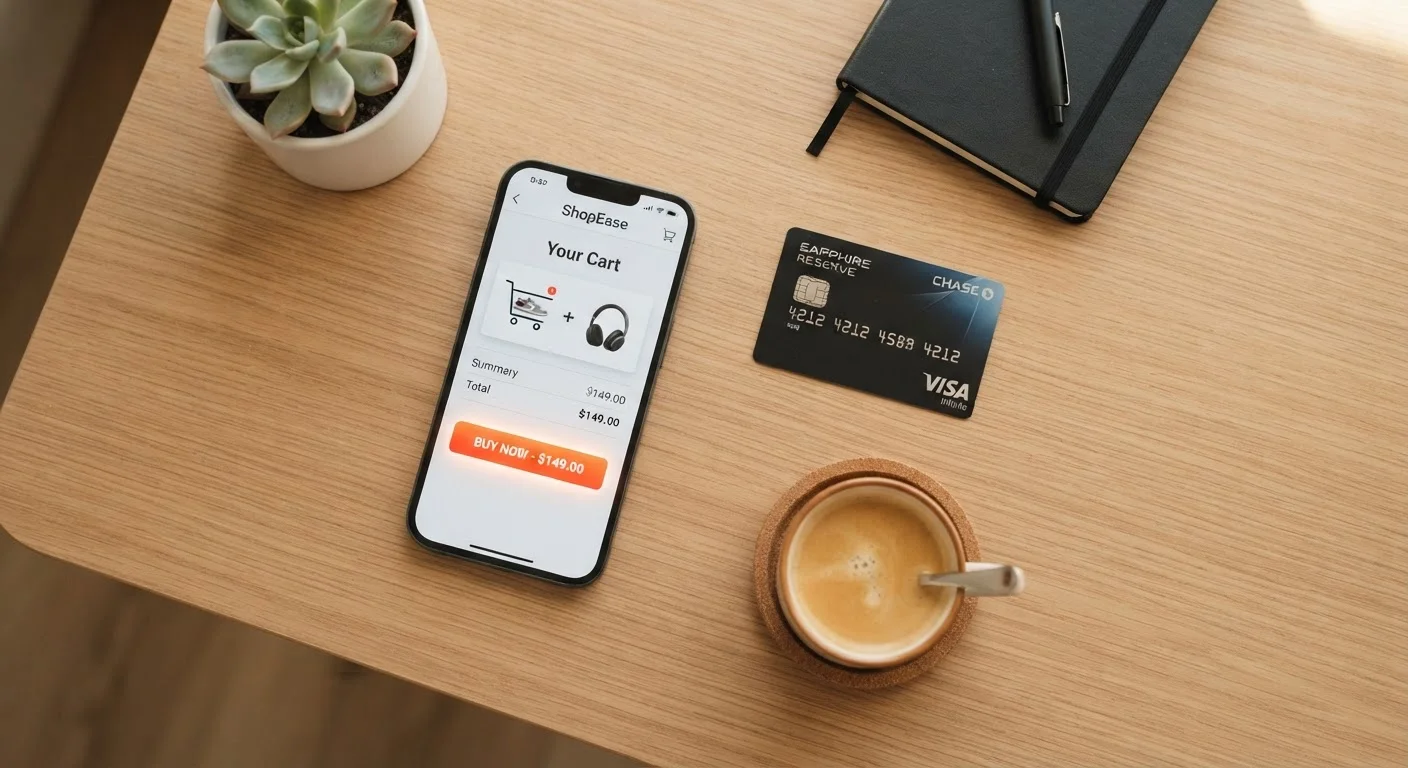
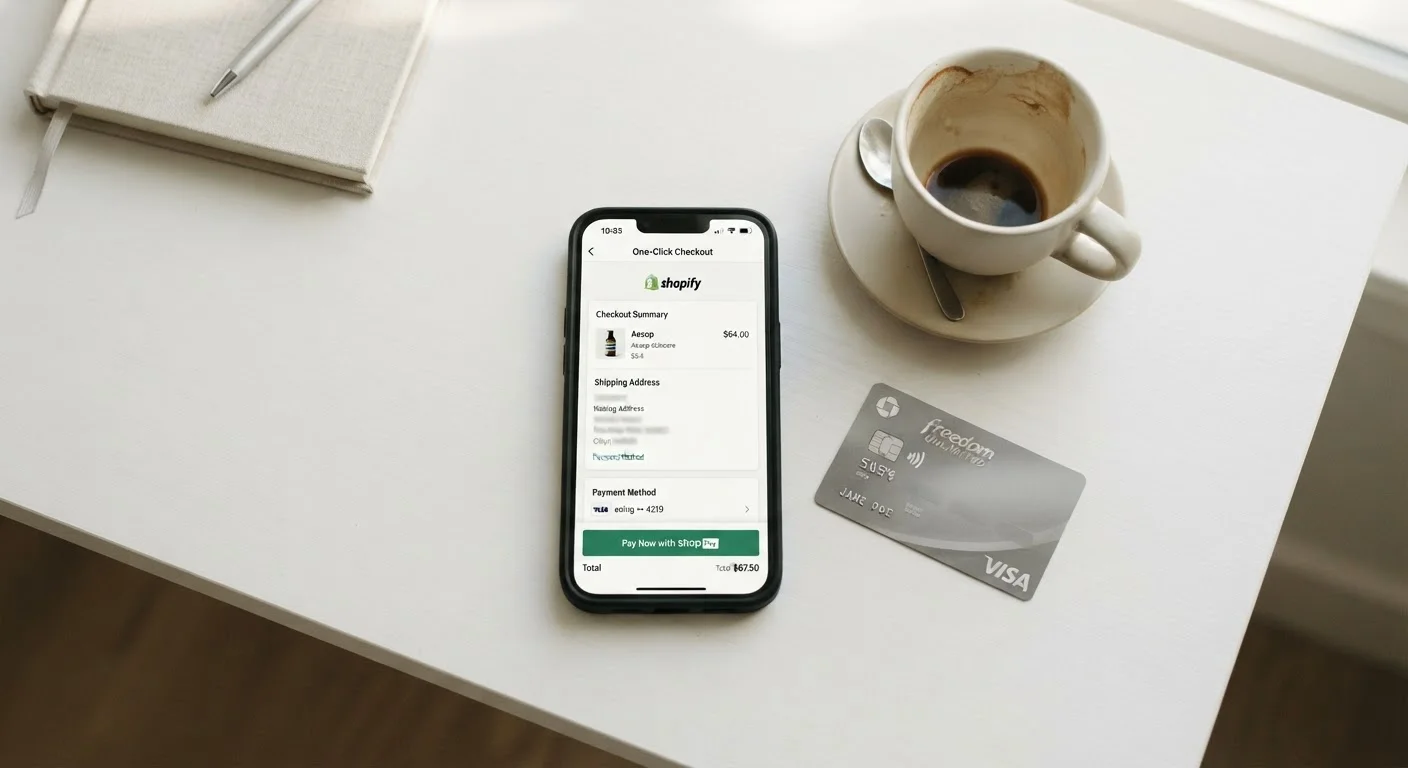
Every second of friction added to a checkout process increases the likelihood a customer will abandon their cart. Retailers have known this for years, and the design of modern purchasing flows reflects it precisely. Saved addresses, stored payment credentials, one-click reordering, and subscription auto-renewals all exist to shrink the gap between impulse and transaction.
This isn't accidental design - it's a behavioral strategy. By reducing the cognitive effort required to complete a purchase, platforms lower the threshold at which a want converts to a buy. The result is a shopping environment where the default state is ease, and deliberation requires active, conscious effort from the consumer rather than being naturally built into the process.
Understanding this dynamic matters because convenience isn't inherently bad - it's the displacement of judgment that creates problems. For a household staple you purchase monthly, one-click reordering is a genuine time-saver. For an unplanned, high-cost item you encountered in a targeted ad at 11 p.m., the same mechanism is working against your interests. See how impulse buying research frames this dynamic for additional context on the behavioral science involved.
What Convenience Gets Right
It would be unfair - and inaccurate - to frame frictionless checkout as purely predatory. There are real, documented benefits for consumers who use it intentionally.
Saves time on routine, planned purchases
For repeat purchases of known items, fast checkout eliminates unnecessary steps without compromising the quality of the decision - the deliberation already happened in a prior purchase cycle.
Reduces input errors at checkout
Stored payment and shipping information removes the risk of mistyped card numbers or addresses, which can cause order failures or delivery problems.
Improves accessibility for many shoppers
For people with physical or cognitive challenges, minimizing repetitive data entry makes independent online purchasing more practical and less exhausting.
Useful when preferences are already well-established
Shoppers who have done prior research and know exactly what they want benefit from frictionless checkout without incurring the behavioral downsides it poses in unplanned contexts.
For routine purchases, speed and reliability are genuine advantages. Removing the need to re-enter card details or shipping addresses reduces errors, saves time, and lowers the mental overhead of managing recurring needs. For people with mobility limitations or cognitive challenges, streamlined checkout can make independent purchasing significantly more accessible.
Where Convenience Works Against You
The same features that help with routine purchases create measurable risks in unplanned or emotionally driven shopping contexts.
Removes natural pause points before spending
Manual checkout steps like entering card details functioned as informal deliberation windows. One-click systems eliminate these, reducing the time between impulse and completed transaction to near zero.
Accelerates impulse and emotionally driven purchases
Consumer behavior research consistently finds that reduced friction increases unplanned spending. When the path to purchase is effortless, emotionally charged or late-night browsing converts to completed orders at higher rates.
Discourages cross-platform price and quality comparison
Once payment details are saved to a single platform, the convenience asymmetry nudges shoppers to stay within that ecosystem rather than seeking better options elsewhere. This is a well-documented feature of platform lock-in strategies.
Auto-renewal and subscription defaults go unnoticed
Convenience-first design often defaults to subscription or auto-reorder settings. Charges accumulate in the background, and many consumers only notice them during a deliberate audit of their accounts.
Reinforces spending habits without reflection
When purchasing is automatic, there's little opportunity to evaluate whether past decisions were good ones. Without that feedback loop, suboptimal spending patterns tend to repeat.
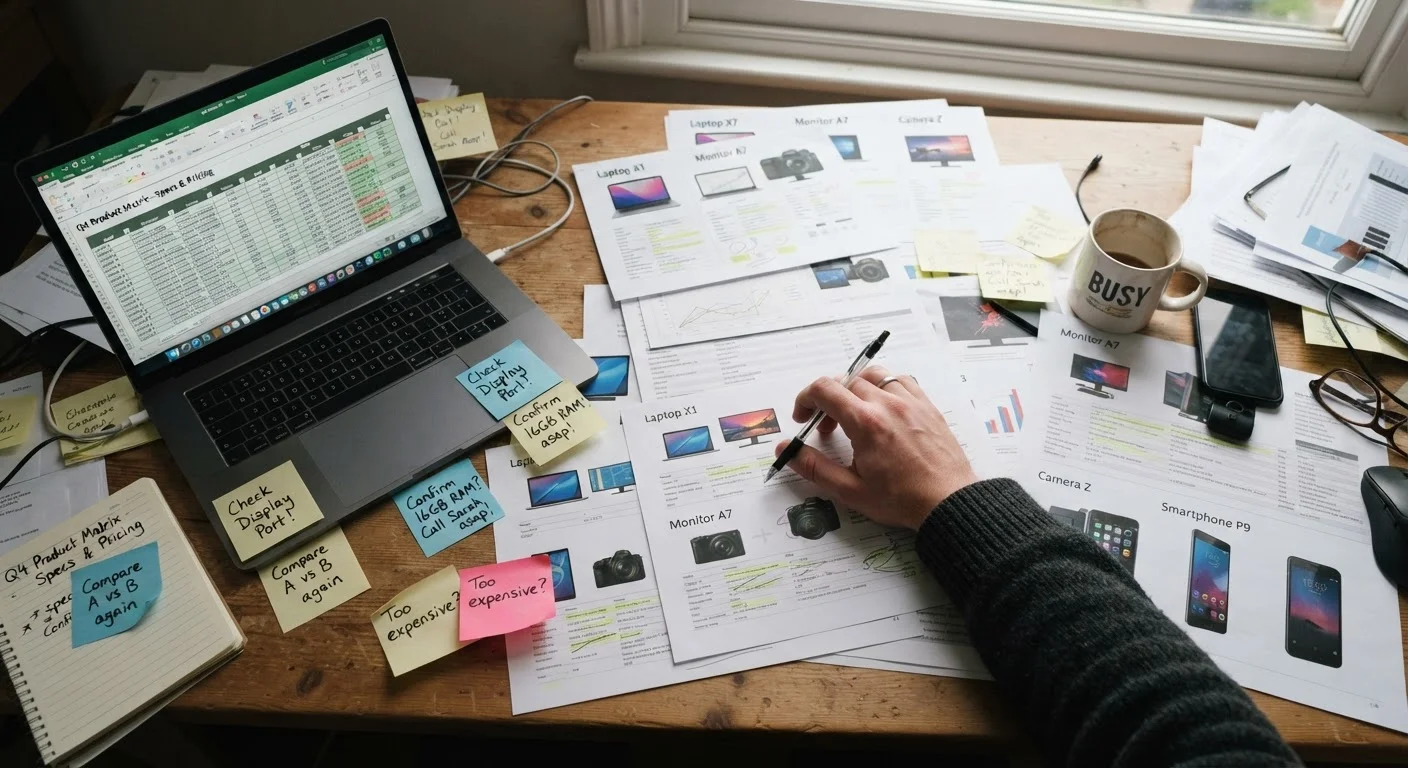
The core problem is structural: convenience removes the natural pause points that once acted as informal checks on spending. Typing in a card number, confirming a billing address, reviewing an order summary - these steps felt like friction, but they also created brief windows for reconsideration. Eliminating them doesn't just speed up intentional purchases; it also accelerates the ones you'd have cancelled if you'd had a moment to think. This connects directly to why comparison shopping feels so difficult in modern retail environments - the path of least resistance is always toward the current platform, not the better option elsewhere.
Convenience Isn't Neutral - It Has a Direction
Frictionless checkout doesn't simply make purchasing faster - it makes purchasing the path of least resistance. That directional nudge favors the retailer's interest in conversion, not the consumer's interest in good decisions. Recognizing this asymmetry doesn't require cynicism; it just requires awareness that the interface is not designed with deliberation in mind. For a look at related consumer misconceptions, see common spending myths that compound the problem.
Building Deliberation Back Into the Process
Reclaiming some of that lost friction doesn't require abandoning convenience entirely - it means inserting intentional checkpoints where the design doesn't provide them.
A practical starting point is a brief pre-purchase self-check before any non-routine item. Questions like: Did I plan to buy this today, or did something prompt me? and Have I looked at this from more than one source? take under a minute but interrupt the automatic path from impulse to confirmation. The Before You Add to Cart framework is one structured approach to this.
Another underused habit is reviewing purchases after the fact. Reflecting on whether a delivered item met expectations - and whether the ease of ordering played a role in a regretted purchase - builds a feedback loop that improves future judgment. See how post-purchase review sharpens decision-making for a practical approach. It's also worth noting that subscription fatigue is one of the clearest downstream effects of convenience-first design - auto-renewals are easy checkout at its most automated.
~70%
Online shopping cart abandonment rate
Industry analyses consistently estimate that roughly 70% of online shopping carts are abandoned before purchase - a figure retailers cite directly when justifying friction-reduction features.
47%
Consumers who regret impulse purchases
A survey by CreditCards.com found that nearly half of Americans who made impulse purchases reported regretting at least some of them, with online channels cited as a primary context.