How Retail Loyalty Programs Actually Work
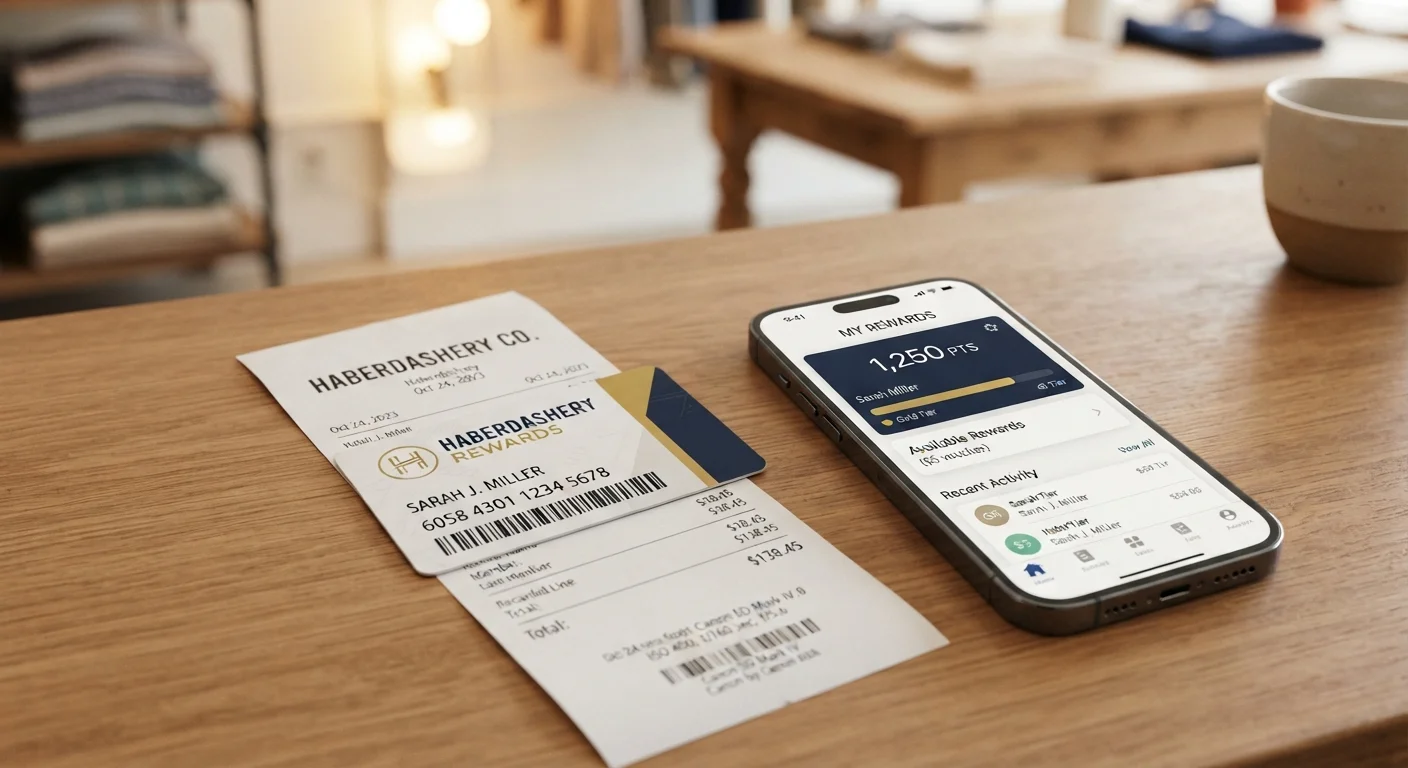
Loyalty programs operate on a straightforward exchange: you provide personal and behavioral data, and the retailer provides incentives designed to bring you back. When you swipe a loyalty card or use a linked app, the retailer records what you bought, when, at what price, and increasingly, where you were and what you browsed without purchasing.
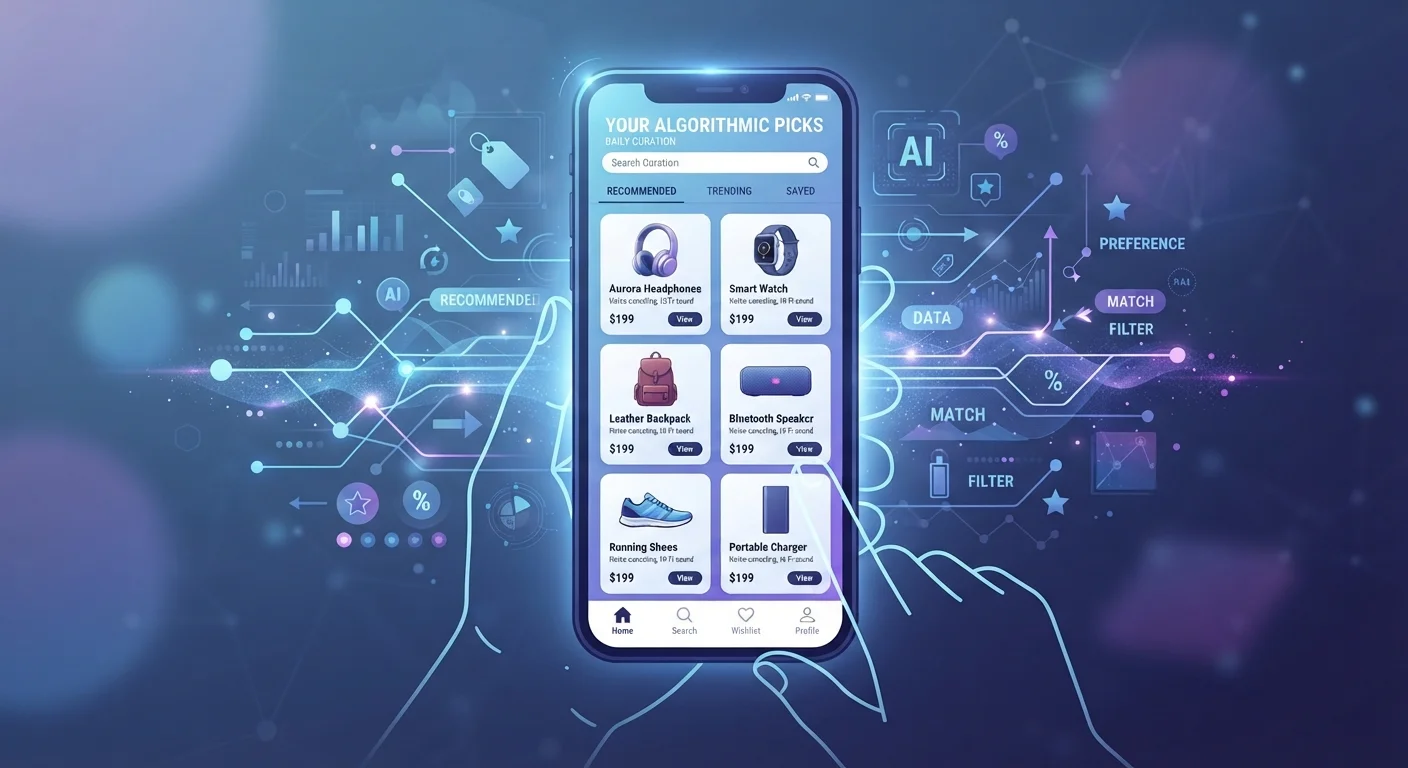
This data feeds into systems that build a detailed profile of your preferences, price sensitivity, and response to promotions. Retailers then use that profile to personalize offers - which can be genuinely useful, or subtly manipulative, depending on how you interpret it. To understand the mechanics behind that personalization, it's worth reading about how algorithmic recommendations shape what you see and buy.
Points currencies, tiered membership levels, and expiration dates are all deliberate structural choices - not incidental features. They're designed by behavioral economists and marketing teams to maximize both data collection and purchase frequency.
The Genuine Benefits Worth Considering
Despite their complexity, loyalty programs do deliver real, measurable value under the right conditions.
Discounts on purchases you'd make anyway
When a program is aligned with your existing shopping patterns, the points or cash-back effectively reduce your out-of-pocket cost without requiring behavior change.
Personalized offers can surface relevant deals
Because retailers tailor promotions to your purchase history, you may receive discounts on items you actually use rather than generic promotions across unrelated categories.
Early or exclusive access to sales
Many tiered programs offer members early access to seasonal sales or limited stock events, which can be practically useful for high-demand items.
Simplified purchase history and returns
Linked accounts often make it easier to track past purchases or process returns without needing a paper receipt, which is a genuine convenience benefit.
The strongest case for participating is straightforward: if you already shop at a store regularly, a loyalty program essentially offers a rebate on spending you were going to do anyway. The calculus shifts considerably, however, when the program starts changing which store you choose - or how much you spend once you're there.
The Tradeoffs and Risks
The downsides of loyalty programs are less visible than the benefits, which is partly by design. Understanding them requires looking at both the data dimension and the behavioral one.
Detailed behavioral data collected and retained
Retailers build purchase profiles that can span years and include browsing behavior, location data, and inferred household information. This data may be shared with third-party marketing partners.
Program mechanics designed to increase spending
Expiring points, threshold bonuses, and tier-based rewards are structured to encourage spending beyond your planned amount in order to capture or protect a reward.
Reward value often less than it appears
Advertised point values frequently differ from actual redemption value once restrictions, category limitations, or minimum thresholds are applied.
Creates psychological lock-in to one retailer
Accumulated points and tier status can make shoppers reluctant to switch to a competitor even when it offers lower prices or better products, narrowing competitive behavior.
Data policies vary widely and may be opaque
Not all loyalty programs provide clear, accessible information about data retention periods, what is shared, or how opt-out mechanisms work in practice.
Consumer decisions are rarely purely rational, and loyalty programs are engineered with that in mind. The psychological pull of nearly reaching the next reward tier, or of avoiding expiring points, can drive purchases that have more to do with program mechanics than genuine need. This dynamic is explored in depth in our piece on the emotional drivers behind purchases.
Your Data Rights Vary by State
In the United States, privacy rights related to retail loyalty data differ considerably depending on your state of residence. California's Consumer Privacy Act (CCPA), for example, grants residents the right to request what data has been collected and to opt out of its sale. Many other states have more limited protections. Before enrolling in a program, checking the retailer's privacy policy and understanding your state's applicable rules is a practical step worth taking.
Evaluating Whether a Program Is Worth It for You
A structured approach helps cut through the marketing. Before enrolling, consider three things: the actual redemption rate (what percentage of points do members realistically redeem?), the data policy (what is collected, how long is it retained, and is it shared with third parties?), and your baseline behavior (will you shop there more because of the program, or were you already going anyway?).
~50%
Average loyalty program points that go unredeemed
Industry research consistently finds that roughly half of earned loyalty points are never redeemed, meaning the perceived value of the program often goes uncaptured by consumers.
3-4x
More programs joined than actively used
Studies on consumer loyalty behavior suggest the average US adult belongs to significantly more loyalty programs than they engage with on a regular basis.
Programs with transparent data policies, straightforward redemption structures, and no spending minimums tend to offer the clearest value. Those with complex tiering, short expiration windows, or aggressive personalized promotions warrant more scrutiny.
For a parallel analysis of reward program tradeoffs in a different context, the case for and against travel rewards credit cards applies many of the same evaluative frameworks.