How Personalization Engines Actually Work
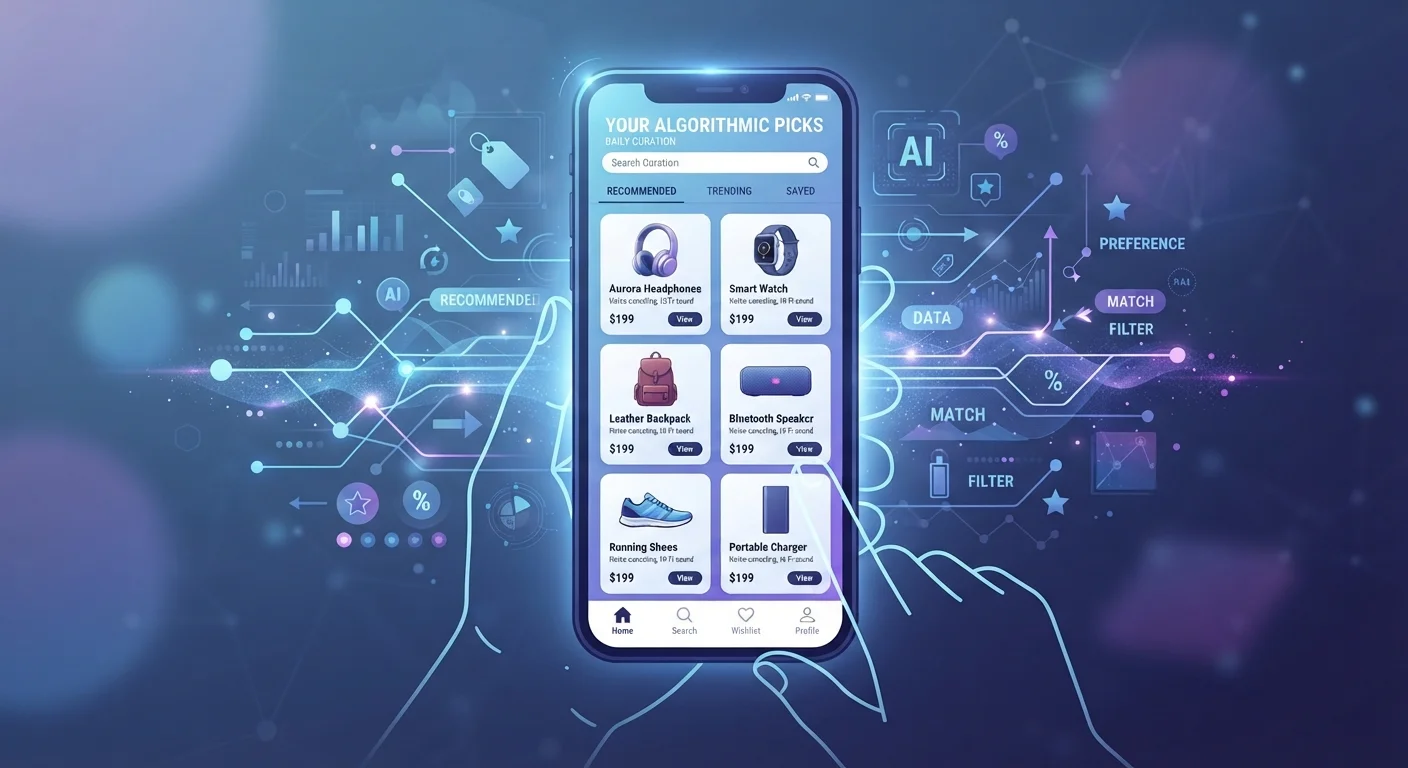
Behind every "Recommended for You" shelf is a system built on data collection, pattern recognition, and probabilistic ranking. Retailers collect signals from multiple touchpoints: pages you visit, products you click, how long you linger on a listing, what you ultimately buy, and what you abandon in your cart. Even your device type and browsing time of day can feed into the model.
The two most common algorithmic approaches are collaborative filtering and content-based filtering. Collaborative filtering identifies users with behavior patterns similar to yours and recommends items those users engaged with. Content-based filtering examines the attributes of products you've shown interest in - category, price tier, brand, style - and surfaces similar items. Most large-scale systems use a hybrid of both.
These models are updated continuously. A single search or purchase can shift what you see within the same session. The result is a product catalog that appears uniquely shaped to you - even though the underlying inventory is identical for all users.
71%
Consumers who expect personalized interactions
According to McKinsey & Company's consumer research on personalization, roughly 71% of consumers expect companies to deliver personalized interactions.
76%
Consumers frustrated by non-personalized experiences
The same McKinsey research found that 76% of consumers report frustration when personalization is absent from their retail interactions.
~40%
Share of Amazon revenue attributed to recommendations
Industry analyses have long cited internal Amazon figures suggesting roughly 35-40% of its revenue is driven by its recommendation engine, though precise current figures are not publicly disclosed.
What Data Fuels the System
Personalization draws on a broader data pool than most shoppers realize. First-party data - collected directly by the retailer - includes account registration details, purchase history, and on-site behavior. Third-party data, sourced from data brokers or ad networks, can add demographic, geographic, and behavioral signals gathered across the wider web.
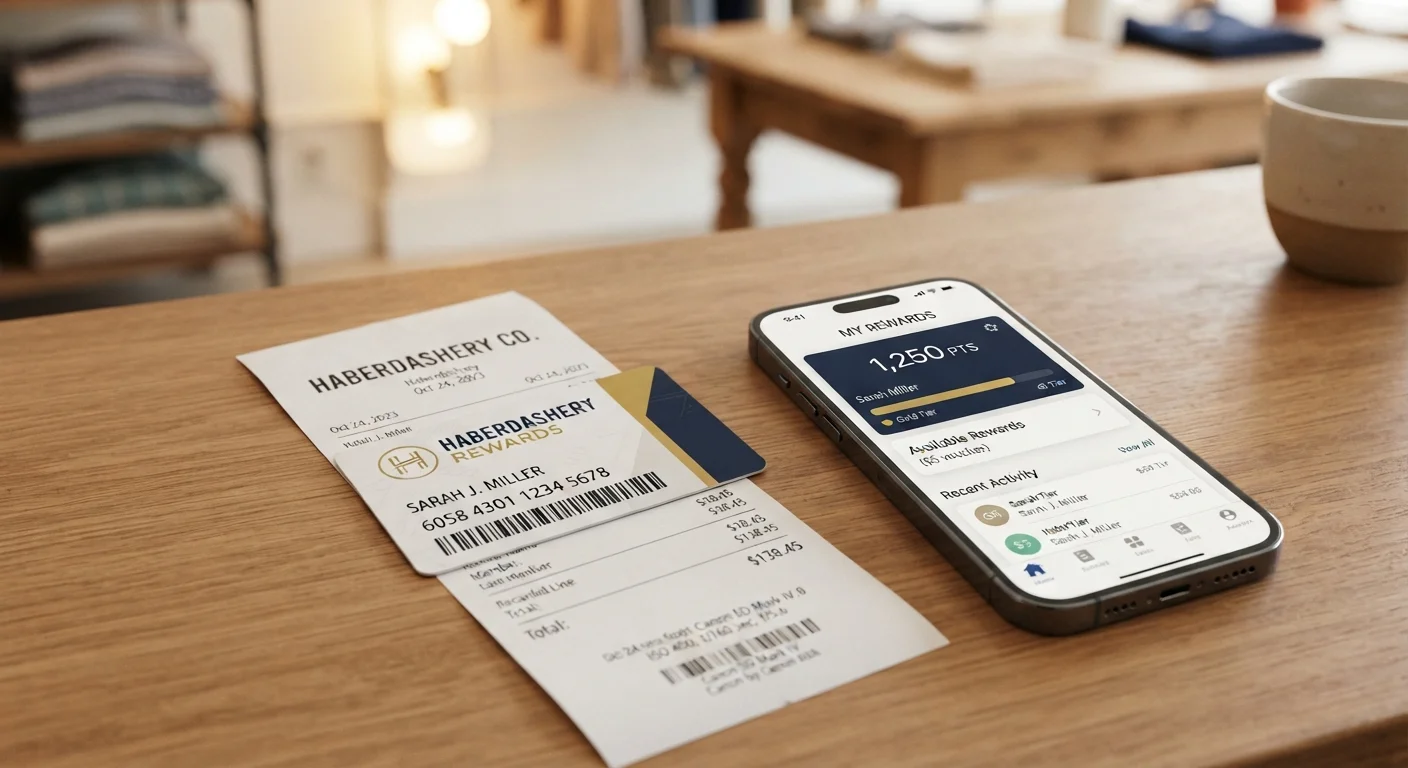
Retail loyalty programs are among the richest data sources retailers have. Every scan of a loyalty card ties a physical purchase to a named profile, creating a purchase history that spans both online and in-store behavior. This level of integration allows retailers to build highly detailed models of individual shopping patterns over time.
Your digital identity - the footprint you leave across platforms - can also inform retailer models when data is shared or inferred across services. Understanding this broader picture is part of what the Smart Habits approach to informed purchasing encourages.
Review Your Data Settings Periodically
Most major retail platforms and browsers allow you to review and limit data used for personalization. Checking these settings once or twice a year - especially after major life changes in your shopping habits - can help keep recommendations more relevant and reduce unwanted data accumulation. Look for "Privacy," "Ad Preferences," or "Personalization" sections in your account settings.
The Real Effects on What You Buy
Personalization meaningfully shapes consumer behavior. By reducing the friction of discovery - putting the most statistically relevant item first - these systems make it easier to find something you're likely to want. That convenience is real. But the same mechanism narrows your exposure to products outside your established pattern, creating what researchers sometimes call a filter bubble in the shopping context.
Emotionally, personalization can make shopping feel intuitive and effortless, which lowers deliberation time. As behavioral economics research shows, reduced deliberation correlates with higher impulsive purchasing. The emotional drivers behind purchases interact directly with how well-timed recommendations land - a relevant product surfaced at the right moment can feel less like an ad and more like a solution.
There is also a contrast worth noting: algorithmic curation tends to optimize for historical preferences, which can work against shoppers who are trying to make more intentional, values-driven choices. The shift toward values-driven shopping often requires actively looking beyond what algorithms have learned about you.
Navigating a Personalized Retail Environment
Awareness is the first practical tool. Recognizing that the product grid you see is filtered - not neutral - changes how you interpret what's presented. Searching directly rather than browsing recommended feeds exposes you to a broader range of options. Using a retailer's category navigation rather than its homepage can produce meaningfully different results.
Privacy settings and data controls on major platforms offer real, if limited, options. Opting out of personalized advertising, clearing browsing cookies periodically, or using a guest session reduces the data available to recommendation engines. Some platforms allow you to delete purchase or browsing history from your profile settings, which can reset or reduce the accuracy of your personalization model.
Understanding how retailers classify products also helps - because the structure of categories determines which items are eligible to appear in related-item recommendations in the first place. Knowing how the catalog is organized lets you navigate it more deliberately, rather than following the path the algorithm prefers.
Personalization Is Not the Same as Surveillance
While personalization relies on data collection, it's useful to understand the distinction between on-platform behavioral data (collected during your sessions with a retailer) and broader surveillance-style tracking across unrelated services. Privacy regulations such as CCPA in California and GDPR in the EU impose legal requirements on how some of this data is gathered and used, though enforcement and scope vary. For the most current information on your data rights, consult the retailer's privacy policy and relevant regulatory guidance.