How the Subscription Economy Created a New Kind of Consumer Problem
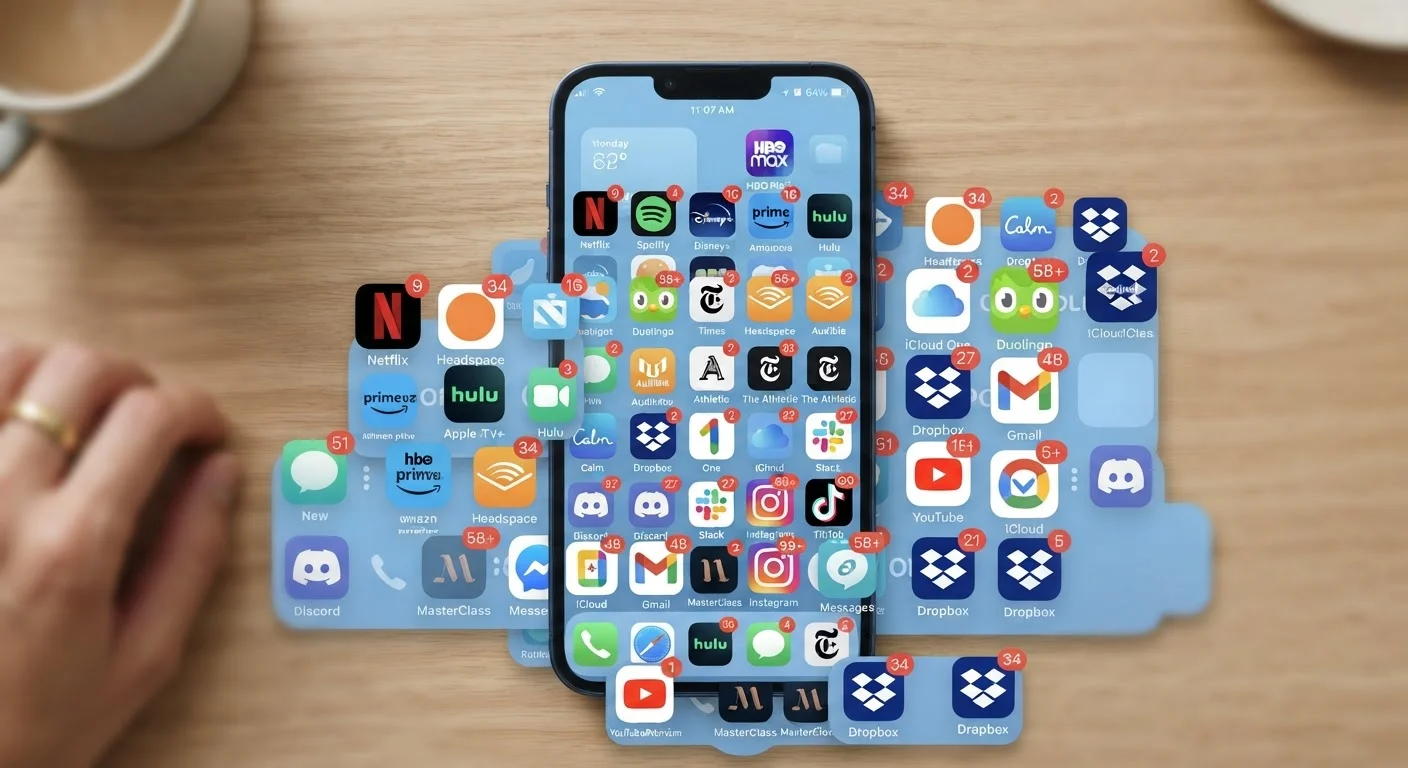
The subscription model is not new - magazine subscriptions and milk delivery predate the internet by decades. What changed is scale. Over the past fifteen years, subscriptions expanded from entertainment and software into nearly every consumer category: groceries, fitness, pet supplies, news, cloud storage, clothing, and even car features. The ease of signing up - often with a single click and a free trial - meant that accumulation happened faster than evaluation.
This expansion created a structural problem: consumers became less able to mentally account for costs spread across many small, automatic charges. A $9 charge here and a $14 charge there feel negligible month-to-month, but together they add up in ways most people don't accurately anticipate. Research on consumer financial behavior consistently shows that people underestimate their total recurring spend - sometimes by a significant margin. The result is not just overspending, but a diffuse sense that money is leaking out in ways that are hard to pinpoint.
4-7
Average paid subscriptions per U.S. household
Multiple consumer surveys estimate American households hold between four and seven active paid subscriptions at any point in time.
~40%
Subscribers paying for unused services
Industry and consumer research consistently finds a significant share of subscribers report paying for at least one service they haven't used in 30 or more days.
$100+
Estimated monthly subscription spend, many households
When streaming, software, fitness, and food delivery subscriptions are tallied together, many U.S. households exceed $100 in combined monthly recurring charges.
The Psychology Behind Why It Happens
Subscription fatigue isn't simply about having too many charges - it's rooted in specific cognitive patterns that make recurring costs harder to scrutinize than one-time purchases. Behavioral economists refer to the difficulty of evaluating spread-out, low-salience costs as a form of inattentional bias: because each charge is small and automatic, it rarely triggers the active cost-benefit thinking that a large purchase would.
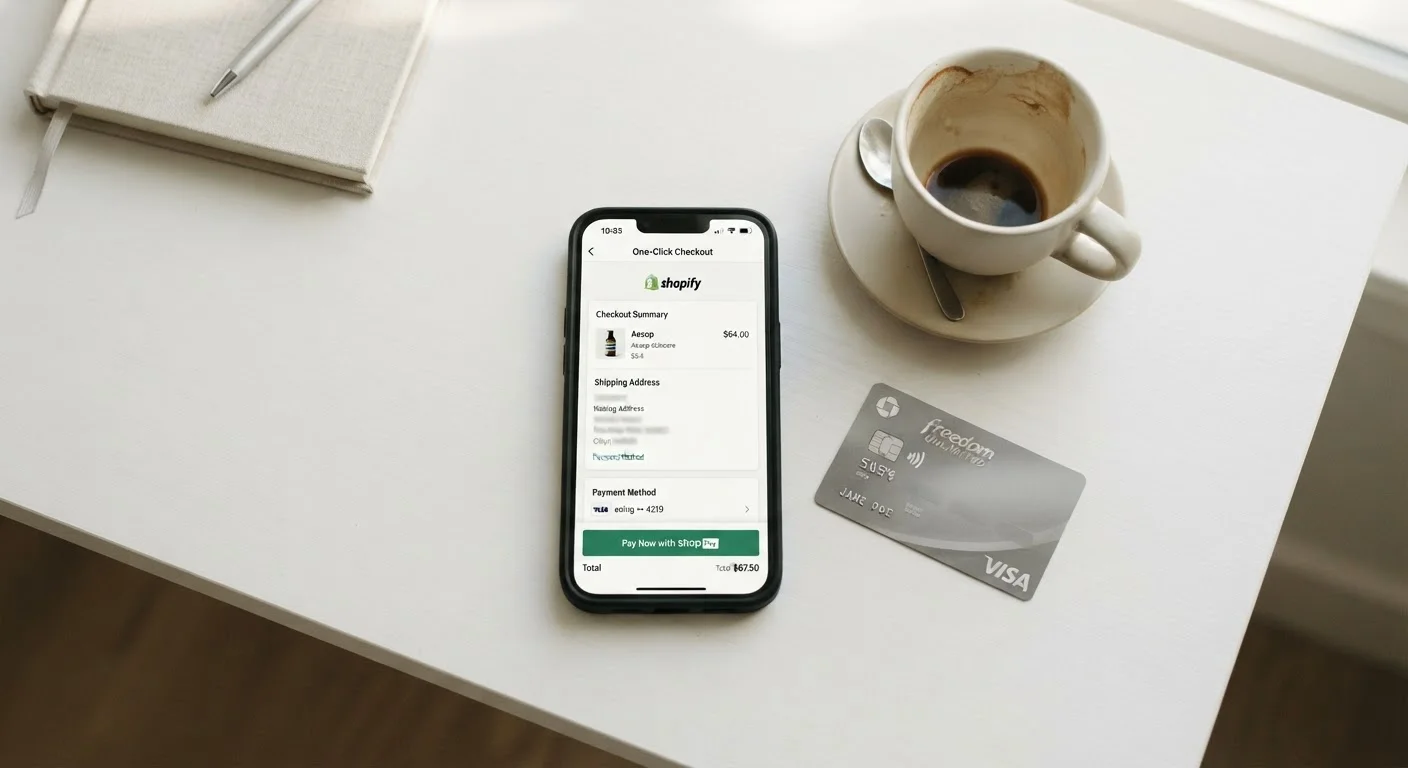
Subscription companies understand this well. Sign-up flows are engineered to minimize friction: free trials, pre-checked renewal boxes, and saved payment credentials all reduce the effort needed to commit. Cancellation flows, by contrast, are often layered with confirmation screens, retention offers, and multi-step processes designed to slow the exit. This asymmetry - easy in, hard out - is a deliberate design choice, not an oversight. Understanding it is part of what makes frictionless checkout costly in ways consumers often don't notice until later.
Audit Your Recurring Charges Periodically
Set a reminder - quarterly works well for most households - to review your bank and credit card statements for recurring charges. List each subscription, its cost, and when you last used it. This simple exercise often reveals charges that have outlived their usefulness. Canceling even two or three unused services can meaningfully reduce monthly outflows.
How Subscription Fatigue Changes Buying Behavior
When fatigue sets in, consumer behavior shifts in observable and measurable ways. The most common pattern is what industry analysts call a "subscription purge" - a moment, often triggered by a bank statement review or a household budget conversation, in which a consumer cancels multiple services at once. These purges tend to be decisive: once a consumer has audited their subscriptions critically, services that can't immediately justify their cost are cut.
Fatigue also changes how consumers evaluate new subscription offers. Someone who has recently audited their charges is far more likely to scrutinize free trial terms, look for annual pricing options, and ask whether they'll realistically use a service. This shift represents a meaningful reversal of the low-friction sign-up dynamic that subscription businesses depend on. Interestingly, the psychology here echoes patterns seen in other commitment contexts - including why people disengage from online communities after a period of overextension or diminishing return.
Some consumers also shift toward more transactional purchasing patterns - buying individual items or one-time rentals rather than committing to recurring access. This behavioral change has real implications for subscription businesses, many of which built their financial models on predictable recurring revenue and low churn rates.
What Consumers Can Learn From This Pattern
Subscription fatigue is a useful lens for understanding how modern retail and media companies have structured their revenue around human cognitive limits. Recognizing those limits is itself valuable. Periodic audits of recurring charges - reviewing bank or credit card statements for automated payments - are one of the most straightforward ways consumers can bring clarity to what they're actually spending on access versus ownership.
It's also worth understanding how subscription spending intersects with other consumer patterns. The same impulse that leads to an unconsidered sign-up during a free trial is related to the broader dynamics that drive impulse buying in digital environments. And the accumulated cost of subscriptions can quietly undermine financial intentions in ways similar to how common consumer myths keep people overspending without triggering obvious red flags.
“The subscription economy thrives on the gap between what consumers intend to use and what they actually use. That gap is where the revenue lives.”
— Robbie Kellman Baxter, Strategy consultant and author on subscription business models
Ultimately, the subscription model is neither inherently good nor bad - its value depends entirely on actual usage. Staying aware of the structural incentives built into these products is a practical step toward more intentional financial decisions.
This article is for general informational and educational purposes only and does not constitute financial or legal advice. Readers should consult a qualified financial professional for guidance specific to their personal circumstances.