A Century of Change, Compressed into Decades
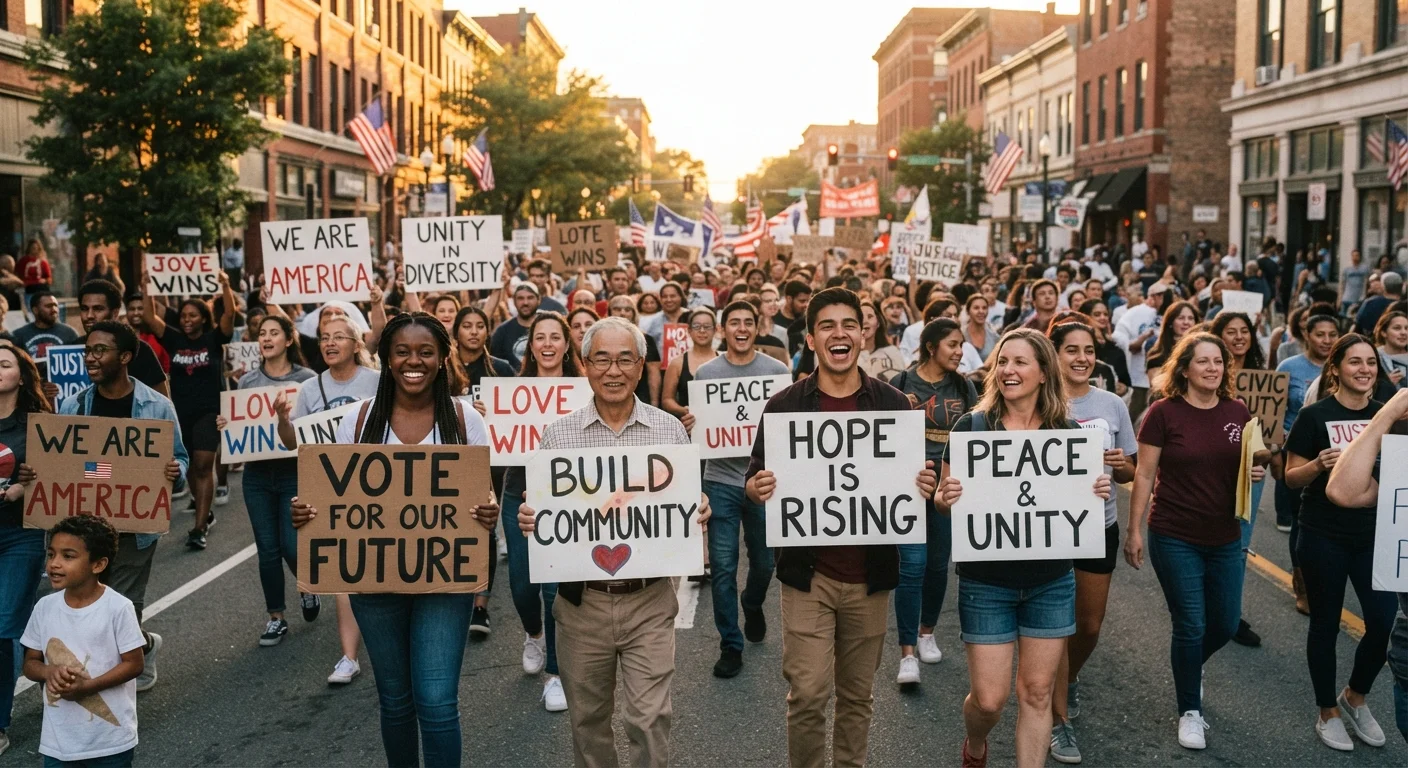
American social movements have always worked in waves, but the 21st century compressed those cycles dramatically. The spread of smartphones and social media gave ordinary people broadcast power once reserved for newsrooms, allowing grievances to surface and coalitions to form at unprecedented speed. The movements listed here are not exhaustive - they are illustrative of a broader pattern in which public culture shifted in response to sustained collective pressure.
Understanding these movements requires recognizing that they rarely operate in isolation. Organizing tactics, vocabulary, and momentum frequently passed between causes, creating an interconnected landscape of cultural change. As our reporting on how online communities mobilize around real-world causes shows, digital spaces have become central infrastructure for this kind of cross-movement coordination.
The Marriage Equality Movement
The campaign for same-sex marriage rights culminated in the Supreme Court's 2015 Obergefell v. Hodges ruling, which established marriage equality as a constitutional right nationwide. But the cultural shift preceded the legal one - opinion polls showed American support for same-sex marriage flipping from minority to majority position across the 2000s, driven in part by increased visibility in media and personal relationships. The movement's success became a template for how sustained public narrative work could accelerate legal change.
Public opinion on marriage equality shifted from minority to majority support faster than almost any major issue in modern polling history.
#MeToo and the Reckoning on Workplace Harassment
The hashtag #MeToo - coined by activist Tarana Burke more than a decade before it went viral - became a global reckoning in 2017 when allegations against prominent media and entertainment figures surfaced in rapid succession. The movement accelerated policy changes at corporations and institutions, spurred new state-level harassment laws, and fundamentally altered professional norms around power and accountability. It also surfaced longstanding tensions between institutional loyalty and individual accountability that American workplaces are still navigating.
#MeToo transformed workplace harassment from a largely private grievance into a mainstream institutional accountability issue.
Black Lives Matter and Criminal Justice Reform
Founded in 2013 following the acquittal of George Zimmerman in the shooting death of Trayvon Martin, the Black Lives Matter movement grew into one of the largest protest movements in American history. The 2020 uprisings following the death of George Floyd - estimated by some researchers to have involved between 15 and 26 million participants - pushed criminal justice reform to the center of national policy debate. Cities across the country revisited police department budgets and use-of-force policies, and the movement's framing of systemic racism entered mainstream political vocabulary in ways that had not previously occurred.
The 2020 protests following George Floyd's death became among the largest in recorded American history.
Mental Health Awareness Goes Mainstream
While the mental health advocacy movement has roots in earlier decades, the 2010s and early 2020s marked a decisive shift in public willingness to discuss depression, anxiety, trauma, and therapy openly. Athletes, celebrities, and public figures began disclosing mental health struggles without career-ending consequences, and the national conversation expanded from crisis intervention to everyday emotional wellbeing. Public health officials, including the U.S. Surgeon General, issued formal advisories on loneliness and youth mental health - signaling that these concerns had moved from stigmatized to urgent public matters. Our coverage of loneliness as a public health conversation explores this cultural transition in depth.
Surgeon General advisories on loneliness and youth mental health marked a turning point in how America treats emotional wellbeing as a public issue.
The Climate Justice Movement
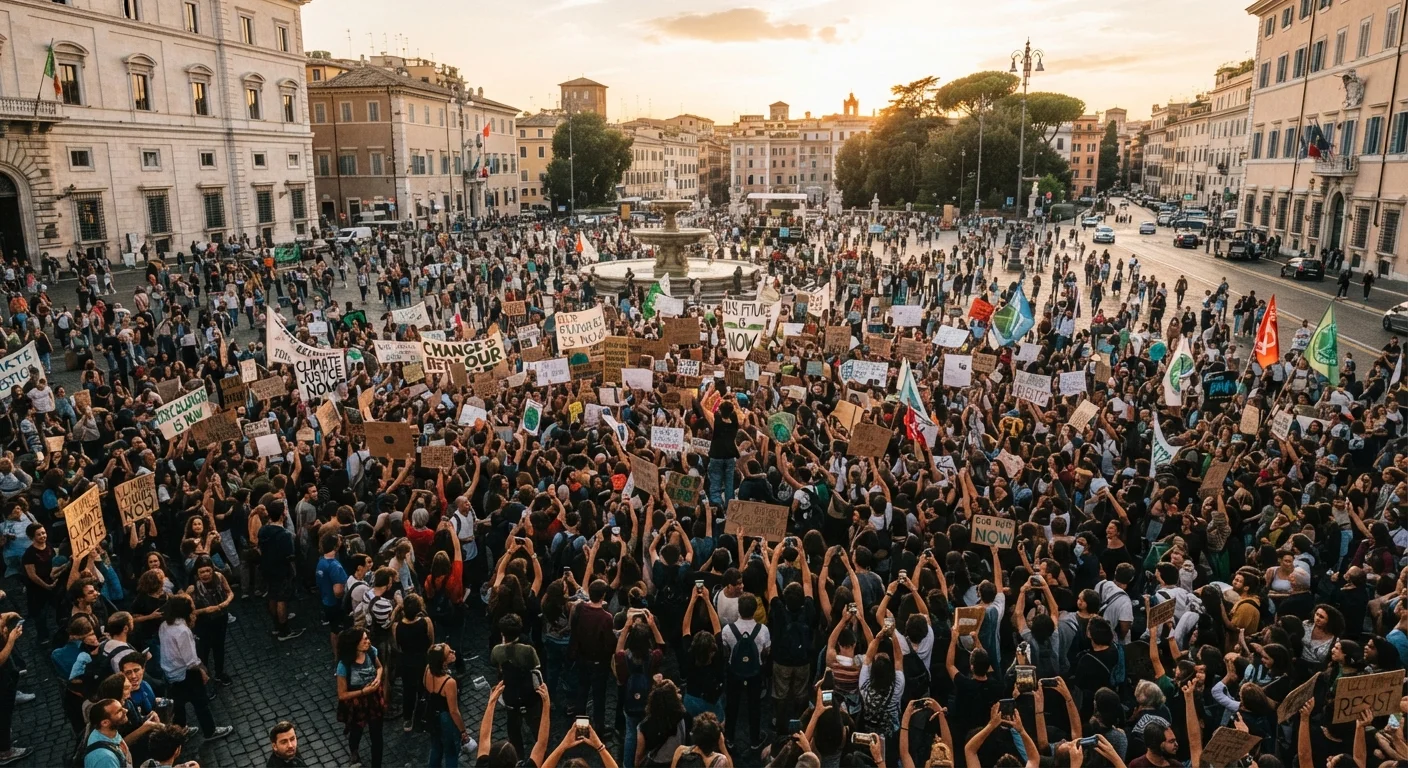
Climate activism in the 21st century evolved from a largely technocratic policy debate into a broad cultural and justice movement. Youth-led organizations, Indigenous-led pipeline protests, and global school strike campaigns reframed climate not merely as an environmental issue but as a matter of economic and racial equity. This framing broadened the coalition engaging with climate policy and pushed the issue into conversations about housing, public health, and infrastructure that had not previously been linked to environmental advocacy.
Reframing climate change as a justice issue, not just an environmental one, significantly broadened the movement's coalition.
Disability Rights and Accessibility Advocacy
Building on the Americans with Disabilities Act of 1990, 21st-century disability advocates pushed for broader recognition of neurodiversity, expanded digital accessibility standards, and greater representation in media and employment. The movement gained new momentum through online communities where people with disabilities found organizing infrastructure and cultural solidarity outside traditional institutions. Advocacy shifted the conversation from accommodation as charity to accessibility as civil right - a distinction with meaningful implications for how public and private institutions approach design, hiring, and inclusion.
Online communities gave disability advocates powerful organizing tools that traditional institutional channels had long failed to provide.
Why These Movements Matter Beyond the Headlines
Social movements reshape culture in ways that outlast any single news cycle. Changed laws are measurable, but the subtler shifts - in workplace norms, in how families discuss mental health, in what language is considered acceptable - often run deeper. Several movements on this list altered the frameworks Americans use to interpret everyday experience, not just specific policies.
Tracking Movement Impact Over Time
Assessing a movement's cultural impact requires looking beyond immediate policy wins. Researchers and journalists often track changes in language, institutional policy, and public opinion polling across multi-year periods. Organizations like the Pew Research Center and the General Social Survey publish longitudinal data that can help contextualize how deeply a given movement has shifted public attitudes.
The reverberations also reach consumer behavior and media. As explored in how values-driven shopping has grown, many Americans now make purchasing decisions in direct response to the values these movements amplified. And the redefined civic energy documented here connects directly to new forms of civic engagement extending well beyond Election Day.