Beyond the Ballot Box
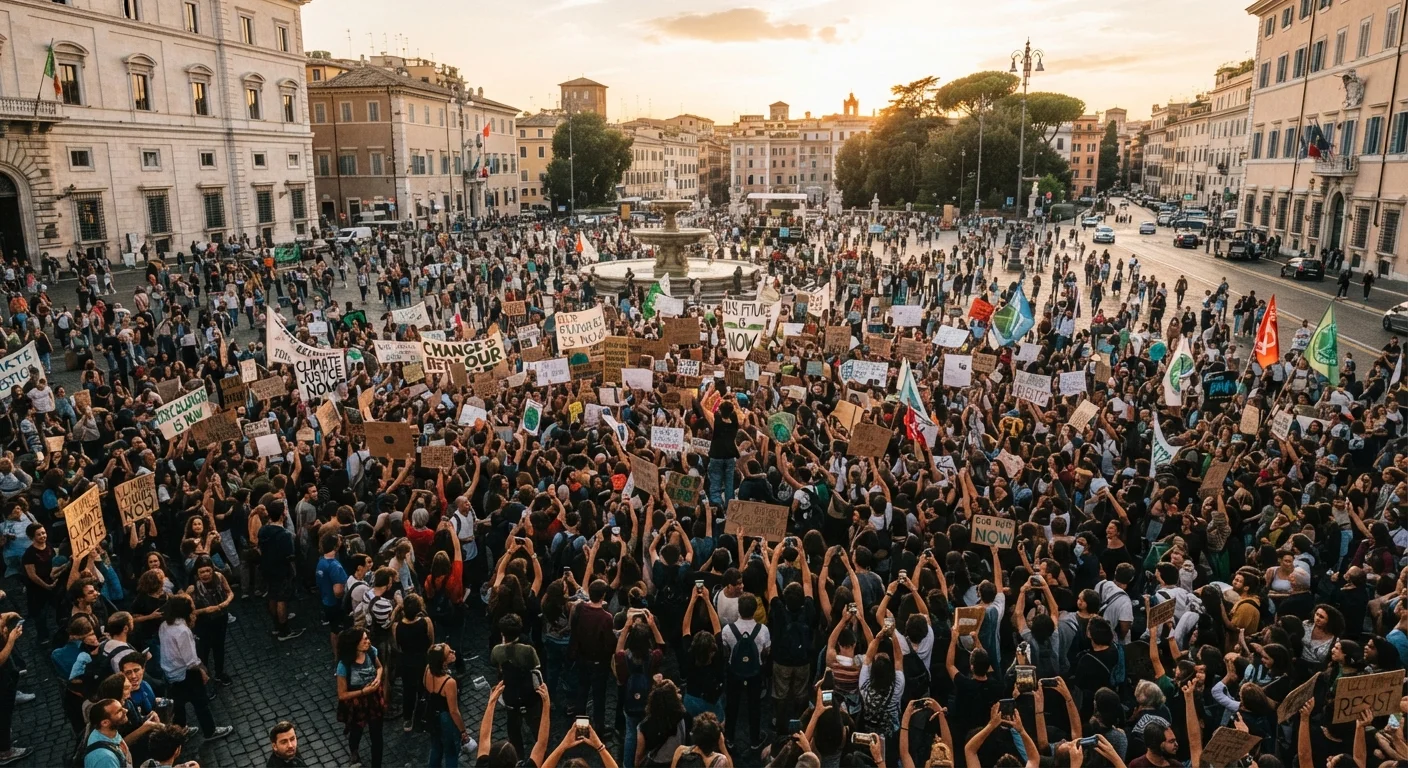
For much of modern American political culture, civic participation has been measured almost exclusively by voter turnout. But a growing body of research and observable community activity suggests that democracy, in practice, is sustained by a much broader range of behaviors - ones that unfold between elections, often at the neighborhood level.
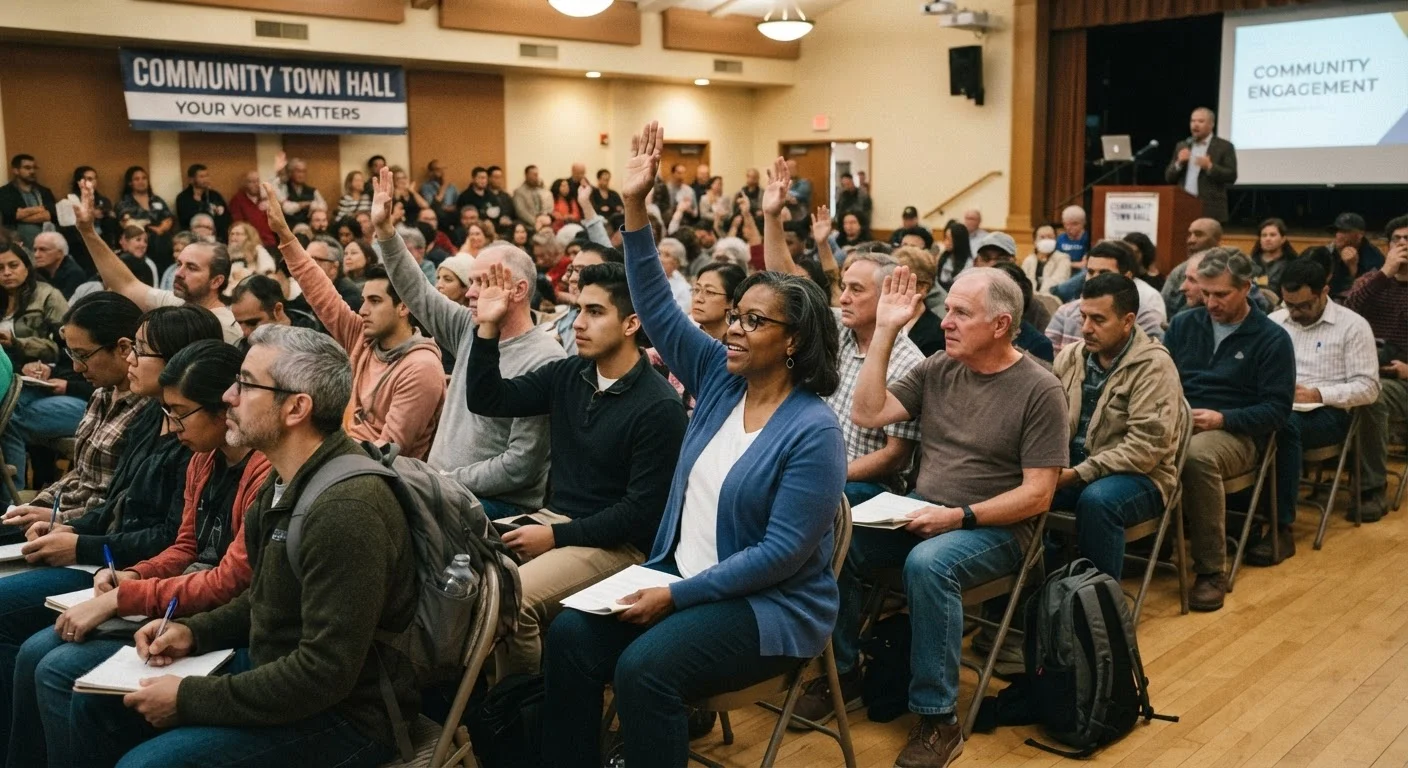
From packed school board meetings to neighborhood mutual aid networks coordinated on group chats, Americans across the political spectrum are engaging with public life in ways that don't fit neatly into electoral categories. Understanding this fuller picture of civic participation helps explain not just how democracy functions, but how communities build resilience and accountability from the ground up.
~30%
Americans who volunteered formally in a recent year
According to AmeriCorps (formerly the Corporation for National and Community Service), roughly 30% of American adults report engaging in formal volunteer activity annually.
75%
Local elections decided by under 15% turnout
Research from Portland State University found that in many U.S. cities, a significant share of local elections see turnout well below 20%, amplifying the influence of organized participants.
Thousands
Mutual aid networks formed during COVID-19
The Mutual Aid Hub documented thousands of independent mutual aid groups that formed across the United States during the pandemic, many of which remain active.
Local Government: The Most Accessible Democratic Arena
City councils, school boards, zoning commissions, and water districts make decisions that directly shape daily life - school curricula, housing density, public transit, park funding. Yet these bodies frequently operate with sparse public attendance, giving organized, consistent participants outsized influence.
Political scientists note that local government is the democratic tier most responsive to individual citizen input. Public comment periods are legally required in many jurisdictions, meaning a prepared speaker addressing a city council has a formal mechanism for influence that simply doesn't exist at the federal level. Communities that have mobilized sustained attendance - over issues ranging from library hours to police oversight - have documented policy reversals and budget changes that trace directly to public pressure.
How to Find Your Local Government Calendar
Most city and county governments are required to post meeting schedules publicly. Searching your city or county name plus 'city council agenda' or 'public meetings calendar' typically surfaces official listings. Many jurisdictions also allow written public comment to be submitted digitally ahead of meetings, making participation accessible without attending in person.
Mutual Aid: Civic Infrastructure Rebuilt From the Ground Up
The COVID-19 pandemic accelerated the formation of thousands of neighborhood mutual aid networks across the United States - informal but organized groups that coordinated grocery delivery, medication pickup, childcare, and financial support among neighbors. Unlike traditional charity, mutual aid operates on a principle of reciprocity: participants are both providers and recipients, depending on circumstances.
Many of these networks, formed hastily in early 2020, have persisted and professionalized. They represent a form of civic infrastructure that complements - and sometimes substitutes for - institutional social services. Sociologists who study social capital argue that mutual aid builds the kind of dense interpersonal trust that underpins democratic participation more broadly. The broader cultural turn toward self-sufficiency evident in other domains appears to extend into community care as well.
Digital Organizing and the New Civic Commons
Online platforms have fundamentally altered the logistics of civic organizing. What previously required printed flyers, phone trees, and physical meeting spaces can now be coordinated through group chats, social media, and community forums. This has lowered barriers to participation - particularly for people with mobility limitations, demanding work schedules, or caregiving responsibilities.
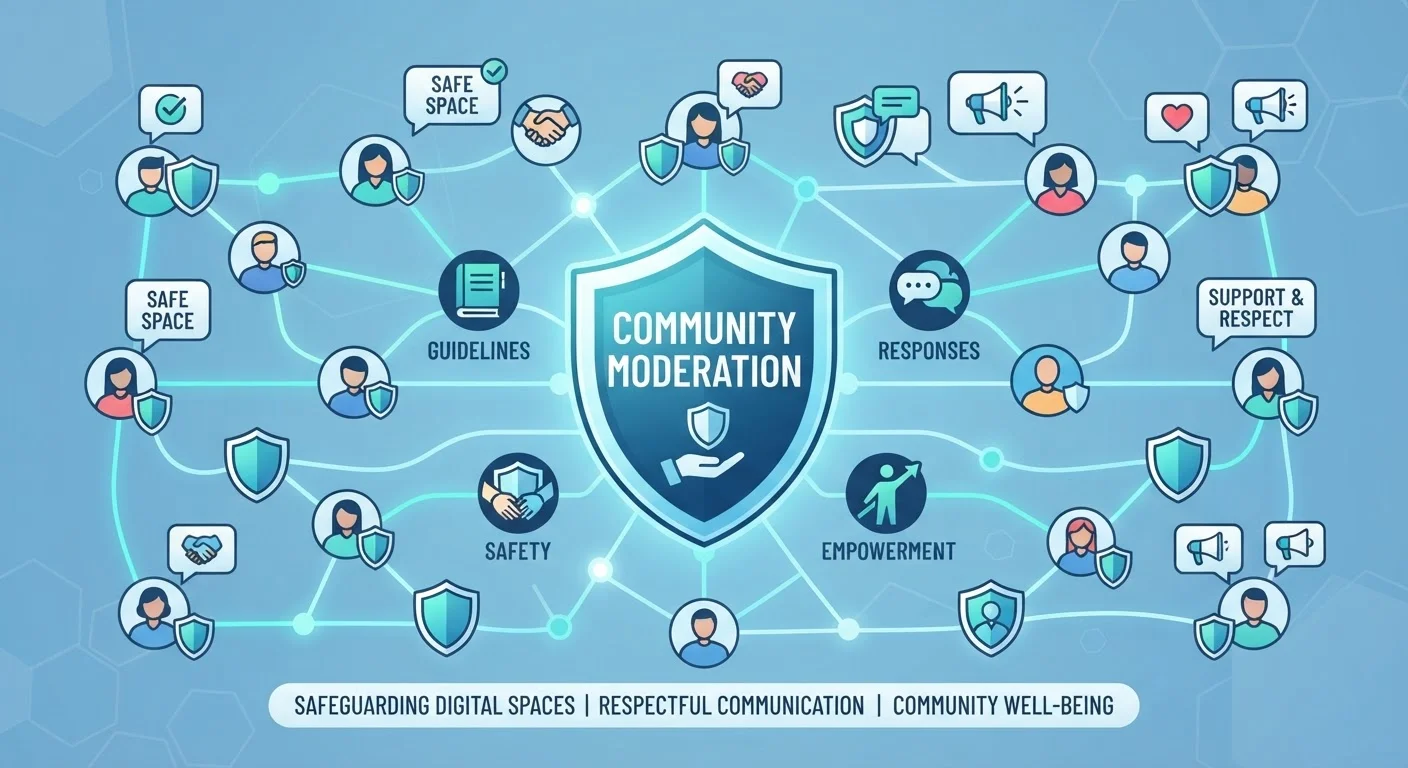
The relationship between digital communities and real-world civic action is well-documented. Neighborhood Facebook groups that began as lost-pet boards have evolved into rapid-response networks for local advocacy. Reddit communities have organized letter-writing campaigns to local officials. The quality and safety of these digital civic spaces varies considerably - how these communities are moderated has real consequences for who participates and what gets accomplished.
“Democracy is not a spectator sport. The health of a democracy depends on citizens who engage with it persistently - not just on Election Day, but in the everyday work of community life.”
— Carmen Sirianni, Professor of Sociology, Brandeis University, and co-author of works on civic renewal
Volunteerism as Democratic Practice
Volunteering - with food banks, literacy programs, voter registration drives, environmental cleanup efforts - is one of the most durable forms of civic participation in American life. It builds community social capital, maintains services that government funding doesn't fully cover, and, research suggests, increases participants' broader sense of political efficacy and subsequent civic involvement.
The line between service volunteering and civic advocacy is increasingly blurred. Organizations that began as direct-service providers have added policy advocacy components, recognizing that systemic change requires both. Volunteers who start by staffing food pantries often become advocates for food security policy. Those engaged in volunteer service more broadly encounter similar questions about long-term impact versus immediate need.
The cumulative picture is of an American civic culture that is more active, more distributed, and more varied than turnout statistics alone would suggest - operating in town halls, neighborhood networks, digital forums, and community organizations, year-round.