From Threads to the Street: The Core Mechanics
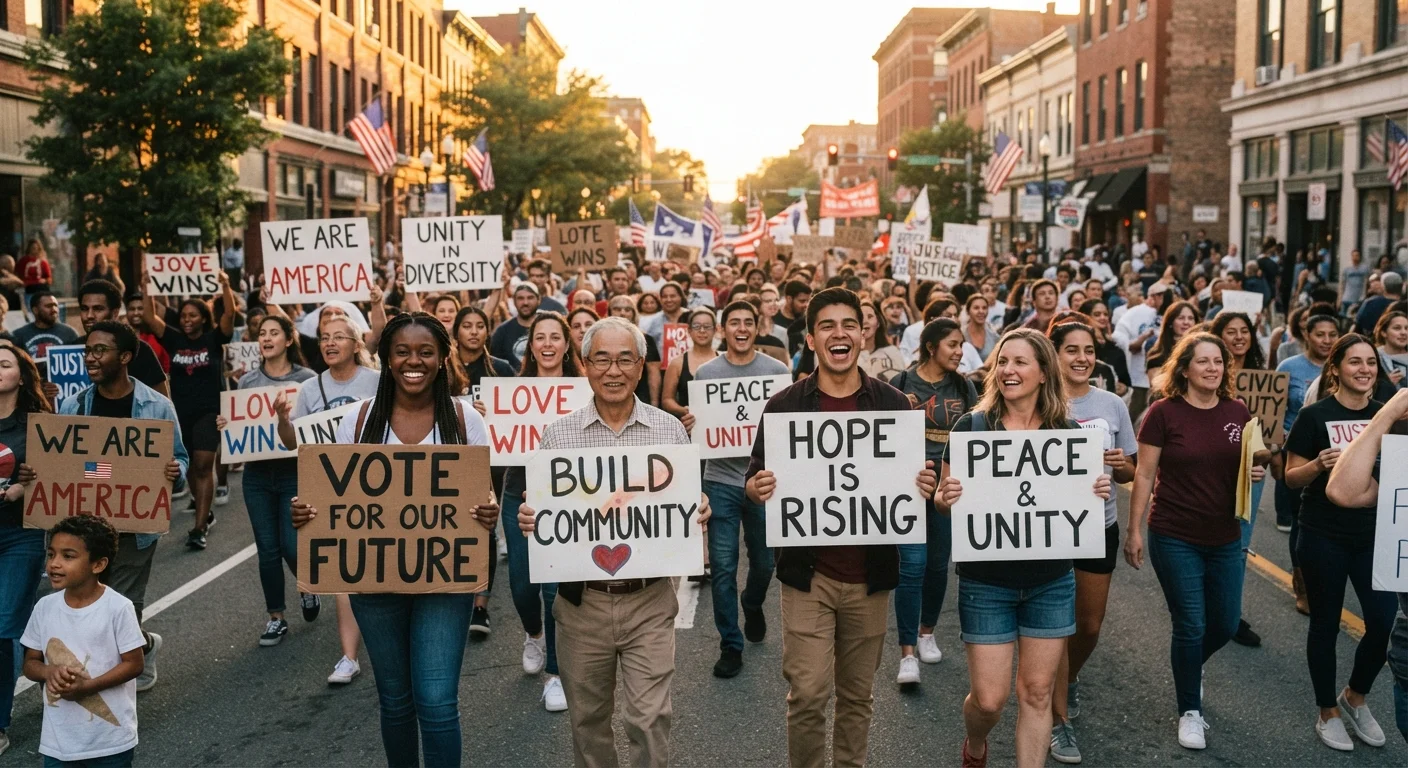
When a neighborhood Facebook Group coordinates a food drive, or a subreddit raises thousands of dollars after a local disaster, a recognizable pattern is at work. Online communities mobilize around causes through a sequence of steps that sociologists describe as identity formation, framing, and collective action.
First, a community develops a shared sense of who they are and what they care about. Second, a specific issue gets framed - often by a trusted member - as something the group can and should address. Third, that framing produces a concrete ask: donate here, show up there, call this number. When all three elements align, digital engagement can tip into offline action.
Platform structure plays a significant role in how this unfolds. As explored in our article on how Reddit, Discord, and Facebook Groups differ, each architecture shapes participation in distinct ways - affecting who sees an appeal, how quickly it spreads, and what kind of response it typically generates.
56%
Americans who joined or donated via online community
A Pew Research Center survey found that a majority of U.S. adults have participated in a group or cause they first encountered online.
~750
Mutual aid networks formed in 2020 alone
Researchers tracking pandemic-era organizing documented hundreds of new neighborhood mutual aid networks formed through digital platforms during 2020, per reporting by academic and nonprofit observers.
3x
Higher fundraising when shared by trusted community member
Studies on peer-to-peer fundraising consistently find that appeals shared by someone with existing community credibility outperform cold appeals by a significant margin.
Mutual Aid: The Most Direct Form of Digital-to-Physical Action
Among the clearest examples of online mobilization producing tangible offline outcomes is the rise of mutual aid networks. These are community-organized systems where members exchange resources - food, childcare, transportation, money - directly with one another, bypassing formal institutions.
During the COVID-19 pandemic, thousands of neighborhood mutual aid groups formed rapidly on social platforms, coordinating grocery deliveries and medicine pickups through shared spreadsheets and group chats. Many of those networks persisted long after the immediate emergency, evolving into durable local infrastructure.
What Makes a Mutual Aid Network Durable
Networks that outlast their founding crisis typically maintain a simple, accessible coordination tool - a shared spreadsheet, a group chat, or a dedicated app - and designate rotating volunteers to keep it active. Keeping the scope local and the ask specific helps sustain participation without burning out core members.
The dynamics behind this kind of organizing connect directly to broader shifts in how Americans define civic participation - a trend examined in our piece on civic engagement outside election day.
The Role of Trust, Framing, and Sustained Momentum
Online mobilization is not automatic. Communities with strong shared identity and high internal trust are significantly more likely to convert online discussion into real-world action. A well-framed message from a trusted community member carries far more weight than an identical message from an unknown account.
Framing matters in particular because it answers an implicit question every potential participant asks: Why should I do this, and why now? Appeals that connect a cause to members' existing values - rather than importing an abstract issue from outside the community - consistently generate stronger responses.
“The internet doesn't create civic engagement out of nothing - it amplifies existing social ties and lowers the transaction costs of coordinating people who already share a commitment.”
— Hahrie Han, Professor of Political Science, Johns Hopkins University, and researcher on civic organizing
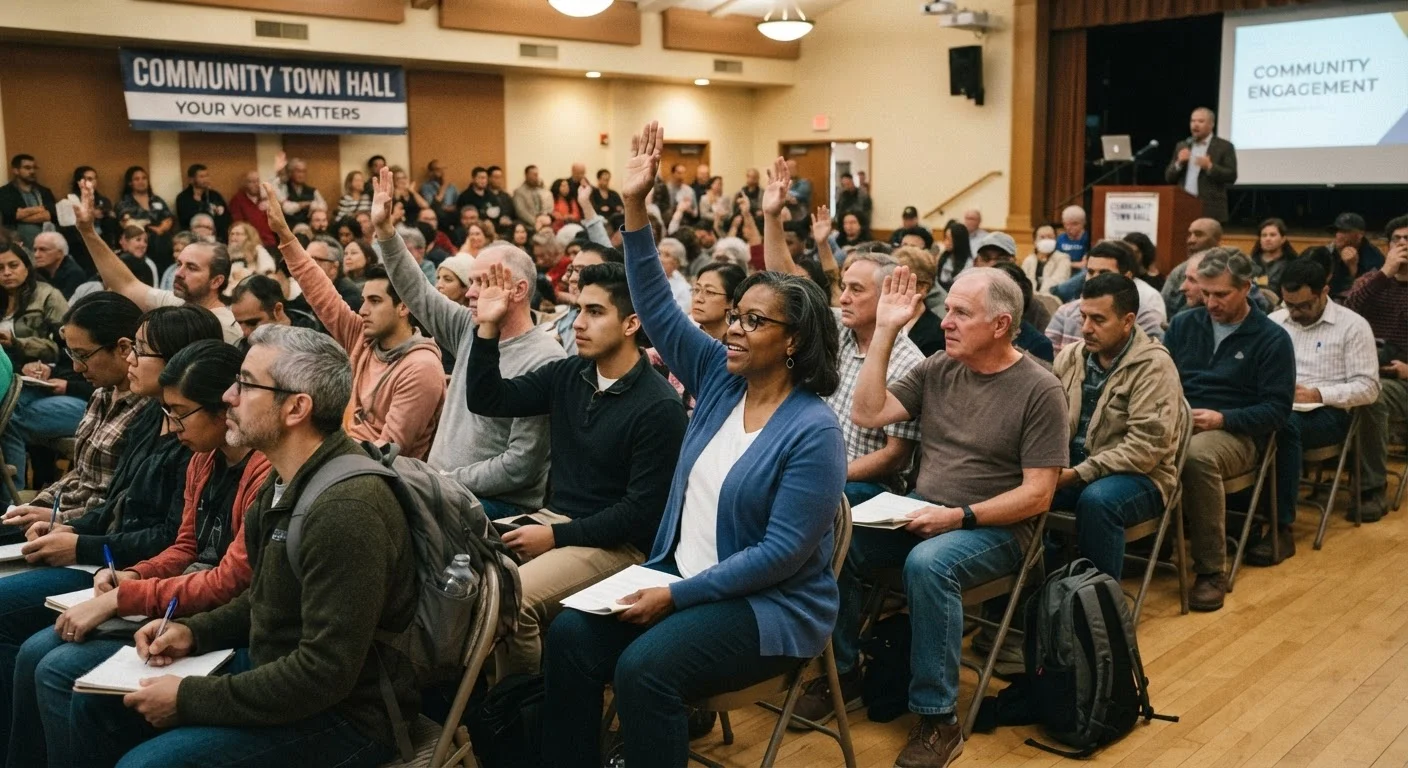
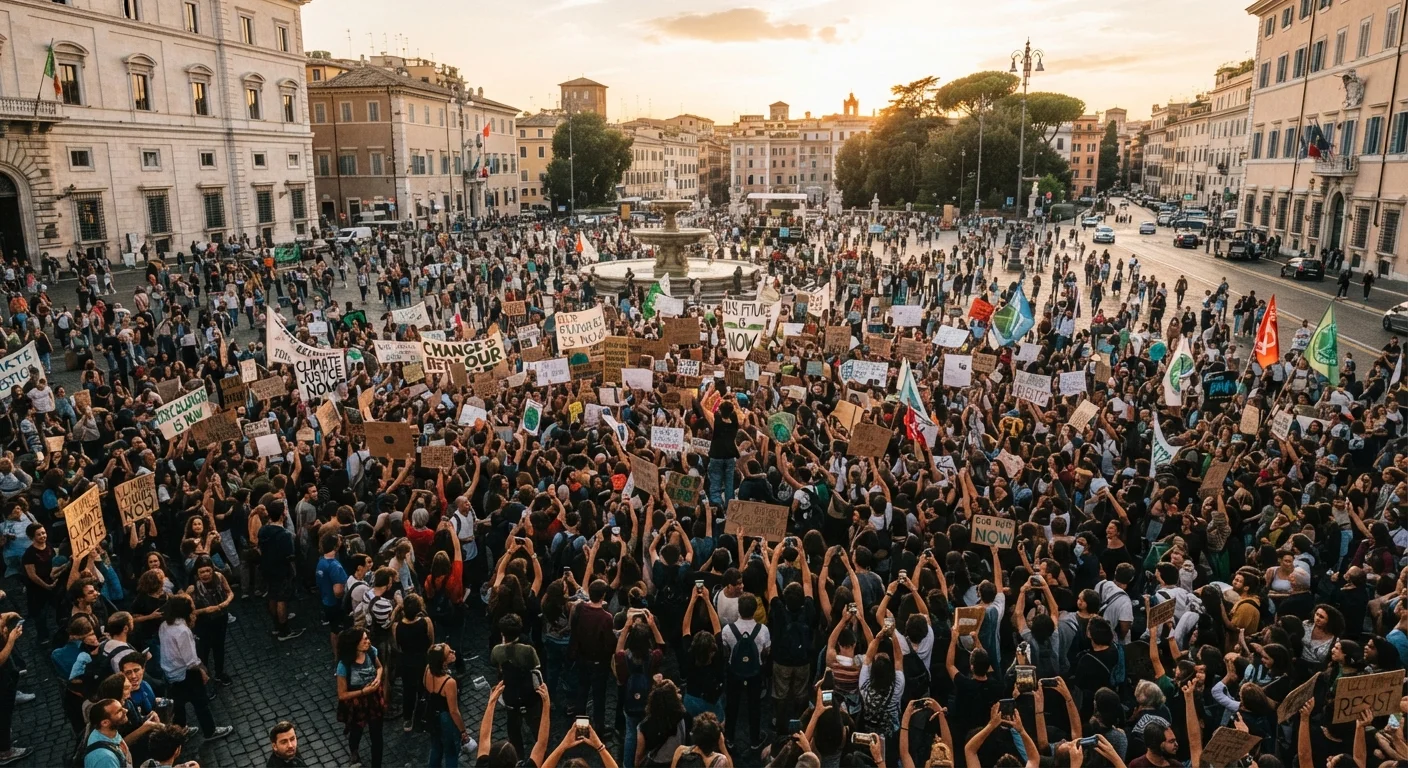
Sustaining momentum beyond an initial surge is harder. Communities that bridge into existing civic infrastructure - local government meetings, established nonprofits, neighborhood associations - tend to maintain real-world impact over time. Those that remain purely digital often see energy dissipate after the initial moment passes. This dynamic is also reflected in how 21st-century social movements have navigated the transition from online energy to sustained cultural change.
Limitations and Risks Worth Acknowledging
Online mobilization carries genuine limitations. The same anonymity that can protect vulnerable voices - as discussed in our overview of anonymity in online spaces - can also reduce accountability and invite bad-faith participation. Causes can be hijacked, misinformation can spread alongside genuine calls to action, and communities can fracture when real-world stakes become high.
There is also the question of who mobilization actually reaches. Online communities tend to be self-selected; the people most likely to see and act on a digital appeal are often already sympathetic. Reaching beyond existing networks - to people who don't already share the community's frame - remains a persistent challenge.
The 'Echo Chamber' Consideration
Researchers note that online communities, by their nature, tend to draw people who already share similar views. This makes internal mobilization efficient but can limit a campaign's ability to persuade or recruit outside its existing base. Organizers aiming for broad impact often need to deliberately bridge into other networks and offline spaces.
Healthy community moderation can mitigate some of these risks by filtering misinformation and maintaining a productive environment. Our piece on moderation approaches that protect people explores those strategies in depth. Ultimately, the most durable online-to-offline movements treat digital tools as one part of a broader organizing ecosystem, not as a replacement for the slower, harder work of building trust across communities.